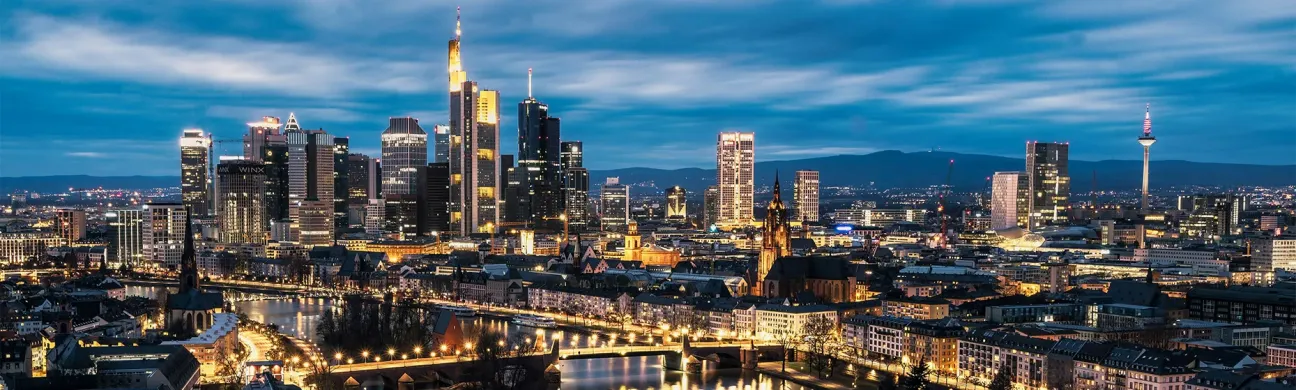
 Unsplash
The Great German Real Estate Reset: Deutsche GRI 2026 Spotlight Report
Discover how institutional investors are bridging the funding gap, managing regulatory shifts, and tackling the transition toward active asset management
May 12, 2026Real Estate
Written by:Rory Hickman
Executive Summary
The German real estate market is undergoing a structural transition as the era of ultra-low interest rates ends, necessitating a move toward active asset management and operational excellence.
While commercial sectors face continued price corrections and a persistent bid-offer spread, the residential and logistics segments remain supported by chronic supply-demand imbalances and shifting global trade patterns.
Senior industry leaders met at Deutsche GRI 2026 in Frankfurt to navigate this evolving landscape, where a persistent 10-20% funding gap and stricter bank lending criteria are increasing the importance of alternative credit and strategic partnerships.
Looking ahead to Europe GRI 2026 Summer Edition on 9th-10th September in Paris, the industry remains focused on achieving price discovery and meeting mandatory ESG requirements.
Success in this cycle will depend on the ability to bridge the capital stack and improve productivity, ensuring assets remain bankable in an environment where sustainability and operational efficiency are the primary drivers of long-term liquidity.
► Check out the Deutsche GRI 2026 C-Circle Gathering report for more insights
► A full analysis of the Deutsche GRI 2026 Survey results are available here
While commercial sectors face continued price corrections and a persistent bid-offer spread, the residential and logistics segments remain supported by chronic supply-demand imbalances and shifting global trade patterns.
Senior industry leaders met at Deutsche GRI 2026 in Frankfurt to navigate this evolving landscape, where a persistent 10-20% funding gap and stricter bank lending criteria are increasing the importance of alternative credit and strategic partnerships.
Looking ahead to Europe GRI 2026 Summer Edition on 9th-10th September in Paris, the industry remains focused on achieving price discovery and meeting mandatory ESG requirements.
Success in this cycle will depend on the ability to bridge the capital stack and improve productivity, ensuring assets remain bankable in an environment where sustainability and operational efficiency are the primary drivers of long-term liquidity.
► Check out the Deutsche GRI 2026 C-Circle Gathering report for more insights
► A full analysis of the Deutsche GRI 2026 Survey results are available here
Key Takeaways
- Living, logistics, and data centres remain high-conviction sectors due to structural supply shortages, immigration, and the rapid expansion of digital infrastructure.
- A persistent 10-20% funding gap is forcing a reliance on alternative lenders, creative JVs, and mandatory ESG compliance to secure refinancing and future exit liquidity.
- Leading the market in the new cycle depends on active asset management, operational excellence, and generating alpha through repurposing existing stock.
Germany’s Investment Cycle Reset
The global macroeconomic landscape is currently shaped by shifting interest rate expectations and the potential duration of regional conflicts.While current projections anticipate a short-lived war in the Middle East with limited impact on global growth, a prolonged conflict could drive central bank interest rates as high as 3.5%, significantly increasing financial pressure. In a stable scenario, rates are expected to remain around 2% in Europe, while the US may see rate cuts in the second half of the year.
Although inflation remains at an elevated level, it is not expected to undergo a massive surge, as the ability of companies to pass price increases on to consumers has diminished compared to the period following the pandemic.
Long-term economic trends are increasingly defined by structural shifts in demographics, de-globalisation, digitisation, decarbonisation, defence, and debt. Digitisation, particularly regarding artificial intelligence, is currently viewed as being in a hype phase where energy costs and data centre requirements may pose significant bottlenecks to productivity gains in the short term.
Additionally, the push for decarbonisation faces regulatory delays as the high costs of improvements and CO2 efficiency requirements become more apparent. On the fiscal side, increased sovereign debt levels and new spending requirements for national defence are likely to increase financial fragilities and keep long-term yields at elevated levels.
In this context, the real estate sector is transitioning into a normalisation phase, moving away from a decade of ultra-low interest rates and toward a focus on active asset management and value creation.
While commercial real estate continues to face price corrections due to high interest rates and a lack of transactions, the residential market in Germany remains highly attractive due to a favourable supply-demand imbalance and continued immigration.
Refinancing needs for existing loans will likely drive an increase in transaction volumes over the next 24 months, though a significant wave of distressed sales is not anticipated.
Success in this new cycle will depend on deregulation, productivity improvements, and the ability to generate alpha through operational expertise rather than relying solely on market-wide yield compression.
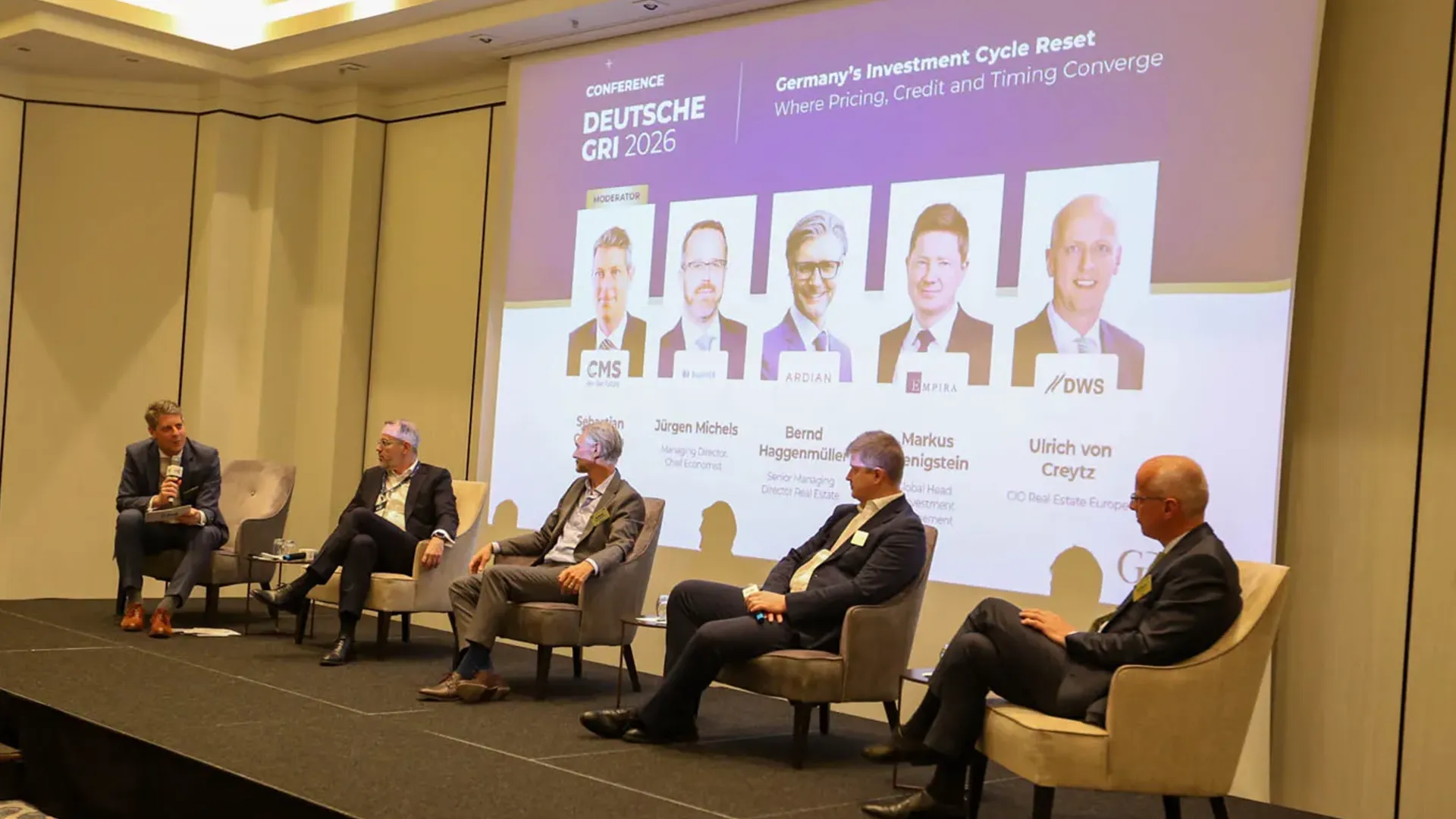
The opening panel at Deutsche GRI 2026 addressed the transition to a normalised investment cycle, structural macro trends, and the shift toward generating operational alpha. (GRI Institute)
Housing Market Under Pressure
The residential sector faces significant pressure from a combination of high interest rates, rising financing costs, and a tightening of bank lending criteria. Sellers who previously delayed transactions are now accepting that market conditions are unlikely to improve in the near term, leading to a slow increase in the supply of stock being brought to market.Demand continues to be driven by urbanisation, high immigration rates, and a growing international student population, which together significantly outstrip the current rate of new construction.
Furthermore, international liquidity remains scarce as institutional investors weigh regional risks - including high energy costs and de-industrialisation - against other global opportunities.
Regulatory interventions, such as rent caps, index contract restrictions, and the ongoing debate regarding socialisation, have introduced significant uncertainty into the investment landscape.
While intended to protect tenants, these measures often result in reduced housing mobility; individuals frequently remain in inappropriately large apartments to retain historically low rental rates, which exacerbates the shortage for newcomers and families.
Targeted regulation is frequently cited as a more effective alternative to broad restrictions, which can unintentionally harm the very demographics they are intended to support. Additionally, the inconsistent implementation of building acceleration laws at the local level often delays essential project approvals, further discouraging the development of new stock.
New construction is severely hindered by high land prices and escalating structural costs, making it nearly impossible to deliver affordable units without heavy subsidies or innovative architectural design.
Developers are increasingly pivoting toward more efficient, compact floor plans that emphasise shared community spaces, social education, and integrated maintenance services over large private living areas.
Sustainable development through renewable energy and the strategic integration of social housing with free-market units are seen as the primary pathways for viable new builds.
However, long-term gains require addressing the broader infrastructure deficit, including the provision of water, hospitals, and educational facilities to support growing populations in burgeoning micro-markets.
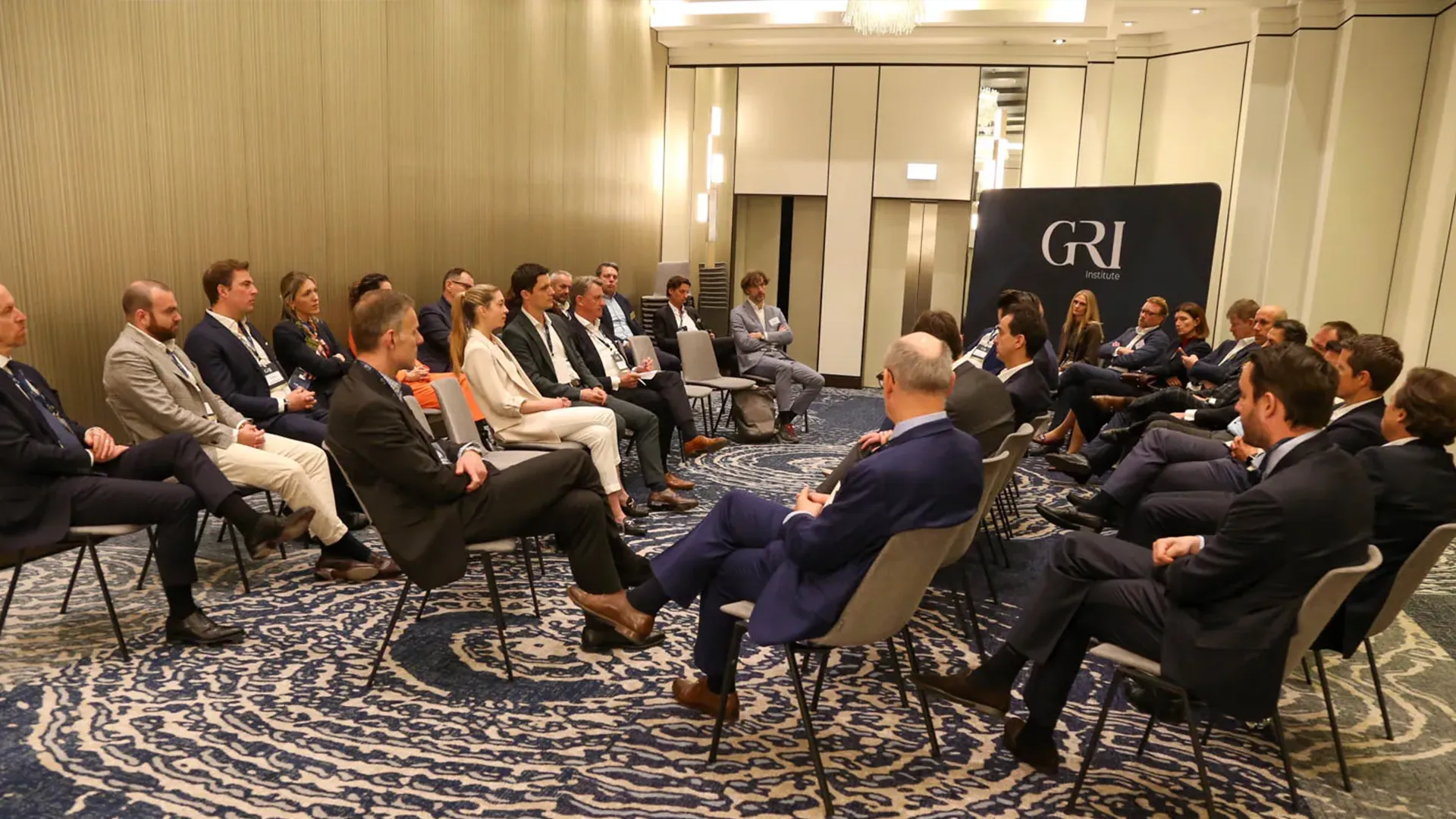
Rising financing costs, acute supply-demand imbalances, and regulatory friction are currently stifling new residential construction and forcing a pivot toward compact, community-focused design. (GRI Institute)
Opportunistic & Value Add Strategies
The German real estate market is transitioning from a period of stagnation into a more active phase characterised by renewed capital inflows and a shift in investment strategies. Modern opportunistic investing focuses less on market-wide yield compression and more on operational excellence and active asset management to drive value.High construction costs have made new developments largely unviable, leading investors to prioritise the repurposing of existing stock as the primary path forward. This situational approach allows for value creation through quick action in distressed environments or by addressing specific operational risks that were overlooked in previous cycles.
Investors are increasingly targeting sectors with resilient cash flows, such as residential and food-anchored retail, to balance portfolios containing riskier development or refurbishment assets.
While the office sector is not considered dead, it has become highly bifurcated; only prime, ESG-compliant assets in top locations remain bankable, while secondary properties face significant refinancing hurdles. Converting obsolete office space into residential units is often technically difficult and expensive, frequently resulting in demolition and reconstruction rather than simple adaptation.
A significant advantage in the European market is the prevalence of lease structures indexed to CPI, which provides reliable annual income growth in an inflationary environment.
The financing landscape is currently dominated by the need to manage imminent refinancings from the market peak, with banks tightening guidelines for new developments regarding pre-letting and equity requirements.
A critical shortage of core capital persists as domestic institutional investors, particularly pension schemes, remain over-allocated to real assets and must de-invest before re-entering the market.
Macroeconomic pressures, including elevated energy prices and shifting global trade relationships, continue to weigh on the broader economy, leading some international capital to seek opportunities in Southern European markets including Spain and Italy.
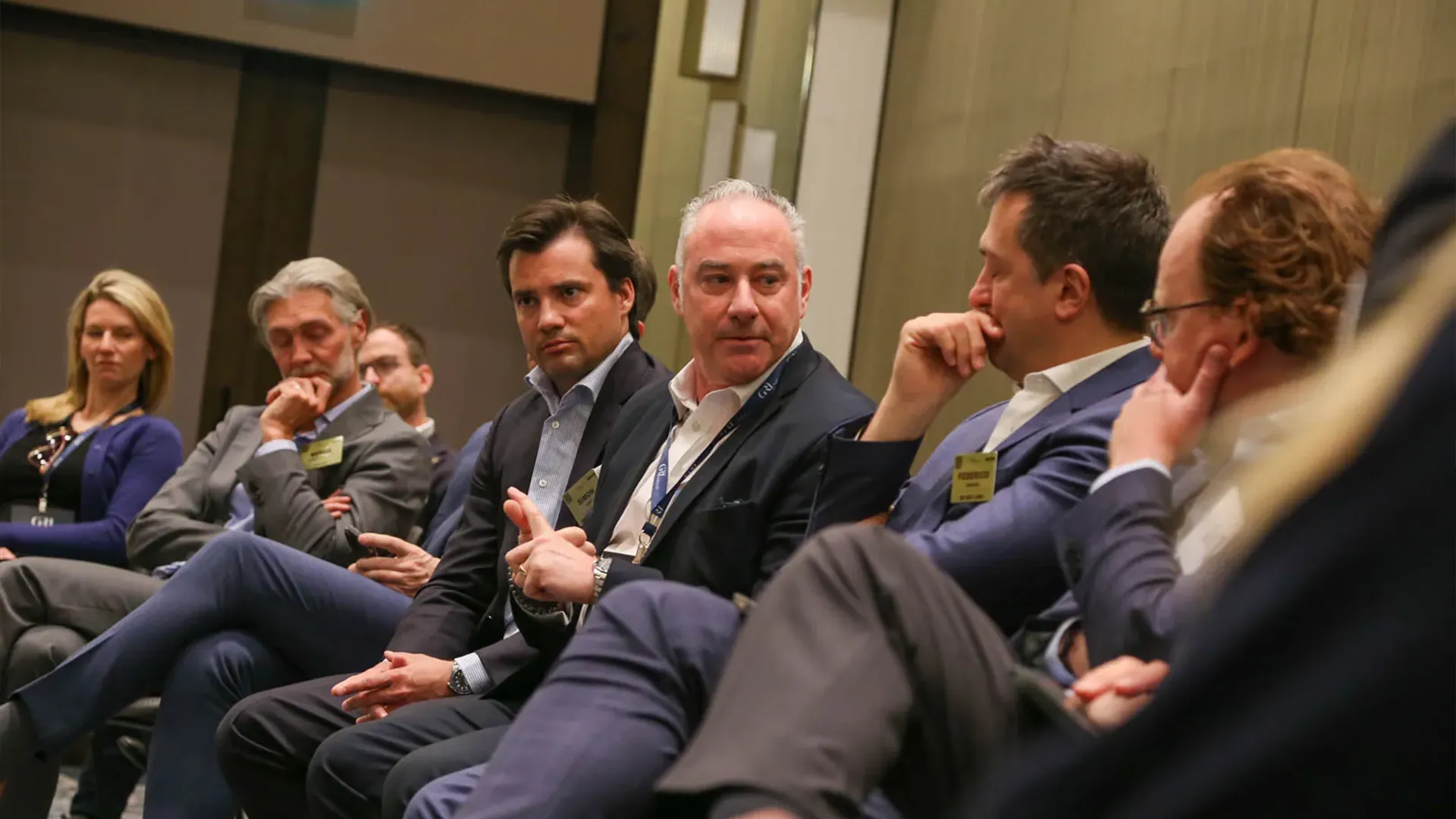
Prioritising operational excellence, the repurposing of existing stock, and resilient cash flows in the residential, food-anchored retail, and prime office sectors define current value-add strategies. (GRI Institute)
Beds, Boxes, and Bytes
Logistics remains a high-conviction sector underpinned by strategic shifts in global supply chains, although recent rapid growth is beginning to moderate. Investors increasingly favour the "mid-box" segment - focused on fulfillment and convenience - over the "big-box" category, which is often considered too binary due to a limited tenant pool.Compared to the complexities of the office and retail sectors, logistics is viewed as a simpler, more liquid asset class that allows for quicker construction and exit strategies.
While competition for land is intensifying, particularly from the residential and hospitality sectors, the inherent undersupply of modernised logistics space continues to support fundamentally sound investment cases.
The operational landscape is evolving with the introduction of automation and robotics, which necessitate specific design features such as exceptionally smooth, level floors.
However, the primary constraint across Europe is the availability of power and the lack of robust transmission and distribution networks required for large-scale electrification and robotics.
Scarcity of greenfield land has shifted the focus toward brownfield development, where existing industrial zoning allows for 24-7 operations despite the added risks of remediation and unexploded ordnance, which can cost upwards of EUR 350,000 per finding.
Additionally, there is a growing niche for light industrial business parks that cater to craftsmen and small enterprises, offering high tenant granularity and integrating sustainable features such as solar energy and e-mobility infrastructure.
The market outlook is defined by a persistent bid-offer spread, suggesting that further repricing is necessary for values to align with current interest rate environments. While prime locations in major cities such as Munich, Hamburg, and Frankfurt maintain exceptionally low vacancy rates, other regions face rising vacancy levels due to oversupply.
Demand is increasingly influenced by strategic on-shoring and re-shoring efforts as businesses seek to build larger storage cushions against supply chain disruptions.
Although rental growth is decelerating from the peaks seen in 2022, the lack of new development activity is expected to keep leasing demand strong for well-located, standing assets.
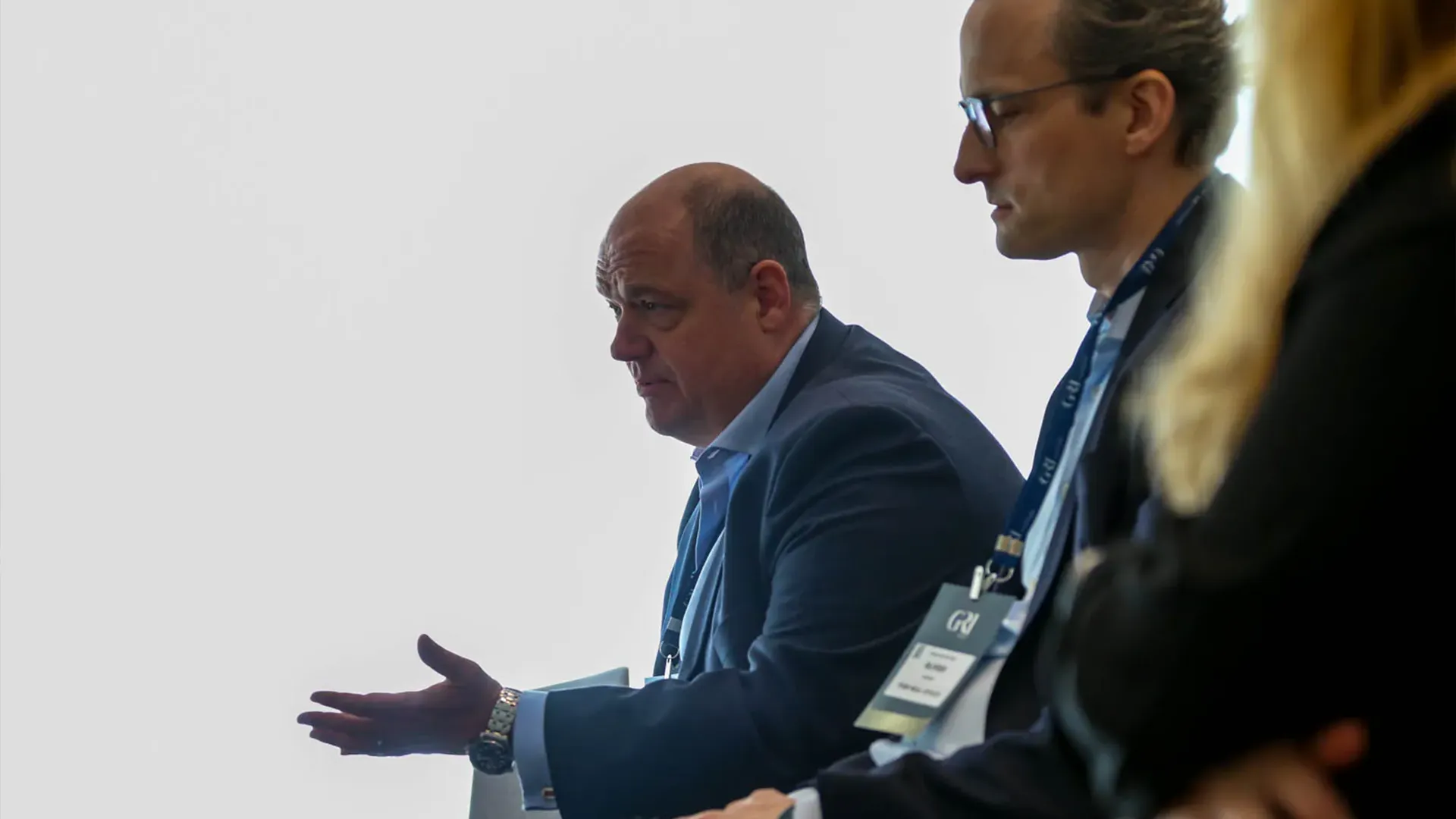
Strategic reshoring and brownfield redevelopment are driving the shift toward mid-box logistics despite critical power constraints, remediation risks, and the need for further repricing. (GRI Institute)
Alternative Hospitality
The serviced apartment sector has reached a significant milestone where leisure demand has outpaced business travel for the first time. While business travel remains a key factor, it has become more selective and disciplined, especially given the increased use of virtual meeting technologies.This transition is also driven by a younger guest demographic who prioritise digital convenience and local infrastructure over traditional hotel amenities.
There is a corresponding preference for shorter stays and a decline in traditional food and beverage requirements, as modern travellers often choose local bakeries or external dining options instead of paying for on-site services.
At the same time, operating models are becoming increasingly lean and automated, focusing on room products while centralising administrative functions such as revenue management and bookkeeping to enhance profitability. This structure allows for expansion into secondary and regional cities where operators can capture demand without the high overheads associated with traditional hospitality.
The financial profile of these assets often combines hotel-level top-line revenue with the lower operating costs characteristic of residential real estate, resulting in rent coverage ratios between 1.4 and 1.8.
Despite the resilience of this segment, traditional lease structures remain the standard in European markets because banks and institutional investors frequently require passive income streams and face regulatory constraints regarding management contracts.
The conversion of vacant office space into alternative hospitality products is also a prominent market trend, though successful implementation occurs at a relatively low rate of approximately 1%.
Primary barriers to these projects include prohibitive building acquisition costs and complex technical requirements, such as deep floor plates that may better suit co-living arrangements than standard studios.
Yields for these assets generally vary between 4.5% and 7.5%, with a premium often applied to account for the operational nature of the investment. However, serviced apartment models are increasingly viewed as more resilient during economic downturns due to their lower occupancy break-even points and the ability to pivot between short-term leisure and long-term corporate stays.
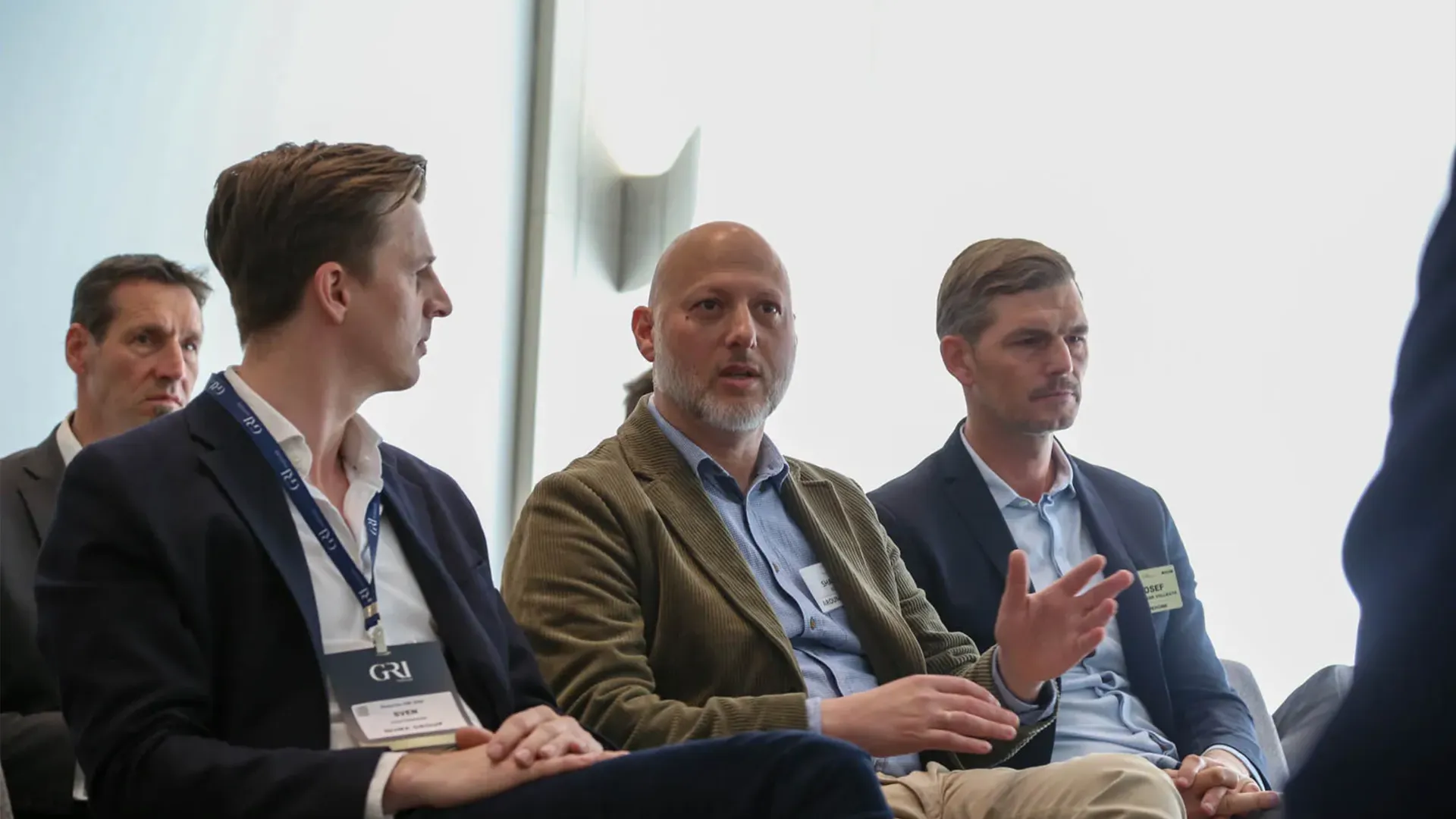
The alternative hospitality sector is seeing serviced apartments thrive as leisure demand outpaces business travel, leveraging automated lean models despite high office-to-hospitality conversion hurdles. (GRI Institute)
New Ways of Living
The German housing market is undergoing a structural shift as "New Ways of Living" concepts, including Purpose-Built Student Accommodation (PBSA), co-living, micro-living, and senior housing, increasingly attract institutional capital.These segments function as complementary channels to the core affordable housing market, providing specific solutions for mobile demographics such as international students and young professionals.
Senior living is also evolving away from isolated nursing homes toward integrated urban districts that support self-determined, independent lifestyles while offering flexible, inpatient-care options as needs change.
While these serviced residential models carry higher operational complexity and day-to-day risk compared to traditional housing, they offer a yield premium and have proven resilient during periods of economic uncertainty.
Prosperity in these specialised sectors is heavily reliant on achieving economies of scale and delivering a cohesive service package rather than just physical space. For instance, in the student sector, the importance of amenitisation (or “hotelification”) has shifted significantly, with gyms now ranking as a top priority for residents despite being overlooked a decade ago.
Because existing stock for these modern concepts is scarce, many institutional players must act as developers or undertake complex office-to-residential conversions to build their portfolios. These projects are often case-specific and highly dependent on location-based returns on investment, especially given the higher construction costs and regulatory hurdles associated with alternative living products.
Additionally, technological innovation and digitisation are increasingly employed to drive efficiency, with the goal of lowering costs in maintenance, invoice processing, and rental accounting. By automating standardised business processes, operators aim to increase the number of units managed per employee, thereby boosting the net operating income.
However, some elements of the room product remain intentionally low-tech to avoid rapid obsolescence and ensure that students or seniors can easily operate essential systems such as heating.
At the same time, high-quality on-site personnel remain vital, as the intrinsic motivation of staff often plays a more critical role in guest satisfaction and long-term brand loyalty than purely digital solutions.
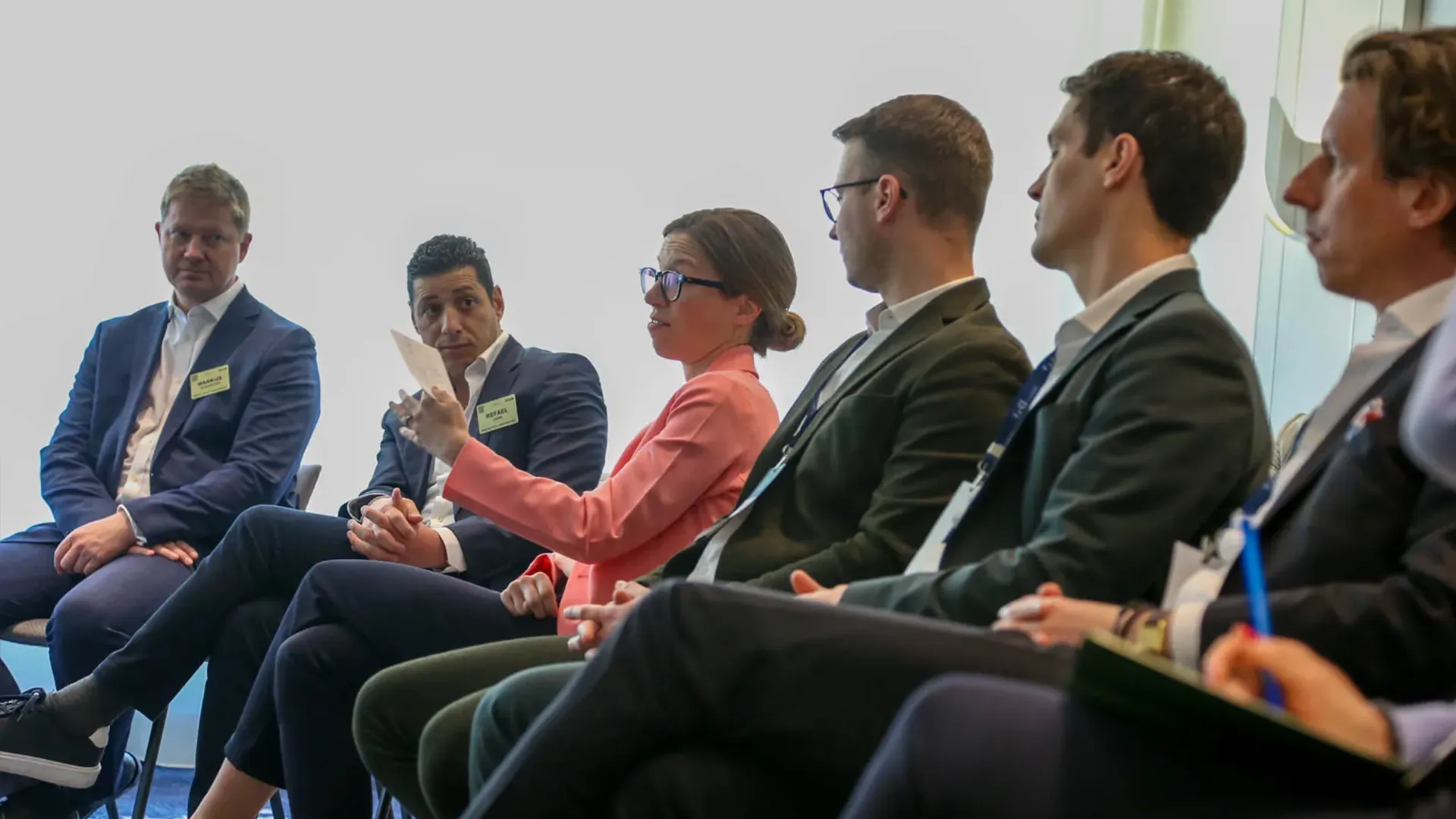
Institutional capital is increasingly targeting student and senior housing, where yield premiums are secured through a mix of digital efficiency, operational scale, and high-touch personal service. (GRI Institute)
Data Centres in Deutschland
Data centres have transitioned from a niche asset class to a critical component of digital infrastructure, increasingly competing with residential, logistics, and office sectors for capital within value-add funds, though the entry threshold remains high at approximately EUR 15 million per megawatt.While traditionally managed by specialised operators, the sector is seeing significant investment from large private equity and infrastructure funds that develop their own platforms to capture attractive operational cash flows.
Investors typically seek a risk premium for these assets, targeting internal rates of return between 15% and 25% to account for the technical complexity, long delivery times, and high concentration of capital.
Site selection is dictated by the intersection of grid capacity, land availability, and fibre-optic connectivity. While established hubs remain dominant, severe power constraints are driving a shift toward secondary markets - particularly in regions with robust industrial energy legacies or specific political support for digital structural change.
Securing energy is the most significant development risk, with timelines for grid connection often ranging from three to ten years.
Developers must prioritise speed to market to meet tenant demands, yet they face challenges from municipal authorities regarding local employment, trade tax contributions, and the visual impact of large-scale campuses.
Sustainability and energy efficiency have become central regulatory and operational requirements. Modern facilities must increasingly utilise renewable energy, implement closed-loop water cooling systems, and provide solutions for waste heat recovery to support local heating networks.
Furthermore, technical designs must be flexible enough to accommodate rapid shifts in technology, such as the transition from air-cooled cloud storage to liquid-cooled artificial intelligence infrastructure.
Beyond technical factors, the push for digital sovereignty is driving demand for regional facilities to ensure compliance with local data protection laws and to avoid the jurisdictional reach of foreign legislation, such as the US Cloud Act.
► For more insights, join us at GRI Data Centres 2026 online on 17th June - details here
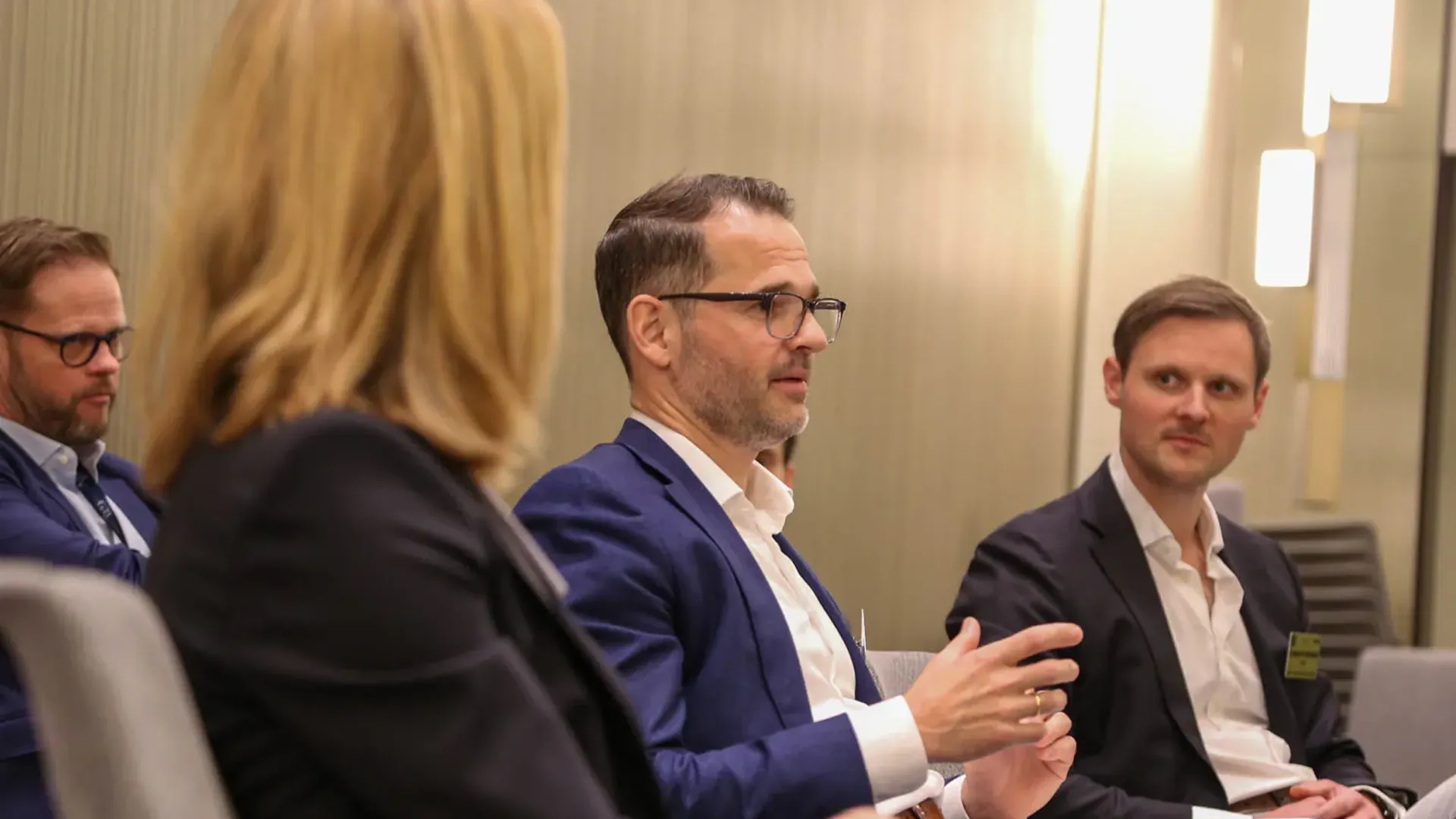
Digital sovereignty and AI requirements are turning data centres into a critical asset class, requiring significant capital and sustainable power solutions to meet surging regional demand. (GRI Institute)
Funding the Deal
The real estate market has undergone a significant repricing over the past 18 to 24 months, resulting in lower leverage, selective liquidity, and more disciplined capital deployment.Banks are currently focused on core and core-plus assets in prime locations, showing a strong preference for CBD offices and resilient sectors including food-anchored retail and German retail parks.
Requirements for asset quality have sharpened considerably, with lenders now scrutinising ESG compliance, capital expenditure needs, and the professional track record of sponsors more intensively than in previous cycles.
Regulatory changes, specifically the implementation of CRR III (Capital Requirements Regulation III, also known as Basel IV), have increased the risk-weighting for development loans from 100% to 150%, making banks increasingly reluctant to finance new construction.
Consequently, alternative lenders and debt funds are filling this void by providing flexibility for complex business plans, and meeting tight execution timelines that traditional lenders cannot accommodate.
Although private credit remains more expensive, its relative cost-competitiveness has improved as bank margins have increased alongside rising base rates. This shift has encouraged a more diverse capital landscape, where insurance companies, investment banks, and debt funds frequently participate in syndicated transactions alongside commercial banks.
A persistent funding gap of 10-20% remains a significant hurdle, as many historical deals are now over-leveraged and difficult to refinance under current market conditions.
The market is also experiencing a valuation standoff, where a lack of transactional data creates a disconnect between reported book values and actual market bids, which can be 10-15% lower. While some owners have attempted to "extend and pretend," regulatory pressure is mounting to force more realistic revaluations and write-offs.
Long-term stability is now heavily dependent on achieving interest-rate certainty, improving productivity, and addressing concerns regarding the broader industrial competitiveness of the German economy.

Lenders are prioritising prime ESG-compliant assets while stricter capital regulations and a persistent funding gap drive a shift toward flexible private credit and alternative debt funds. (GRI Institute)
Strategic Capital Partners
The investment cycle in Germany is currently defined by an ongoing period of price discovery, with institutional and private investors expecting further devaluations before reaching a stable market bottom.A significant challenge remains the gap in the capital stack, which frequently necessitates more expensive alternative credits or mezzanine financing to bridge the distance between traditional bank lending and equity requirements.
Despite local economic pressures, Germany continues to be viewed as a safe haven relative to global markets such as the US, where political uncertainty and currency fluctuations pose risks, or Asia, where growth is heavily influenced by regional geopolitical tensions.
Investment strategies for the next 18 months are shifting toward active value-add through repositioning and operational improvements, rather than relying on market-wide yield compression.
- While residential assets remain highly attractive due to supply shortages in metropolitan areas, some investors express caution regarding long-term demographic shifts that could eventually dampen demand.
- The office sector is perceived as being over-punished, offering potential for those focused on premium CBD locations or conversions to specialised residential products.
- Retail remains highly bifurcated, with luxury high-street assets and food-anchored properties showing resilience, while secondary mass-market shopping centres continue to suffer from structural obsolescence.
Institutional return expectations vary significantly, with insurance companies often prioritising cash-on-cash yields of 4% to 6% for long-term capital preservation, while active family offices may target liquid public market returns exceeding 14%.
ESG has evolved from an optional premium into a basic requirement for any institutional financing or exit. Mandatory capital expenditure is now frequently required to avoid stranded assets, as properties with poor energy ratings face limited refinancing options and significant brown discounts during sale processes.
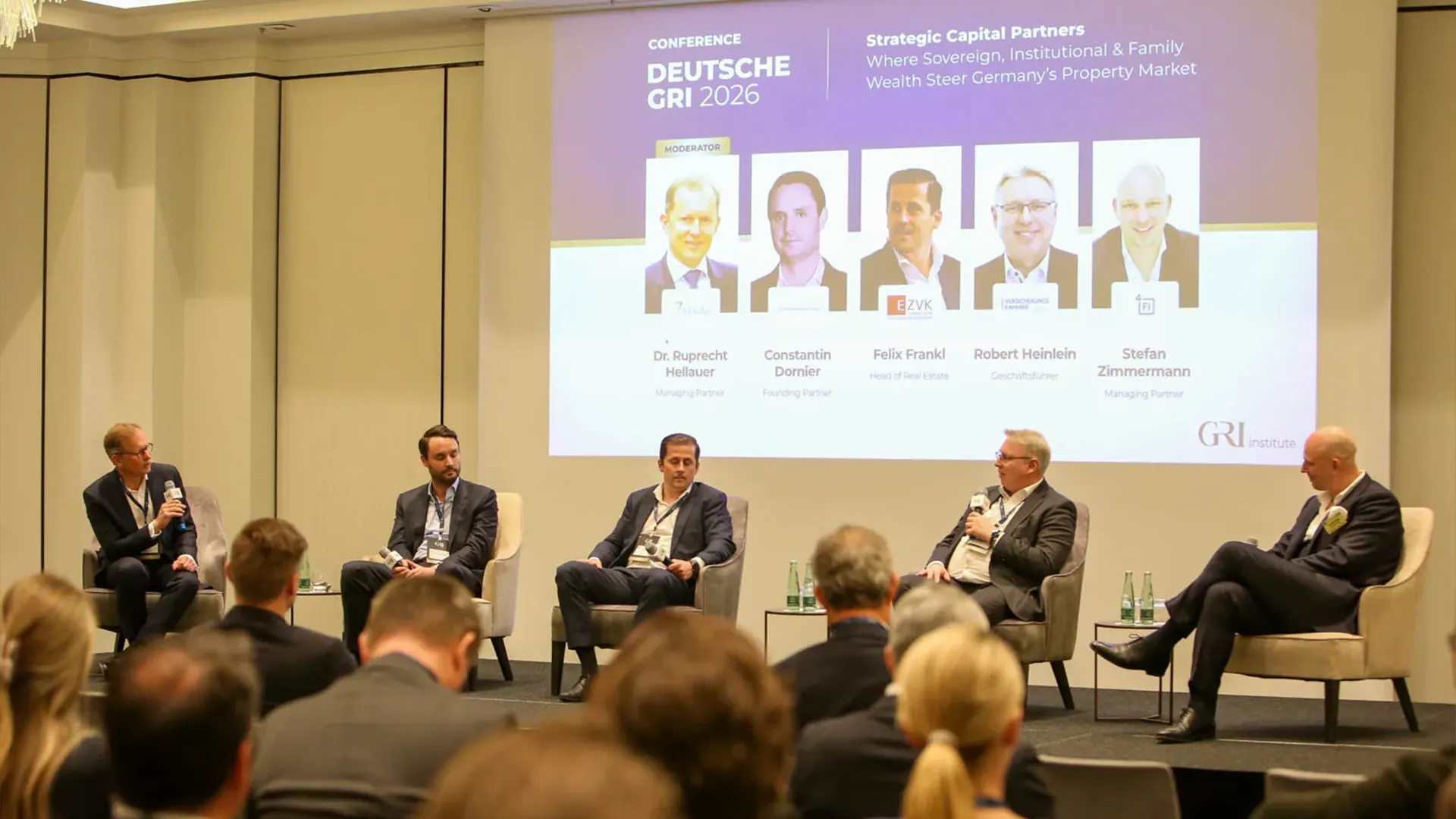
As Germany cements its safe-haven status, investors are bridging gaps via debt, value-add strategies, and ESG-led repositioning to drive long-term institutional returns. (GRI Institute)
Joint Ventures & M&As
The German real estate market has transitioned from a period of straightforward institutional acquisitions to a climate requiring creative partnerships to navigate increasingly complex risks.Large listed entities that previously dominated through aggressive M&A are now pivoting toward joint ventures as a primary tool for balance sheet repair, utilising "structured equity" as a strategic substitute for expensive debt.
Concurrently, smaller and mid-sized investment managers are shifting their business models toward advisory and restructuring services to assist new capital in identifying turnaround situations and managing existing portfolios.
The internal dynamics of these partnerships often involve a "money meets know-how" structure, where local developers or specialised managers contribute operational expertise while institutional partners provide the majority of the capital.
Compensation structures are modular and subject to intensive negotiation, involving hurdle rates typically between 8% and 10%, along with promotes that vary based on the equity stake contributed by the operating partner.
A significant hurdle for these ventures is the current disconnect between financing costs and asset yields; with senior debt rates exceeding 4% and prime residential book values sometimes yielding only 3.5%, establishing a viable price range for new transactions is exceptionally difficult.
There is also an accelerating trend toward the use of fully integrated management platforms that provide services across the entire value chain, encompassing property management, asset management, and specialised technical services.
Major property owners are increasingly looking to leverage their established internal platforms by offering management services to third-party investors, thereby enhancing operational efficiency and diversifying revenue streams.
Future opportunities in this sector are expected to arise from discounted debt buyouts and the acquisition of re-evaluated land banks, as well as strategic repositioning to capture alpha in a high-interest-rate environment.
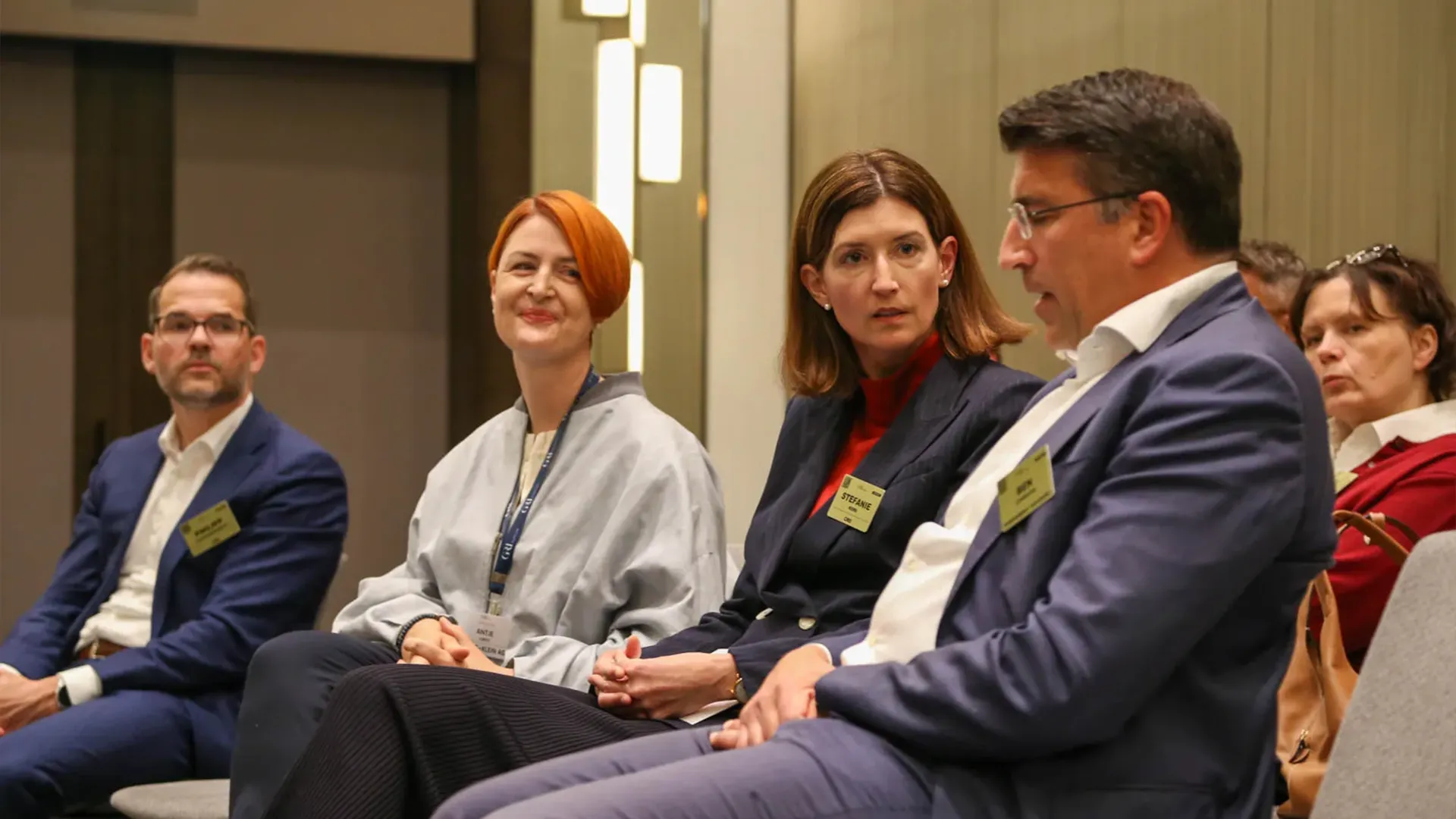
Joint ventures and structured equity are replacing traditional M&A to repair balance sheets, pair capital with local expertise, and drive platform-led operational efficiency. (GRI Institute)
Hospitality in Germany
The hospitality sector is currently navigating significant operational headwinds, including residual post-pandemic liabilities and sharp increases in service costs for cleaning, energy, and labour.Several operators have recently faced insolvency, often due to an inability to manage these costs alongside a 30-40% increase in room supply in specific markets over the last six years.
While demand is returning, it has become highly segmented; traditional airport-proximate hotels are suffering in some regions due to shifting infrastructure, while secondary and tertiary locations remain viable by targeting niche leisure or domestic conference demand.
Achieving high average daily rates remains a challenge within the domestic market, particularly for the luxury segment where profitable performance often depends on international feeder markets and direct flight connectivity from the US or the Middle East.
Consequently, investors are becoming more selective regarding operating models, increasingly moving away from pure rental agreements toward white-label structures or contracts with performance-based components.
Brands that maintain control over their own distribution channels and limit their exposure to expensive third-party booking platforms - which can cost up to 30% of top-line revenue - are seen as the most resilient during economic downturns.
New hotel development has stalled as financing conditions have tightened, with many lenders now capping loan-to-cost ratios at 50%.
While converting obsolete office buildings into hospitality assets is frequently discussed, the extreme technical complexity and high renovation costs often render these projects economically unfeasible.
Looking forward, the market is expected to focus on high-efficiency concepts such as serviced apartments or capsule hotels that maximise revenue per square metre, particularly as municipalities across Europe increase regulatory pressure on short-term residential rental platforms.
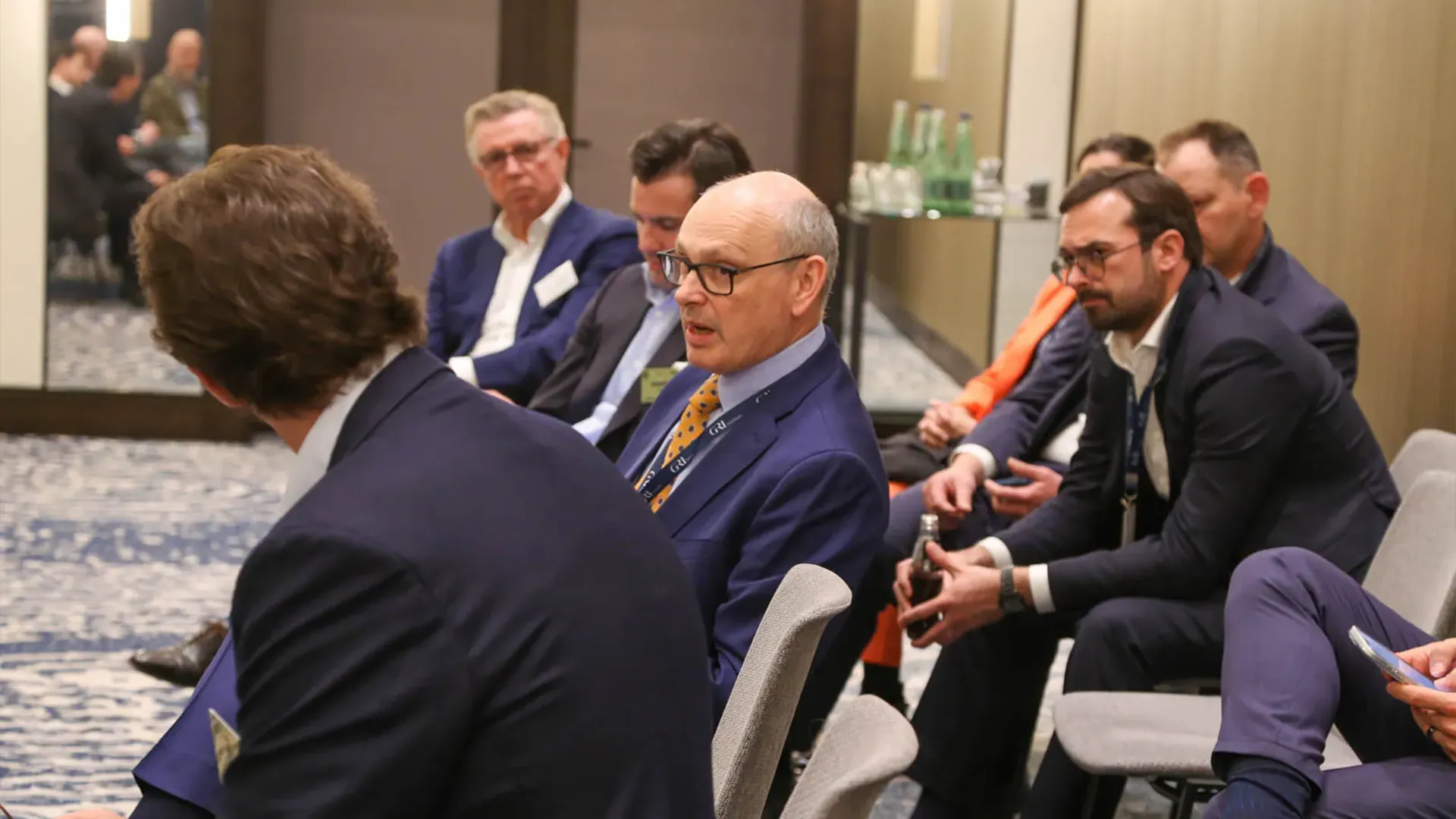
Rising operational costs and supply growth are forcing German hospitality players to shift toward performance-led models, high-efficiency concepts, and resilient serviced apartment formats. (GRI Institute)
Conclusion
Ultimately, the German market is moving past the initial shock of higher rates and returning to the brass tacks of real property fundamentals.This shift marks the end of the era of passive growth, replacing it with a landscape where technical grit, local agility, and genuine operational skill are the only ways to stay bankable. While the current repricing process is undeniably painful, it is stripping away the fluff to leave a more disciplined market that prioritises long-term utility over financial engineering.
For those with the stamina to bridge the remaining liquidity gaps, the future lies in treating real estate as a sophisticated, service-led infrastructure rather than just a quiet place to park capital.
► Check out the Deutsche GRI 2026 C-Circle Gathering report for more insights
► A full analysis of the Deutsche GRI 2026 Survey results are available here
These insights were shared during the discussions at Deutsche GRI 2026.