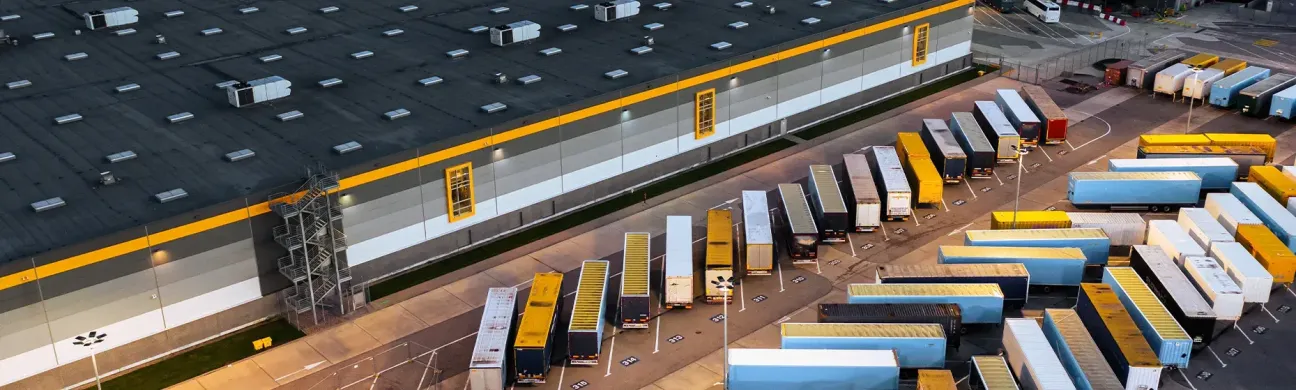
 Credit: Adobe Stock
European Logistics Real Estate 2026: Navigating the yield gap, power crunches, and the flight to quality
As logistics development hits a nine-year low and energy security dictates value, we explore the sector's shift from volume to volatility
February 10, 2026Real Estate
Written by:Helen Richards
Key Takeaways
- With new completions hitting a nine-year low, the current lack of logistics development is creating a defensive moat for existing assets.
- Grid capacity and energy self-sufficiency have replaced mere postcodes as the primary drivers of long-term asset liquidity.
- Established portfolios are currently trading at a significant discount compared to the soaring costs of new construction.
The European real estate market is currently a study in contrasts. While 2025 saw a resurgence in investment volumes across most asset classes, the industrial and logistics sector - the darling of the pandemic era - is navigating a period of structural recalibration.
For the strategic investor, the current climate is less about a broad-based gold rush and more about surgical precision and operational excellence.
However, beneath the surface of this investment lull lies a powerful fundamental: the replacement cost advantage. With construction costs soaring by approximately 30% over the last two years, existing portfolios are now trading at a significant discount to what it would cost to build them today. For asset owners, this provides a formidable defensive moat against new competition.
Speculative development has all but vanished, even in historically active markets like Poland and Spain, and by the second half of 2026, rolling completions are expected to hit a nine-year low. This scarcity will likely act as a floor for rents, though growth is expected to be modest, with prime rental increases forecasted at roughly 1.8% for the year.
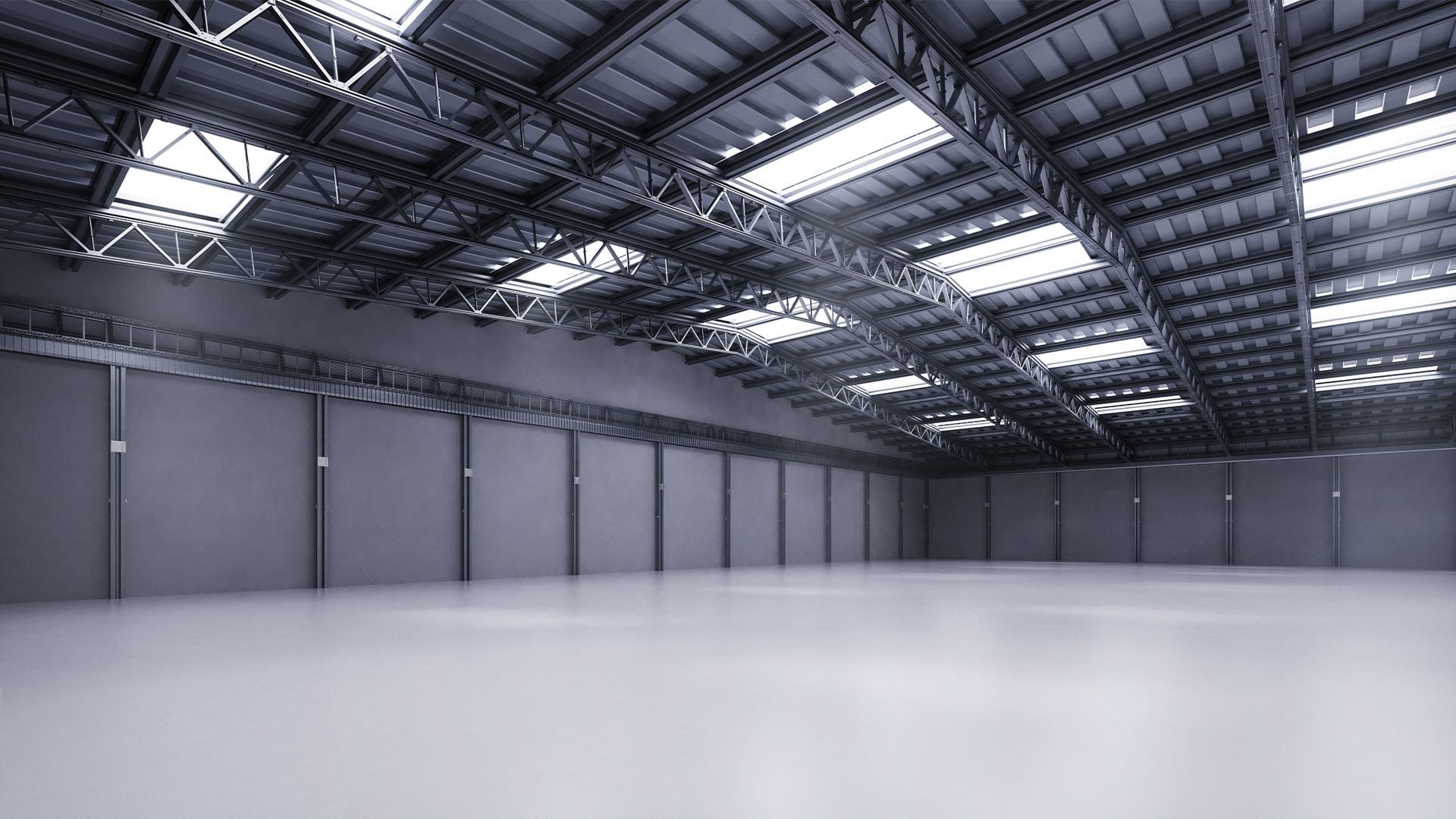 Flexible mid-box units in urban locations are consistently outperforming their larger counterparts as agility and last-mile efficiency take precedence over sheer square footage. (Credit: Adobe Stock)
Once the industry standard, big-box giants are now struggling as economic stagnation in Germany and the UK has made large-scale leasing a heavy lift, with occupiers hesitant to commit to massive regional hubs.
In contrast, the sector is pivoting towards urban logistics, where proximity to the consumer has become the ultimate currency. Flexible mid-box units in urban locations are consistently outperforming their larger counterparts as agility and last-mile efficiency take precedence over sheer square footage.
For the modern investor, the map of Europe is no longer a uniform sea of opportunity, but a patchwork of highly localised demand.
With European electricity grids reaching maximum capacity, the ability to secure energy for increasingly automated, power-hungry warehouses has become a critical bottleneck.
A surge in off-grid solutions and on-site renewable energy generation is expected, as logistics developers directly compete with data centre operators for land and power, driving up costs and lengthening timelines.
Looking ahead, the potential of AI and quantum computing to optimise supply chains could fundamentally reshape where companies choose to locate their hubs, conceivably rendering traditional prime locations less relevant in favour of nodes that offer better technological infrastructure.
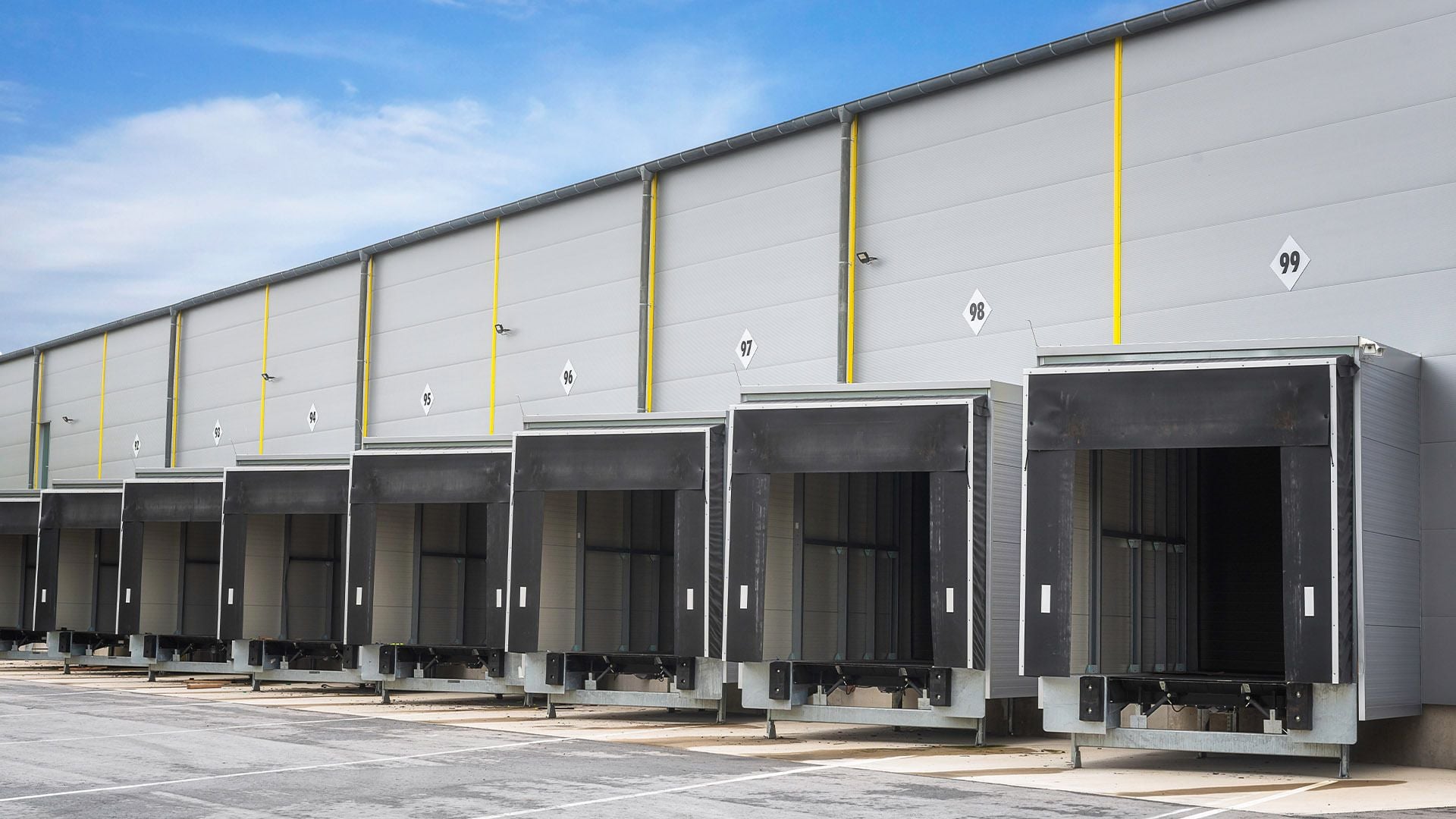
Flight to quality 1.0 was largely dictated by postcode prestige and basic modern aesthetics, while in this new 2.0 era, the definition of quality has shifted from how a building looks to how it functions under immense operational pressure.
True grade-A assets are now judged by their structural resilience - specifically their access to substantial power loads and their ability to withstand energy grid volatility. With European grids reaching maximum capacity, the ability to secure energy for robotics and electric fleets has become the industry's most critical bottleneck.
Consequently, occupiers are aggressively shedding obsolete, power-poor assets in favour of future-ready nodes that can support the heavy technological demands of AI-integrated supply chains. This is not just a change of address; it is a fundamental shift toward assets that can guarantee operational continuity in an increasingly constrained environment.
For investors, the opportunity lies in the gap, as the spread between prime assets and the rest of the market widens. Repositioning older, well-located properties to meet modern ESG and power requirements may offer the highest risk-adjusted returns in a market that is increasingly defined by quality over quantity.
For investors and developers, the path forward lies in identifying the future-ready nodes: assets that don't just offer square footage, but provide the power, tech infrastructure, and strategic proximity required by a modernising supply chain.
Those who can navigate this structural recalibration today will be best positioned to capture the value of a leaner, smarter logistics landscape in 2027 and beyond.
Read more high-level industry insights in the full GRI Chairmen’s Retreat Europe 2026 Spotlight report.
For the strategic investor, the current climate is less about a broad-based gold rush and more about surgical precision and operational excellence.
The Yield Gap
Despite the welcome relief of cooling interest rates, logistics yields have remained stubbornly wide. This sticky pricing has created a disconnect between improved financing conditions and investor appetite. While other sectors like retail and offices have repriced aggressively enough to look attractive again, logistics is battling a wait-and-see approach from core institutional capital.However, beneath the surface of this investment lull lies a powerful fundamental: the replacement cost advantage. With construction costs soaring by approximately 30% over the last two years, existing portfolios are now trading at a significant discount to what it would cost to build them today. For asset owners, this provides a formidable defensive moat against new competition.
The Supply Squeeze
If there is a primary catalyst for optimism, it is the supply pipeline. After two years of muted development activity, the European industrial and logistics sector is approaching a supply-demand equilibrium.Speculative development has all but vanished, even in historically active markets like Poland and Spain, and by the second half of 2026, rolling completions are expected to hit a nine-year low. This scarcity will likely act as a floor for rents, though growth is expected to be modest, with prime rental increases forecasted at roughly 1.8% for the year.
Flexible mid-box units in urban locations are consistently outperforming their larger counterparts as agility and last-mile efficiency take precedence over sheer square footage. (Credit: Adobe Stock)Big-Box vs. Urban Logistics
The "one size fits all" approach to European logistics no longer applies, and we are seeing a sharp divergence in performance based on geography and asset type.Once the industry standard, big-box giants are now struggling as economic stagnation in Germany and the UK has made large-scale leasing a heavy lift, with occupiers hesitant to commit to massive regional hubs.
In contrast, the sector is pivoting towards urban logistics, where proximity to the consumer has become the ultimate currency. Flexible mid-box units in urban locations are consistently outperforming their larger counterparts as agility and last-mile efficiency take precedence over sheer square footage.
For the modern investor, the map of Europe is no longer a uniform sea of opportunity, but a patchwork of highly localised demand.
The Power Play
The conversation around ESG has evolved from a "nice-to-have" marketing point to a hard-nosed financial prerequisite. But the challenge for 2026 isn't just about green certificates, it’s about power.With European electricity grids reaching maximum capacity, the ability to secure energy for increasingly automated, power-hungry warehouses has become a critical bottleneck.
A surge in off-grid solutions and on-site renewable energy generation is expected, as logistics developers directly compete with data centre operators for land and power, driving up costs and lengthening timelines.
AI and Quantum Computing
The integration of AI is no longer a futuristic concept; it is becoming a necessity to protect margins. While high-cost automation remains a hurdle for many, the long-term operational savings are becoming too significant to ignore.Looking ahead, the potential of AI and quantum computing to optimise supply chains could fundamentally reshape where companies choose to locate their hubs, conceivably rendering traditional prime locations less relevant in favour of nodes that offer better technological infrastructure.
The definition of quality has shifted from how a building looks to how it functions under immense operational pressure. (Credit: Adobe Stock)
Flight to Quality 2.0
Europe’s industrial and logistics sector outlook for 2026 suggests a wave of occupiers strategically vacating obsolete, inefficient brown assets in favour of future-ready, green, high-performance facilities.Flight to quality 1.0 was largely dictated by postcode prestige and basic modern aesthetics, while in this new 2.0 era, the definition of quality has shifted from how a building looks to how it functions under immense operational pressure.
True grade-A assets are now judged by their structural resilience - specifically their access to substantial power loads and their ability to withstand energy grid volatility. With European grids reaching maximum capacity, the ability to secure energy for robotics and electric fleets has become the industry's most critical bottleneck.
Consequently, occupiers are aggressively shedding obsolete, power-poor assets in favour of future-ready nodes that can support the heavy technological demands of AI-integrated supply chains. This is not just a change of address; it is a fundamental shift toward assets that can guarantee operational continuity in an increasingly constrained environment.
For investors, the opportunity lies in the gap, as the spread between prime assets and the rest of the market widens. Repositioning older, well-located properties to meet modern ESG and power requirements may offer the highest risk-adjusted returns in a market that is increasingly defined by quality over quantity.
The Path Forward
While 2026 may be a year of cautious growth and price discovery, the underlying fundamentals - a nine-year low in supply and a significant discount to replacement costs - provide a sturdy foundation for the next cycle.For investors and developers, the path forward lies in identifying the future-ready nodes: assets that don't just offer square footage, but provide the power, tech infrastructure, and strategic proximity required by a modernising supply chain.
Those who can navigate this structural recalibration today will be best positioned to capture the value of a leaner, smarter logistics landscape in 2027 and beyond.
Read more high-level industry insights in the full GRI Chairmen’s Retreat Europe 2026 Spotlight report.