 Credit: Freepik
2026 European Real Estate Analysis: Multi-Market Guide to Resilience and Opportunity
From London’s office conversions to Spain’s rental growth and Germany’s debt refinancing gap, explore Europe’s 2026 RE shifts
Executive Summary
Key Takeaways
- This report provides a systematic analysis of seven distinct markets - the UK, Germany, France, Spain, Portugal, Italy, and CEE - addressing the unique trends and challenges inherent to each region.
- While logistics and data centres dominate growth in Germany and Spain, the UK and France are seeing capital pivot toward operational residential sectors like student housing and co-living.
- Investors are navigating a fragmented regulatory landscape, balancing high construction costs in the UK and Portugal against complex tax and rent controls in Spain and France.
Download the PDF of this 'GRI European Real Estate Outlook 2026' report here.
Pan-European Overview
As we head into 2026, the European real estate market is navigating a complex landscape characterised by resilience, albeit cautious. The ongoing geopolitical instability, rising financing costs, and regulatory hurdles are reshaping investment strategies across the continent.Although market fundamentals are improving in prime locations, capital is increasingly targeting sectors with inherent demand-driven growth, particularly those underpinned by technological transformation and demographic needs.
Sectors
The top-performing sectors include logistics, residential, and data centres, driven by e-commerce, housing shortages, and the growing need for digital infrastructure.While logistics dominates in regions like Poland, Spain, and Germany, residential sectors - especially student accommodation, multi-family housing, and co-living - are prominent across the UK, France, and Italy, and data centres are emerging as high-demand assets in Germany and Spain, particularly given their role in supporting digital economies.
Challenges
Considering the region-wide housing crisis, Europe faces several common challenges. High construction costs and severe labour shortages persist as significant obstacles to new developments, especially in markets like the UK and Portugal.Regulatory uncertainty, particularly in housing policies and tax regimes, is making investment more unpredictable, with countries like France and Spain being most affected. The financing environment is also strained, with banks showing increased risk aversion, especially in Germany and France.
The biggest changes needed involve regulatory clarity and flexibility. Markets must adapt to the growing need for repurposing obsolete stock, particularly office-to-residential conversions, and embrace modular construction techniques to reduce costs.
Furthermore, faster, more efficient permitting processes and strategic planning to meet ESG targets are critical for ensuring sustainable, long-term growth in European real estate.
United Kingdom

Current Trends
The UK market is showing signs of both price discovery and flexibility, which positions it as an increasingly attractive target for deployment in 2026, especially as London remains a global centre for investment.
The high cost of debt and inflation risks have pushed lenders towards diversified, income-producing assets. The market remains bifurcated, with top-tier CRE assets in prime locations maintaining deep bidding pools and liquidity, while secondary stock faces significant valuation hits and looming obsolescence due to the rising costs of meeting stringent ESG compliance and net-zero pathways.
Shorter, more flexible leases, particularly in core offices and supply-constrained logistics, are being valued for their potential to allow quicker rental recovery and expose rental growth.
Opportunities
Opportunities are emerging in operational sectors with inherent pricing power and shorter lease durations, allowing rents to rebase quickly in an inflationary environment.Multi-let light industrial (MLI) is proving resilient, with small units being easier to lease and frequent tenant churn providing mark-to-market opportunities for rental uplift.
Best-in-class London buildings and prime retail in London are expected to see above-average capital growth once values stabilise. Furthermore, a strong pipeline of office-to-hotel conversions is being seen, leveraging legislative changes to repurpose obsolete commercial stock.
Rented residential, including purpose-built student accommodation (PBSA) and multi-family, remains a top investment theme due to limited new supply and structural demand.
Challenges
The UK is considered one of Europe's most complicated markets due to policy volatility and inconsistent pricing. The forward-funding market is practically non-existent, and new building regulations, specifically Gateway 2, are significantly delaying many residential developments.High construction costs and the severe labour shortage persist as major hurdles, while in the residential market, the potential for Ireland-style rent cap systems and regulatory ambiguity continue to be a concern for investors, despite the urgent need for new housing.
Germany
Current Trends
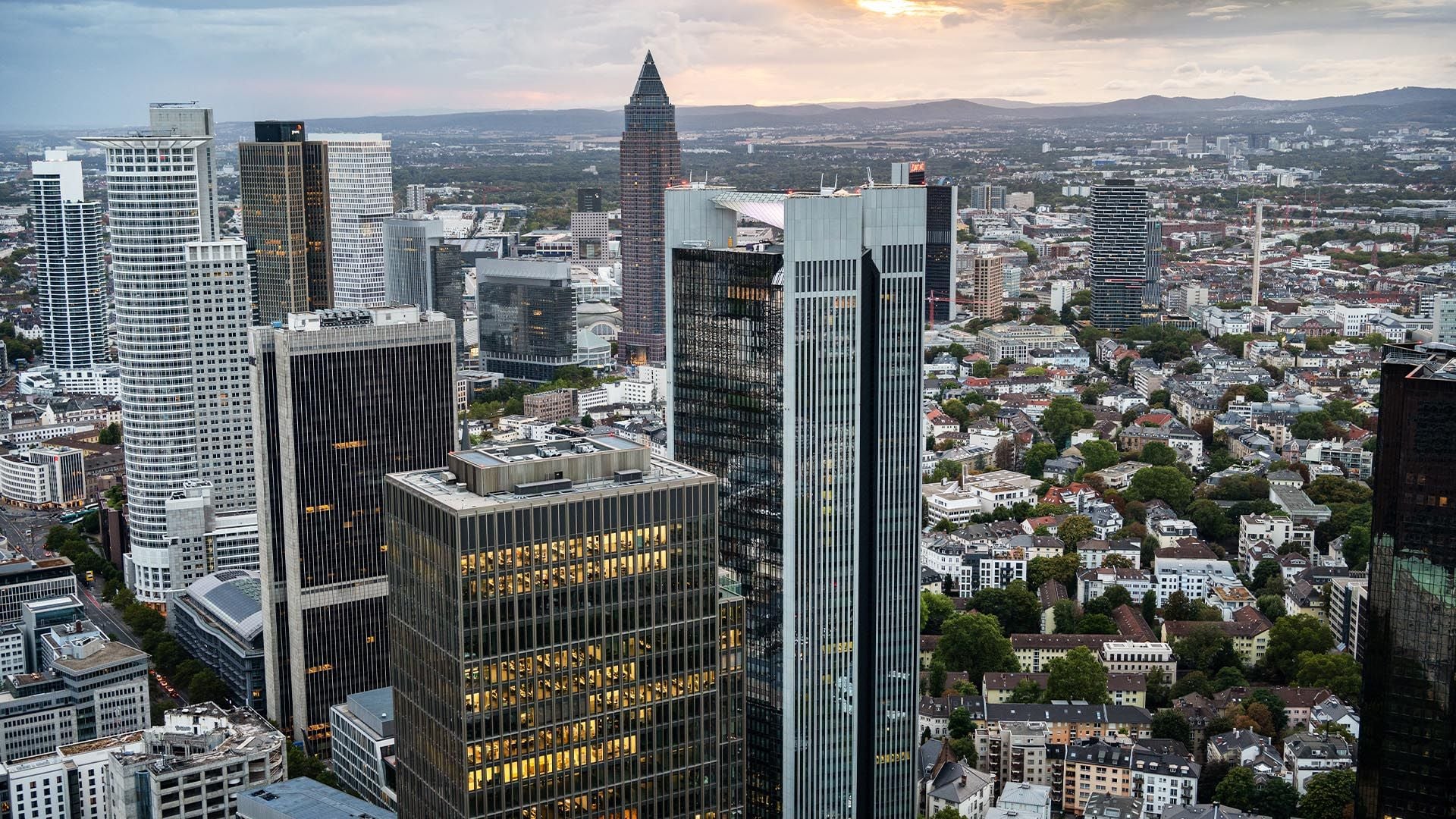
The German market is in a phase of slow but steady recovery, with a strong focus on stability and specific asset classes. Foreign investors perceive Germany to have a fundamental image problem and political uncertainty, leading some to view markets like Poland as safer for investment.The market is suffering from a significant debt refinancing gap, particularly affecting office properties, estimated at around EUR 8.5 billion in 2026. The discrepancy between sellers' high asking prices and potential buyers' conservative valuations remains a key obstacle.
Opportunities
A nuanced investment approach is favoured, targeting specific, high-demand opportunities. The residential market is highly attractive due to a chronic and ongoing housing shortage, making it a top investment theme for income and capital growth. There is potential in smaller units (30-60 square metres) and in the conversion of existing housing stock into condominiums for retail investors.Logistics assets are in focus, with the sector seeing considerable sale and leaseback activity and high demand concentrated near the German border. Data centres are the hottest topic, with Germany actively looking to simplify planning processes and remain a major hub, driven by the structural demand for digital infrastructure.
Challenges
The sentiment around the country is currently impacted by macroeconomic challenges and a perceived lack of clarity on its future economic direction. Banks are risk-averse, with longer financing processes that make development projects difficult to calculate and execute.New regulations, such as the German Energy Efficiency Act, introduce compliance restrictions for data centres, which threaten older facilities with obsolescence unless significant and cost-intensive retrofitting is undertaken.
Meanwhile, the combination of construction costs, land prices, and rents remains challenging for new residential development viability.
France

Current Trends
The French real estate market, still influenced by post-pandemic factors, a financial crisis, and rising interest rates, is facing weak investment volumes and low returns, a complete reversal from its pre-2020 state.Investment remains highly polarised, focusing almost exclusively on prime assets in the Paris QCA (Central Business District). The market requires patience, as real estate moves slower than other asset classes.
Financing has shifted from focusing on valuation to metrics like Interest Coverage Ratio (ICR) and Debt Service Coverage Ratio (DSCR), with the use of the fiducie (a French-style trust) expanding from distressed cases to regular, healthy transactions to provide flexibility and simplification.
Opportunities
Some professionals believe it is a good time to invest due to opportunities to create value, especially by redeveloping obsolete office buildings.A significant structural lack of supply in the managed residential sector, including student housing, co-living, and build-to-rent (BTR), presents substantial growth opportunities over the next five to ten years.
Meanwhile, aggregating smaller, niche assets to create a larger, more attractive platform is a key value-add strategy for sectors such as self-storage and business parks.
Challenges
The scarcity of available capital for all but the best-located, prime assets is a major challenge, leading to fierce competition and high leverage being used for these deals. Meanwhile, the impact of CRR3 (Basel IV) is expected to make real estate financing more expensive, though there is no current consensus among French banks on how to apply the new regulation.Political and economic instability in France, including the recent sovereign debt downgrade, is a concern that could deter investment from some global players, despite others arguing that asset performance is decoupled from the state's financial performance.
Spain

Current Trends
Spain is maintaining its position as a leading investment destination, with Madrid consistently ranked in the top tier of European cities for investment and development prospects. The economic recovery is strong, and the country is viewed as a safe haven for international capital.Investor interest is high in both Madrid and Barcelona, reflecting Spain's strong liquidity and growth prospects. Rental growth in the residential sector is forecast to be particularly strong in 2026, projected to rise by 5.3%.
Opportunities
The living sector remains a key focus, especially multi-family and student housing, driven by severe supply limitations and high demand. Flexible living/co-living is attracting significant investor interest, benefiting from a current lack of legislation, which allows for higher yields.Logistics is favoured due to the scarcity of suitable land and permits, creating a supply-demand imbalance, and data centres are a high-growth segment, leveraging Spain's strategic position as a connectivity gateway to Southern Europe.
Finally, proximity retail is seeing a resurgence due to stable income and lower development risk compared to other retail formats.
Challenges
Political and legislative changes, particularly concerning rent controls and aggressive tax policies, are noted as a primary risk for some foreign investors. Furthermore, the combination of high construction costs and complexity of permitting makes new ground-up development difficult, pushing investors towards existing assets and renovation.Market competition is high due to the country's popularity, which can lead to yield compression and make it difficult to achieve opportunistic returns without specific asset-level expertise. The country is also exposed to increasing physical climate risk, such as flooding, which is increasingly a "red flag" for lenders.
Portugal

Current Trends
Portugal's market is characterised by strong fundamentals, robust occupancy rates, and continually rising rents, making it attractive for core and core-plus investors. However, the strong prices mean it is not currently a source of cheap, opportunistic deals.The hospitality and retail sectors have shown a strong, constant performance, with foot traffic and sales returning to pre-pandemic figures.
However, the end of the non-habitual tax regime (NHR) is seen as a significant policy misstep that has reduced the flow of high-end financial professionals.
Opportunities
The severe supply-demand imbalance in the residential sector means that everything built is quickly sold, particularly mid-market products. Meanwhile, hospitality remains a stable investment hub, with prime assets achieving attractive yields on cost, and the market is seeing a high flow of capital.Modular construction is gaining ground as a viable solution to combat soaring construction costs, reduce complexity, and accelerate project timelines.
Opportunistic opportunities are expected to emerge in the coming 12-24 months as funds that have repositioned assets will need to divest.
Challenges
Political decisions and regulatory unpredictability are major concerns, with rent caps and the cancellation of beneficial tax schemes creating an unpredictable environment for capital deployment.The licensing and permitting process is also extremely slow, and construction costs are soaring due to the severe labour shortage and an ageing workforce.
International lenders find the market difficult due to high competition from local banks and low margins - a surprising factor for a smaller market.
Italy

Current Trends
The Italian market saw a strong increase in real estate transactions in the first half of 2025, largely driven by domestic private and family office investors, alongside improving sentiment among foreign investors.The market is characterised by a degree of political certainty, a key advantage over other currently troubled European countries, however the market structure is complex, with foreign lenders often afraid of enforcement in the legal system.
Opportunities
Italy’s hospitality sector is a major strength, with transactions making up a significant portion of the market, and a notable lack of high-quality hotels in major cities and unexplored regions like Sicily and Liguria.Retail has seen a strong comeback, with investors showing interest in dominant retail centres in secondary or tertiary cities where value can be created through active asset management. Milan's office market is also performing well, and Grade-A offices remain attractive for core investors.
Healthcare, specifically nursing homes, is seen as a significant opportunity due to the ageing population and lack of quality facilities, offering stable rental growth.
Investing in "messy situations" involving complex, family-owned assets in prime locations is seen as a successful opportunistic strategy.
Challenges
Italy has inherent complexity and execution risk, particularly in planning and development, which warrants a premium on yields for some foreign investors. The domestic market is weak, lacking liquidity and a strong presence of active Real Estate Investment Trusts (REITs).Traditional banks are not particularly active in providing real estate loans, opening space for alternative lenders despite unfavourable regulation. Experiences in the Italian market suggest that alternative lenders can sometimes be more difficult and demand stricter securities than traditional banks.
Construction costs have increased significantly since the pandemic, posing issues for projects in secondary locations where rents have not kept pace.
Central & Eastern Europe (CEE)
Current Trends
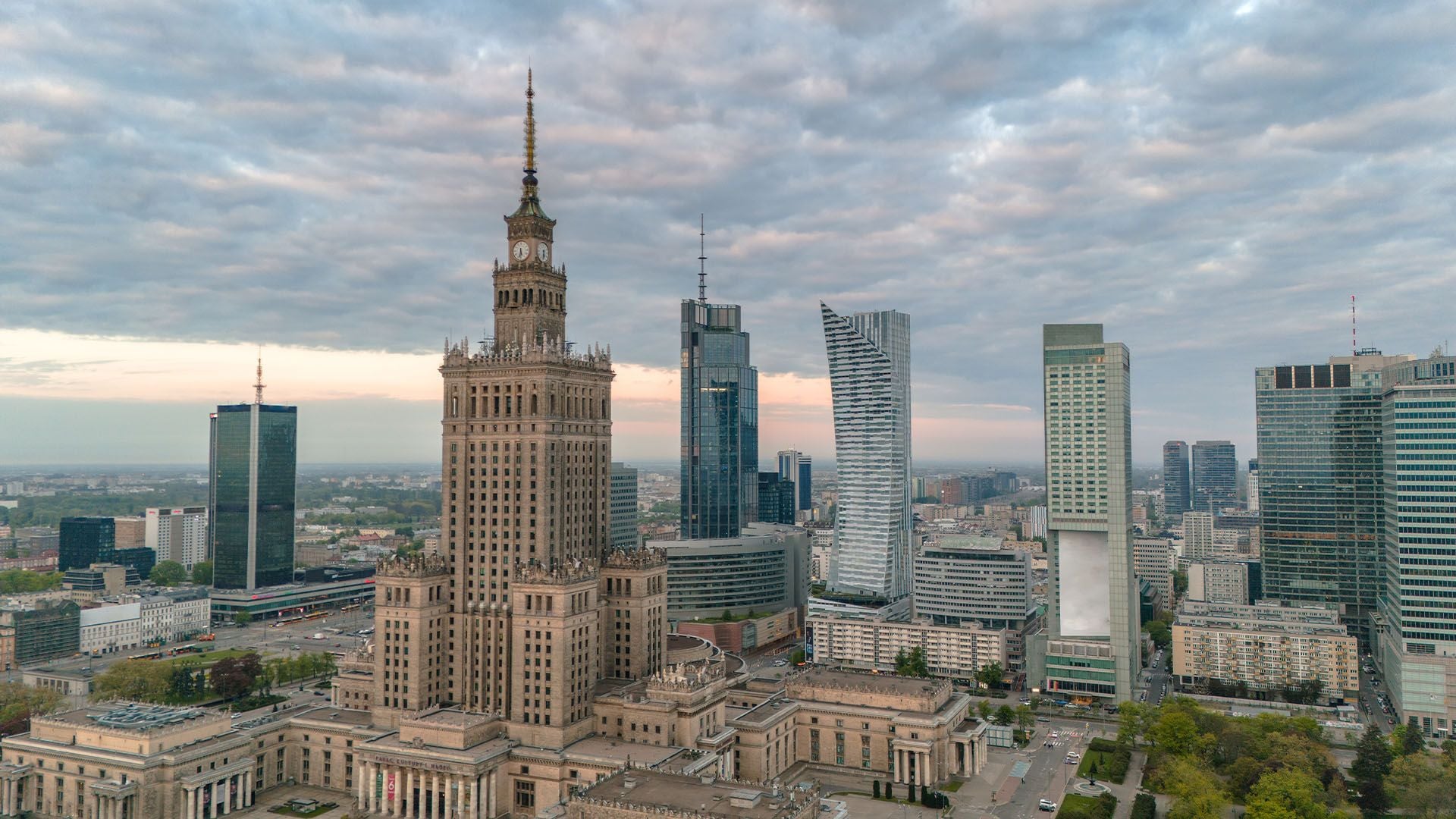
The CEE real estate market is showing signs of recovery after a period of dormancy, with strong economic fundamentals underpinning investor interest. Poland is the clear leader, with its investment activity in logistics now overtaking retail and office deals, and the city of Warsaw seen as comparable to Western European capitals in terms of transparency and liquidity.Local capital from high-net-worth individuals (HNWIs) and family funds is increasingly active in the region, buying commercial and landmark assets as a perceived safe haven.
Opportunities
The residential sector presents a massive opportunity due to a structural deficit of over a million apartments in Poland alone. Purpose-built student accommodation (PBSA) and other forms of flexible living are in high demand, with universities in Poland even doing direct deals with private companies to develop stock.Logistics continues to enjoy strong demand, particularly in Poland, driven by e-commerce and its crucial role in the European supply chains supplying manufacturing in Germany.
The retail sector is particularly active in Romania, which is seen as having a low e-commerce penetration level, leading to new developments in retail parks.
Challenges
The primary challenge in CEE is the persistent geopolitical risk perception linked to the war in Ukraine, which deters large-scale international funds and leads to demands for higher yields to compensate for perceived risk.Despite strong economic performance, the outdated perception of Poland as a former Eastern Bloc country, particularly among North American and Asian investors, presents another hurdle.
The high cost of construction and elevated interest rates remain a challenge across the residential sector, while the Czech market suffers from very high pricing in terms of yields and a small market size, limiting institutional investor volume.
Join Europe’s most prominent real estate market leaders at Europe GRI 2026 - Winter Edition, GRI Institute’s flagship event for senior real estate investors, fund managers, asset owners, lenders and developers, active in the UK, as well as those with diversified pan European portfolios across countries and sectors.