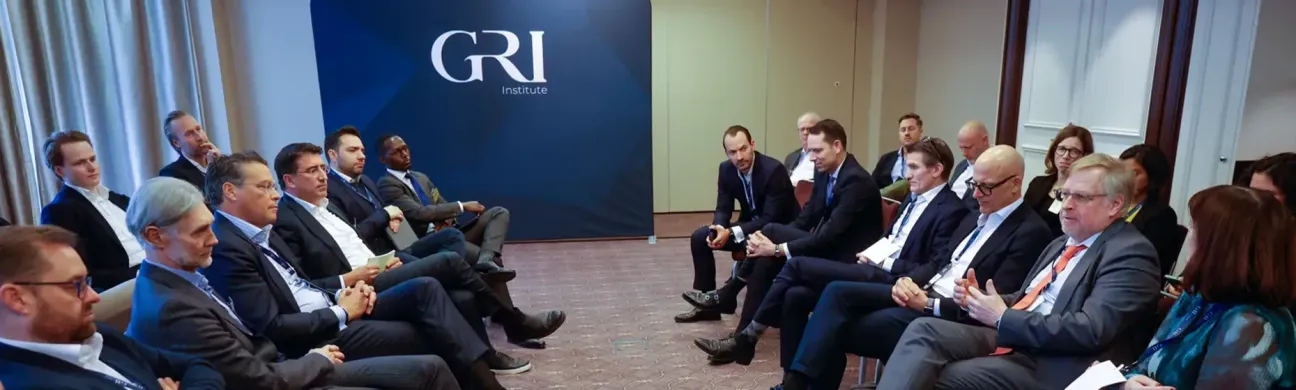
 Credit: GRI Institute
Is Core Dead? Unpacking the Future of German Residential Investment
Insights from Deutsche Wohnen GRI 2025: High costs, regulatory chaos, and the rise of operational living as a new core investment
December 2, 2025Real Estate
Written by:Helen Richards
Key Takeaways
- The German residential real estate market has shifted from passive core investments to strategies requiring active asset management and value-add approaches to achieve attractive returns due to regulatory pressure and rising costs.
- Specialised residential segments, such as operational living (e.g. student and senior housing) and ESG-focused refurbishments are becoming the preferred core alternatives.
- Despite current challenges from high construction costs and restrictive regulation, the long-term outlook remains positive, with future returns expected to be driven by rising rents and meeting the persistent structural demand for smaller, sustainable housing units.
Germany, the nation of renters boasting one of the lowest homeownership rates in the EU, presents compelling opportunities for residential real estate investment. However, as the market grapples with regulatory headwinds and ever-rising construction costs, the investment landscape has shifted away from ”easy” returns toward an environment where active asset management, strategic niche plays, and a long-term perspective are paramount.
A series of recent expert discussions at the Deutsche Wohnen GRI 2025 conference, focusing on market transition, investment strategies, supply constraints, and price dynamics, illuminated a complex yet resilient residential landscape.
Attractive returns now require active management and the creation of value. The preferred segments for investment are shifting towards:
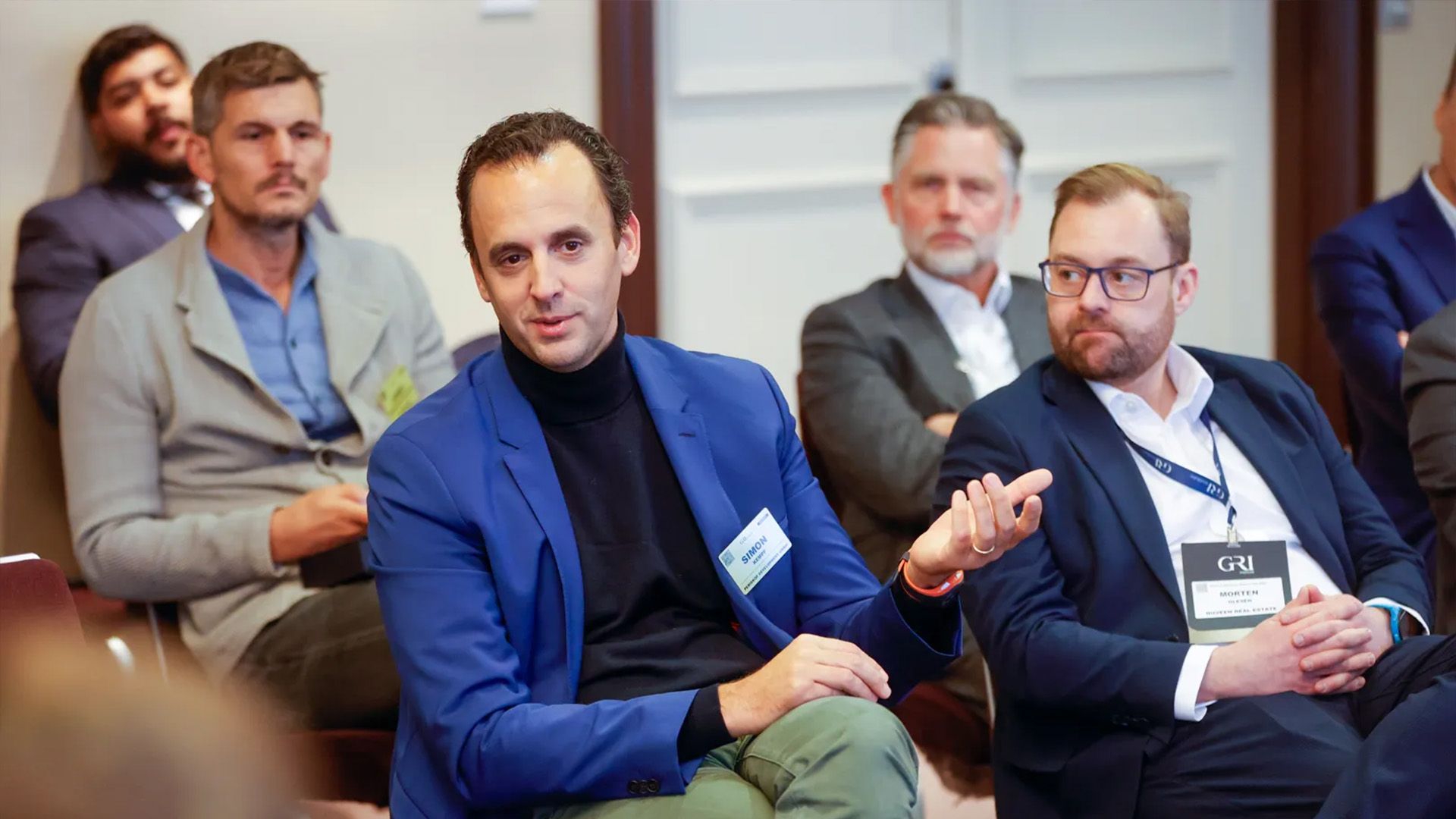 The local Milieuschutz regulation restricts changes and conversions in certain neighbourhoods, yet paradoxically, some investors view it as an opportunity. (Credit: GRI Institute)
Although some general contractors are offering lower bids in the short term to secure work, the underlying cost of materials and labour are expected to rise again, especially with the potential demands of a post-war Ukraine reconstruction effort.
Modular or serial building methods often fail to deliver a cost advantage in urban environments due to the complexity of site-specific adjustments, tight plots, and municipal design requirements, making conventional construction often cheaper. Time savings, however, remain a key benefit of serial construction, which translate into cost savings in a high-interest environment.
Land acquisition prices, while having seen some correction, are still perceived as too high for many projects to pencil out, especially outside the top locations. The ability to optimise or sell plots purchased speculatively during the low-interest rate period is a current challenge for many developers.
Rents in the new-build segment are the key driver, with current achievable initial rents in Berlin being around EUR 25 per square metre net cold (Nettokaltmiete), a level necessary for projects to be financially viable.
There is strong belief that market rents will continue to rise, potentially reaching EUR 35 per square metre in the next 10 years, mirroring price levels already seen in Munich.
The share of household net income spent on rent is also rising (from 30% towards 50%), forcing developers to design smaller, more efficient floor plans to maintain affordability for end-users.
The market outlook remains positive for those who adopt a long-term strategy, actively manage their assets, and focus on supplying the clear, unmet demand for modern, sustainable, and smaller-format housing, particularly in the operational segments.
The debate, therefore, is not about the future growth of the German residential market, but how successfully investors can navigate the regulatory and cost environment to meet the structural demand overhang.
These insights were shared during GRI Institute’s Deutsche Wohnen GRI 2025 conference, with participation from Ben Lehrecke (Fundament Advisory), Denis Trott (IMMOWERK), Lambros Reppas (Reneo Asset Management GmbH) and more.
A series of recent expert discussions at the Deutsche Wohnen GRI 2025 conference, focusing on market transition, investment strategies, supply constraints, and price dynamics, illuminated a complex yet resilient residential landscape.
Core is Dead, Long Live Value-Add
The industry is recalibrating its understanding of what constitutes a core investment. The era of passively managed core residential properties yielding immediate high returns is over, with some suggesting that today's core increasingly resembles the former core plus, while former value-add strategies now occupy the core plus space.Attractive returns now require active management and the creation of value. The preferred segments for investment are shifting towards:
- Residential (Wohnen): This remains the most favoured asset class, capable of absorbing new capital, driven by persistent housing shortages and strong demand.
- Value-Add: Investors are keenly focused on conversion projects, such as transforming existing residential stock or older office buildings into modern living spaces or specialised operational housing like student and senior living.
- Operational Living: Specialised residential concepts like student living, co-living, flex-living, and senior living are seen as the new core alternatives due to high, unmet demand and the ability to operate outside traditional rent control measures. Senior living, though relatively nascent in Germany compared to Anglo-Saxon markets, offers a huge consumer-driven opportunity.
- ESG Transformation: Green is the new core. Investors are actively seeking assets with a "brown discount" on entry to fund energy-saving measures, and ultimately achieve a "green premium" upon exit.
The local Milieuschutz regulation restricts changes and conversions in certain neighbourhoods, yet paradoxically, some investors view it as an opportunity. (Credit: GRI Institute)The Regulatory Tightrope and Construction Crisis
Regulation is viewed as a double-edged sword: restrictive for overall market supply but potentially advantageous for investors who master the specific rules.Regulatory Headaches
The market is severely constrained by political decisions that deter development and exacerbate the housing shortage:- Rent regulation (Mietpreisbremse), while intended to protect tenants, creates market inefficiencies, drastically limiting tenant turnover and discouraging new construction and extensive modernisation, as rent increases cannot justify the investment.
- Bureaucratic processes for obtaining building permits in Berlin are notoriously slow and protracted, often taking 9 to 12 months for straightforward residential projects, severely limiting the ability to increase housing supply quickly.
- The local Milieuschutz (social environment protection) regulation restricts changes and conversions in certain neighbourhoods, yet paradoxically, some investors view it as an opportunity due to the reduction in competition and protection of the eventual desirability of well-managed, upgraded assets.
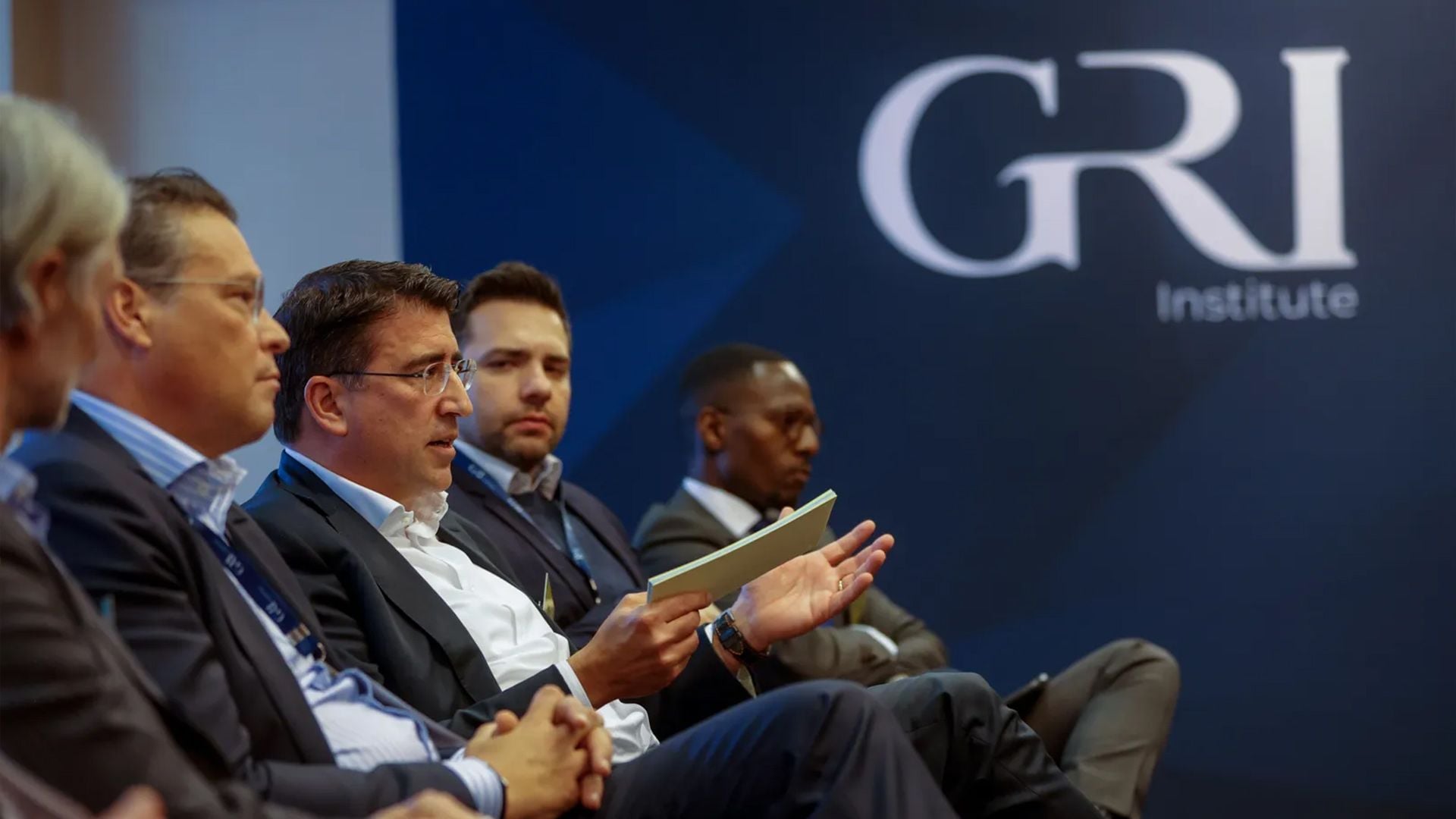
The market outlook remains positive for those who adopt a long-term strategy and actively manage their assets. (Credit: GRI Institute)
The Construction Cost Dilemma
Construction is currently hindered by persistently high costs, with estimates suggesting residential construction costs have risen by as much as 40% since October 2021.
Although some general contractors are offering lower bids in the short term to secure work, the underlying cost of materials and labour are expected to rise again, especially with the potential demands of a post-war Ukraine reconstruction effort.
Modular or serial building methods often fail to deliver a cost advantage in urban environments due to the complexity of site-specific adjustments, tight plots, and municipal design requirements, making conventional construction often cheaper. Time savings, however, remain a key benefit of serial construction, which translate into cost savings in a high-interest environment.
Land acquisition prices, while having seen some correction, are still perceived as too high for many projects to pencil out, especially outside the top locations. The ability to optimise or sell plots purchased speculatively during the low-interest rate period is a current challenge for many developers.
Price Dynamics & Market Outlook
Despite the challenges, the price dynamic for high-quality residential assets is seen as stable or having reached a bottom across most German sectors, signalling a new market cycle. The recovery will be driven not by compressing capitalisation rates but by rising rents and improved asset performance.Rents in the new-build segment are the key driver, with current achievable initial rents in Berlin being around EUR 25 per square metre net cold (Nettokaltmiete), a level necessary for projects to be financially viable.
There is strong belief that market rents will continue to rise, potentially reaching EUR 35 per square metre in the next 10 years, mirroring price levels already seen in Munich.
The share of household net income spent on rent is also rising (from 30% towards 50%), forcing developers to design smaller, more efficient floor plans to maintain affordability for end-users.
The market outlook remains positive for those who adopt a long-term strategy, actively manage their assets, and focus on supplying the clear, unmet demand for modern, sustainable, and smaller-format housing, particularly in the operational segments.
The debate, therefore, is not about the future growth of the German residential market, but how successfully investors can navigate the regulatory and cost environment to meet the structural demand overhang.
These insights were shared during GRI Institute’s Deutsche Wohnen GRI 2025 conference, with participation from Ben Lehrecke (Fundament Advisory), Denis Trott (IMMOWERK), Lambros Reppas (Reneo Asset Management GmbH) and more.