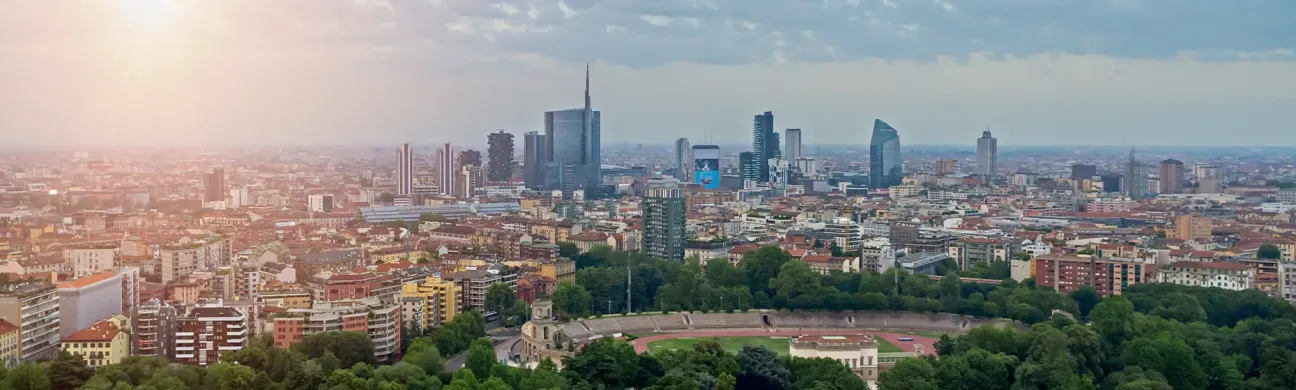
 Credit: Adobe Stock
You can’t spell Hospitality without Ital(it)y - GRI Italian Hospitality Q1 2026 Report
New GRI Institute analysis reveals the key drivers of Italy's hotel investment boom - luxury tourism, branded hotel expansion, and operational strategies
April 2, 2026Real Estate
Written by:Rory Hickman
Executive Summary
Italy has long been one of Europe’s most sought-after destinations for tourism, and its hospitality real estate sector continues to attract global investment.
With its diverse investment opportunities, from high-end luxury hotels to boutique accommodations and eco-friendly resorts, the Italian hotel market is experiencing significant growth and remains an enticing prospect for both seasoned investors and newcomers alike.
Ahead of the GRI Institute’s upcoming Italy Luxury Hotels & Branded Resi roundtable in Rome on 14th April and Italia GRI 2026 conference in Milan on 14th May, we take a look at the current trends and future outlook for the market.
With its diverse investment opportunities, from high-end luxury hotels to boutique accommodations and eco-friendly resorts, the Italian hotel market is experiencing significant growth and remains an enticing prospect for both seasoned investors and newcomers alike.
Ahead of the GRI Institute’s upcoming Italy Luxury Hotels & Branded Resi roundtable in Rome on 14th April and Italia GRI 2026 conference in Milan on 14th May, we take a look at the current trends and future outlook for the market.
Key Takeaways
- Italy’s hospitality market is experiencing strong growth, with hotel investments projected to reach EUR 91.49 billion in 2026.
- The demand for luxury and boutique hotels continues to rise, driven by international tourism and high-net-worth visitors.
- Opportunities for investment are expanding in secondary destinations and heritage property developments across Italy.
► Market Overview and Growth Trends
Italy’s hospitality market has demonstrated remarkable growth in recent years. In 2025, the market reached EUR 1.8 billion in transaction volumes, a 4% increase year-on-year, with the total investment, including conversion projects, surpassing EUR 2.2 billion - marking the highest hotel investment volumes in the country in the last five years - according to Colliers.This expansion is driven by several key factors, including the increase in luxury tourism, the impact of major global events like the Jubilee 2025 and the Milan-Cortina Winter Olympics 2026, and the continued demand for high-quality, branded accommodations.
Italy’s growing appeal to international investors is further underscored by Milan’s position as the most attractive city for hotel investment in Europe in Cushman & Wakefield’s European Hotel Investor Compass 2026, as well as its fourth place ranking for investment across all asset classes among the top real estate leaders polled for the latest edition of the GRI Barometer.
These top-tier cities remain the focal point for investment, with other cities like Florence, Venice, and even secondary destinations such as Como and Capri also seeing growing interest.
► Key Drivers of Growth
Luxury Tourism and Major Events
Italy’s tourism sector has experienced a surge, particularly in the luxury segment, driven by high-net-worth international visitors from markets such as the US, Germany, and the UK.These visitors contribute significantly to the success of luxury hotels in cities like Rome and Milan, where average daily rates (ADR) reached EUR 840 (USD 924) and EUR 910 (USD 1,001) respectively. The Rome Jubilee 2025 and Milan-Cortina Winter Olympics 2026 further boost luxury tourism, extending well beyond the events themselves.
Meanwhile, iconic destinations such as Tuscany and Lake Como are benefiting from increased demand for unique, high-end accommodations, with historic villas being converted into boutique hotels that blend traditional design with modern luxury.
Tourism Growth and Infrastructure Developments
Italy continues to attract millions of tourists each year, and the expansion of long-haul routes to regions like Sardinia, Puglia, and Campania has further reinforced its appeal as a top European destination.With significant investments being made in infrastructure, such as enhanced transport links and airport upgrades, Italy is well-positioned to maintain its status as a leading tourist hub, driving even more demand for high-quality accommodations in both traditional tourist hotspots and emerging destinations.
► Market Segmentation
Luxury and Boutique Hotels
The demand for luxury and boutique hotels is growing rapidly, particularly in the most visited cities and regions. Italy’s hotel sector is becoming more diversified, with a rising share of the market dedicated to luxury hotels, boutique accommodations, and eco-resorts.In 2024, luxury hotels alone generated EUR 9 billion (USD 9.9 billion), contributing 16.82% of total sector revenue. As high-spending visitors continue to flock to Italy’s top destinations, the luxury market is expected to remain a key driver of growth, with a steady increase in ADR and RevPAR.
► Get more expert insights at the Italy Luxury Hotels & Branded Resi roundtable in Rome on 14th April
Mid-Scale and Upscale Hotels
While luxury hotels dominate in terms of revenue, mid-scale and upscale properties also hold a significant share of the market. These properties, particularly in the 4-star segment, cater to a growing demand for affordable yet high-quality accommodations.Italy’s hotel market is seeing increasing investment in these mid-tier assets, with a notable shift towards developing properties in less saturated, secondary locations. This trend is creating opportunities for investors to capitalise on Italy’s expanding leisure tourism sector.
Branded Hotels and Chain Expansion
Branded hotels have become an increasingly prominent feature of the Italian hospitality landscape. International hotel chains, such as Marriott, are rapidly expanding, with branded hotel supply crossing the 20% threshold in 2024.The conversion of independent properties into franchise or soft-brand formats has become the dominant trend, offering investors stability and enhanced operational efficiency. This shift is expected to continue, with international chains targeting urban gateways and prime tourist destinations, further professionalising the sector.
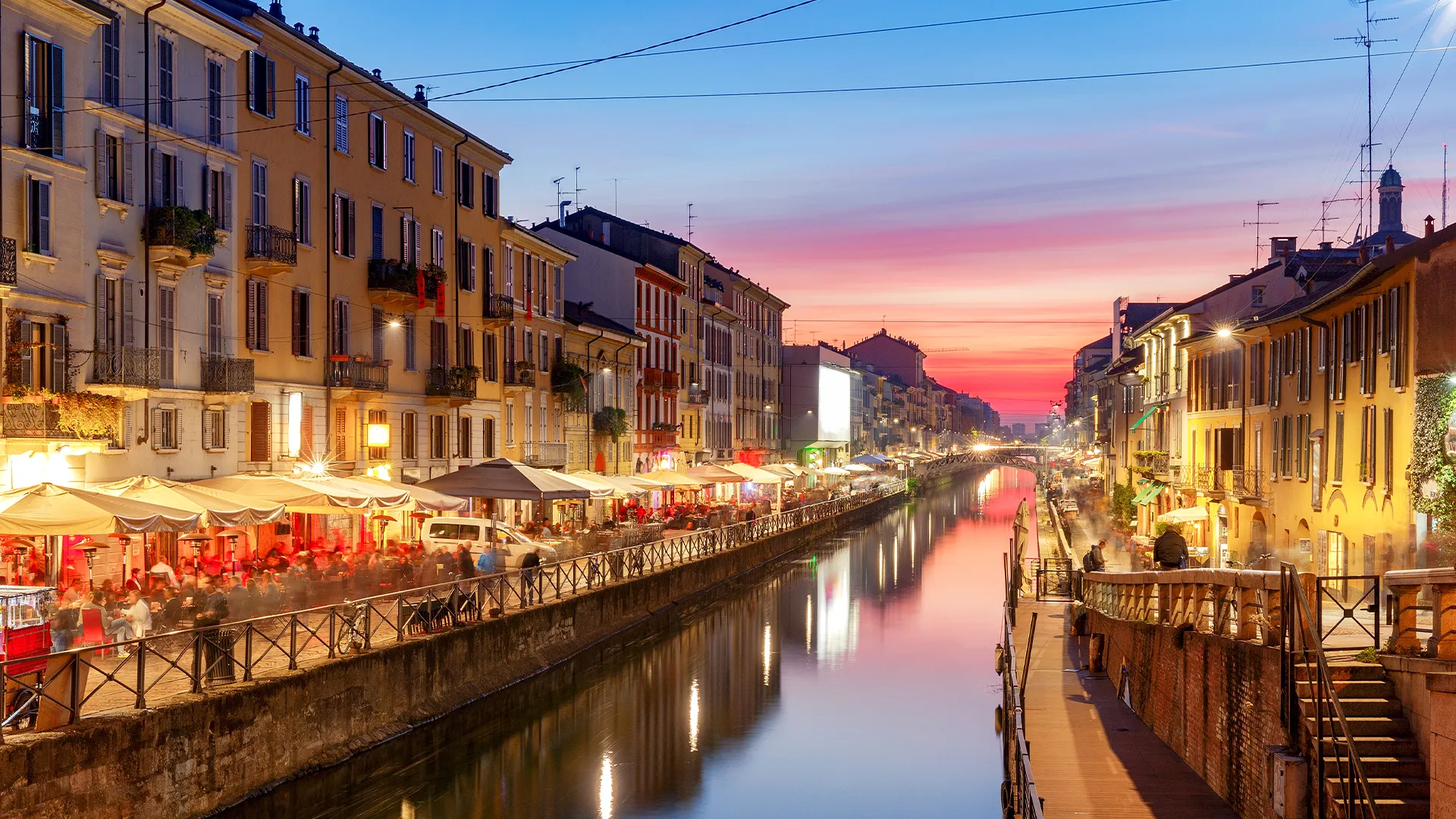
Milan's position as Europe's top city for hotel investment highlights Italy's growing appeal to international investors, according to Cushman & Wakefield. (Adobe Stock)
► Key Challenges in the Market
Regulatory Hurdles and Development Delays
Despite the overall market’s growth, challenges remain, particularly regarding complex regulations and slow permitting processes. Investors often face difficulties navigating the regulatory landscape, which can delay development timelines and increase costs.Land consumption limitations, especially in historic and protected areas, further complicate the development process. As a result, many investors are increasingly focused on refurbishing existing assets rather than pursuing new builds.
Rising Construction Costs
Construction costs have risen steadily in recent years, posing another significant challenge for investors. The rising prices of materials and labour have made new developments more expensive, particularly in prime urban areas.However, there is a silver lining - refurbishment projects, especially those focusing on energy-efficient upgrades, have become more attractive due to financial incentives such as the Superbonus Turismo tax credit scheme.
Labour Shortages
The Italian hospitality sector is facing a significant labour shortage, with unfilled positions tripling between 2019 and 2024. This shortage, particularly in skilled positions such as chefs and front-office staff, has led to wage inflation and increased operational costs.As a result, labour costs now account for over 33% of revenue in many city-centre properties, posing an additional challenge for hotel owners and operators. The industry is actively seeking solutions, including offering signing bonuses and working with vocational colleges, but the issue remains a pressing concern.
► Join us at Italia GRI 2026 in Milan on 14th May for the most exclusive gathering of Italian real estate leaders
► Emerging Investment Opportunities
Secondary and Leisure Destinations
While Milan and Rome remain the focal points for hotel investment, there is growing interest in secondary and leisure destinations.Regions like Tuscany, the Amalfi Coast, and parts of Northern Italy, including Lake Como, are seeing an influx of investment in boutique hotels, resorts, and agritourism projects.
The shift towards operational investment models, where investors focus on asset management and development, has led to more opportunities in these areas, where local market knowledge and expertise are critical.
Heritage Property Development
The transformation of heritage properties into high-end hotels has become an increasingly attractive investment opportunity.Projects like Villa Ardore in Tuscany, which converted a 16th-century farmhouse into a luxury hotel, demonstrate the potential for blending Italy’s rich cultural heritage with modern luxury.
These projects are particularly appealing to international investors seeking to preserve Italy’s architectural heritage while offering world-class accommodations.
► Future Outlook for the Italian Hospitality Market
The outlook for Italy’s hospitality real estate market remains positive, with strong demand expected to continue through 2026 and beyond.The sector is poised for sustained growth, driven by increasing international tourism, the growing demand for luxury and boutique hotels, and the ongoing expansion of branded hotel supply.
However, challenges such as labour shortages, rising construction costs, and the need for ESG compliance may affect short-term profitability, particularly for independent operators.
Overall, Italy’s hospitality market is set to remain one of the most attractive in Europe, offering significant investment opportunities in both well-established and emerging destinations.
With a strategic focus on prime locations, operational strategies, and refurbishment opportunities, investors can continue to capitalise on the country’s rich tourism potential and evolving hospitality landscape.
► Don’t miss the chance for more expert insights at the GRI Institute’s Italy Luxury Hotels & Branded Resi roundtable in Rome on 14th April, as well as the annual Italia GRI 2026 conference in Milan on 14th May, where senior decision-makers will continue the debate around capital, scalability, and the next phase of real estate growth in Italy.