 Credit: Freepik
The European Hospitality Sector: From Niche to Mainstream
Leaders from Accor, Líbere, and Nobu discuss creating resilience in hospitality assets and the co-existence of traditional hotels with alternative, flex models
March 18, 2026Real Estate
Written by:Helen Richards
Key Takeaways
- Hospitality has transitioned from a niche alternative to a resilient, mainstream institutional asset class that outpaces traditional GDP cycles through operational excellence.
- The sector is shifting toward a hybrid model where flexible serviced apartments and traditional hotels coexist to meet the demands of long-term and bleisure travelers.
- Modern value is driven by lifestyle-led experiences, strategic automation of low-value tasks, and a mandatory commitment to high ESG standards.
The European hospitality real estate market is moving beyond traditional definitions to embrace a sophisticated blend of technology, functional flexibility, and lifestyle-led luxury.
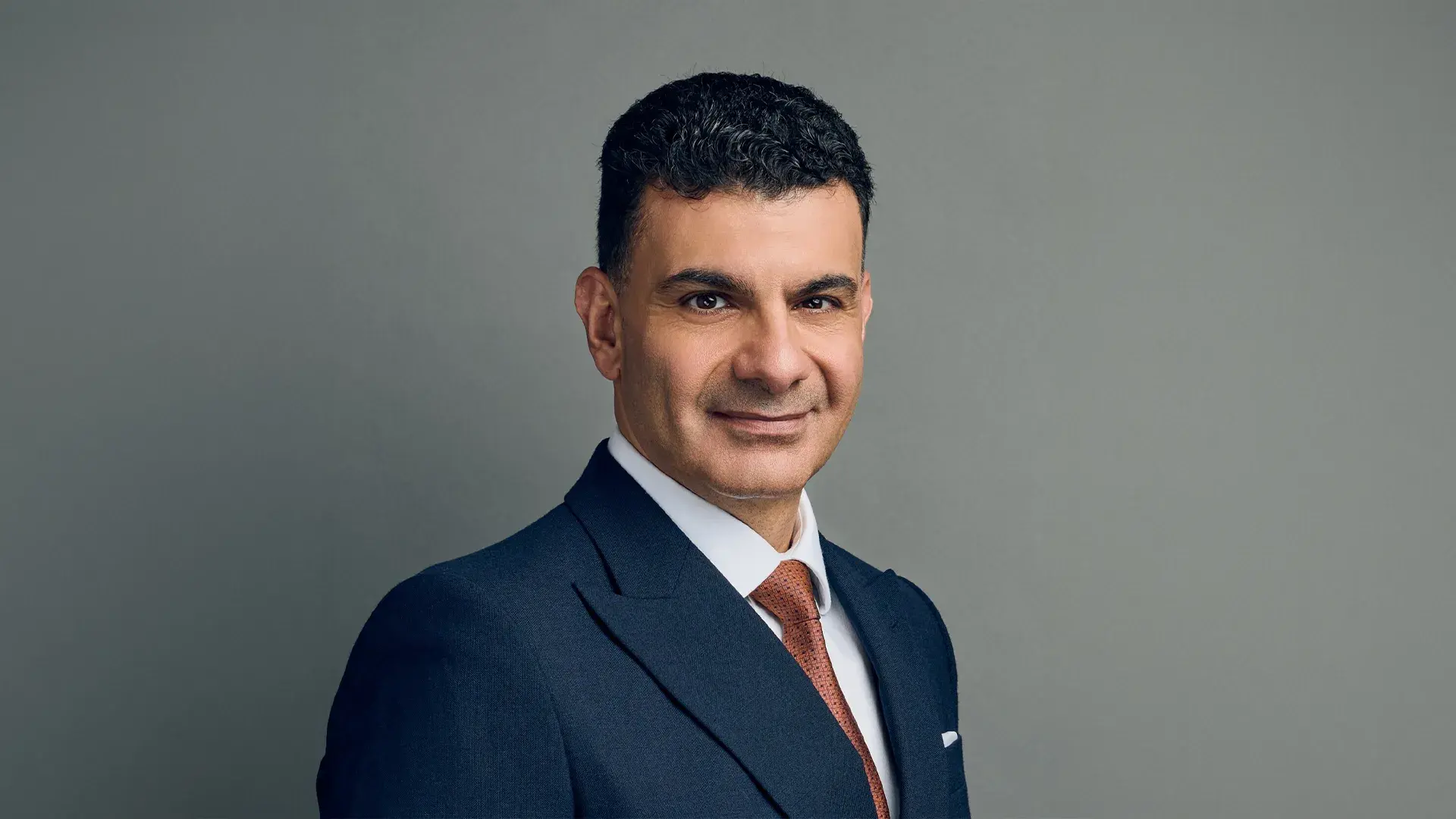
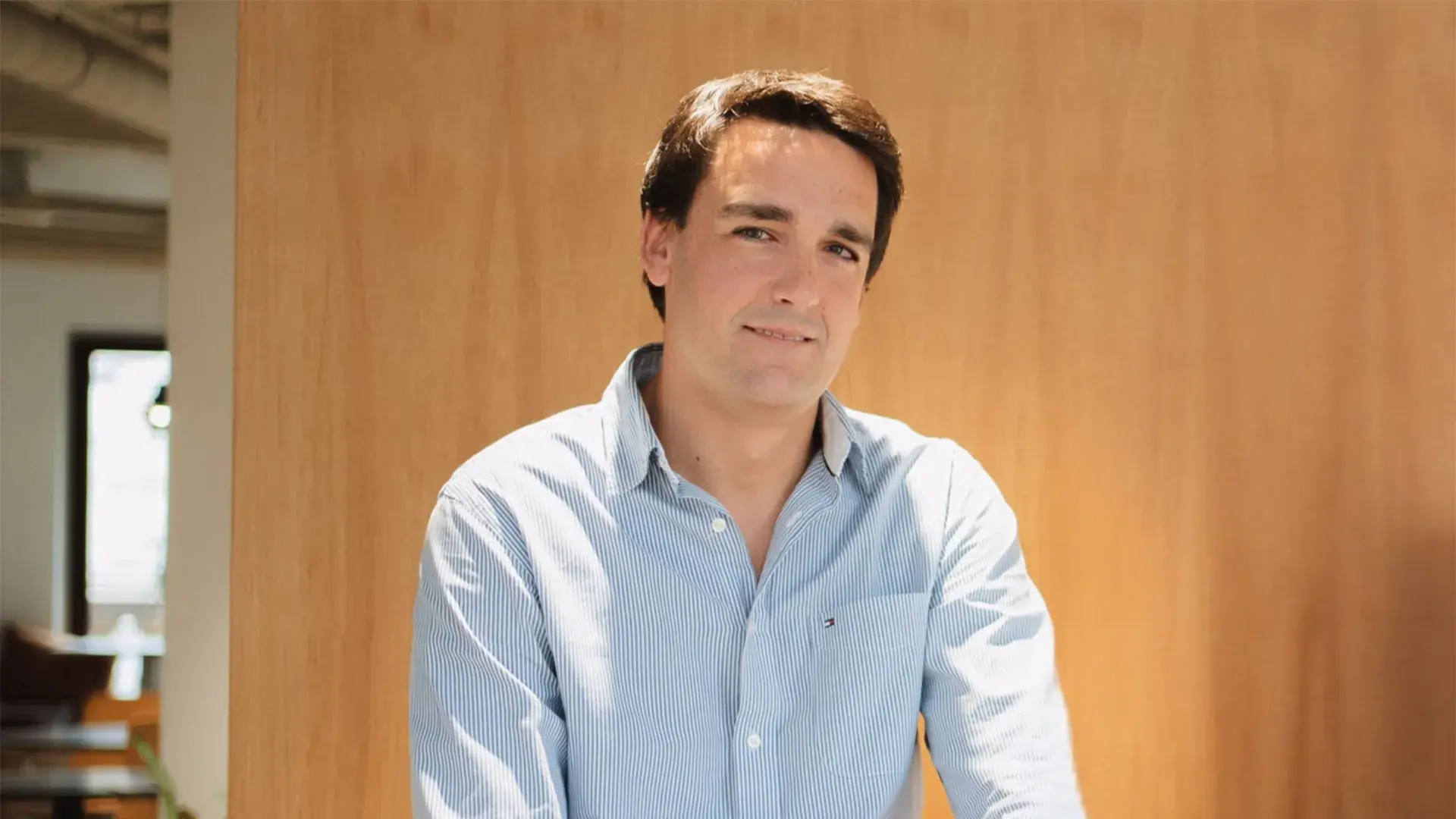
To understand the mechanics of this shift, we looked to the insights of three industry leaders: Antón de la Rica, Co-CEO at Líbere Hospitality; Camil Yazbeck, Global Chief Development Officer at Accor; and Diane Daudin Clavaud, Corporate Director of Global Business Development at Nobu Hotels.
Join the conversation with these industry experts; see the full GRI Institute calendar of events here.
“Hospitality has evolved from a niche sector into a desirable, mainstream asset class,” says Camil Yazbeck, Global Chief Development Officer at Accor, one of the world's leading hotel operators with 45+ globally recognised brand names, including Raffles, Sofitel, and Pullman.
“Despite an ongoing macroeconomic environment marked by volatility, uncertainty, and complexity, hotel performance has remained resilient,” Camil continues to explain.
“While private equity remains the largest investor in hotel assets, we expect continued growth in acquisitions particularly by high-net-worth individuals and family offices.”
This evolution is driven by the rise of extended and multi-purpose visits, often linked to business travel, relocations, project-based work, and blended work-leisure trips. Guests therefore prioritise space, autonomy, and functionality - or “the ability to live comfortably in a city,” as Antón describes - over the traditional, transactional hotel stay.
Líbere operates alternative hospitality models, including serviced apartments, across numerous major European capitals. For stays extending beyond a few nights, Antón argues that this product type provides a stronger value proposition than traditional hotels.
“Demand is evolving from short, transactional stays towards longer, hybrid use cases, where serviced apartments are particularly well positioned - which explains their stronger occupancy growth compared to traditional hotels.”
For Nobu, this means moving beyond simple accommodation to curate "environments that feel culturally alive and globally connected." In this context, the hospitality product becomes a "seamless lifestyle proposition" where guests can eat, stay, and live within a single brand ecosystem.
Consequently, operational excellence has superseded market timing as the primary driver of value. Modern success is defined by a sophisticated formula that includes lean, cost-efficient operations, and ultimately, the strategic use of technology to deepen, rather than replace, human connection.
Technology serves as the engine for these new models, particularly for Líbere. Antón explains how they begin with designing the operating model around “guest autonomy and automation at scale,” and then build the technology to support it.
A cornerstone of this strategy is "exception-driven operations," explains Antón. “The operation runs autonomously by default, and people intervene only when something falls outside the norm. That’s what allows very lean teams, lower marginal cost per stay, and real revenue maximisation over longer stays, while offering autonomy to customers.”
This does not mean the elimination of the human element; rather, the “reallocation of human effort to high-value tasks: resolving incidents, supporting guests when needed, and managing situations that require judgement and experience.”
This model achieves profit margins that traditional, staff-heavy hotel management structures find difficult to replicate.
“Investors want to understand whether hospitality assets can remain relevant and profitable in a context of changing travel patterns, evolving regulation, and the emergence of new living and accommodation models.”
The wider real estate industry is experiencing an overall return to fundamentals with value created through operational efficiency and asset management rather than a simple reliance on yield compression or market beta. Amid this, three pillars stand at the forefront of many hospitality ventures: location, brand, and ESG standards.
Location remains a crucial element to any hospitality asset; it “underpins both cashflow and exit potential,” describes Camil. “It determines the depth and durability of demand, pricing power, and seasonality.”
“In Europe’s top locations, core cities, and resort destinations, Accor’s operational presence enables dynamic pricing, resilient cashflows, and long-term value creation, anchoring investor confidence and exit liquidity.”
Nobu’s Diane echoes this view, asserting that "location remains fundamental in Europe.” Without strong fundamentals such as structural demand, accessibility, and cultural relevance, "even the strongest brand will struggle to achieve sustainable performance.”
A strong brand, such as Nobu, has the ability to create a "cultural ecosystem rather than just a hotel flag." This is often the key differentiator for luxury assets in competitive markets. Nobu’s synergy between high-end gastronomy, hotels, and branded residences, for example, serves to "compress ramp-up, support rate integrity, and enhance asset liquidity.”

Camil relates Accor’s early adoption of ESG measures within their operations, emphasising the increasing importance of these measures to financial performance.
Not only do these measures improve access to financing and align with institutional capital expectations, Camil explains, but they also “reduce operating costs while safeguarding long-term asset liquidity and exit value.”
Such assets are “anchored by hotels and layered with branded residences, extended stay, wellness, co-working, and vibrant food and beverage venues, of which [Accor] operates 10,000+ worldwide, all supported by the ALL Accor loyalty programme."
These multifaceted projects "diversify investor risk through multiple cashflow streams, unlocking incremental revenue per square foot, and ultimately compressing cap rates.”
While the prevailing optimism is supported by robust demand, this appetite comes with a caveat: modern travellers have become more discerning and their expectations more complex.
Serviced apartments and extended stay are currently outperforming traditional hotels in occupancy growth. But, will the traditional hotel model ultimately lose market share to tech-enabled flexible products?
“This is not a zero-sum dynamic," says Líbere’s Antón. “Traditional hotels and serviced apartments can clearly coexist, as they respond to different traveller needs and use cases.”
“From an owner and investor perspective, this evolution also creates an opportunity to diversify portfolios. Different asset types perform differently across cycles, and serviced apartments can complement hotels by offering more stable demand profiles, longer average stays, and operational flexibility in certain urban markets.”
“Ultimately, the market is becoming more segmented and sophisticated. The winners will be those operators and investors who understand these nuances and can allocate the right product to the right demand, rather than relying on a single accommodation model.”
Thank you to our esteemed GRI Institute members for their valuable contributions to this article: Antón de la Rica (Líbere Hospitality), Camil Yazbeck (Accor Hotels - UK), and Diane Daudin Clavaud (Nobu Hotels).
To understand the mechanics of this shift, we looked to the insights of three industry leaders: Antón de la Rica, Co-CEO at Líbere Hospitality; Camil Yazbeck, Global Chief Development Officer at Accor; and Diane Daudin Clavaud, Corporate Director of Global Business Development at Nobu Hotels.
Join the conversation with these industry experts; see the full GRI Institute calendar of events here.
“Hospitality has evolved from niche to mainstream”
The perception of hospitality within the broader real estate landscape has shifted dramatically. Once considered a specialised alternative, it has now firmly planted its flag in the centre of institutional investment.“Hospitality has evolved from a niche sector into a desirable, mainstream asset class,” says Camil Yazbeck, Global Chief Development Officer at Accor, one of the world's leading hotel operators with 45+ globally recognised brand names, including Raffles, Sofitel, and Pullman.
“Despite an ongoing macroeconomic environment marked by volatility, uncertainty, and complexity, hotel performance has remained resilient,” Camil continues to explain.
“While private equity remains the largest investor in hotel assets, we expect continued growth in acquisitions particularly by high-net-worth individuals and family offices.”
Camil Yazbeck, Global Chief Development Officer at Accor
“The sector is undergoing a structural reconfiguration in travel patterns”
This mainstreaming of the sector is occurring alongside a fundamental change in how people travel. Antón de la Rica, Co-CEO at Líbere Hospitality, suggests that we are witnessing a "structural reconfiguration in travel patterns, with demand shifting decisively towards more flexible and functionally adaptable accommodation models."This evolution is driven by the rise of extended and multi-purpose visits, often linked to business travel, relocations, project-based work, and blended work-leisure trips. Guests therefore prioritise space, autonomy, and functionality - or “the ability to live comfortably in a city,” as Antón describes - over the traditional, transactional hotel stay.
Líbere operates alternative hospitality models, including serviced apartments, across numerous major European capitals. For stays extending beyond a few nights, Antón argues that this product type provides a stronger value proposition than traditional hotels.
“Demand is evolving from short, transactional stays towards longer, hybrid use cases, where serviced apartments are particularly well positioned - which explains their stronger occupancy growth compared to traditional hotels.”
“The modern luxury guest seeks experience, authenticity, and cultural relevance”
While the mid-scale and extended-stay markets move towards autonomy, the luxury sector is evolving towards lifestyle-led experiences. Diane Daudin Clavaud, Corporate Director of Global Business Development at the high-end, global lifestyle brand, Nobu Hotels, observes that the modern luxury guest "seeks experience, authenticity, and cultural relevance.”For Nobu, this means moving beyond simple accommodation to curate "environments that feel culturally alive and globally connected." In this context, the hospitality product becomes a "seamless lifestyle proposition" where guests can eat, stay, and live within a single brand ecosystem.
“Automation reallocates human effort to high-value tasks”
As the lengthy nature of real estate transactions makes pure trading strategies increasingly impractical, the hospitality sector is experiencing a decoupling of asset performance from the traditional GDP cycle, witnessed through the flourishing of assets even in low-growth climates.Consequently, operational excellence has superseded market timing as the primary driver of value. Modern success is defined by a sophisticated formula that includes lean, cost-efficient operations, and ultimately, the strategic use of technology to deepen, rather than replace, human connection.
Technology serves as the engine for these new models, particularly for Líbere. Antón explains how they begin with designing the operating model around “guest autonomy and automation at scale,” and then build the technology to support it.
A cornerstone of this strategy is "exception-driven operations," explains Antón. “The operation runs autonomously by default, and people intervene only when something falls outside the norm. That’s what allows very lean teams, lower marginal cost per stay, and real revenue maximisation over longer stays, while offering autonomy to customers.”
This does not mean the elimination of the human element; rather, the “reallocation of human effort to high-value tasks: resolving incidents, supporting guests when needed, and managing situations that require judgement and experience.”
This model achieves profit margins that traditional, staff-heavy hotel management structures find difficult to replicate.
Antón de la Rica, Co-CEO at Líbere Hospitality
“It is no longer just about returns; it’s about resilience and adaptability"
In the current economic climate, institutional investors have shifted their primary focus. Antón notes that "the main question we hear from institutional investors is no longer just about returns; it’s about resilience and adaptability.”“Investors want to understand whether hospitality assets can remain relevant and profitable in a context of changing travel patterns, evolving regulation, and the emergence of new living and accommodation models.”
The wider real estate industry is experiencing an overall return to fundamentals with value created through operational efficiency and asset management rather than a simple reliance on yield compression or market beta. Amid this, three pillars stand at the forefront of many hospitality ventures: location, brand, and ESG standards.
Location remains a crucial element to any hospitality asset; it “underpins both cashflow and exit potential,” describes Camil. “It determines the depth and durability of demand, pricing power, and seasonality.”
“In Europe’s top locations, core cities, and resort destinations, Accor’s operational presence enables dynamic pricing, resilient cashflows, and long-term value creation, anchoring investor confidence and exit liquidity.”
Nobu’s Diane echoes this view, asserting that "location remains fundamental in Europe.” Without strong fundamentals such as structural demand, accessibility, and cultural relevance, "even the strongest brand will struggle to achieve sustainable performance.”
“Brand is not simply a marketing tool; it is a pricing lever, a demand generator and a risk mitigator”
“However, brand has become increasingly critical in unlocking value,” Diane continues. While location is the foundation, brand is the ultimate "pricing lever, a demand generator, and a risk mitigator.”A strong brand, such as Nobu, has the ability to create a "cultural ecosystem rather than just a hotel flag." This is often the key differentiator for luxury assets in competitive markets. Nobu’s synergy between high-end gastronomy, hotels, and branded residences, for example, serves to "compress ramp-up, support rate integrity, and enhance asset liquidity.”
Diane Daudin Clavaud, Corporate Director of Global Business Development at Nobu Hotels
“ESG is increasingly central to financial performance”
Both location and brand must also be strategically accompanied by a generous dose of ESG. This is no longer optional, Diane affirms, and is a baseline expectation from both investors and lenders, a necessary to optimise the asset, and also a tool to enhance guest experience.Camil relates Accor’s early adoption of ESG measures within their operations, emphasising the increasing importance of these measures to financial performance.
Not only do these measures improve access to financing and align with institutional capital expectations, Camil explains, but they also “reduce operating costs while safeguarding long-term asset liquidity and exit value.”
“Diversify investor risk through multiple cashflow streams”
To meet the need for resilience and adaptability, Camil also points towards the emergence of mixed-use developments to create “hotels that are destinations in themselves.”Such assets are “anchored by hotels and layered with branded residences, extended stay, wellness, co-working, and vibrant food and beverage venues, of which [Accor] operates 10,000+ worldwide, all supported by the ALL Accor loyalty programme."
These multifaceted projects "diversify investor risk through multiple cashflow streams, unlocking incremental revenue per square foot, and ultimately compressing cap rates.”
“Traditional hotels and serviced apartments can clearly coexist”
Amidst a landscape of geopolitical instability, rapid cultural shifts, and economic volatility, the hospitality sector is undergoing the same radical reinvention currently transforming other real estate asset classes.While the prevailing optimism is supported by robust demand, this appetite comes with a caveat: modern travellers have become more discerning and their expectations more complex.
Serviced apartments and extended stay are currently outperforming traditional hotels in occupancy growth. But, will the traditional hotel model ultimately lose market share to tech-enabled flexible products?
“This is not a zero-sum dynamic," says Líbere’s Antón. “Traditional hotels and serviced apartments can clearly coexist, as they respond to different traveller needs and use cases.”
“From an owner and investor perspective, this evolution also creates an opportunity to diversify portfolios. Different asset types perform differently across cycles, and serviced apartments can complement hotels by offering more stable demand profiles, longer average stays, and operational flexibility in certain urban markets.”
“Ultimately, the market is becoming more segmented and sophisticated. The winners will be those operators and investors who understand these nuances and can allocate the right product to the right demand, rather than relying on a single accommodation model.”
Thank you to our esteemed GRI Institute members for their valuable contributions to this article: Antón de la Rica (Líbere Hospitality), Camil Yazbeck (Accor Hotels - UK), and Diane Daudin Clavaud (Nobu Hotels).