 Credit: Adobe Stock
The Infrastructure Opportunity Powering Europe’s Energy and Data Future
DeA Capital’s Paul Sacco discusses the firm’s EUR 300 million strategy to scale energy transition and digital infrastructure platforms across Europe
March 24, 2026Real Estate
Written by:Rory Hickman
Key Takeaways
- Europe’s energy transition and surging data demand are creating a powerful new infrastructure investment landscape.
- Mid-market platforms offer scalable opportunities where institutional capital can accelerate infrastructure rollout.
- Investors are increasingly prioritising strategies that combine structural growth with resilient, long-term cash flows.
With DeA Capital Real Estate launching its new Twin Transition Infrastructure Fund (TTIF), we spoke with the firm’s Global Head of Capital Raising, Paul Sacco, to explore the strategy behind this latest initiative and what it signals for the future of the firm’s real assets platform.
DeA Capital Real Estate is one of Italy’s leading real assets investment managers, with a strong pan-European presence and a growing international investor base. The firm manages more than EUR 12 billion in assets across multiple real estate vehicles and a diversified portfolio spanning logistics, living, hospitality, and other key sectors, supported by an extensive network of local professionals across Europe.
After previously discussing DeA Capital’s expansion into the Middle East and the challenges and strategies for raising capital in Europe with the GRI Institute, in this conversation Paul outlines the rationale behind the TTIF strategy, which focuses on opportunities at the intersection of energy transition and digital transformation across Europe’s mid-market infrastructure landscape.
Beyond the launch of the infrastructure fund, Paul also shares his perspective on the evolving dynamics of the European real estate market, the growing role of platform-led partnerships in markets such as France and Spain, how DeA Capital is positioning itself in an increasingly selective fundraising environment, and what he hopes to discuss when attending Italia GRI 2026.

Hi Paul, although a lot of GRI Institute regulars will already know you, could you please introduce yourself and tell us a little bit about your background and role at DeA Capital Real Estate?
For those I haven’t crossed paths with yet, I’m Paul Sacco, Global Head of Capital Raising at DeA Capital Real Estate. I lead the firm’s global investor coverage and capital formation across commingled funds, joint ventures, club deals, and separate accounts, with a strong focus on institutional and family office capital across Europe, the Middle East, and increasingly North America.
I joined DeA Capital after a career in private equity and international capital markets. I started my career at Société Générale in Paris, before moving into private equity and capital advisory roles across Europe and the Middle East.
At DeA Capital, I sit at the intersection of strategy, capital formation, and execution. Beyond fundraising, my role involves shaping product strategy with the investment teams, aligning structures with institutional requirements, and building long-term partnerships rather than transactional capital relationships.
It’s been a very strong year for DeA Capital Real Estate. We’ve seen solid momentum across our core platforms and have been particularly active on the partnership and JV side in key European markets such as France and Spain, working alongside high-quality institutional partners including Harbert Management Corporation, Corebridge Real Estate Investors, and Harrison Street. That level of partner engagement speaks to the depth and credibility of the platform.
In Italy, our hospitality credentials are exemplified by flagship projects such as the redevelopment of Palazzo Marini in Rome into a luxury hotel to be operated by Four Seasons Hotel Roma, reinforcing the institutional positioning of our hospitality strategy.
At the same time, we’re seeing excellent traction around the new infrastructure strategy we’re launching, focused on energy transition and digital transformation. Investor appetite has been very encouraging, particularly from institutions looking for scalable platforms, disciplined governance, and credible origination, and it’s becoming a meaningful growth pillar alongside our real estate strategies.
In parallel, we’ve continued to strengthen our international footprint, especially in the Middle East, while advancing ESG-aligned structures and frameworks that reflect the institutional discipline DeA Capital is known for. Overall, despite a challenging macro environment, it’s been a successful year defined by momentum, partnership depth, and measured internationalisation.
Can you give us an overview of DeA Capital’s new infrastructure fund, including what led to its creation and its primary objectives?
The DeA Twin Transition Infrastructure Fund (TTIF) is an Article 9 SFDR-compliant infrastructure equity fund targeting EUR 300 million in capital commitments.
Our investment strategy is focused on the European mid-market, with typical equity tickets in the EUR 20 million to EUR 50 million range. We seek control or robust co-control positions, with a primary geographic focus on Italy and selective exposure across Europe.
Unlike traditional core infrastructure approaches that concentrate on acquiring mature assets through pure M&A or buy-and-build strategies, TTIF is designed first and foremost to deploy primary capital into CapEx-led infrastructure creation. We operate through a platform-development model, partnering with businesses to finance greenfield pipelines and materially scale their physical asset base.
The fund’s origin is grounded in our conviction around two structural, increasingly interconnected megatrends: the energy transition and the digital transformation. The energy transition reflects the imperative to decarbonise while ensuring energy security and affordability across Europe. The digital transformation is driven by exponential growth in data usage and the resulting need for resilient computing capacity and high-quality network infrastructure.
We have positioned TTIF at the intersection of these two dynamics - the “Twin Transition” - because we believe digitalisation is essential to optimise energy systems, just as renewables and broader energy-transition solutions are required to decarbonise digital infrastructure and make it sustainable over the long term.
Finally, we focus on the European mid-market because its fragmentation and relatively lower competitive intensity create an attractive environment for this strategy. Rather than simply aggregating existing assets, we can partner with mid-sized, often family-owned companies and provide the growth capital required to unlock development pipelines, accelerate the rollout of transition infrastructure, and drive operational excellence.
What trends in the energy and digital sectors are you most excited about, and how do these intersect in the DeA TTIF’s strategy for the future of infrastructure investments in Europe?
We are particularly excited by the accelerating convergence between decarbonisation objectives and the exponential growth of data.
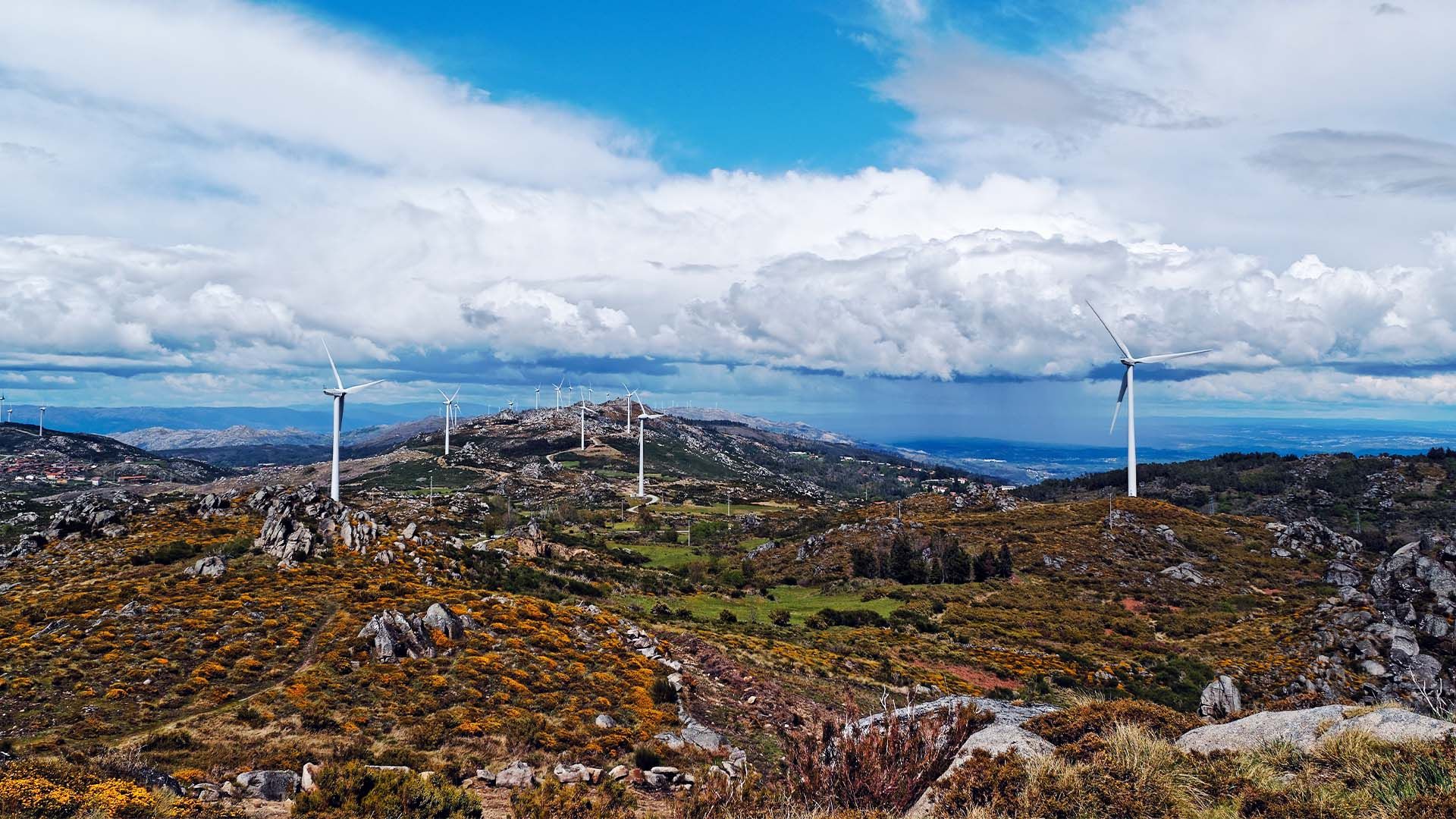
In the energy sector, the most compelling trends extend beyond the rapid deployment of renewable generation and Battery Energy Storage Systems (BESS). We are highly focused on the decentralisation of energy, including smart grids, energy communities, and the broad-based buildout of EV charging infrastructure.
We also see substantial opportunity in the circular economy, with a specific emphasis on biomethane plants and sustainable recycling infrastructure.
In parallel, we are selectively assessing technologies such as green hydrogen and carbon capture. We do not treat these as early-stage venture bets; rather, we see them as potential strategic complements to our power generation and circular economy platforms, provided they are supported by clear, infrastructure-grade business models.
At the same time, the digital sector is experiencing a structural shift driven by artificial intelligence, IoT, and cloud computing. This is translating into significant, long-duration CapEx requirements for data centres and fibre-optic connectivity.
Within our mid-market mandate, we are targeting regional cloud and carrier-neutral colocation data centres. These assets provide the right entry point for platform development and scaling while avoiding the highly competitive hyperscaler segment.
We are also actively focused on submarine cable landing stations, leveraging Italy and Southern Europe’s strategic position as key data gateways. In fibre, our strategy centres on partnering with local operators in underserved areas where incumbent penetration is limited, thereby reducing overbuild risk.
We aim to finance rollout programmes primarily through wholesale-only or dark-fibre models, where securing first-mover advantage is critical to building a defensible, long-term platform.
What makes TTIF distinctive is the way we intentionally invest at the intersection of these two forces. Digital infrastructure is structurally power-intensive, so “decarbonising digital” through green PPAs, local renewable generation, and battery co-location is increasingly a requirement both to support sustainability and to reduce pressure on the grid.
Conversely, we “digitalise energy” by applying AI, remote monitoring, and IoT to enhance the efficiency, maintenance, and customer experience of energy-transition assets.
For TTIF, the future of European infrastructure sits in this cross-pollination: we are not only building standalone assets, but developing future-proof, sustainable platforms that advance both the net-zero and digital agendas across Europe.
With a target size of EUR 300 million, how does DeA TTIF plan to scale, and what role do acquisitions and partnerships play in expanding the fund’s portfolio?
The EUR 300 million target is deliberately calibrated to build a portfolio of six to ten mid-market platform investments. However, our core scaling mechanism is embedded in our platform-development approach.
Rather than deploying capital primarily into large, mature assets, we acquire control or co-control positions in mid-sized operators and inject targeted growth capital to finance greenfield pipelines and accelerate new infrastructure creation. While organic growth and new asset buildout are our principal value drivers, acquisitions are an important complementary lever.
In fragmented European markets, we support portfolio companies in executing disciplined buy-and-build and roll-up strategies. Bolt-on acquisitions can accelerate market consolidation, add localised technical capabilities, and help achieve the scale required to capture meaningful valuation uplift at exit.
Partnerships are equally central to portfolio expansion and risk mitigation. At the asset level, we often structure joint ventures with industrial or local partners. By combining our institutional capital, governance model, and value-creation toolkit with our partners’ territorial expertise and customer access, we materially reduce execution risk in complex rollout strategies.
At the fund level, we view Limited Partners (LPs) as strategic partners. We proactively provide co-investment opportunities, effectively increasing investable capacity beyond the EUR 300 million fund size. This co-investment capacity allows us to scale our strongest platforms and selectively pursue larger opportunities, while staying within our portfolio diversification limits.
How does DeA TTIF leverage its proprietary networks and local presence to source deals, and how does this help secure high-quality investment opportunities?
Our sourcing capability is one of our most significant competitive advantages. We operate through a “locals on the ground” approach, leveraging a team of more than 180 professionals across seven offices in Italy and Europe.
This local presence is reinforced by our “One Firm” culture, which ensures the continuous sharing of sector insights, best practices, and local networks across the entire DeA Capital platform. In addition, we leverage a dedicated group of Senior Advisors who support origination efforts and provide deep sector expertise, complemented by a broader network that grants us direct access to entrepreneurs, industry executives, and financial intermediaries.
This extensive proprietary network enables us to pursue a proactive, thesis-driven sourcing strategy rather than relying on highly competitive public auction processes. By engaging directly with carefully selected companies, we generate a high volume of bilateral and proprietary deal flow.
Given DeA Capital’s industrial heritage and its reputation as an active, value-added partner, we are often viewed as the partner of choice for entrepreneurs and family-owned businesses seeking strategic growth capital rather than a purely financial buyout.
Ultimately, this approach allows us to secure high-quality investment opportunities by avoiding competitive auctions, maintaining strict pricing discipline, and establishing strong alignment with sellers and management teams from the outset of each transaction.
With a significant portion of investments in the country, what makes Italy so attractive for the fund, and how do the opportunities there compare to other European markets?
Italy represents the core of our strategy, accounting for at least 70% of our targeted allocation. This is primarily due to the country’s unique convergence of urgent infrastructure needs and highly fragmented market dynamics, where our home-field advantage as a leading Italian real assets investor is unmatched.
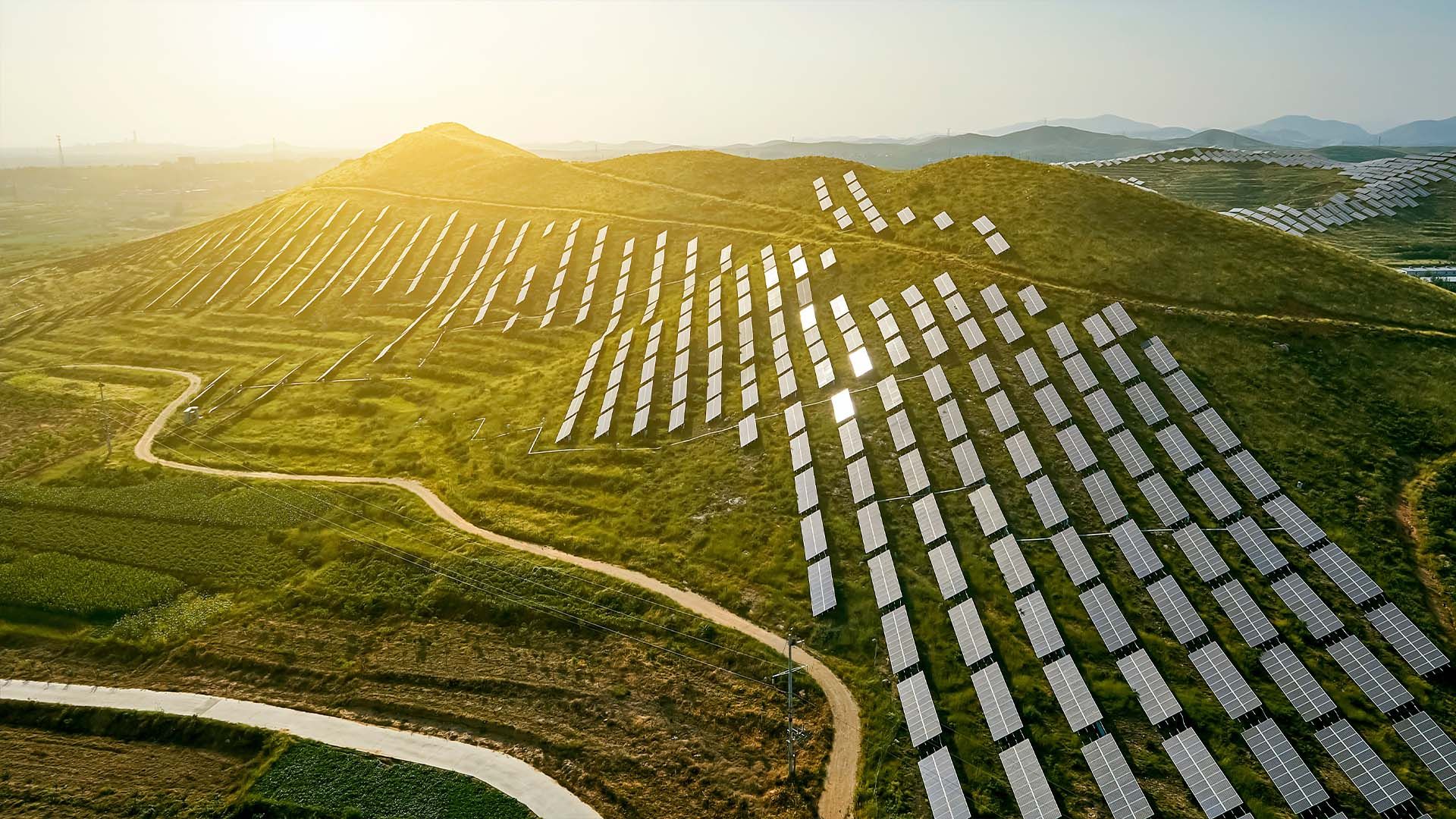
On the energy front, Italy is rapidly catching up with its ambitious decarbonisation targets. Within solar generation, we are executing a bifurcated and highly resilient strategy.
The first approach capitalises on structural government incentive mechanisms, targeting utility-scale and agri-PV projects underpinned by established regulatory frameworks.
The second, equally critical approach focuses on the commercial and industrial segment. Here, we provide distributed solar solutions directly to industrial counterparties that require electricity at stable and predictable costs for self-consumption.
Importantly, this B2B strategy benefits from a significantly more streamlined permitting process and a smoother grid-connection pathway, enabling faster capital deployment and accelerated cash-flow generation.
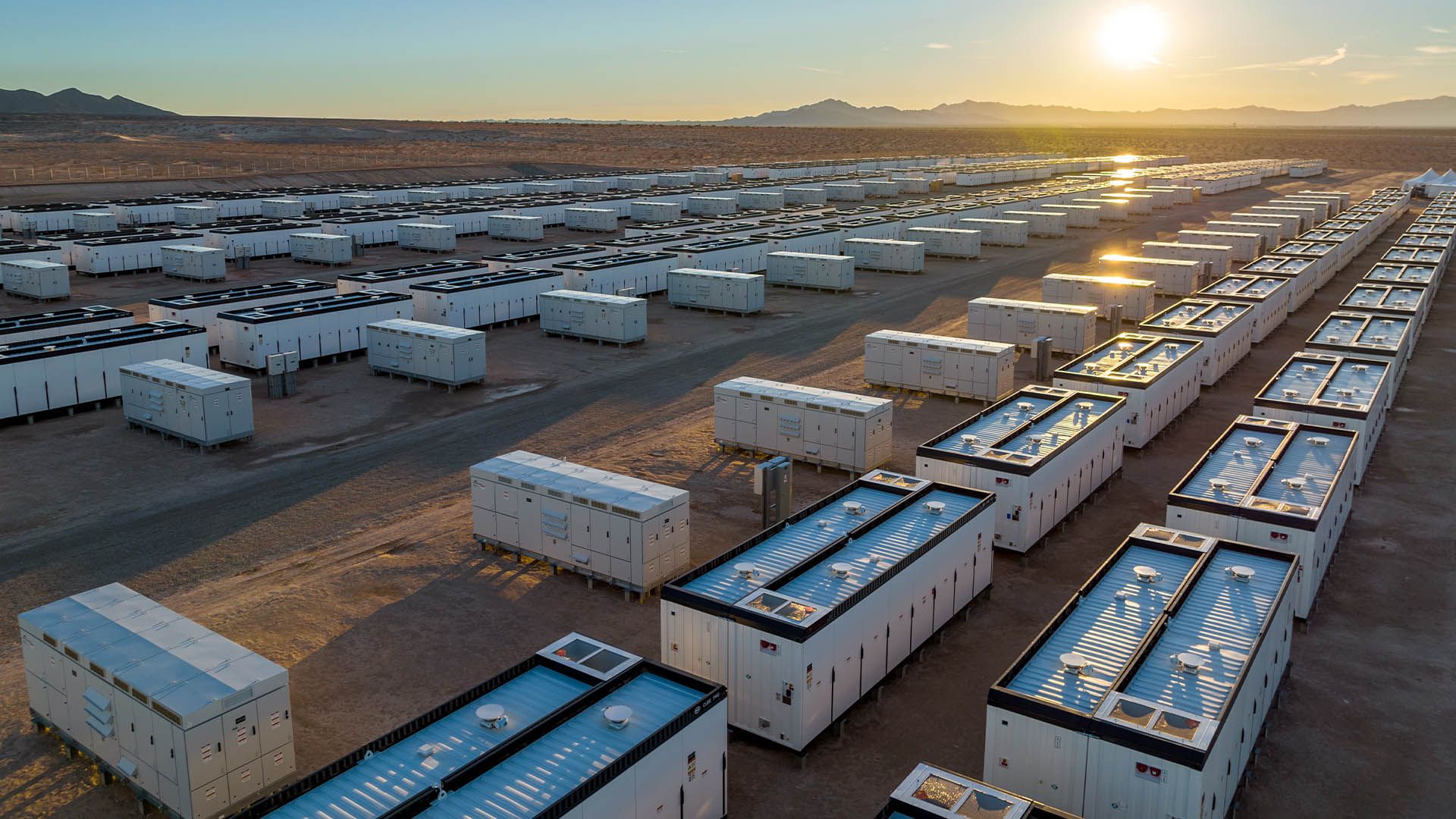
Alongside solar, we see a structural need for grid-stabilising assets such as BESS. Rather than relying solely on capacity market auctions, we focus on the fundamental underlying demand for these assets, driven by merchant revenue opportunities and the continued expansion of the corporate PPA market.
On the digital side, Italy’s geographic positioning makes it a strategically important hub for submarine cable landing stations connecting Europe to global data routes. In parallel, there is a pressing need to bridge the digital divide in underserved regional areas, creating attractive first-mover opportunities for wholesale fibre rollouts and regional data centres with strictly limited overbuild risk.
Our allocation of up to 30% to other European markets serves a complementary, dual purpose. First, it acts as a scaling mechanism, allowing us to expand the platforms we build in Italy across national borders, drive international growth, and enhance exit valuations.
Second, it provides strategic exposure to specific transition themes that may be more mature or benefit from more favourable regulatory and market frameworks outside Italy. For example, we can selectively target jurisdictions with well-established corporate PPA markets, advanced biomethane incentive regimes, or strong circular-economy tailwinds.
Ultimately, while the Italian mid-market - with its high concentration of SMEs and family-owned businesses - offers an unparalleled environment for platform creation, our broader European mandate ensures the geographic flexibility required to scale those platforms and capture the most attractive risk-adjusted thematic opportunities across the continent.
How do you evaluate and select between greenfield and brownfield investments, and what factors influence this decision in terms of scalability and risk management?
While we evaluate both greenfield and brownfield opportunities, the creation of new infrastructure is the absolute priority and core of our mandate. We are not focused on trading existing, mature assets or engaging in secondary buyouts.
Instead, our strategy is centred on the deployment of primary capital, injecting fresh equity directly into a company’s balance sheet to fund CapEx and execute its rollout plan.
From a scalability perspective, this primary-capital approach is our main growth engine. We seek to partner with platforms that have highly actionable greenfield pipelines, and we provide the growth capital required to physically develop new assets - whether that involves constructing additional megawatts of solar and storage capacity or deploying new kilometres of wholesale fibre.
At the same time, risk management is paramount when building new infrastructure. To balance this, we favour a hybrid risk-return profile.
We actively seek to partner with platforms that already have a cash-flowing brownfield asset base, which provides immediate yield, predictable cash flows, and strong downside protection from day one.
We then complement this stable foundation with late-stage or ready-to-build (RTB) greenfield pipelines. This deliberate structuring allows us to bypass the most volatile early-stage permitting risks, ensuring that our primary capital is deployed efficiently to build new transition infrastructure, drive organic growth, and scale platforms in a controlled and prudent manner.
In managing risk within mid-market investments, what strategies does DeA TTIF employ to mitigate risks while pursuing high-reward opportunities in energy and digital infrastructure?
While the mid-market Twin Transition space offers exceptional growth potential, capturing these high-reward opportunities requires a highly disciplined, institutional approach to risk management.
Risk mitigation begins at the sourcing stage, where we apply a rigorous “infrastructure test” to every potential investment. We ensure that each target is anchored in a robust physical asset base, provides essential services with inelastic demand, and generates predictable cash flows that are often inflation-linked.
Operationally, risk management is closely tied to our governance framework. We consistently seek control or strong co-control positions, enabling an active, hands-on approach to strategic decision-making, the execution of our value-creation plan, and the implementation of professionalised oversight in what are often entrepreneur-led or family-owned businesses.
As we deploy primary capital to build new infrastructure, we further isolate execution risk by focusing on late-stage or RTB pipelines, thereby deliberately avoiding early-stage development and permitting volatility.
From a financial perspective, we underwrite investments based on robust unlevered fundamentals and employ conservative, asset-specific leverage to optimise returns, rather than relying on financial engineering.
Finally, our core thematic focus inherently mitigates technological obsolescence and stranded-asset risk by investing directly in the technologies underpinning the transition. In parallel, our stringent Article 9 SFDR framework ensures that physical climate and sustainability risks are rigorously assessed prior to investment.
When considering exits, how does DeA TTIF determine the optimal timing and strategy to realise returns, and what key factors influence the decision-making process?
For DeA TTIF, exit planning is not an afterthought; it begins at the very early stages of a portfolio company’s lifecycle. Our primary focus is on repositioning and de-risking assets to build a highly compelling investment case for buyers with a lower cost of capital.
Optimal exit timing is largely driven by the execution of our customised Value Creation Plan. Once key operational, financial, and development milestones have been achieved - such as the successful deployment of CapEx to convert greenfield pipelines into yielding brownfield assets - we critically assess whether continued ownership is likely to generate incremental equity value or whether initiating an exit process represents the optimal course of action.
This assessment is fully embedded in our ongoing governance framework. During periodic review meetings, we continuously evaluate exit readiness by analysing prevailing market conditions, optimal timing, and the relevant buyer universe.
We remain highly flexible with respect to exit routes - whether via a trade sale, a secondary buyout, or a potential IPO - tailoring the strategy to each platform’s specific characteristics in order to create competitive tension and maximise value.
Finally, we actively leverage our ESG achievements. By clearly documenting improvements in sustainability performance within our exit materials, we seek to capture the full value of these enhancements and deliver optimal outcomes for our investors.
Looking ahead, what are the most important milestones you foresee for DeA TTIF over the next 3-5 years, particularly in terms of its impact on Europe’s energy and digital infrastructure landscape?
Our primary milestone over the next three to five years is to fully activate our robust, proprietary pipeline, which currently comprises more than EUR 700 million of identified, actionable opportunities, and to build a carefully diversified portfolio of highly scalable infrastructure platforms.
From an execution perspective, our focus is on deploying primary growth capital to physically develop new assets, transitioning late-stage greenfield pipelines into yielding, operational brownfield infrastructure.
In the energy sector, we aim to materially expand Europe’s renewable generation and battery storage capacity. On the digital side, our milestones include the development and operation of strategic regional data centres, as well as the rollout of new wholesale fibre networks to actively help bridge the digital divide.
A critical milestone linked to our Article 9 SFDR classification is ensuring that at least 70% of assets under management are fully aligned with the EU Taxonomy within three years of investment.
Ultimately, this represents a unique and timely opportunity for investors. By partnering with us at this stage, LPs gain immediate exposure to a deeply vetted, ready-to-deploy pipeline, alongside highly attractive co-investment opportunities that can further expand their capital footprint.
Our overarching milestone is to consistently deliver our targeted double-digit net IRR, demonstrating to investors that actively advancing Europe’s net-zero and digital future can go hand in hand with the generation of superior, risk-adjusted financial returns.
Zooming out to the broader real estate market, when we last spoke in September at Europe GRI 2025, DeA’s main focus was on the industrial and logistics and living sectors, particularly in France and Spain. How has your strategy in these areas evolved over the past few months, and are there any new regions or asset classes you’re now prioritising?
Since we last spoke at Europe GRI in September 2025, our strategic priorities have remained consistent, but the emphasis has shifted decisively toward execution, selectivity, and capital discipline.
We have prioritised multi-let, business park and light-industrial formats over commoditised single-tenant logistics, reflecting a preference for assets with stronger tenant diversification, higher re-lettability and clearer ESG credentials.
This evolution is well illustrated by the recent joint venture with Harbert Management Corporation to acquire an initial portfolio of approximately 73,000 square metres of newly built business parks across France, which aligns with our focus on resilient income profiles and operational flexibility in a higher-rate environment.
Within living, the past few months have reinforced our platform-led approach. In France, we have accelerated the scaling of our purpose-built student accommodation (PBSA) strategy through the partnership with Invesco Real Estate and Banque des Territoires under the AGiLE programme, consolidating PBSA as a defensive, institutional asset class supported by strong demographic visibility and structural undersupply.
In Spain, build-to-rent (BTR) remains a strategic priority, with continued focus on consolidating and expanding existing JV platforms in Madrid and other core urban markets where the imbalance between rental demand and institutional-quality supply remains pronounced.
Beyond real estate, the most significant evolution since late 2025 has been the increased strategic weight we are placing on infrastructure as a complementary pillar within the broader real assets platform of DeA Capital Real Estate.
We see clear white space for institutional capital in mid-market, platform-based infrastructure strategies, particularly in energy transition and digital transformation. These segments sit between core infrastructure and traditional private equity, requiring operational expertise, governance discipline and scalable capital solutions.
Our focus areas include distributed renewable energy, grid-adjacent infrastructure, battery storage, and regional digital infrastructure, where demand visibility is strong but capital remains fragmented.
Institutional engagement around this strategy has been particularly robust in recent months, as investors seek long-duration exposure, inflation protection and structural growth drivers that complement their real estate allocations.
Overall, since September 2025 the strategy has not pivoted but sharpened, with deeper selectivity within our core real estate sectors, continued platform scaling in France and Spain, and a deliberate expansion into infrastructure where we see genuine structural demand and limited overlap with existing institutional offerings.
The last few months have marked a step change in the role of infrastructure within the group, complementing our established real estate platforms with exposure to energy transition and digital transformation themes.
In September you noted that capital raising was becoming more concentrated with the big players. How is DeA Capital staying competitive and differentiating itself in this tougher fundraising environment?
When we spoke in September, the increasing concentration of capital with a smaller number of large, established platforms was already evident, and that trend has only accelerated since.
Our response has not been to compete on scale for its own sake, but to differentiate through clarity of strategy, credibility of execution, and alignment with how institutional capital is actually being deployed today.
First, we remain highly disciplined on product design. Rather than launching broad or opportunistic vehicles, we focus on clearly defined strategies where we have repeatable sourcing, operating partners, and execution depth. This applies across real estate and infrastructure and allows investors to underwrite exposure with confidence, even in a more selective allocation environment.
Second, we compete by being genuinely flexible in how we structure capital. Alongside commingled funds, we are very active in JVs, club deals, and separate accounts, which is increasingly what large LPs are asking for. This ability to tailor structures - while maintaining institutional governance and alignment - has been a key differentiator as capital becomes more concentrated and more demanding.
Third, platform credibility matters more than ever. DeA Capital benefits from a long-standing institutional franchise, strong balance sheet alignment, and a proven ability to operate through cycles. That credibility is reinforced by flagship assets and long-term platforms across Europe, as well as by our increasing emphasis on ESG integration and governance, which are now baseline requirements rather than differentiators.
Finally, we invest heavily in origination and relationships rather than distribution alone. Our capital raising approach is built around long-term partnerships, not transactional fundraising. In practice, this means deeper engagement with a smaller number of investors, earlier involvement in portfolio construction, and a willingness to co-invest and share risk alongside our partners.
In a more concentrated fundraising environment, scale alone is not enough. What continues to resonate with investors is focus, alignment, and the ability to execute consistently - and that is where we continue to differentiate ourselves.

You also mentioned that DeA Capital's core investors were shifting towards value-add strategies with a focus on downside protection. How has this shift affected your capital raising efforts, and are you seeing any new trends in investor sentiment or demand?
The shift of our core investors toward value-add strategies with a strong emphasis on downside protection has fundamentally shaped how we approach capital raising.
Rather than slowing demand, it has reframed the discussion: investors are no longer allocating to value-add as a proxy for higher risk, but as a disciplined way to access repriced assets with embedded margin of safety.
This is consistent with broader market data. According to INREV and PERE surveys, more than 60% of institutional investors now expect to deploy capital primarily into value-add and opportunistic strategies, reflecting both the repricing of assets and the limited return prospects of traditional core in a higher-for-longer rate environment.
In fundraising terms, this has translated into more rigorous, underwriting-driven conversations, where conviction is built around entry pricing, capital structure resilience, and visibility on execution rather than macro narratives.
In parallel, investor sentiment has become markedly more selective and asymmetric. LPs are deploying capital more slowly, often in smaller initial commitments, and placing greater emphasis on downside scenarios, refinancing risk and cash-flow durability.
At the same time, demand has increased for flexible deployment formats - co-investments, club deals and structured equity - which allow investors to control pacing and concentration while maintaining exposure to value creation.
We are also seeing renewed interest from investors who were historically core-oriented but are now reallocating toward defensive value-add strategies as a way to protect capital while restoring return targets.
Overall, the environment favours managers with proven execution, disciplined risk management and the ability to demonstrate that value creation is driven by fundamentals rather than leverage or market beta.
When you join us for Italia GRI 2026 in Milan on May 14th, what is it that you hope to discuss with your fellow industry leaders, and how do GRI events facilitate making new connections and partnerships?
When joining Italia GRI 2026 in Milan, I look forward to discussing how capital is being allocated and deployed in the current phase of the cycle. I am keen to exchange views on how strategies are being underwritten today, how downside protection is being structured at both asset and portfolio level, and how investors are balancing return targets with capital preservation in a more constrained liquidity environment.
I am also interested in discussing how capital structures, partnership models and governance frameworks are evolving as investors seek greater visibility on execution risk, pacing and exit optionality.
In this context, conversations increasingly move beyond strategy labels toward a more granular assessment of cash-flow resilience, leverage discipline and alignment between capital providers, managers, and operating partners.
GRI events play a distinctive role in facilitating these exchanges because they bring together LPs, GPs, and operating partners in a setting designed for substantive, peer-level dialogue. The format enables repeated, in-depth conversations that allow participants to assess alignment on strategy, governance, and execution well ahead of transactions.
In an environment where trust and track record matter more than ever, this creates fertile ground for durable partnerships to form organically, rather than through purely transactional interactions.
Thanks for taking the time to talk to us Paul, and we look forward to seeing you again at Italia GRI 2026!
DeA Capital Real Estate is one of Italy’s leading real assets investment managers, with a strong pan-European presence and a growing international investor base. The firm manages more than EUR 12 billion in assets across multiple real estate vehicles and a diversified portfolio spanning logistics, living, hospitality, and other key sectors, supported by an extensive network of local professionals across Europe.
After previously discussing DeA Capital’s expansion into the Middle East and the challenges and strategies for raising capital in Europe with the GRI Institute, in this conversation Paul outlines the rationale behind the TTIF strategy, which focuses on opportunities at the intersection of energy transition and digital transformation across Europe’s mid-market infrastructure landscape.
Beyond the launch of the infrastructure fund, Paul also shares his perspective on the evolving dynamics of the European real estate market, the growing role of platform-led partnerships in markets such as France and Spain, how DeA Capital is positioning itself in an increasingly selective fundraising environment, and what he hopes to discuss when attending Italia GRI 2026.
DeA Capital Real Estate’s Global Head of Capital Raising, Paul Sacco, addresses the opportunities at the intersection of energy transition and digital transformation in Europe. (Credit: DeA Capital)
Hi Paul, although a lot of GRI Institute regulars will already know you, could you please introduce yourself and tell us a little bit about your background and role at DeA Capital Real Estate?
For those I haven’t crossed paths with yet, I’m Paul Sacco, Global Head of Capital Raising at DeA Capital Real Estate. I lead the firm’s global investor coverage and capital formation across commingled funds, joint ventures, club deals, and separate accounts, with a strong focus on institutional and family office capital across Europe, the Middle East, and increasingly North America.
I joined DeA Capital after a career in private equity and international capital markets. I started my career at Société Générale in Paris, before moving into private equity and capital advisory roles across Europe and the Middle East.
At DeA Capital, I sit at the intersection of strategy, capital formation, and execution. Beyond fundraising, my role involves shaping product strategy with the investment teams, aligning structures with institutional requirements, and building long-term partnerships rather than transactional capital relationships.
It’s been a very strong year for DeA Capital Real Estate. We’ve seen solid momentum across our core platforms and have been particularly active on the partnership and JV side in key European markets such as France and Spain, working alongside high-quality institutional partners including Harbert Management Corporation, Corebridge Real Estate Investors, and Harrison Street. That level of partner engagement speaks to the depth and credibility of the platform.
In Italy, our hospitality credentials are exemplified by flagship projects such as the redevelopment of Palazzo Marini in Rome into a luxury hotel to be operated by Four Seasons Hotel Roma, reinforcing the institutional positioning of our hospitality strategy.
At the same time, we’re seeing excellent traction around the new infrastructure strategy we’re launching, focused on energy transition and digital transformation. Investor appetite has been very encouraging, particularly from institutions looking for scalable platforms, disciplined governance, and credible origination, and it’s becoming a meaningful growth pillar alongside our real estate strategies.
In parallel, we’ve continued to strengthen our international footprint, especially in the Middle East, while advancing ESG-aligned structures and frameworks that reflect the institutional discipline DeA Capital is known for. Overall, despite a challenging macro environment, it’s been a successful year defined by momentum, partnership depth, and measured internationalisation.
Can you give us an overview of DeA Capital’s new infrastructure fund, including what led to its creation and its primary objectives?
The DeA Twin Transition Infrastructure Fund (TTIF) is an Article 9 SFDR-compliant infrastructure equity fund targeting EUR 300 million in capital commitments.
Our investment strategy is focused on the European mid-market, with typical equity tickets in the EUR 20 million to EUR 50 million range. We seek control or robust co-control positions, with a primary geographic focus on Italy and selective exposure across Europe.
Unlike traditional core infrastructure approaches that concentrate on acquiring mature assets through pure M&A or buy-and-build strategies, TTIF is designed first and foremost to deploy primary capital into CapEx-led infrastructure creation. We operate through a platform-development model, partnering with businesses to finance greenfield pipelines and materially scale their physical asset base.
The fund’s origin is grounded in our conviction around two structural, increasingly interconnected megatrends: the energy transition and the digital transformation. The energy transition reflects the imperative to decarbonise while ensuring energy security and affordability across Europe. The digital transformation is driven by exponential growth in data usage and the resulting need for resilient computing capacity and high-quality network infrastructure.
We have positioned TTIF at the intersection of these two dynamics - the “Twin Transition” - because we believe digitalisation is essential to optimise energy systems, just as renewables and broader energy-transition solutions are required to decarbonise digital infrastructure and make it sustainable over the long term.
Finally, we focus on the European mid-market because its fragmentation and relatively lower competitive intensity create an attractive environment for this strategy. Rather than simply aggregating existing assets, we can partner with mid-sized, often family-owned companies and provide the growth capital required to unlock development pipelines, accelerate the rollout of transition infrastructure, and drive operational excellence.
“The energy transition reflects the imperative to decarbonise while ensuring energy security and affordability across Europe,” explains Paul. (Credit: Freepik)
What trends in the energy and digital sectors are you most excited about, and how do these intersect in the DeA TTIF’s strategy for the future of infrastructure investments in Europe?
We are particularly excited by the accelerating convergence between decarbonisation objectives and the exponential growth of data.
In the energy sector, the most compelling trends extend beyond the rapid deployment of renewable generation and Battery Energy Storage Systems (BESS). We are highly focused on the decentralisation of energy, including smart grids, energy communities, and the broad-based buildout of EV charging infrastructure.
We also see substantial opportunity in the circular economy, with a specific emphasis on biomethane plants and sustainable recycling infrastructure.
In parallel, we are selectively assessing technologies such as green hydrogen and carbon capture. We do not treat these as early-stage venture bets; rather, we see them as potential strategic complements to our power generation and circular economy platforms, provided they are supported by clear, infrastructure-grade business models.
At the same time, the digital sector is experiencing a structural shift driven by artificial intelligence, IoT, and cloud computing. This is translating into significant, long-duration CapEx requirements for data centres and fibre-optic connectivity.
Within our mid-market mandate, we are targeting regional cloud and carrier-neutral colocation data centres. These assets provide the right entry point for platform development and scaling while avoiding the highly competitive hyperscaler segment.
We are also actively focused on submarine cable landing stations, leveraging Italy and Southern Europe’s strategic position as key data gateways. In fibre, our strategy centres on partnering with local operators in underserved areas where incumbent penetration is limited, thereby reducing overbuild risk.
We aim to finance rollout programmes primarily through wholesale-only or dark-fibre models, where securing first-mover advantage is critical to building a defensible, long-term platform.
What makes TTIF distinctive is the way we intentionally invest at the intersection of these two forces. Digital infrastructure is structurally power-intensive, so “decarbonising digital” through green PPAs, local renewable generation, and battery co-location is increasingly a requirement both to support sustainability and to reduce pressure on the grid.
Conversely, we “digitalise energy” by applying AI, remote monitoring, and IoT to enhance the efficiency, maintenance, and customer experience of energy-transition assets.
For TTIF, the future of European infrastructure sits in this cross-pollination: we are not only building standalone assets, but developing future-proof, sustainable platforms that advance both the net-zero and digital agendas across Europe.
With a target size of EUR 300 million, how does DeA TTIF plan to scale, and what role do acquisitions and partnerships play in expanding the fund’s portfolio?
The EUR 300 million target is deliberately calibrated to build a portfolio of six to ten mid-market platform investments. However, our core scaling mechanism is embedded in our platform-development approach.
Rather than deploying capital primarily into large, mature assets, we acquire control or co-control positions in mid-sized operators and inject targeted growth capital to finance greenfield pipelines and accelerate new infrastructure creation. While organic growth and new asset buildout are our principal value drivers, acquisitions are an important complementary lever.
In fragmented European markets, we support portfolio companies in executing disciplined buy-and-build and roll-up strategies. Bolt-on acquisitions can accelerate market consolidation, add localised technical capabilities, and help achieve the scale required to capture meaningful valuation uplift at exit.
Partnerships are equally central to portfolio expansion and risk mitigation. At the asset level, we often structure joint ventures with industrial or local partners. By combining our institutional capital, governance model, and value-creation toolkit with our partners’ territorial expertise and customer access, we materially reduce execution risk in complex rollout strategies.
At the fund level, we view Limited Partners (LPs) as strategic partners. We proactively provide co-investment opportunities, effectively increasing investable capacity beyond the EUR 300 million fund size. This co-investment capacity allows us to scale our strongest platforms and selectively pursue larger opportunities, while staying within our portfolio diversification limits.
How does DeA TTIF leverage its proprietary networks and local presence to source deals, and how does this help secure high-quality investment opportunities?
Our sourcing capability is one of our most significant competitive advantages. We operate through a “locals on the ground” approach, leveraging a team of more than 180 professionals across seven offices in Italy and Europe.
This local presence is reinforced by our “One Firm” culture, which ensures the continuous sharing of sector insights, best practices, and local networks across the entire DeA Capital platform. In addition, we leverage a dedicated group of Senior Advisors who support origination efforts and provide deep sector expertise, complemented by a broader network that grants us direct access to entrepreneurs, industry executives, and financial intermediaries.
This extensive proprietary network enables us to pursue a proactive, thesis-driven sourcing strategy rather than relying on highly competitive public auction processes. By engaging directly with carefully selected companies, we generate a high volume of bilateral and proprietary deal flow.
Given DeA Capital’s industrial heritage and its reputation as an active, value-added partner, we are often viewed as the partner of choice for entrepreneurs and family-owned businesses seeking strategic growth capital rather than a purely financial buyout.
Ultimately, this approach allows us to secure high-quality investment opportunities by avoiding competitive auctions, maintaining strict pricing discipline, and establishing strong alignment with sellers and management teams from the outset of each transaction.
With a significant portion of investments in the country, what makes Italy so attractive for the fund, and how do the opportunities there compare to other European markets?
Italy represents the core of our strategy, accounting for at least 70% of our targeted allocation. This is primarily due to the country’s unique convergence of urgent infrastructure needs and highly fragmented market dynamics, where our home-field advantage as a leading Italian real assets investor is unmatched.
On the energy front, Italy is rapidly catching up with its ambitious decarbonisation targets. Within solar generation, we are executing a bifurcated and highly resilient strategy.
The first approach capitalises on structural government incentive mechanisms, targeting utility-scale and agri-PV projects underpinned by established regulatory frameworks.
The second, equally critical approach focuses on the commercial and industrial segment. Here, we provide distributed solar solutions directly to industrial counterparties that require electricity at stable and predictable costs for self-consumption.
Importantly, this B2B strategy benefits from a significantly more streamlined permitting process and a smoother grid-connection pathway, enabling faster capital deployment and accelerated cash-flow generation.
Alongside solar, we see a structural need for grid-stabilising assets such as BESS. Rather than relying solely on capacity market auctions, we focus on the fundamental underlying demand for these assets, driven by merchant revenue opportunities and the continued expansion of the corporate PPA market.
On the digital side, Italy’s geographic positioning makes it a strategically important hub for submarine cable landing stations connecting Europe to global data routes. In parallel, there is a pressing need to bridge the digital divide in underserved regional areas, creating attractive first-mover opportunities for wholesale fibre rollouts and regional data centres with strictly limited overbuild risk.
Our allocation of up to 30% to other European markets serves a complementary, dual purpose. First, it acts as a scaling mechanism, allowing us to expand the platforms we build in Italy across national borders, drive international growth, and enhance exit valuations.
Second, it provides strategic exposure to specific transition themes that may be more mature or benefit from more favourable regulatory and market frameworks outside Italy. For example, we can selectively target jurisdictions with well-established corporate PPA markets, advanced biomethane incentive regimes, or strong circular-economy tailwinds.
Ultimately, while the Italian mid-market - with its high concentration of SMEs and family-owned businesses - offers an unparalleled environment for platform creation, our broader European mandate ensures the geographic flexibility required to scale those platforms and capture the most attractive risk-adjusted thematic opportunities across the continent.
“Italy represents the core of our strategy,” says Paul. “This is primarily due to the country’s unique convergence of urgent infrastructure needs and highly fragmented market dynamics.” (Credit: Freepik)
How do you evaluate and select between greenfield and brownfield investments, and what factors influence this decision in terms of scalability and risk management?
While we evaluate both greenfield and brownfield opportunities, the creation of new infrastructure is the absolute priority and core of our mandate. We are not focused on trading existing, mature assets or engaging in secondary buyouts.
Instead, our strategy is centred on the deployment of primary capital, injecting fresh equity directly into a company’s balance sheet to fund CapEx and execute its rollout plan.
From a scalability perspective, this primary-capital approach is our main growth engine. We seek to partner with platforms that have highly actionable greenfield pipelines, and we provide the growth capital required to physically develop new assets - whether that involves constructing additional megawatts of solar and storage capacity or deploying new kilometres of wholesale fibre.
At the same time, risk management is paramount when building new infrastructure. To balance this, we favour a hybrid risk-return profile.
We actively seek to partner with platforms that already have a cash-flowing brownfield asset base, which provides immediate yield, predictable cash flows, and strong downside protection from day one.
We then complement this stable foundation with late-stage or ready-to-build (RTB) greenfield pipelines. This deliberate structuring allows us to bypass the most volatile early-stage permitting risks, ensuring that our primary capital is deployed efficiently to build new transition infrastructure, drive organic growth, and scale platforms in a controlled and prudent manner.
In managing risk within mid-market investments, what strategies does DeA TTIF employ to mitigate risks while pursuing high-reward opportunities in energy and digital infrastructure?
While the mid-market Twin Transition space offers exceptional growth potential, capturing these high-reward opportunities requires a highly disciplined, institutional approach to risk management.
Risk mitigation begins at the sourcing stage, where we apply a rigorous “infrastructure test” to every potential investment. We ensure that each target is anchored in a robust physical asset base, provides essential services with inelastic demand, and generates predictable cash flows that are often inflation-linked.
Operationally, risk management is closely tied to our governance framework. We consistently seek control or strong co-control positions, enabling an active, hands-on approach to strategic decision-making, the execution of our value-creation plan, and the implementation of professionalised oversight in what are often entrepreneur-led or family-owned businesses.
As we deploy primary capital to build new infrastructure, we further isolate execution risk by focusing on late-stage or RTB pipelines, thereby deliberately avoiding early-stage development and permitting volatility.
From a financial perspective, we underwrite investments based on robust unlevered fundamentals and employ conservative, asset-specific leverage to optimise returns, rather than relying on financial engineering.
Finally, our core thematic focus inherently mitigates technological obsolescence and stranded-asset risk by investing directly in the technologies underpinning the transition. In parallel, our stringent Article 9 SFDR framework ensures that physical climate and sustainability risks are rigorously assessed prior to investment.
When considering exits, how does DeA TTIF determine the optimal timing and strategy to realise returns, and what key factors influence the decision-making process?
For DeA TTIF, exit planning is not an afterthought; it begins at the very early stages of a portfolio company’s lifecycle. Our primary focus is on repositioning and de-risking assets to build a highly compelling investment case for buyers with a lower cost of capital.
Optimal exit timing is largely driven by the execution of our customised Value Creation Plan. Once key operational, financial, and development milestones have been achieved - such as the successful deployment of CapEx to convert greenfield pipelines into yielding brownfield assets - we critically assess whether continued ownership is likely to generate incremental equity value or whether initiating an exit process represents the optimal course of action.
This assessment is fully embedded in our ongoing governance framework. During periodic review meetings, we continuously evaluate exit readiness by analysing prevailing market conditions, optimal timing, and the relevant buyer universe.
We remain highly flexible with respect to exit routes - whether via a trade sale, a secondary buyout, or a potential IPO - tailoring the strategy to each platform’s specific characteristics in order to create competitive tension and maximise value.
Finally, we actively leverage our ESG achievements. By clearly documenting improvements in sustainability performance within our exit materials, we seek to capture the full value of these enhancements and deliver optimal outcomes for our investors.
“Alongside solar, we see a structural need for grid-stabilising assets such as Battery Energy Storage Systems (BESS),” says Paul of the Italian market. (Credit: RawPixel)
Looking ahead, what are the most important milestones you foresee for DeA TTIF over the next 3-5 years, particularly in terms of its impact on Europe’s energy and digital infrastructure landscape?
Our primary milestone over the next three to five years is to fully activate our robust, proprietary pipeline, which currently comprises more than EUR 700 million of identified, actionable opportunities, and to build a carefully diversified portfolio of highly scalable infrastructure platforms.
From an execution perspective, our focus is on deploying primary growth capital to physically develop new assets, transitioning late-stage greenfield pipelines into yielding, operational brownfield infrastructure.
In the energy sector, we aim to materially expand Europe’s renewable generation and battery storage capacity. On the digital side, our milestones include the development and operation of strategic regional data centres, as well as the rollout of new wholesale fibre networks to actively help bridge the digital divide.
A critical milestone linked to our Article 9 SFDR classification is ensuring that at least 70% of assets under management are fully aligned with the EU Taxonomy within three years of investment.
Ultimately, this represents a unique and timely opportunity for investors. By partnering with us at this stage, LPs gain immediate exposure to a deeply vetted, ready-to-deploy pipeline, alongside highly attractive co-investment opportunities that can further expand their capital footprint.
Our overarching milestone is to consistently deliver our targeted double-digit net IRR, demonstrating to investors that actively advancing Europe’s net-zero and digital future can go hand in hand with the generation of superior, risk-adjusted financial returns.
Zooming out to the broader real estate market, when we last spoke in September at Europe GRI 2025, DeA’s main focus was on the industrial and logistics and living sectors, particularly in France and Spain. How has your strategy in these areas evolved over the past few months, and are there any new regions or asset classes you’re now prioritising?
Since we last spoke at Europe GRI in September 2025, our strategic priorities have remained consistent, but the emphasis has shifted decisively toward execution, selectivity, and capital discipline.
We have prioritised multi-let, business park and light-industrial formats over commoditised single-tenant logistics, reflecting a preference for assets with stronger tenant diversification, higher re-lettability and clearer ESG credentials.
This evolution is well illustrated by the recent joint venture with Harbert Management Corporation to acquire an initial portfolio of approximately 73,000 square metres of newly built business parks across France, which aligns with our focus on resilient income profiles and operational flexibility in a higher-rate environment.
Within living, the past few months have reinforced our platform-led approach. In France, we have accelerated the scaling of our purpose-built student accommodation (PBSA) strategy through the partnership with Invesco Real Estate and Banque des Territoires under the AGiLE programme, consolidating PBSA as a defensive, institutional asset class supported by strong demographic visibility and structural undersupply.
In Spain, build-to-rent (BTR) remains a strategic priority, with continued focus on consolidating and expanding existing JV platforms in Madrid and other core urban markets where the imbalance between rental demand and institutional-quality supply remains pronounced.
Beyond real estate, the most significant evolution since late 2025 has been the increased strategic weight we are placing on infrastructure as a complementary pillar within the broader real assets platform of DeA Capital Real Estate.
We see clear white space for institutional capital in mid-market, platform-based infrastructure strategies, particularly in energy transition and digital transformation. These segments sit between core infrastructure and traditional private equity, requiring operational expertise, governance discipline and scalable capital solutions.
Our focus areas include distributed renewable energy, grid-adjacent infrastructure, battery storage, and regional digital infrastructure, where demand visibility is strong but capital remains fragmented.
Institutional engagement around this strategy has been particularly robust in recent months, as investors seek long-duration exposure, inflation protection and structural growth drivers that complement their real estate allocations.
Overall, since September 2025 the strategy has not pivoted but sharpened, with deeper selectivity within our core real estate sectors, continued platform scaling in France and Spain, and a deliberate expansion into infrastructure where we see genuine structural demand and limited overlap with existing institutional offerings.
The last few months have marked a step change in the role of infrastructure within the group, complementing our established real estate platforms with exposure to energy transition and digital transformation themes.
In September you noted that capital raising was becoming more concentrated with the big players. How is DeA Capital staying competitive and differentiating itself in this tougher fundraising environment?
When we spoke in September, the increasing concentration of capital with a smaller number of large, established platforms was already evident, and that trend has only accelerated since.
Our response has not been to compete on scale for its own sake, but to differentiate through clarity of strategy, credibility of execution, and alignment with how institutional capital is actually being deployed today.
First, we remain highly disciplined on product design. Rather than launching broad or opportunistic vehicles, we focus on clearly defined strategies where we have repeatable sourcing, operating partners, and execution depth. This applies across real estate and infrastructure and allows investors to underwrite exposure with confidence, even in a more selective allocation environment.
Second, we compete by being genuinely flexible in how we structure capital. Alongside commingled funds, we are very active in JVs, club deals, and separate accounts, which is increasingly what large LPs are asking for. This ability to tailor structures - while maintaining institutional governance and alignment - has been a key differentiator as capital becomes more concentrated and more demanding.
Third, platform credibility matters more than ever. DeA Capital benefits from a long-standing institutional franchise, strong balance sheet alignment, and a proven ability to operate through cycles. That credibility is reinforced by flagship assets and long-term platforms across Europe, as well as by our increasing emphasis on ESG integration and governance, which are now baseline requirements rather than differentiators.
Finally, we invest heavily in origination and relationships rather than distribution alone. Our capital raising approach is built around long-term partnerships, not transactional fundraising. In practice, this means deeper engagement with a smaller number of investors, earlier involvement in portfolio construction, and a willingness to co-invest and share risk alongside our partners.
In a more concentrated fundraising environment, scale alone is not enough. What continues to resonate with investors is focus, alignment, and the ability to execute consistently - and that is where we continue to differentiate ourselves.
DeA Capital’s TTIF’s strategy highly focused on the decentralisation of energy, including smart grids, energy communities, and the broad-based buildout of EV charging infrastructure.” (Credit: Adobe Stock)
You also mentioned that DeA Capital's core investors were shifting towards value-add strategies with a focus on downside protection. How has this shift affected your capital raising efforts, and are you seeing any new trends in investor sentiment or demand?
The shift of our core investors toward value-add strategies with a strong emphasis on downside protection has fundamentally shaped how we approach capital raising.
Rather than slowing demand, it has reframed the discussion: investors are no longer allocating to value-add as a proxy for higher risk, but as a disciplined way to access repriced assets with embedded margin of safety.
This is consistent with broader market data. According to INREV and PERE surveys, more than 60% of institutional investors now expect to deploy capital primarily into value-add and opportunistic strategies, reflecting both the repricing of assets and the limited return prospects of traditional core in a higher-for-longer rate environment.
In fundraising terms, this has translated into more rigorous, underwriting-driven conversations, where conviction is built around entry pricing, capital structure resilience, and visibility on execution rather than macro narratives.
In parallel, investor sentiment has become markedly more selective and asymmetric. LPs are deploying capital more slowly, often in smaller initial commitments, and placing greater emphasis on downside scenarios, refinancing risk and cash-flow durability.
At the same time, demand has increased for flexible deployment formats - co-investments, club deals and structured equity - which allow investors to control pacing and concentration while maintaining exposure to value creation.
We are also seeing renewed interest from investors who were historically core-oriented but are now reallocating toward defensive value-add strategies as a way to protect capital while restoring return targets.
Overall, the environment favours managers with proven execution, disciplined risk management and the ability to demonstrate that value creation is driven by fundamentals rather than leverage or market beta.
When you join us for Italia GRI 2026 in Milan on May 14th, what is it that you hope to discuss with your fellow industry leaders, and how do GRI events facilitate making new connections and partnerships?
When joining Italia GRI 2026 in Milan, I look forward to discussing how capital is being allocated and deployed in the current phase of the cycle. I am keen to exchange views on how strategies are being underwritten today, how downside protection is being structured at both asset and portfolio level, and how investors are balancing return targets with capital preservation in a more constrained liquidity environment.
I am also interested in discussing how capital structures, partnership models and governance frameworks are evolving as investors seek greater visibility on execution risk, pacing and exit optionality.
In this context, conversations increasingly move beyond strategy labels toward a more granular assessment of cash-flow resilience, leverage discipline and alignment between capital providers, managers, and operating partners.
GRI events play a distinctive role in facilitating these exchanges because they bring together LPs, GPs, and operating partners in a setting designed for substantive, peer-level dialogue. The format enables repeated, in-depth conversations that allow participants to assess alignment on strategy, governance, and execution well ahead of transactions.
In an environment where trust and track record matter more than ever, this creates fertile ground for durable partnerships to form organically, rather than through purely transactional interactions.
Thanks for taking the time to talk to us Paul, and we look forward to seeing you again at Italia GRI 2026!