 Credit: Freepik
The Iberian Advantage: How Spain and Portugal are attracting global RE investors
Global investment strategies and opportunities in Iberian real estate, from residential innovation to commercial growth opportunities
January 13, 2026Real Estate
Written by:Rory Hickman
Key Takeaways
- Iberia offers substantial real estate investment potential, driven by strong economic fundamentals and growth opportunities in both residential and commercial sectors.
- Residential innovation, particularly in flex living and serviced apartments, is reshaping the sector, while commercial markets are evolving with a focus on adaptability and long-term resilience.
- Scalability, pricing gaps, regulatory uncertainty, and liquidity concerns are key challenges for investors navigating Iberian real estate markets.
Iberia has repositioned itself as one of the most compelling real estate investment regions in Europe. At the recent GRI Institute Iberia International Talks virtual roundtable, senior global investors gathered online to address how and where to capture value in this evolving scenario.
After a prolonged period of underperformance, Spain now stands out as one of the strongest economies in the EU, supported by solid GDP growth, declining unemployment, and substantial EU-backed post-COVID funding aimed at long-term structural competitiveness rather than short-term stimulus.
Portugal shares many of these macro tailwinds while remaining a smaller and less mature market, which continues to offer room for growth across multiple asset classes.
The region has also demonstrated resilience through recent global shocks, including the pandemic, geopolitical instability, and trade disruptions. While macroeconomic risk remains a core underwriting consideration, Spain and Portugal are not viewed as outliers within Europe, especially given their access to EU funding and their role as large regional economies.
Real estate in Iberia is also frequently positioned as a partial inflation hedge. Tangible assets can benefit from inflationary environments, although this protection is not absolute.
Rather than competing directly with conventional residential, flex living serves a different demand profile, similar to how PBSA evolved into a separate institutional sector.
These assets typically involve higher operational and management complexity, but that risk is balanced by the potential for higher returns. Importantly, flex living is generally developed on commercial land, reinforcing its structural distinction from standard residential.
This has opened space for alternative capital to support projects with strong fundamentals, provided that location quality, sponsor strength, construction risk, and execution capability are well aligned.
Financing appetite extends to both lease-based and hotel management agreement structures, with operator quality remaining the key underwriting variable.
While long-term demand fundamentals are evident, institutional liquidity and scale are still developing, with coastal locations currently presenting more viable entry points due to lower asset pricing and lifestyle appeal.

High-quality buildings with strong ESG credentials and central locations continue to perform, while secondary stock faces structural challenges. Transaction activity exists but remains selective, and market depth varies depending on whether demand is driven by institutional capital or private investors such as family offices.
Large retail assets also offer advantages in terms of scale, allowing investors to deploy capital more efficiently, although selectivity remains critical.
Key areas of activity include residential development, hospitality, transitional office assets, logistics, retail parks, and data centres. Development-heavy situations are particularly active, as sponsors seek capital that can accommodate execution risk and flexible structuring.
Typical hospitality financing parameters in the market include minimum ticket sizes of EUR 15-20 million, with maximum loan-to-value levels around 70% and loan-to-cost ratios of up to 75-80%, depending on whether the asset is yielding or development-led.
Alternative lenders are also active across whole-loan and mezzanine structures, particularly for large or complex transactions.
From a return perspective, private credit strategies span from low double-digit target returns to lower-cost capital structures that rely on leverage to enhance overall performance. This reflects a maturing market where capital stacks are becoming more sophisticated and tailored.

Living strategies generally offer more aggregation potential than offices or logistics, while large commercial assets such as shopping centres provide scale but are relatively scarce.
Enforcement processes in Spain are slower than in some other jurisdictions, which can deter international capital accustomed to faster legal remedies and reduce secondary market liquidity for loans.
However, returns are more influenced by the quality of investment decisions and management than by the overall economic trends or growth of the region. Building scale takes time, pricing discipline is essential, regulation remains fluid in key sectors, and exit planning is critical in markets where institutional liquidity can be inconsistent.
For investors able to underwrite complexity, adapt capital structures, and take a long-term view on deployment, Iberia continues to offer compelling opportunities, provided risk is priced with realism and discipline.
These insights were shared during GRI Institute’s Iberia International Talks virtual roundtable, which featured the participation of session moderator João Cristina (Merlin Properties), as well as Alfonso Agulló Torres (Santander AI & Deva Capital), Stefano Maturi (J.P. Morgan), and many other industry leaders.
After a prolonged period of underperformance, Spain now stands out as one of the strongest economies in the EU, supported by solid GDP growth, declining unemployment, and substantial EU-backed post-COVID funding aimed at long-term structural competitiveness rather than short-term stimulus.
Portugal shares many of these macro tailwinds while remaining a smaller and less mature market, which continues to offer room for growth across multiple asset classes.
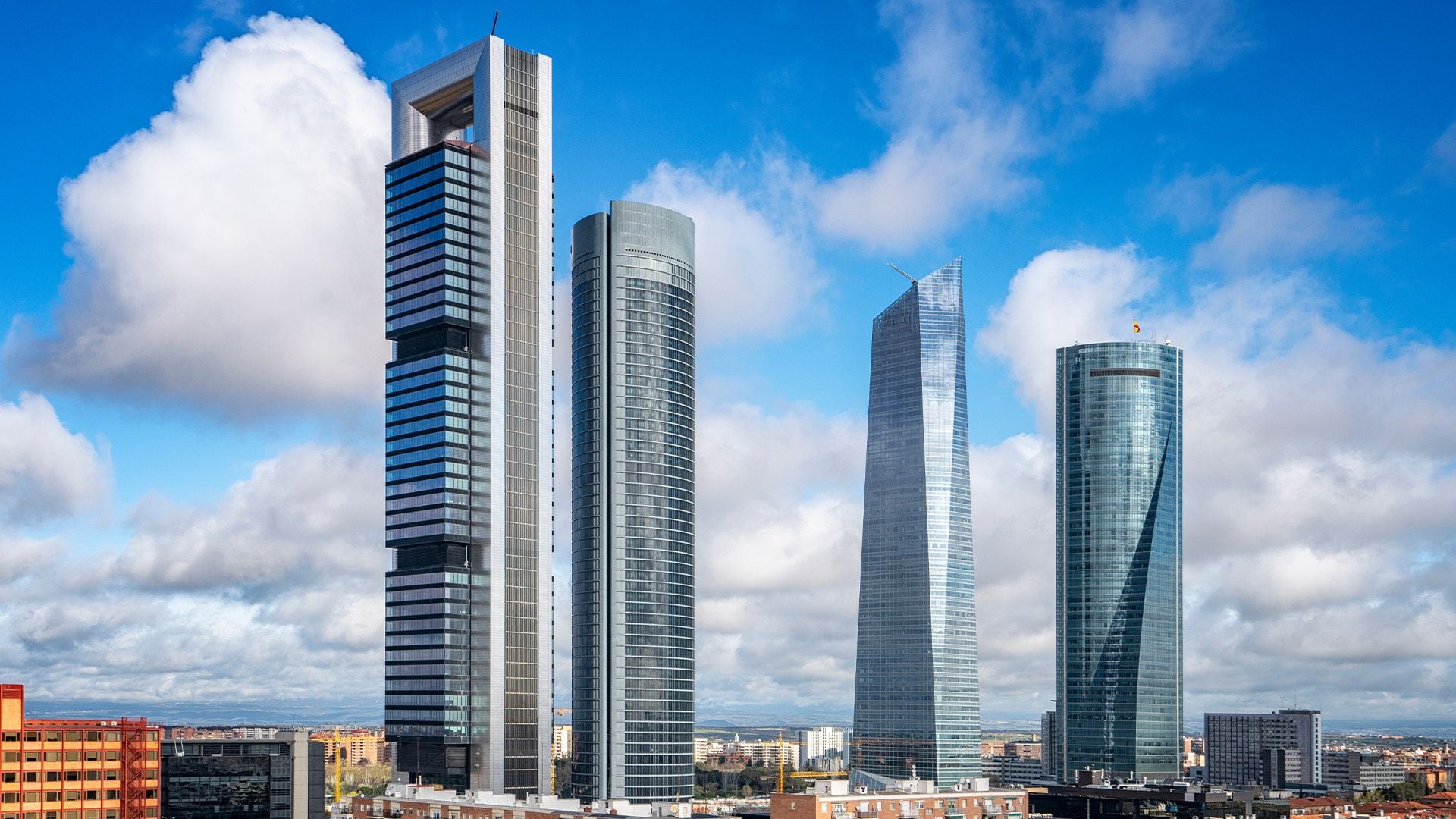
In September 2025, the results of the GRI Barometer: European Real Estate Outlook revealed Madrid as the top pick for most promising city for real estate investments among leading players. (Credit: Adobe Stock)
Why Iberia?
Compared with other core European markets, Iberia is less saturated, particularly in newer real estate segments. This relative immaturity creates opportunities to deploy capital into platforms and assets that still benefit from structural demand growth rather than pure yield compression.The region has also demonstrated resilience through recent global shocks, including the pandemic, geopolitical instability, and trade disruptions. While macroeconomic risk remains a core underwriting consideration, Spain and Portugal are not viewed as outliers within Europe, especially given their access to EU funding and their role as large regional economies.
Real estate in Iberia is also frequently positioned as a partial inflation hedge. Tangible assets can benefit from inflationary environments, although this protection is not absolute.
Residential
Residential strategies are a central pillar of Iberian real estate investment, but capital is increasingly targeting differentiated sub-sectors rather than traditional rental housing alone.Flex Living
Emerging as a distinct and fast-evolving asset class, flex living responds to increased labour mobility, shorter-term relocations, and demand for community-oriented living environments with integrated amenities.Rather than competing directly with conventional residential, flex living serves a different demand profile, similar to how PBSA evolved into a separate institutional sector.
These assets typically involve higher operational and management complexity, but that risk is balanced by the potential for higher returns. Importantly, flex living is generally developed on commercial land, reinforcing its structural distinction from standard residential.
Residential for Sale
The residential for sale sector remains active, particularly from a financing perspective, but development-led projects continue to face constraints from traditional banks, especially where pre-sales are required.This has opened space for alternative capital to support projects with strong fundamentals, provided that location quality, sponsor strength, construction risk, and execution capability are well aligned.
Serviced Apartments
Increasingly viewed as an attractive hybrid product, offering larger units with fewer amenities and catering to medium-stay demand. The sector benefits from structural demand in urban and destination markets, particularly when operated by experienced platforms.Financing appetite extends to both lease-based and hotel management agreement structures, with operator quality remaining the key underwriting variable.
Senior Living
Although it is gaining attention due to clear demographic demand, the senior living sector remains relatively untested in Iberia. Business models vary significantly, from lease-based structures to owner-occupier formats with ongoing service fees, complicating underwriting.While long-term demand fundamentals are evident, institutional liquidity and scale are still developing, with coastal locations currently presenting more viable entry points due to lower asset pricing and lifestyle appeal.
Investor interest is also extremely high in Barcelona, which earned 6th place in the GRI Barometer results, but limited availability of prime land and rising costs present challenges. (Credit: Freepik)
Commercial
Commercial real estate in Iberia continues to attract capital, though performance and liquidity are increasingly segmented by asset quality, location, and use case.Offices
The Iberian office sector remains investable in prime locations, supported by a stronger return-to-office dynamic than seen in some other European markets. This is particularly true of Lisbon, where record rental growth and a surge in flexible workspace demand is being seen.High-quality buildings with strong ESG credentials and central locations continue to perform, while secondary stock faces structural challenges. Transaction activity exists but remains selective, and market depth varies depending on whether demand is driven by institutional capital or private investors such as family offices.
Retail
Re-entering the investment universe after a prolonged period of dislocation, secondary shopping centres and retail parks are attracting renewed interest, particularly from lenders, as operating performance stabilises.Large retail assets also offer advantages in terms of scale, allowing investors to deploy capital more efficiently, although selectivity remains critical.
Hospitality
Structurally supported by Iberia’s position as a leading global tourism destination, the hospitality sector benefits from consistent demand across Spain and Portugal and remains attractive for both equity and credit strategies - particularly where assets require repositioning or transitional capital.Logistics
Although it continues to draw interest, scalability in logistics presents challenges. Limited availability around first and second ring roads in major cities such as Madrid and Barcelona often forces investors into more decentralised markets. As a result, successful logistics strategies in Iberia require flexible underwriting and geographic diversification.Data Centres
An increasingly relevant component of the Iberian real estate landscape, data centre demand reflects broader digitalisation trends and portfolio diversification strategies. While still developing relative to more mature European markets, the sector is attracting both equity and debt capital.Alternative lending dynamics
Alternative lenders play an increasingly important role in Iberia by filling gaps left by traditional banking constraints. Rather than competing directly with banks, alternative capital complements them, providing financing solutions where regulatory limits, pre-sale requirements, permitting risk, or asset complexity restrict conventional lending.Key areas of activity include residential development, hospitality, transitional office assets, logistics, retail parks, and data centres. Development-heavy situations are particularly active, as sponsors seek capital that can accommodate execution risk and flexible structuring.
Typical hospitality financing parameters in the market include minimum ticket sizes of EUR 15-20 million, with maximum loan-to-value levels around 70% and loan-to-cost ratios of up to 75-80%, depending on whether the asset is yielding or development-led.
Alternative lenders are also active across whole-loan and mezzanine structures, particularly for large or complex transactions.
From a return perspective, private credit strategies span from low double-digit target returns to lower-cost capital structures that rely on leverage to enhance overall performance. This reflects a maturing market where capital stacks are becoming more sophisticated and tailored.
Portugal's market is characterised by strong fundamentals, robust occupancy rates, and continually rising rents, making it attractive for global investors, as reported in our 2026 European Real Estate Analysis. (Credit: Freepik)
Key challenges
Despite its strengths, Iberia presents a set of structural and cyclical challenges that investors must navigate carefully.Scalability
A persistent constraint in the region, Portugal, in particular, is a small market where deploying EUR 1 billion can take several years. Spain offers greater depth, but institutional-scale deployment remains sector-dependent.Living strategies generally offer more aggregation potential than offices or logistics, while large commercial assets such as shopping centres provide scale but are relatively scarce.
Pricing Expectations
Continuing to limit transaction volumes, many owners are under limited pressure to sell due to moderate leverage levels in the previous cycle. As a result, bid-ask spreads remain wide, and market liquidity is uneven. Greater alignment may emerge as leases expire and loans mature, but timing remains uncertain.Regulatory Uncertainty
Doubts around regulatory consistency particularly in living-related sectors, adds complexity to underwriting and long-term visibility. Policy evolution can materially affect cash flows and exit assumptions.Exit Visibility, Refinancing Risk, and Liquidity
These factors are central considerations for both equity and credit investors. Investment cases increasingly hinge on realistic refinancing or sale assumptions within three to five years, rather than purely on stabilised cash flow projections.Enforcement processes in Spain are slower than in some other jurisdictions, which can deter international capital accustomed to faster legal remedies and reduce secondary market liquidity for loans.
Iberian Outlook
Iberia presents a differentiated opportunity set within Europe, combining macroeconomic momentum, structural demand growth, and sectoral diversification. Residential innovation, resilient hospitality, selective office exposure, revived retail formats, and emerging data centre strategies are reshaping portfolio construction across the region.However, returns are more influenced by the quality of investment decisions and management than by the overall economic trends or growth of the region. Building scale takes time, pricing discipline is essential, regulation remains fluid in key sectors, and exit planning is critical in markets where institutional liquidity can be inconsistent.
For investors able to underwrite complexity, adapt capital structures, and take a long-term view on deployment, Iberia continues to offer compelling opportunities, provided risk is priced with realism and discipline.
These insights were shared during GRI Institute’s Iberia International Talks virtual roundtable, which featured the participation of session moderator João Cristina (Merlin Properties), as well as Alfonso Agulló Torres (Santander AI & Deva Capital), Stefano Maturi (J.P. Morgan), and many other industry leaders.