 Wikimedia Commons
GRI Pan-European Hospitality Outlook H2 2026 - GRI Institute Report
Industry leader insights on how flexible leases, tech automation, and commercial conversions are driving institutional investment across core European markets
August 5, 2026Real Estate
Written by:Rory Hickman
Executive Summary
The European hospitality sector has firmly established itself as a resilient, mainstream institutional asset class, attracting robust global capital across core gateway cities and high-yielding regional destinations amidst ongoing economic volatility.
Drawing on insights from discussions among senior decision-makers at GRI Institute events throughout the first half of 2026, combined with the latest market research in our full Pan-European Real Estate Outlook H2 2026 report, we examine how persistent inflation, tightening short-term rental regulations, and shifting consumer preferences are driving a sector-wide pivot towards flexible lease structures, tech-enabled automation, branded residences, and sustainable commercial conversions.
Ahead of Europe GRI 2026 - Incorporating GRI Hospitality in Paris on 9th-10th September, where senior real estate executives will gather to continue the conversation, we take a detailed look at the core trends, operational strategies, and regional market dynamics shaping the future of this maturing sector.
► Don't miss the chance to shape the conversation at Europe GRI 2026 - Incorporating GRI Hospitality
Drawing on insights from discussions among senior decision-makers at GRI Institute events throughout the first half of 2026, combined with the latest market research in our full Pan-European Real Estate Outlook H2 2026 report, we examine how persistent inflation, tightening short-term rental regulations, and shifting consumer preferences are driving a sector-wide pivot towards flexible lease structures, tech-enabled automation, branded residences, and sustainable commercial conversions.
Ahead of Europe GRI 2026 - Incorporating GRI Hospitality in Paris on 9th-10th September, where senior real estate executives will gather to continue the conversation, we take a detailed look at the core trends, operational strategies, and regional market dynamics shaping the future of this maturing sector.
► Don't miss the chance to shape the conversation at Europe GRI 2026 - Incorporating GRI Hospitality
Key Takeaways
- The European hospitality sector has fully established itself as a resilient, mainstream institutional asset class, drawing strong international capital into both core gateway cities and high-yielding regional markets.
- To protect profit margins against persistent cost inflation, investors and operators are abandoning rigid lease structures in favour of flexible contracts, value-add repositioning, and tech-driven operational automation.
- Severe development bottlenecks and tightening short-term rental regulations are directing investment into alternative formats, including branded residences, serviced apartments, and ESG-compliant CRE conversions.
► European Hospitality Evolution
Amidst a permacrisis environment marked by geopolitical, monetary, and energy shocks, the European hospitality sector has fully transitioned from a niche alternative into a mainstream institutional asset class with stronger structural resilience than most other real estate markets.The impressively resilient sector is attracting significant acquisition interest from high-net-worth individuals (HNWIs), institutional funds, family offices, and specialised private equity platforms looking to hedge against economic volatility.
Capital from US, European, and global investors is deploying flexible capital stacks - combining equity, senior debt, and hybrid mezzanine financing - across both core gateway cities such as London, Paris, and major German hubs, and higher-yielding destinations in Central, Eastern, and South-East Europe.
This regional momentum is highlighted by dynamic performance in Spain and Italy following ambitious hotel stock modernisation policies, underscoring the urgent need for France to invest in its own upscale and leisure offerings.
Driven by structural reconfigurations in travel patterns and strong consumer preference for experiential travel, investors are prioritising asset resilience over simple market timing by moving away from rigid fixed leases toward mixed-use developments that layer hospitality with branded residences, wellness spaces, and co-working venues to compress capitalisation rates.
Operational uplift accounts for 60% to 70% of value creation in key segments, prompting private equity sponsors to actively reposition underperforming properties to enhance average daily rates, occupancy, and net operating income.
However, with cost pressures and energy price volatility weighing on valuations, 2026 hotel financing requires heightened lender selectivity based on location, category, product fit, and the quality of investors and operators.
This evolution is characterised by a market-wide pivot toward flexible, functionally adaptable serviced apartments that successfully coexist with traditional hotels to capture extended stays, affluent international travellers, and blended business-leisure travel.
Despite short-term rental platforms expanding to over 8 million active listings, European hotel demand remains resilient because hotels serve structurally distinct customer segments requiring consistency, security, and quality service.
Additionally, the regulatory landscape is shifting back in favour of hotels through strict municipal caps and bans - such as Barcelona phasing out tourist-apartment licences by November 2028, Amsterdam enforcing a 30-night cap, Spain issuing a EUR 64 million fine to Airbnb, and EU Regulation 2024/1028 establishing mandatory registration since May 2026.
Consequently, European hotels deliver strong rate performance, demonstrated by Barcelona hotel rates rising 60% since 2014.
Operational value is increasingly dictated by responsible luxury, strict ESG compliance to optimise financing, and high environmental certifications, which are redirecting capital from saturated coastal markets into year-round mountain resorts.
Finally, to combat regional payroll inflation and protect profit margins, operators and brand-driven private equity platforms are leveraging exception-driven technological platforms, AI, data analytics, and advanced customer relationship management systems to automate low-value tasks, deliver hyper-personalised visitor journeys, and secure lean staffing models across the continent.
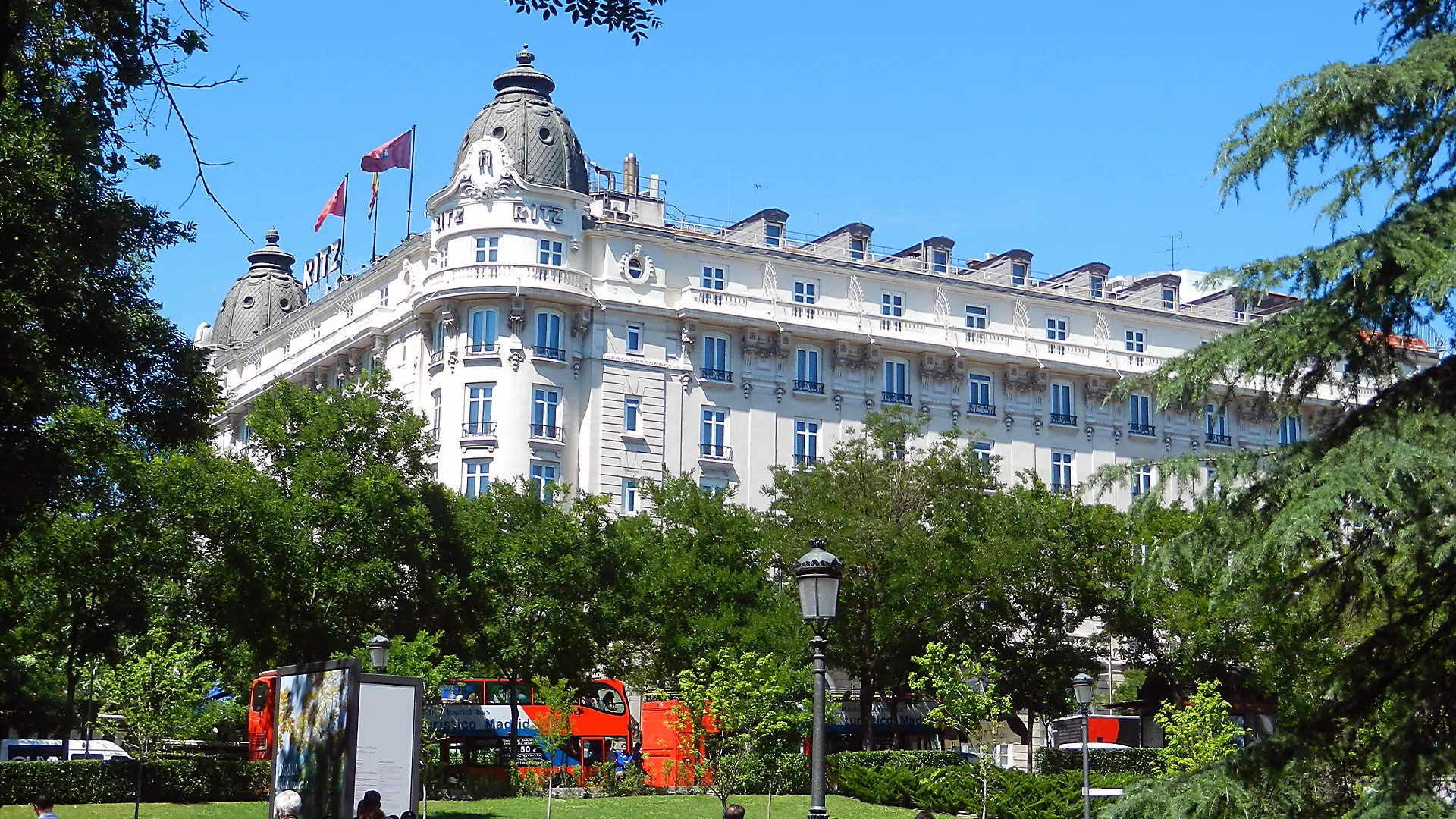
(Wikimedia Commons)
► Top 5 Hospitality Trends for H2 2026
1) Contract flexibility drives value-add repositioning
Investors across Europe are rapidly pivoting away from traditional fixed lease structures in favour of flexible management agreements, hybrid contracts, and manchise (management-franchise) agreements. Driven by cost pressures, energy volatility, and inflation, capital platforms are seeking direct exposure to operational upside.Private equity sponsors and institutional funds are actively targeting underperforming properties for strategic repositioning, rebranding, and modernisation to drive rate growth and optimise net operating income.
2) Algorithmic automation offsets payroll inflation
Operational efficiency has become essential to safeguard profit margins against widespread European labour shortages and rising wage costs. Hotel operators are implementing exception-driven technology platforms, guest-facing AI agents, automated check-in systems, and integrated back-office tools.By automating routine administrative tasks and guest communications, management can maintain leaner staffing models, improve pricing accuracy, and refocus on-site teams on higher-value customer experiences.
3) Branded boom strengthens luxury capital stacks
High development costs, elevated interest rates, and tight financing conditions are accelerating the integration of branded residences within luxury and ultra-luxury developments.Combining residential sales with hotel operations de-risks initial capital stacks, provides early liquidity, and creates recurring service revenue streams. This model is proving highly effective at attracting affluent international buyers, particularly US capital seeking geopolitical hedges, premium amenities, and high-end lifestyle offerings.
4) Aparthotel ascension fills short-term rental void
Strict municipal regulations, tight caps, and outright bans on short-term rental platforms in major European hubs are pushing guest demand toward compliant, institutional accommodation.Flex-living concepts, serviced apartments, and aparthotels are expanding rapidly to fill this void. These high-efficiency formats cater to long-stay guests, business-leisure travellers, and corporate clients requiring consistent service quality, security, and modern conveniences.
5) Asset conversions drive sustainable upgrades
Severe planning bottlenecks, high construction costs, and tight zoning restrictions are constraining ground-up developments across the continent. Consequently, institutional capital is converting obsolete office assets and secondary commercial spaces into modern hospitality formats.Concurrently, stringent regulatory carbon-reduction targets and sustainability mandates make high environmental certifications essential for securing debt financing, lowering operating costs, and maximising asset values upon exit.
► Regional Analysis
United Kingdom
The UK hospitality market enters the second half of 2026 on a robust foundation, underpinned by approximately GBP 2.9 billion in hotel investment volumes during the first half of the year, representing a 119% increase year-on-year, with London attracting GBP 1.7 billion from global capital.Although monthly investment experienced a slowdown to GBP 180 million in May and hotel net initial yields rose by 21 basis points, sectoral confidence is returning due to resilient international demand, rising consumer spending, and an annual hotel rental growth rate of 3.0% that remains well above the five-year average.
Strong transaction activity in London and selective regional markets including Marlow, Reading, Oxford, and Edinburgh has anchored liquidity, positioning the market well to weather potential political and geopolitical risks in the third quarter.
The UK’s outlook will be increasingly shaped by value-add investors targeting underperforming hospitality properties for rebranding, modernisation, and regional repositioning, alongside the integration of emerging technologies to improve operational efficiency and protect profit margins against rising labour costs.
Looking further ahead, while the immediate future suggests near-term stagnation, a wider market recovery is anticipated from 2027 onwards as obsolete buildings undergo necessary modernisations, and investor focus shifts towards secure income, asset quality, and retail-led sectors.
Germany
The German hospitality sector is defined by a distinct structural shift away from traditional hotel assets toward flexible, high-efficiency accommodation networks.The traditional sector faces severe operational headwinds from post-pandemic liabilities, a 30-40% expansion in room supply over the last six years, and sharp cost increases for cleaning, energy, and labour, while the luxury segment remains heavily dependent on international feeder markets such as the US.
Consequently, rigid fixed leases are being replaced by management agreements, hybrid leases, and low-base rent models, while stalled new development caused by a 50% cap on loan-to-cost ratios has forced a market focus on compact, high-efficiency, and plug-and-play concepts near transport hubs.
Meanwhile, alternative hospitality assets yielding between 4.5% and 7.5% remain resilient, led by a serviced apartment sector where leisure demand has outpaced business travel for the first time.
To bypass expensive third-party booking platforms that cost up to 30% of top-line revenue and to deliver robust rent coverage ratios between 1.4 and 1.8, operators are adopting lean, automated operating models, even as European institutional investors continue to mandate traditional lease structures to secure passive income streams.
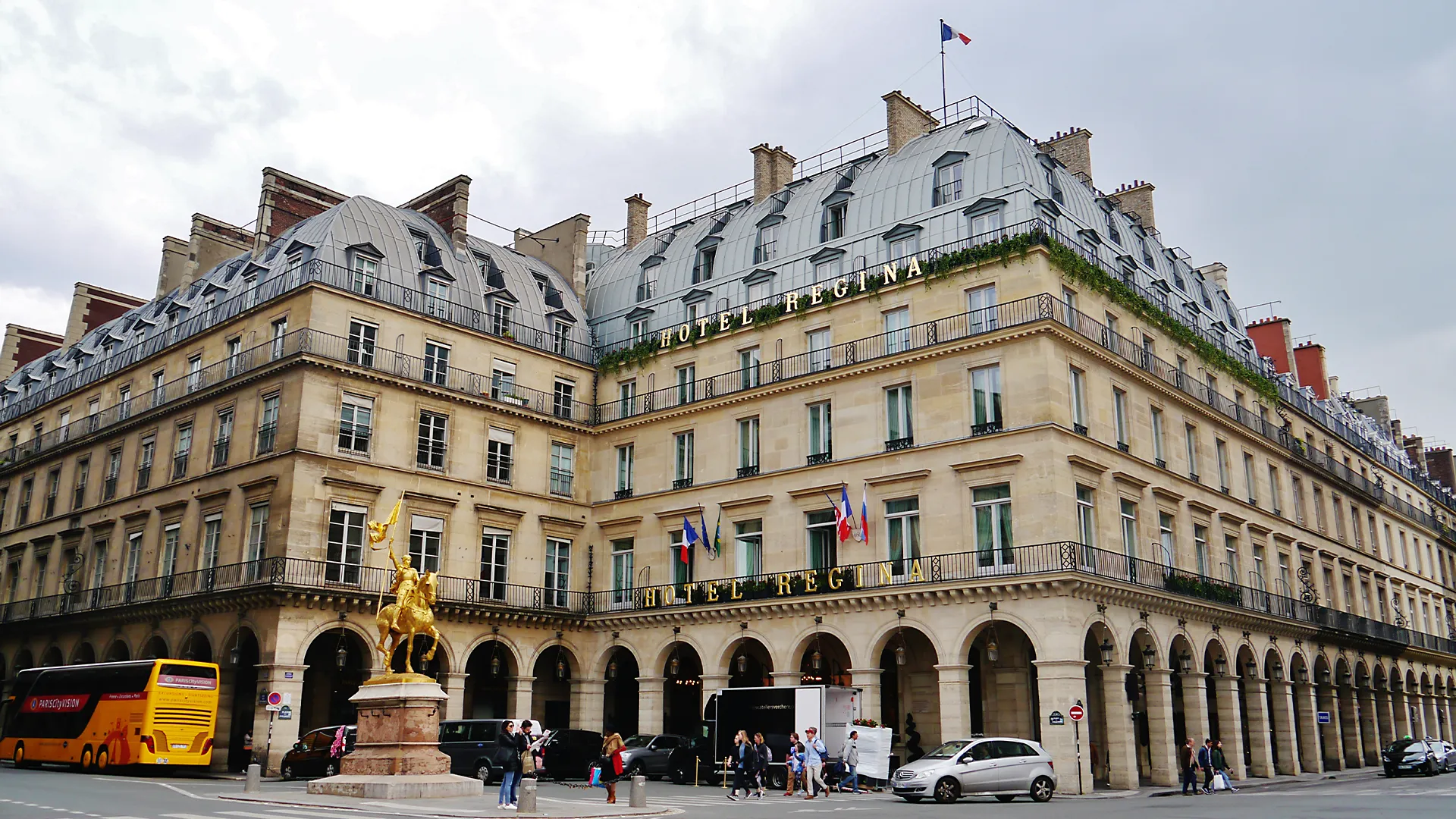
(Wikimedia Commons)
France
France’s hospitality sector has solidified its status as a mainstream core asset class, accounting for 12% of total commercial investment following a 22% growth loop and an extraordinary 30% surge in Parisian hotel revenues between 2019 and 2025.The market has bifurcated into a distinct tale of two tiers, where premium 4-star and 5-star properties have successfully pushed daily rates up by 40% to 50%, while price-inelastic budget segments are severely squeezed by a rigid EUR 40 to EUR 60 room-rate ceiling.
To insulate against rising payroll inflation, expensive energy contracts, and mandatory 2030 carbon-reduction deadlines under the Décret Tertiaire, owners are aggressively phasing out traditional fixed leases in favour of flexible management contracts, hybrid structures, and manchise (management-franchise) agreements that directly capture operational upsides and maximise exit values.
Although acute supply bottlenecks persist, with less than 2% of existing inventory under active development due to strict zoning, high construction costs, and expensive financing, capital continues to rotate out of offices into hotel assets, innovative modular dormitories that double bed density per square metre, and high-efficiency aparthotels.
However, near-term transaction volumes in the mid-cap market remain stalled by a significant bid-ask spread, which is further compounded by permitting gridlocks for large branded residential schemes, rigid 24-hour on-site staffing mandates that disrupt small short-term rentals, and underwriting friction from appraisers reluctant to apply the sharper 4.25% to 4.50% capitalisation rates seen in alternative residential sectors.
Spain
The Spanish hospitality sector continues to command safe-haven status, driven by a resilient tourism performance that has captured 38% of the executive vote by bolstering yields and sustaining robust baseline demand across hotels and short-stay accommodation formats.Backed by solid operating fundamentals, abundant liquidity, and a stabilising financing environment, hotel investment reached a record EUR 2.46 billion in H1 2026, marking a 26.5% year-on-year increase and bringing 12-month total volumes to EUR 4.8 billion.
Supported by strong market momentum, total hotel investment in Spain is projected to exceed EUR 4 billion by the end of 2026.
Market deployment remains heavily concentrated in resort destinations, premium four- and five-star assets, and single-asset transactions. Capital activity is led primarily by domestic buyers, with prime acquisition focus directed towards the Balearic Islands, the Costa del Sol, Madrid, the Canary Islands, and Barcelona.
High conviction in tourism has fuelled a distinct pivot toward luxury and ultra-luxury developments, particularly branded residences that integrate extensive lifestyle ecosystems and premium food and beverage services to command price premiums of 35% to 40% and achieve average daily rates exceeding EUR 1,000 in secondary cities and remote coastal zones.
To expand tourism infrastructure without cannibalising long-term residential housing stock, city planners are prioritising the conversion of tertiary-use properties, such as office assets, into hospitality or serviced accommodation.
Meanwhile operational real estate models like hospitality-linked residences and flexible layouts are actively pursued to capture changing lifestyle patterns and secure recurring income. These operations are heavily dominated by tech-enabled hybrid models that blend hotel features, serviced apartment characteristics, and short-term rental flexibility.
Within this framework, integrated proprietary back-office systems and outsourced maintenance services allow firms to manage international portfolios with minimal on-site teams, automation handles 85% to 90% of the reservation lifecycle to fully offset labour cost inflation, and sophisticated AI agents manage complex guest interactions with front-desk accuracy.
Furthermore, digital check-ins and verified identities have eliminated administrative friction to shift staff roles toward experience-driven guest relations, while sustainability and ESG green certifications have become fundamental prerequisites to secure multinational corporate bookings, boosting asset values by up to 20% upon exit despite potential conflicts between automated climate controls and manual guest preferences.
Portugal
Portugal's mature hospitality sector is undergoing a period of consolidation and stabilisation, highlighted by a revenue per available room surge of approximately 40% since 2019 that easily outpaces cumulative inflation.Global capital is deploying investments into the country for strategic portfolio diversification, leveraging a distinct competitive advantage to attract ultra-luxury US consumers seeking currency diversification, stable geopolitical hedges, and second homes.
With standalone luxury hotels increasingly difficult to justify financially, developers are coupling projects with branded residences and second-home rental programmes to mitigate risk, secure pre-sales, and support the initial capital stack.
This disciplined approach is necessary to navigate severe development hurdles, including high construction costs, acute labour shortages, a scarcity of prime beachfront plots, and municipal planning delays of 12 to 36 months.
Concurrently, the market is polarising into a severe digital divide where tech-forward operators employ automated frameworks and dynamic pricing to generate highly efficient profit margins of 60% to 62%, leaving traditional mid-scale establishments highly vulnerable to rising payroll expenses.
As traveller preferences shift away from uniform luxury toward experiential lifestyle concepts, ecotourism, wellness, and specialised farm-style formats, destination management must prioritise low-volume quality over quantity to mitigate local pushback, protect the environment, and avoid interventionist rent ceilings.
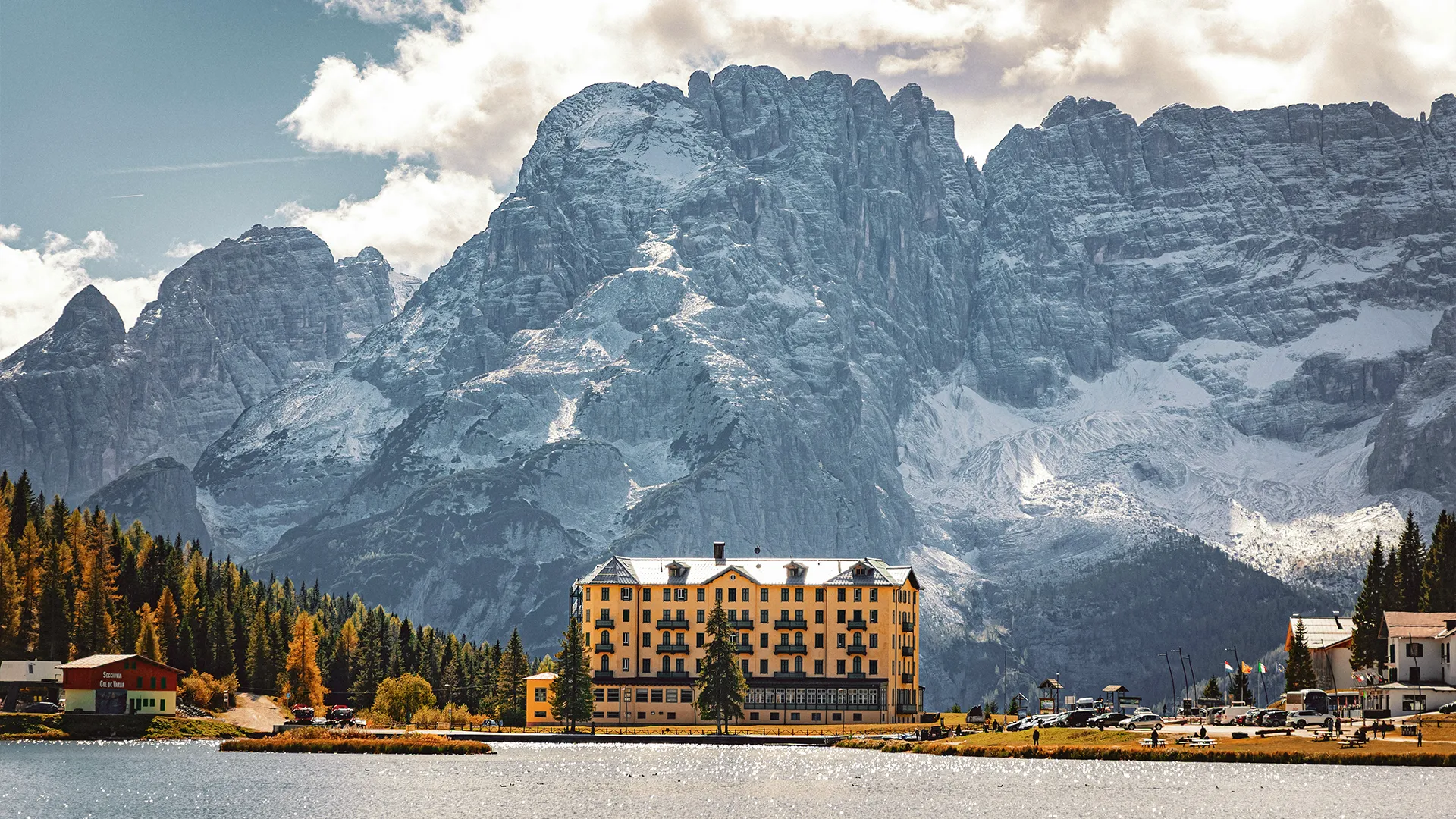
(Wikimedia Commons)
Italy
Italy’s hospitality sector is undergoing a significant institutional overhaul, professionalising away from its historically fragmented roots after attracting EUR 2.35 billion in 2025 and an additional EUR 1.25 billion during the first half of 2026.Driven by a record-breaking summer season featuring a projected online travel agency occupancy rate of 51.2%, robust demand from US and Brazilian travellers, and a 14% expansion in scheduled direct airline capacity, the country has secured its position as a top European capital destination.
While inflows remain concentrated within premier art cities and prominent leisure hubs, high entry barriers and prohibitively expensive ultra-luxury development costs of EUR 1 million to EUR 1.5 million per key have forced international funds to utilise forward-purchase structures for turnkey office-to-hotel conversions.
At the same time, 42% of executives are prioritising the upgrading of underserved mid-market assets into four- and five-star establishments, often shifting geographically toward well-connected locations outside urban hubs or secondary regions such as Sicily, Puglia, and the Alps.
To shield owner margins from severe local staffing shortages and development costs that track roughly 20% higher than adjacent European markets, the industry is rapidly favouring scalable franchise frameworks, integrating dedicated staff housing, and replacing traditional leases with flexible hotel management agreements.
Central and Eastern Europe (CEE)
CEE’s hospitality sector is experiencing an impressive upward trajectory, capturing 16% of investor preference within the regional barometer as capital increasingly flows into high-performing accommodation formats.Poland remains a major engine of this expansion, drawing 58.9 million guests in 2025 and driving a development pipeline of 37 confirmed projects across its top five cities, backed by high urban occupancy levels in Warsaw, Kraków, and Tri-City.
In the Czech Republic, an institutional flight to quality has turned Prague into the region’s most active hotel investment hub, where a highly insulated, stagnant supply pipeline has pushed revenue per available room 27% above its pre-pandemic baseline.
Romania has similarly reached a post-1992 milestone by recording its highest number of hotel overnight stays in over three decades, with Bucharest driving market maturation through central four-star hotel occupancies of nearly 80% and average daily rates of EUR 140.
To circumvent development bottlenecks and capture high returns, 39% of regional respondents view functional conversion into living, education, or hospitality uses as the most viable path forward for obsolete capital city offices, prompting boutique investment managers to utilise value-add flex strategies that transform 30-year-old commercial buildings and redundant retail galleries into upscale hotels.
► What’s Next for European Hospitality?
Looking ahead, European hospitality is cementing its position as a resilient, institutional-grade asset class capable of navigating ongoing macroeconomic volatility.The continent's future growth will increasingly rely on operational agility, technological integration, and sustainable asset management rather than traditional, passive ownership models.
As capital platforms continue to favour flexible contractual structures, tech-driven margin protection, and creative commercial conversions, the market is entering a mature phase defined by professionalisation.
In the end, investors and operators who can successfully combine high-efficiency operational frameworks, strict ESG alignment, and experiential hospitality offerings will be best positioned to capture long-term value across Europe.
► Be part of the conversation when industry leaders gather for Europe GRI 2026 - Incorporating GRI Hospitality in Paris on 9th-10th September
► This report was adapted from our full Pan-European Real Estate Outlook H2 2026 report - available here