 GRI Institute
Professionalising the Peninsula: Italia GRI 2026 Spotlight Report
In-depth industry leader insights on the structural shifts, capital trends, and strategic opportunities defining the current Italian investment cycle
June 1, 2026Real Estate
Written by:Rory Hickman
Executive Summary
Italy’s real estate market is currently navigating a period of transition. On one side sits a strong investment case - a geopolitical safe haven status, impressive 2025 transaction volumes, and diversification into new sectors. On the other sits an execution environment shaped by high construction costs, administrative hurdles, and a domestic institutional management rate of only 17%.
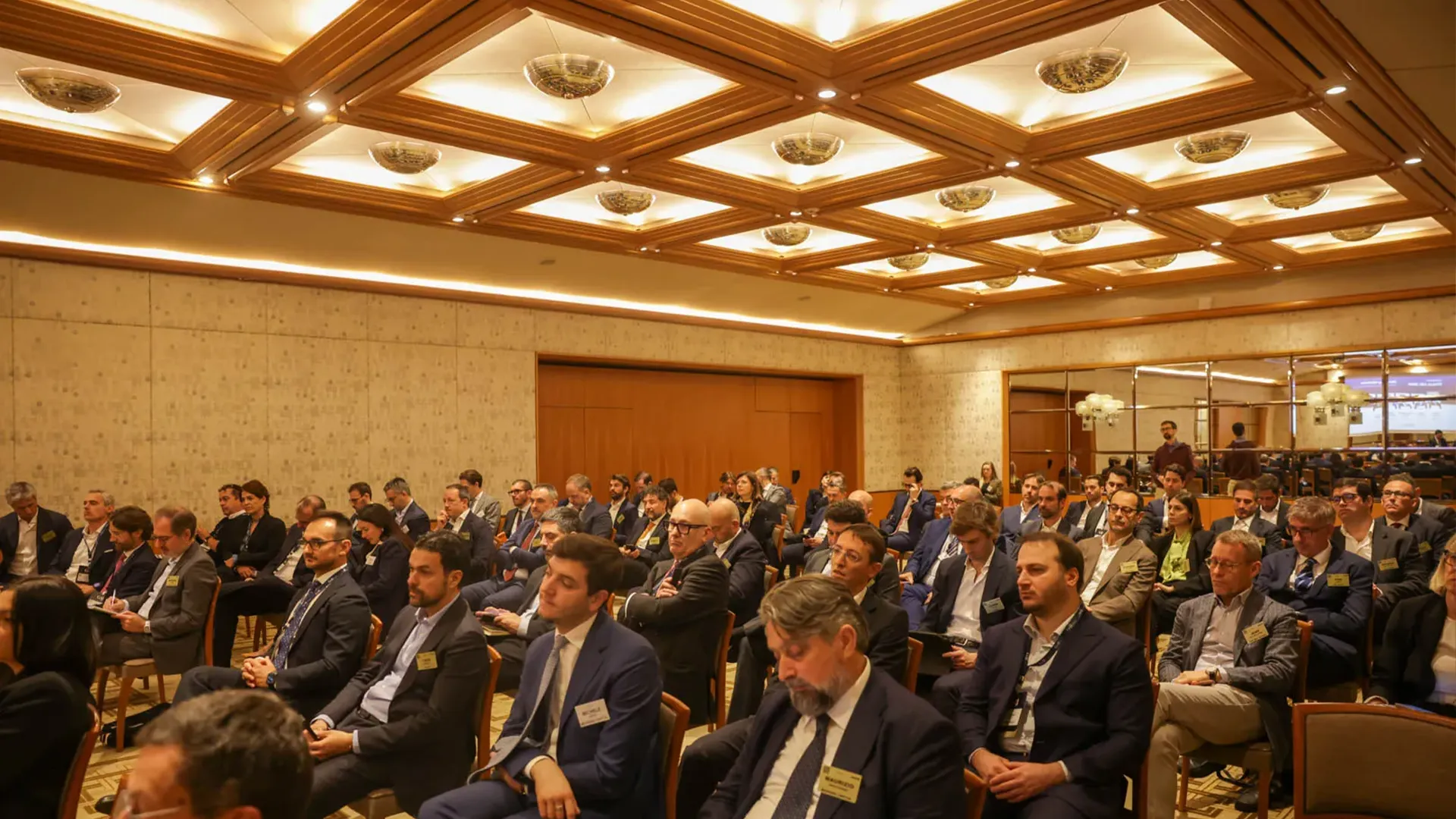
This shift defined discussions at Italia GRI 2026 in Milan, where capital is increasingly moving beyond prime destinations. What emerges is a move toward institutional maturity, driven by the professionalisation of family office holdings and the valorisation of public assets to meet the national housing deficit.
Ahead of the GRI Institute’s Italian Commercial Real Estate 2026 forum in Milan on 18th June and Europe GRI 2026 Summer Edition on 9th-10th September in Paris, we take a look at the current trends and future outlook for the market.
This shift defined discussions at Italia GRI 2026 in Milan, where capital is increasingly moving beyond prime destinations. What emerges is a move toward institutional maturity, driven by the professionalisation of family office holdings and the valorisation of public assets to meet the national housing deficit.
Ahead of the GRI Institute’s Italian Commercial Real Estate 2026 forum in Milan on 18th June and Europe GRI 2026 Summer Edition on 9th-10th September in Paris, we take a look at the current trends and future outlook for the market.
Key Takeaways
- Italy is established as a geopolitical safe haven with 2025 investment volumes rising by 20%, signalling a recovery phase that is now diversifying geographically across the country.
- The living sector is shifting toward a professionalised rental market, with growing institutional interest in specialised platforms despite high construction costs and widening affordability gaps.
- Commercial performance remains robust, with hospitality volumes growing by 18%, logistics vacancy reaching record lows, and prime Milanese offices maintaining a tight 2% vacancy rate.
Navigating Italy’s 2026 Real Estate Cycle
The Italian real estate market is currently identified as a safe haven, characterised by an unusually stable geopolitical environment compared to the rest of the continent. In 2025, transaction volumes reached EUR 12.5 billion, representing a 20% increase over the previous year.While the market is perceived as being in the mid-stage of its cycle, there is strong optimism that it has reached a bottom and is beginning a period of recovery, albeit slightly trailing other Southern European peers such as Spain.
This growth is accompanied by a geographical diversification of capital; whereas investment was previously concentrated almost exclusively in Milan and Rome, those hubs now account for only 30% of activity, with the remaining 70% distributed across other national regions.
Investment appetite is increasingly gravitating toward digital and social infrastructure, a category encompassing logistics, data centres, and various segments of the living sector, such as purpose-built student accommodation (PBSA), build-to-rent (BTR) projects, and healthcare facilities.
These assets are favoured for their resilient, inflation-linked cash flows, which provide a necessary buffer against the elevated cost of debt and persistent global macroeconomic and geopolitical uncertainty.
While some investors remain opportunistically driven, there is a clear trend towards core-plus strategies that prioritise long-term cash flow over speculative capital appreciation.
Despite the positive outlook, the Italian market faces significant structural challenges, including a high reliance on international capital and a need for greater domestic institutional participation.
Currently, only 17% of Italian real assets are managed by institutional investors, far below the 43% European average, suggesting a vast area for growth as family offices begin to professionalise their holdings.
Administrative hurdles and permitting risks are viewed as major deterrents, often described as an administrative risk rather than a planning one, which highlights the urgent need for legal certainty and faster processing times.
Future development is also contingent on expanding the production capacity of the construction sector, which is presently dominated by small firms with limited turnover. Additionally, the industry must navigate high construction costs and limited productivity capacity amongst local contractors to meet housing demand.
There is, however, significant optimism regarding government efforts to valorise EUR 60 billion of public assets, including the conversion of former barracks and offices into affordable housing and mixed-use spaces to meet a national deficit of 600,000 homes.
(GRI Institute)
The Residential Equation
The Italian residential market is currently navigating a complex transition from a historical culture of home ownership toward a professionalised rental sector.This shift is complicated by a widening affordability gap, as real estate prices and rental rates have significantly outpaced salary growth over the last decade. Since 2015, the ratio between price and income has deteriorated by approximately 27%, severely reducing the purchasing power of the average citizen.
While public investment in housing remains low at 0.2% of GDP - notably behind European benchmarks such as France - there is an increasing recognition that local municipalities must become more competitive by streamlining permitting processes and fostering environments that attract institutional capital.
A sharp dichotomy has emerged between the luxury segment and the "grey market" or middle-income sector. High-end developments remain resilient, fueled by wealthy domestic buyers and international residents, whereas the middle market is stalling because of high interest rates and a lack of accessible mortgages.
Institutional interest is growing in specialised asset classes such as PBSA, which is viewed as a pioneer for broader residential platforms due to its clear regulatory framework and recurring income profile.
However, establishing a robust BTR market remains a challenge; investors often find build-to-sell models more attractive because of higher capital values and the perceived risks associated with long-term tenant management and the lack of a proven track record for rental churn in the country.
Systemic structural barriers continue to hinder the industrialisation of the construction sector, where productivity has stagnated compared to the rapid gains seen in manufacturing.
Construction costs have consolidated at levels 30% to 35% higher than pre-2020 figures, often reaching EUR 3,000 per square metre, which makes mid-market and affordable projects difficult to pencil out without significant scale or off-site manufacturing techniques.
Furthermore, the market faces technical hurdles including VAT non-neutrality during asset transfers and the regulatory limitations of patient capital sources, such as insurance companies, which are constrained by solvency requirements.
Unlocking this potential will require a more consistent national narrative, tax efficiencies for long-term holders, and a shift in mindset that views the tenant as the core value of the real estate asset.
Alternative Living
The Italian alternative living sector is expanding into secondary cities, targeting urban regeneration through office-to-living conversions and transit-oriented developments. These flex-living solutions are increasingly reliant on staff-light, technology-driven models to minimise operational costs while improving the guest journey through artificial intelligence.By utilising tertiary parcels that were historically designated for office or hotel use, developers are creating supply in semi-peripheral areas where land prices are more manageable.
Such hybrid models, which combine short-term stays with medium-term corporate or student housing, provide the necessary liquidity to navigate fluctuating seasonal demand across major hubs including Bologna, Turin, and Naples.
PBSA continues to mature as an asset class, though it faces a structural dilemma regarding investment contracts. While value-add investors prefer management agreements to capture operational upside and net operating income (NOI) growth, core buyers often demand traditional leases for stable cash flow, creating friction during asset exits.
To mitigate this, some developers are internalising operations to ensure full alignment of interest and control over the value chain. This strategy is particularly vital in the affordable segment, where controlling operational expenditure is essential for maintaining margins and delivering social impact within large-scale urban regeneration schemes.
Beyond PBSA, healthcare and care homes are supported by strong demographic fundamentals, yet pure senior living faces significant cultural headwinds.
Unlike Northern European markets where senior communities are well-established, local seniors often prefer to age in place due to high rates of home ownership and the availability of "naked property" sales to generate liquidity.
There is also a lack of standardised product models in this space, making it difficult for institutional capital to achieve the necessary scale. Consequently, while value-add capital is heavily allocated toward specialised PBSA platforms, healthcare remains a more niche play focused on revamping existing facilities to meet future medical requirements.

(GRI Institute)
Hotels and Hospitality
The Italian mainstream hospitality market is experiencing strong investment momentum, with volumes reaching EUR 2.2 billion, representing an 18% year-on-year increase, while average daily rate (ADR) growth is considered sustainable for the upscale and mid-market sectors - historically outperforming national GDP growth.Despite global geopolitical tensions, the Western Mediterranean remains a perceived safe destination, attracting a diversifying guest base that includes a significant influx from the US and emerging South American markets, including Brazil.
While the market remains highly fragmented compared to other European peers, the consistent demand for branded products in non-luxury segments provides substantial room for expansion.
Significant barriers to entry persist, particularly regarding administrative risks and inflated capital expenditure costs, which are estimated to be 20% higher in Italy than in neighbouring markets.
Investors are increasingly exploring office-to-hotel conversions and industrial redevelopments to bypass the saturation of the ultra-luxury segment, which often commands prohibitively high entry prices.
To mitigate development and permitting risks, forward-purchase structures are becoming a common tool for international capital to secure turnkey products from local developers.
Furthermore, as prime city centres become exclusive to the five-star market, interest is shifting toward well-connected properties located 20 minutes from urban hubs where profitable mid-market operations are more feasible.
Operational strategies are evolving toward asset-light models, with franchise agreements gaining popularity for their scalability, although direct management remains preferred for maintaining brand standards in the lifestyle and luxury spaces.
Geographic focus is expanding to secondary regions such as Sicily, Puglia, and the Alps, driven by direct international flight connectivity and the transformative impact of social media and entertainment on destination awareness.
Mountain tourism is particularly benefiting from extended seasonality as rising temperatures make the Alps an attractive summer alternative to coastal regions. However, maintaining service quality in these destinations requires addressing severe staffing shortages, often necessitating the inclusion of dedicated staff housing within the investment's initial business plan to ensure operational stability.
Luxury and Ultra-Luxury Hospitality
The Italian luxury and ultra-luxury hospitality market is currently viewed as a multi-decade opportunity, characterised by severe supply constraints in mature markets and an escalating global demand from high-net-worth individuals (HNWIs).Geopolitical stability within the region, bolstered by specific tax incentives, has increasingly positioned the country as a primary safe haven for high-end tourists and investors seeking alternatives to volatile regions in the Middle East.
While consolidated hubs like Milan and Lake Como remain highly sought after, Rome is undergoing a significant transition toward luxury standardisation, though there are ongoing discussions regarding whether its political and service infrastructure can yet support the consistent occupancy levels seen in finance and fashion-driven cities.
Investment in the ultra-luxury tier has become increasingly capital-intensive, with costs often ranging between EUR 1 million and EUR 1.5 million per key, compared to roughly EUR 650,000 for standard luxury assets. To maintain sustainability, developers typically target double-digit yields on cost and look for a significant spread between development expenditure and exit valuations.
A major emerging trend within this space is the proliferation of branded living assets, which cater to ultra-wealthy individuals looking for permanent trophy residences. These properties are increasingly held by mega-family offices and sovereign wealth funds who prioritise long-term wealth preservation and iconic status over the quick returns sought by speculative, value-add investors.
Operational models in the five-star and ultra-luxury segments have shifted almost entirely toward Hotel Management Agreements, with lease structures being effectively phased out due to the high risk and performance-dependent nature of these properties.
This shift necessitates absolute alignment between the owner and the operator, particularly regarding the balance between the operator’s desire to enhance guest experience and the owner’s focus on the bottom-line margin.
Furthermore, the longevity of these assets depends on a commitment to consistent, long-term capital expenditure and maintenance, as "squeezing" the property for short-term gain is viewed as a strategy that ultimately kills the product's value in the ultra-luxury tier.

(GRI Institute)
Offices Reinvented
The Italian office sector remains a core investment pillar, accounting for 16% of total national investment volumes despite recent macroeconomic headwinds. Fundamentals are robust, particularly in Milan where prime rents have increased by 60% over the last decade to approximately EUR 800 per square metre.While general vacancy rates hover around 9%, Grade A stock is much tighter at below 4%, dropping to just 2% within Central Business Districts (CBDs). Prime yields have demonstrated significant resilience, sitting at 4% for Milan and 4.5% for Rome, primarily supported by private capital that values long-term inflation protection and capital preservation over short-term benchmarks.
A distinct divergence exists between a strong leasing market and a more cautious capital market, necessitating a rethink of the office as an experience rather than a mere cost.
Successful developments in semi-central or peripheral locations rely on campus-style models that integrate high ESG standards, certifications, and extensive amenities such as retail, auditoriums, and community partnerships. These services are essential for talent retention, as modern corporations view office quality as a critical tool to prevent employee turnover.
Investors are increasingly focusing on the quality of life for building users, transforming offices into infrastructure that promotes productivity and social interaction through local branding and unique food offerings.
The investment landscape is currently challenged by a widening bid-ask gap driven by high interest rates and the expiration of legacy debt drawn at zero-base rates. Institutional liquidity is weak for large-scale deals over EUR 100 million, leading to a shift toward smaller tickets or full-equity plays to manage debt sustainability.
However, alternative lenders are becoming increasingly prominent, offering high-leverage financing and equity recaps at LTV levels of 70% to 75% for strong sponsors with proven track records.
Looking ahead, value will be differentiated by mixed-use components and the ability to find semi-core locations where robust demand can be captured as prime CBD locations reach saturation.
Retail Value Creation
The Italian retail investment market is experiencing a significant resurgence, particularly in secondary and tertiary cities where dominant urban shopping centres and retail parks offer resilient day-to-day returns.While the market saw a period of institutional hesitation, the fundamentals remain solid, with turnover for the start of 2026 showing resilience despite global geopolitical tensions, and liquidity is returning as international capital - specifically from the US, South Africa, and South America - seeks geographical diversification and attractive yields compared to other European regions.
Investors are increasingly comfortable with secondary locations, provided key performance indicators such as footfall and turnover remain stable.
Despite common international misconceptions regarding the legal system and political landscape, experienced players often find the professional environment comparable to other mature markets once the initial barrier to entry is overcome.
A notable divergence has emerged between the luxury high street and secondary retail formats. While ultra-prime locations remain iconic, there is a clear flight to quality as luxury brands consolidate their presence into fewer, high-performing flagship stores rather than broad regional coverage.
Conversely, secondary high street units in smaller cities face liquidity challenges due to complex multi-ownership structures and limited retailer demand.
Across the board, there remains a persistent gap between seller and buyer pricing expectations, as yields have begun to compress from previous double-digit levels while deals take longer to close.
The role of proactive asset management has become critical in maintaining asset value and preventing obsolescence. Modern retail models have shifted away from traditional hypermarket anchors toward more diverse "multi-anchor" ecosystems featuring fashion retailers, leisure components, and food courts.
Retailers are increasingly viewing physical shops as brand platforms for customer engagement and experience rather than simple points of sale, often seeking flexible or shorter lease terms to refresh their offerings.
While sustainability and digital technology are considered essential for institutional certification and operational efficiency, they are frequently viewed as must-haves for lenders rather than primary drivers of consumer behaviour, with convenience and value for money remaining the top priorities for shoppers.
Strategic capital expenditure remains vital, as neglecting long-term maintenance can lead to rapid asset deterioration.
Logistics & Light Industrial
The Italian logistics sector demonstrated exceptional resilience in the first quarter of 2026, transacting EUR 415 million with a forecasted pipeline reaching EUR 1.5 billion by mid-year.Occupier demand remained remarkably high, with a take-up of 848,000 square metres, surpassing expectations despite broader European downturns in northern markets.
Prime yields currently stand at 5.25% for top-tier locations, supported by record-low vacancy rates that are near zero in certain northern hubs, while prime rents vary by region, with Milan at EUR 71 and Rome at EUR 70, reflecting a market that has experienced less significant take-up decrements than its continental peers.
Development strategies have shifted significantly toward build-to-suit and de-risked operations due to mounting permitting complexities and volatile construction costs, which can escalate by 14% within a single month.
High inflation and fluctuating prices for materials such as steel and bitumen have shortened the validity of construction offers, often to less than six months. Consequently, tenants are prioritising long-term strategic moves, often signing 10-year contracts to secure space and mitigate future rental pressure.
Labour availability has also emerged as a primary driver; record-low unemployment in northern hubs is forcing investors to consider locations where staffing needs can be more readily met.
Geographically, attention is expanding toward emerging hubs in the South where labour markets are less saturated and specific tax benefits, such as those provided by Special Economic Zones (SEZs), offer significant investment incentives.
These southern markets provide a yield premium of roughly 200 basis points over the North, attracting institutional capital looking for high-quality, ESG-compliant assets. Furthermore, the national tax framework for real estate vehicles serves as a vital competitive advantage that helps offset higher financing costs for international investors.
Looking forward, trends such as near-shoring and increased defence spending are expected to further constrain supply and apply upward pressure on rents in strategic micro-areas.

(GRI Institute)
Real Estate Debt Outlook
The Italian debt market is currently viewed as a premier destination for alternative lenders due to a unique combination of expanded cap rates and reduced competition compared to other European jurisdictions.While the domestic investment landscape remains heavily tethered to a traditional banking system, the scarcity of active banks creates significant opportunities for private debt providers to offer bespoke capital solutions.
Investors are increasingly comfortable navigating local structural complexities, leveraging technical vehicles such as private securitisations to deploy capital into a market that is still early in its transition toward diversified lending sources.
Lending dynamics have evolved from purely opportunistic or special-situations plays toward financing income-producing assets and strategic developments.
There remains a cultural mismatch between local sponsors, who historically operated with exceptionally high leverage, and the disciplined requirements of modern alternative lenders who demand significant cash equity.
Currently, alternative loans for mid-market developments are transacting in the region of Euribor plus 600 basis points for 70% to 75% loan-to-cost (LTC) facilities. Key risk boundaries include a strict avoidance of secondary office locations and town-planning risks, as lenders prioritise the "attachment point" of senior debt and the existence of real junior capital.
Sector-specific appetite is strongest in the hospitality and residential segments, where proven benchmarks and high liquidity facilitate clear exit strategies.
Conversely, while the healthcare and care home sectors are critically undersupplied, they face a shortage of equity and are viewed as more bankable for major insurance-backed names than for mid-market alternative facilities.
Operationally intensive assets, such as student housing and hotels, are increasingly financed through management agreements rather than traditional leases, as the former allow for easier substitution of operators in cases of underperformance.
Ultimately, the market has shifted toward deeper sensitivity analysis and robust Plan-B scenarios, reflecting lessons learned from previous distressed cycles regarding optimistic underwriting assumptions.
Conclusion
The long-term outlook for Italy hinges on the successful professionalisation of its domestic capital and the industrialisation of its construction sector.As the market pivots from traditional ownership to operational excellence, the focus will increasingly fall on ESG-compliant assets, high-yield secondary hubs, and the strategic conversion of public assets.
Ultimately, Italy's ability to streamline administrative processes and reduce permitting risk will determine whether its current "safe haven" momentum can translate into a sustained, multi-decade institutional cycle - or not.
► Join us at the Italian Commercial Real Estate 2026 forum in Milan on 18th June
These insights were shared during the discussions at Italia GRI 2026.