 Unsplash
GRI Living Assets Southern Europe 2026 Spotlight Report
Key insights on the strategic shifts, operational requirements, and regulatory hurdles defining Southern Europe’s evolution into a core investment destination
May 18, 2026Real Estate
Written by:Rory Hickman
Executive Summary
Southern Europe’s living sector is undergoing a structural transition toward specialised, high-margin assets - such as flex-living and student housing - to capture yield premiums amidst acute supply shortages. While traditional models remain core, viability now requires a shift toward industrialised construction to bridge the gap between escalating costs and stagnant local salaries.
Senior industry leaders met at the GRI Living Assets Southern Europe 2026 conference to navigate this landscape, where protracted licensing timelines and regulatory friction are driving a strategic pivot toward BTS models and public-private partnerships to de-risk development.
Looking ahead to GRI Living Assets Europe 2026 on 24th-25th June in London and Europe GRI 2026 Summer Edition on 9th-10th September in Paris, we see an industry that remains focused on achieving institutional scale through an ability to treat housing as social infrastructure - ensuring assets remain bankable in an environment where operational agility, technological integration, and cultural adaptability are the primary drivers of liquidity.
Senior industry leaders met at the GRI Living Assets Southern Europe 2026 conference to navigate this landscape, where protracted licensing timelines and regulatory friction are driving a strategic pivot toward BTS models and public-private partnerships to de-risk development.
Looking ahead to GRI Living Assets Europe 2026 on 24th-25th June in London and Europe GRI 2026 Summer Edition on 9th-10th September in Paris, we see an industry that remains focused on achieving institutional scale through an ability to treat housing as social infrastructure - ensuring assets remain bankable in an environment where operational agility, technological integration, and cultural adaptability are the primary drivers of liquidity.
Key Takeaways
- Southern Europe’s living sector is pivoting from traditional residential models toward specialised, high-margin assets to capture yield premiums and address acute supply shortages.
- Achieving institutional scale requires transitioning from traditional construction to high-productivity industrialisation and modular techniques to bridge the gap between escalating costs and stagnant local salaries.
- Persistent regulatory volatility and protracted licensing timelines are driving a strategic shift toward BTS models and public-private partnerships to mitigate risk and ensure project viability.
Southern Europe Living Assets
Southern Europe's living sector is transitioning from a traditional binary of residential and commercial property into a specialised landscape of student accommodation, co-living, and senior housing.Spain currently presents the strongest fundamentals within the region, driven by robust household formation, positive immigration, and an increasingly mature institutional market.
In contrast, markets such as Paris offer high liquidity but remain difficult to execute, while Milan is viewed as a less institutional and nascent living sector that provides higher yields to offset entry costs.
Traditional build-to-rent (BTR) remains the dominant model across these territories, though success is increasingly tied to the alignment between location and highly specific operational strategies.
The senior living market faces unique cultural hurdles in Southern Europe, where high rates of home ownership and strong family ties often lead elderly residents to remain in their original homes until care becomes a medical necessity.
This results in a high average entry age of 80 or older, which narrows the window between independent living and dependency-based nursing care. To address this, developers are attempting to distinguish "active living" - focused on longevity, community, and wellness - from traditional clinical care environments.
Operational success in these segments requires a balance of local management to handle cultural nuances and centralised functions to achieve the scale necessary for profitability.
Additionally, investment in emerging living assets is frequently hindered by a lack of market comparables, which creates significant friction for bank risk committees during the financing process.
While flex-living products can achieve attractive yields on cost of 7.5% and high gross operating margins of 60%, the sector lacks a long-term institutional track record compared to the well-established hospitality industry.
Conversions of existing hotels or office buildings into residential use provide a viable pathway for growth, but these projects must overcome architectural limitations and shifting regulatory landscapes.
In the short term, growth in the senior sector is primarily anticipated in coastal regions targeting wealthy international demographics, as local urban markets require further social shifts toward community-based renting.
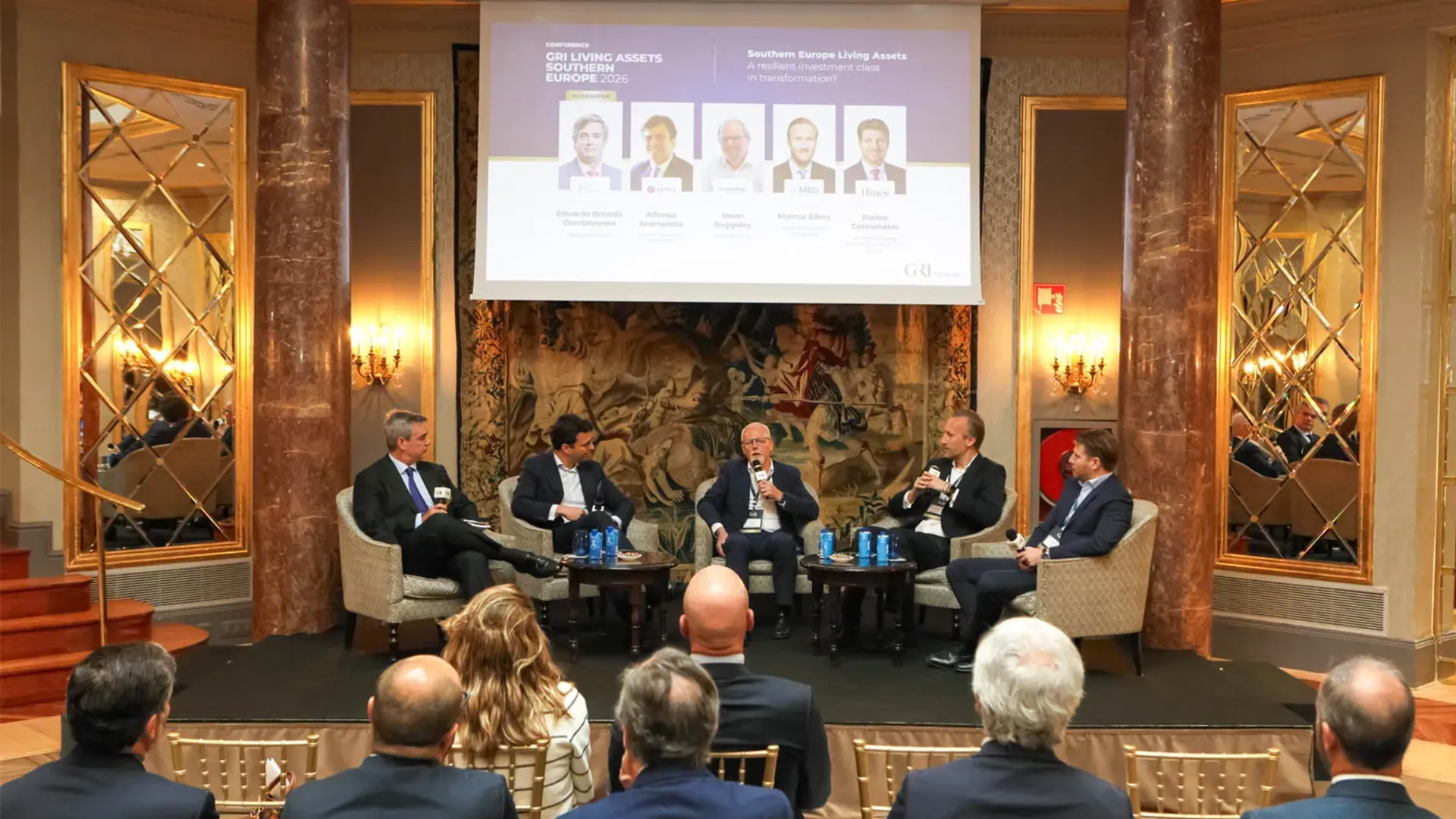
The opening talkshow highlighted how Southern Europe’s residential real estate market is transitioning toward a specialised landscape of previously alternative sectors to capture higher yields. (GRI Institute)
Housing Affordability
Housing affordability in Southern Europe has transitioned from a niche market concern into a central pillar of public policy and institutional investment strategy.The crisis is driven by a systemic lack of supply and a widening gap between stagnant salaries and escalating housing prices, where gross monthly wages in markets such as Spain often average only EUR 1,200.
European policy increasingly frames this challenge through the "Triple S" lens - encompassing social, student, and senior housing - to attract diverse capital sources.
Establishing these segments as a legitimate asset class requires a shift toward "patient capital" and sophisticated structures that combine public subsidies, grants, and private equity to reduce rent burdens to approximately 30% of a household's median income.
To make affordable housing profitable and scalable, the sector must evolve from a traditional, segregated market into a high-productivity manufacturing industry.
This transition relies heavily on industrialisation and the adoption of modular construction techniques, such as using timber instead of concrete to guarantee prices and mitigate the risks of volatile global supply chains.
Efficiency in execution is paramount, necessitating designs that maximise usable living areas while minimising gross built areas. Developers are increasingly focusing on smaller, highly efficient units, such as 47-square-metre studios, to meet the specific budgetary constraints of the local workforce while maintaining consistent investor returns.
The future growth of this sector is heavily dependent on regulatory reforms and the mitigation of perceived reputational risks that currently deter domestic institutional investors.
Proposed European-level solutions include having the European Banking Authority lower the risk-weighted asset requirements for affordable properties and encouraging the European Central Bank to accept housing fund securities as collateral.
At the national level, drastically reducing licensing timelines from years to months is considered a vital game-changer for project foreseeability.
At the same time, there is also an urgent need to treat housing as essential "social infrastructure" to attract long-term infrastructure funds, while implementing fiscal measures - such as high taxes on undeveloped land - to unlock supply in high-demand urban areas.
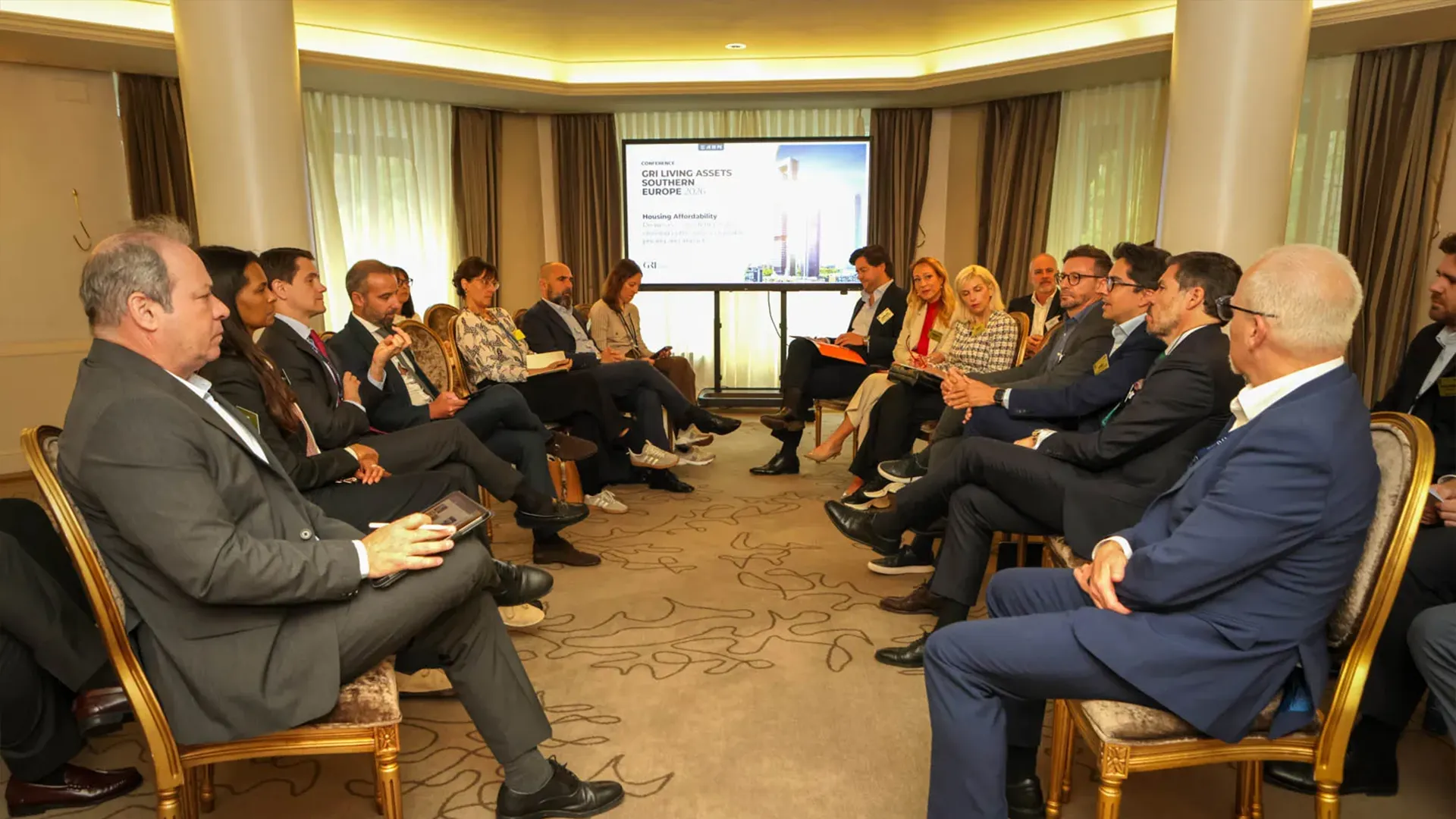
Southern Europe’s housing affordability crisis is being driven by a systemic lack of supply and a widening gap between stagnant local salaries and escalating property prices. (GRI Institute)
Flexible Living Models
The flexible living sector serves as a temporary-accommodation solution for an increasingly mobile workforce, filling the critical gap between traditional long-term residential leases and short-term hospitality products.Unlike permanent housing, these models are designed for mid-stay durations of less than 12 months, catering to professionals whose job security or location may change annually. While the model has proven its viability over the last several years, success remains highly dependent on specific urban locations.
Large-scale schemes of up to 1,500 units are sustainable in primary hubs such as Madrid, but secondary cities often require smaller developments of 150 to 300 units to maintain healthy rotation and occupancy.
Operational success in this segment is increasingly driven by proprietary technology and lean staffing structures that internalise core processes.
By utilising dynamic pricing, monitoring data, and automated check-in tools, operators can manage 120-unit buildings with as few as six full-time employees, compared to the much larger legacy teams found in traditional hotels. This efficiency allows prime portfolios to achieve gross operating profit margins of 60% and yields on cost of approximately 7.5%.
From a valuation perspective, these assets sit between the 4% yields of traditional residential and the 6% yields of hotels, with prime flex-living products typically gravitating toward a 5% yield.
Despite strong fundamentals, the sector faces significant risks from fragmented regional regulations and a lack of transparency in municipal licensing. Building permits can take anywhere from three months to five years depending on the city administration, creating substantial visibility issues for investors.
Furthermore, escalating land and construction costs threaten to push prices to a level where users may opt for standard rental products instead.
Institutional investment is also complicated by specific national regulations - for example, certain European capital sources face strict quotas that prohibit investing in assets where more than 20% of revenue is derived from short-term stays of less than one month.
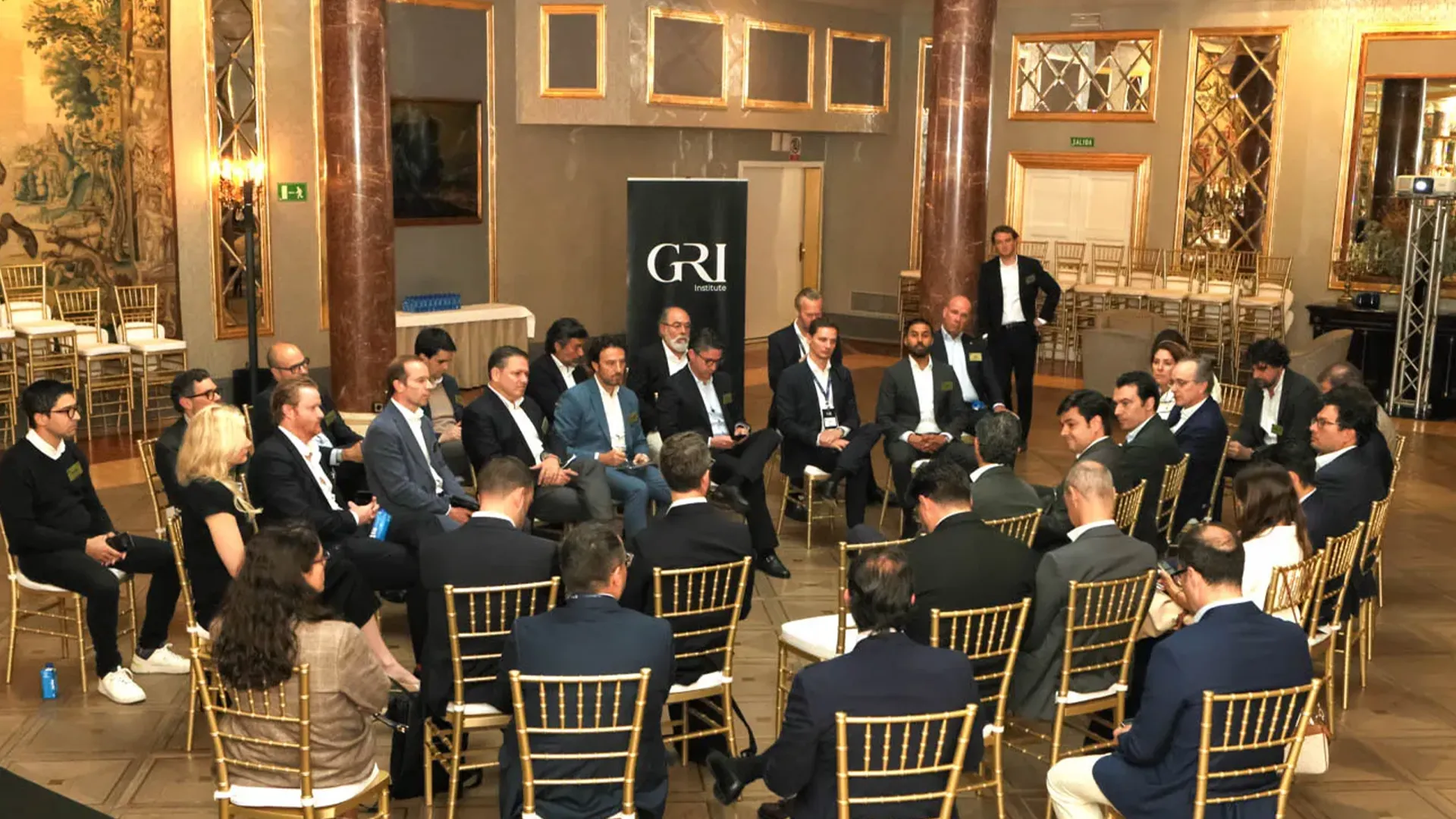
Southern Europe’s flexible living sector is filling the critical gap between traditional long-term residential leases and short-term hospitality for an increasingly mobile workforce. (GRI Institute)
Senior Living
The senior living sector in Southern Europe is increasingly focused on the distinction between active longevity and traditional clinical care.While mature markets such as Germany and France have established institutional frameworks, regions including Spain and Italy are still navigating cultural barriers where high home-ownership rates and strong family ties lead to later entry ages, often around 80 years old.
Conversely, there is a notable "snowbird" trend driven by northern Europeans seeking retirement solutions in coastal areas, attracted by favourable climates and higher quality-of-life standards.
This demographic possesses significant accumulated wealth and savings, providing a solid fundamental base for the sector's growth despite the slow pace of local institutionalisation.
Operational success in this segment requires a transition away from clinical nursing home models toward hospitality-centric lifestyle products. Future concepts are likely to integrate medical services including health monitoring and longevity programmes within a residence that prioritises sports, nutrition, and community engagement.
Marketing strategies must adapt to this unique clientele by favouring offline engagement and community-based outreach over digital-only platforms.
While AI is expected to revolutionise medication management and health stability, human interaction remains the primary driver of value for residents who seek to escape loneliness and maintain their existing standards of living.
On the investment side, institutional capital remains constrained by a lack of historical track records and market comparables, which creates friction during the bank financing and underwriting process.
Many investors are currently shifting their preference toward the conversion of existing hospitality or residential assets to avoid the high costs and 7-to-10-year timelines associated with greenfield developments.
To unlock the market's potential, the industry must develop resilient business models that provide consistent gross operating margins while balancing the high operational risks of specialised care.
Long-term scalability will ultimately depend on the government's ability to provide supportive regulatory frameworks and the industry's success in making these facilities aspirational for a diverse, wealthy, and ageing population.
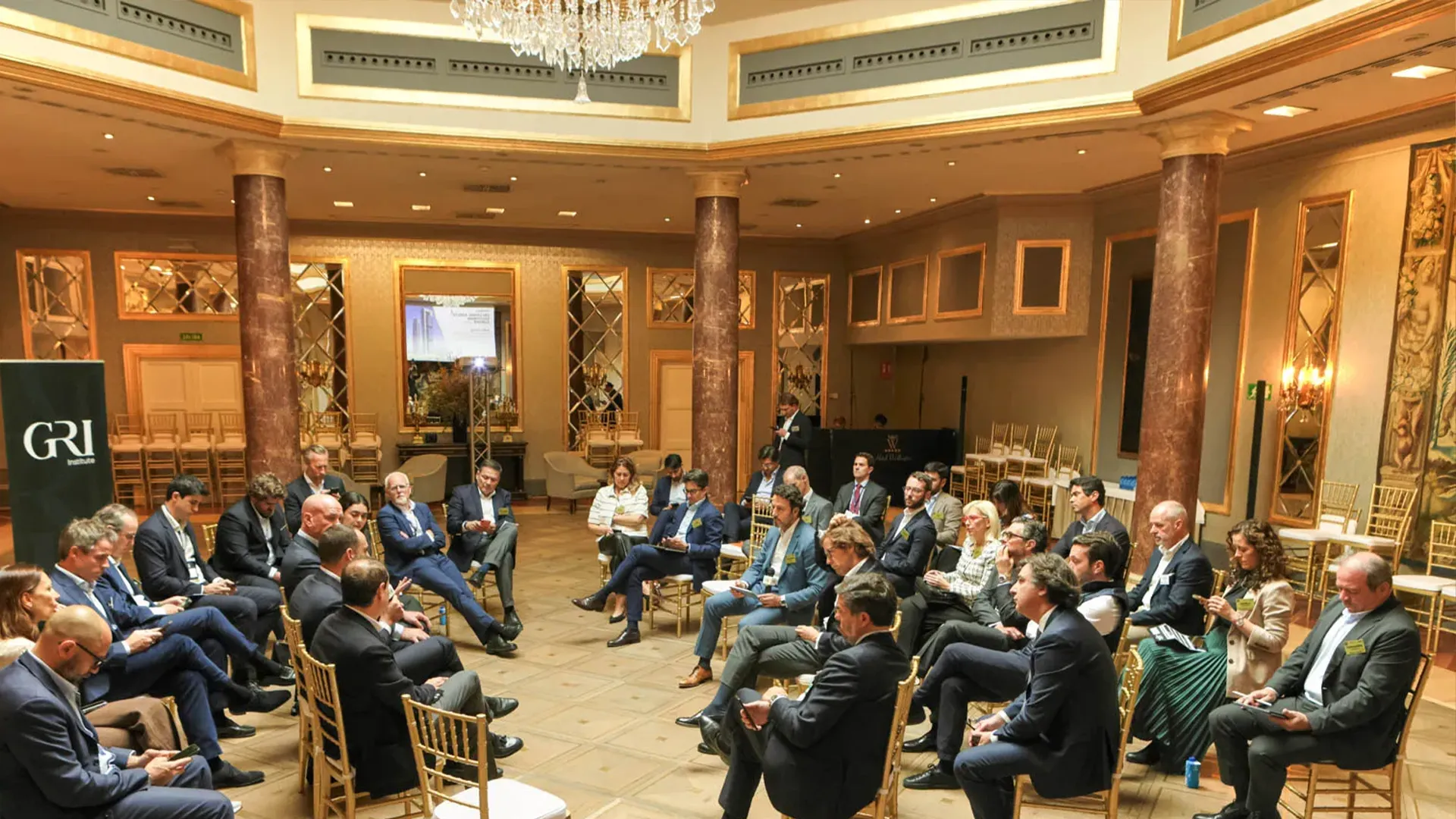
Regional senior living demand is defined by wealthy international retirees, high local home ownership, and a growing preference for community-based lifestyle products. (GRI Institute)
Portugal Housing Markets
The Portuguese investment climate is currently defined by its status as a safe haven within a volatile global macroeconomic landscape.While major European markets face depression, Portugal continues to attract capital from Brazil, South America, and across Europe, driven by a growing population of digital nomads and a structural lack of housing supply.
A significant distinction exists between the local market and neighbouring Spain, as Portugal has yet to establish a mature institutional BTR sector.
Instead, the market is dominated by build-to-sell (BTS) strategies, underpinned by a severe supply deficit where annual dwelling completions remain at less than half of the 80,000 units required to stabilise the market.
Housing affordability has reached a critical disbalance, with residential prices increasing by 90% over the last five years while average incomes grew by only 43%.
This gap has rendered traditional middle-class housing non-existent in major urban centres, as mortgage requirements typically demand that payments do not exceed 33% of a household's income.
Legislative attempts to bridge this gap include a reduction in VAT for specific residential developments from 23% to 6%, tax exemptions for younger buyers, and the introduction of 20-year rental contracts to provide long-term investor certainty.
However, the BTR model remains economically challenging due to low net yields of approximately 3.5% and a historical stigma associated with frozen rents and tenant-favouring eviction laws.
To maintain project viability amidst high construction costs, developers are increasingly internalising design processes and utilising technologies such as BIM (Building Information Modeling) and AI to enhance operational efficiency.
Simultaneously, there is a growing trend toward restricting architectural freedom in favour of strict budgetary frameworks and standardised materials to control final unit prices.
While the Portuguese market currently lags behind Northern Europe in sustainability adoption, ESG certification is becoming a prerequisite for institutional exits and competitive bank financing.
Future growth is increasingly focused on suburban areas with high connectivity, as residents are pushed out of Lisbon and Porto toward regions supported by new metro and surface rail infrastructure - although such public contracts frequently increase the competition for limited construction resources.
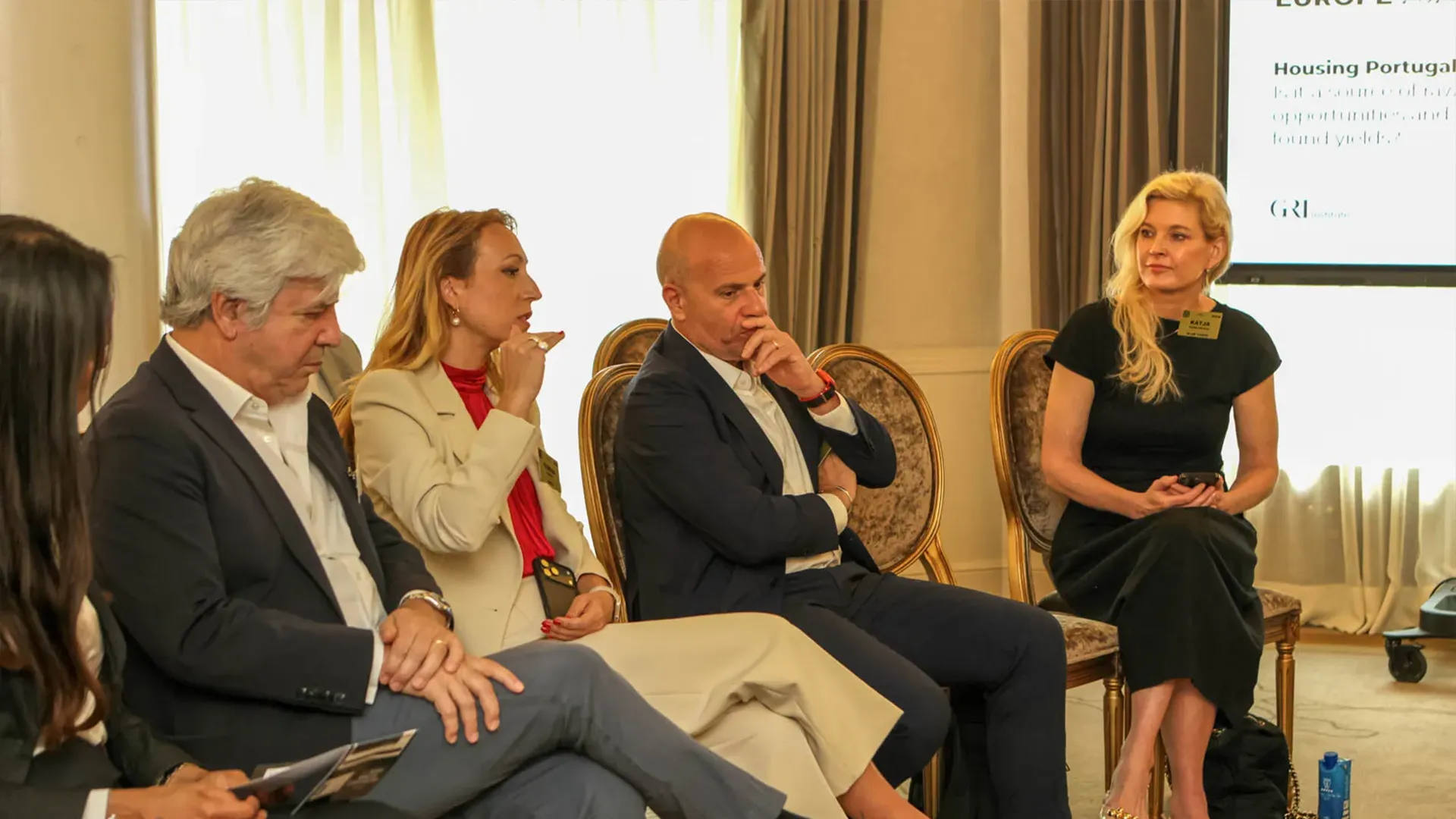
Portugal’s residential market is attracting global capital as a safe haven, though a massive supply deficit ensures that build-to-sell remains the dominant investment strategy. (GRI Institute)
Spanish Living Markets
The Spanish living market is defined by a significant imbalance between constrained supply and high demand, particularly in city-centre locations where a new generation prioritises lifestyle and social connectivity.Flexible living has emerged as a vital "plumbing" for the residential sector, offering temporary accommodation solutions for individuals in transitional life stages who typically stay for an average of nine months.
Demand for these formats is increasingly driven by a preference for "living-as-a-service," where residents value integrated utilities, design-led units, and community amenities that standard residential units do not provide.
Investment in these assets is currently led by value-add capital, though operators expect that a three-to-five-year track record will eventually attract core-plus institutional money.
The traditional BTR model in Spain also faces significant challenges due to legal insecurity and shifting regulations, which make long-term cash flows difficult to forecast reliably.
Consequently, many owners are pivoting toward privatisation strategies by selling off individual units as they become vacant to capitalise on high demand and current market premiums.
Prime yields for these flexible products are starting to settle around 5%, placing them between the 4% seen in residential and the 6% typically associated with the hotel sector.
Meaningful scalability is currently hindered by a widening gap between stagnant local salaries and rising construction and land costs, which have been pressured further by geopolitical conflicts and inflation.
Developers find it nearly impossible to deliver affordable housing without state intervention, including regional governments providing free land through 75-year surface-rights contracts or other essential infrastructure support.
Success in the current market relies on leveraging technology to enhance asset management and reduce operational leakage, while ensuring buildings are constructed with flexible structures to allow for rapid reconfiguration as needs evolve.

Spain’s build-to-rent market faces legal insecurity, prompting some investors to pivot toward privatisation by selling individual units to capture high market premiums. (GRI Institute)
PBSA
The Iberian purpose-built student accommodation (PBSA) market has become a central component of Pan-European investment strategies, attracting significant interest from international capital.The sector is entering a more mature phase where investors must be increasingly selective due to rising land costs and a constrained supply of prime sites.
A primary challenge is managing the development timeline, which can extend to seven years from site acquisition to delivery and introduce both substantial "flag risk" as well as underwriting complexities.
While the early years of the sector allowed for easy success based on a total scarcity of beds, the current environment requires a more sophisticated approach to site selection and local partnership.
At the same time, operational performance is increasingly tied to digital innovation, although current implementations of artificial intelligence and digital platforms are viewed primarily as necessary investment costs rather than immediate P&L savings.
These technologies are being used to enhance back-office governance, facility management, and to establish benchmarks across portfolios to better measure operational efficiency.
To maintain robust Net Operating Income (NOI), operators are placing greater emphasis on capturing summer income to bridge the gap in the standard academic calendar. These short-term summer stays, particularly in high-demand tourist areas, often provide a higher Average Daily Rate (ADR) than traditional long-term student contracts.
Additionally, the regulatory landscape across Southern Europe remains fragmented, with planning risks in certain regions being more prohibitive than in others. For instance, administrative processes in Spain are often perceived as more stable than those in Italy, yet local government discretionary decisions still pose a threat to vertical capital models.
Financing structures are also shifting; the previous dominance of core-plus capital for de-risked programmes has been replaced by value-add investors looking to participate in development profits.
With student bed provision rates in Spain at only 9-10% compared to 30% in the UK, there remains a massive opportunity for institutional expansion as the market continues to catch up with international standards.
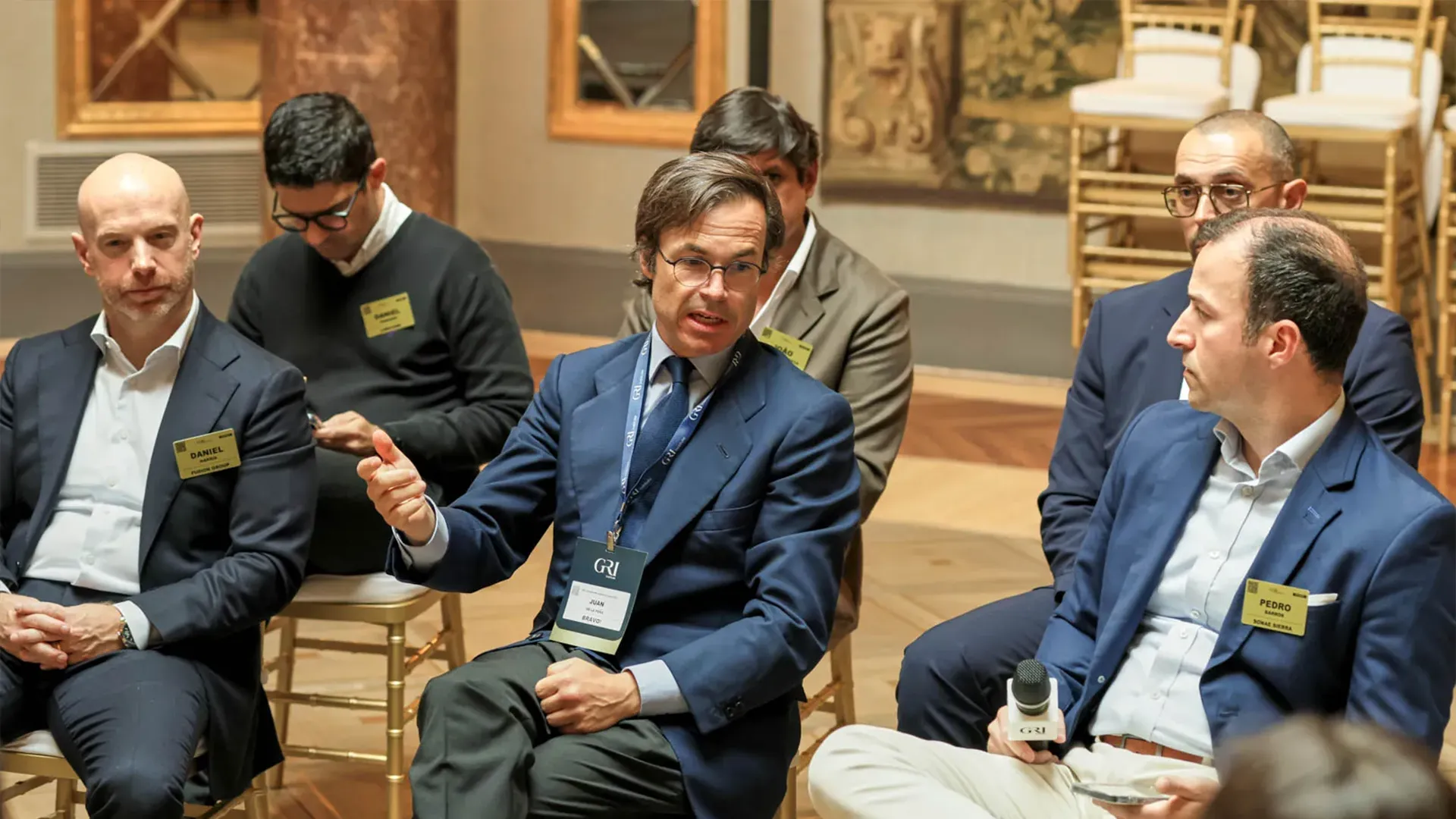
The Iberian student accommodation sector is entering a mature phase, requiring investors to navigate rising land costs, long development timelines, and complex site selection. (GRI Institute)
BTR & BTS
The Southern European living market, particularly in Spain and Portugal, has emerged as a primary engine for real estate investment, capturing a significant share of institutional capital previously destined for Germany and France.This shift is underpinned by a profound structural supply-demand imbalance and the region's perception as a safe haven amidst global geopolitical instability and shifting economic relations.
While the residential market is increasingly segmented into specialised formats, the traditional BTS model remains dominant in Portugal since the conditions for a large-scale institutional BTR sector have not yet been fully established.
Simultaneously, the Spanish market is seeing a move toward privatisation, where investors sell off individual units from rented portfolios to capitalise on high demand and current market premiums while avoiding regulatory uncertainties.
Flexible living models have become a critical component of the housing ecosystem, serving a mobile workforce and individuals in transitional life stages with an average stay of approximately nine months.
These products are increasingly defined by "living-as-a-service," where residents value integrated utilities, design-led units, and extensive community amenities that traditional residential offerings do not provide.
Operational efficiency is a major driver of returns, with developers internalising technology and data-driven management processes to reduce staffing requirements and enhance gross operating profit margins, which can reach 60%.
Prime yields for these flexible assets typically settle around 5%, providing a middle ground between traditional residential and hospitality sectors, though success is heavily contingent on precise micro-location selection.
Scalability in the sector is hindered by significant friction including protracted licensing timelines, which can range from a few months to five years depending on the municipality.
High construction costs and stagnant local salaries create an affordability gap that is nearly impossible to bridge without state intervention such as VAT reductions, council tax exemptions, or the provision of land through long-term surface-rights contracts.
Additionally, fragmented regional regulations and the threat of shifting rental laws create legal insecurity that complicates long-term cash flow forecasting for institutional players.
Despite these challenges, the sector benefits from an anti-cyclical demand profile and an increasing population of international professionals who prioritise quality of life and modern infrastructure.

Southern Europe’s residential market is capturing institutional capital previously destined for Northern Europe, driven by a structural supply-demand imbalance and its safe-haven status. (GRI Institute)
Investments in Southern Europe
The Southern European investment market is adjusting to a post-slowdown environment where interest rates have begun to stabilise.While activity remains robust despite geopolitical and inflationary pressures, investment strategies are shifting toward a preference for BTS models over BTR, as institutions increasingly seek faster capital returns.
In Portugal, the BTR segment faces significant hurdles due to high construction costs and compressed yields, often driving capital toward more profitable BTS products or alternative living assets where landlords can better manage fixed costs.
Developers are also prioritising the rationalisation of supply chains, focusing on a reduced number of standard building components to improve supply consistency and control overall expenditure.
Delivering projects under pressure also requires a fundamental redesign of traditional workflows through the integration of AI and advanced digital technologies in both construction and operations.
A critical takeaway for maintaining margins is the necessity of engaging operators at the inception stage of a project to ensure that architectural designs and hard costs are aligned with specific operational needs.
In this context, there is a visible transition away from over-amenitised premium products toward "value-for-money" solutions that prioritise affordability and high functionality to ensure project viability. This focus on high-efficiency, high-scale development is essential for making flexible living models sustainable, especially in markets where margins remain constrained.
Conversely, regulatory friction and legislative volatility remain the primary obstacles to unlocking housing supply across Southern Europe.
Developers in Portugal face significant financial burdens from a 23% VAT on construction costs and subsequent property transfer taxes, although recent mental shifts among regulators have introduced incentives such as reduced 6% VAT rates for specific residential projects.
Simultaneously, as city centres become increasingly saturated and expensive, development is moving toward better-connected suburban zones in primary metropolitan regions.
While licensing delays continue to hinder project visibility, the sector remains resilient by anchoring itself to anti-cyclical demand and the growing presence of international professionals who prioritise modern infrastructure and community-driven living experiences.

Southern Europe’s living sector is expanding into well-connected suburban zones as city centres become saturated and investors seek resilient, anti-cyclical demand. (GRI Institute)
Conclusion
The long-term trajectory for Southern Europe’s living sector is defined by its transition from a tactical periphery to a core institutional necessity within the wider European landscape.While structural friction and regional regulatory quirks persist, the unique combination of lifestyle appeal and a chronic supply vacuum creates a self-sustaining momentum that outweighs broader macroeconomic volatility.
Ultimately, the market is maturing into a sophisticated ecosystem where operational agility and cultural adaptability are the primary drivers of sustained value, signaling the region’s permanent shift from a speculative alternative to a fundamental component of the modern portfolio.
► Senior decision-makers from across the continent will reconvene in London on 24th-25th June for GRI Living Assets Europe
These insights were shared during the discussions at GRI Living Assets Southern Europe 2026.