 Unsplash
Italian Residential Renaissance: From Critical Housing Deficits to Ultra-Luxury Nomadism
Collected insights on how global wealth and structural supply shortages are driving a new era of institutional investment across the peninsula
April 9, 2026Real Estate
Written by:Rory Hickman
Executive Summary
Ahead of the GRI Institute’s upcoming Italy Luxury Hotels & Branded Resi roundtable in Rome on 14th April and our annual Italia GRI 2026 conference in Milan on 14th May, we take a look at how the Italian real estate market is transforming from a fragmented, homeownership-driven society into a dynamic institutional landscape.
The current environment presents immense potential weighed against practical complexity. While structural undersupply, shifting consumer preferences, and a growing need for flexible housing provide a compelling long-term investment thesis, high execution costs and planning friction demand highly adaptive strategies.
From the pressing need for purpose-built residential models to the soaring global demand for ultra-prime hospitality and branded living assets, the direction of travel is clear. The overarching challenge for incoming capital is no longer finding the demand, but rather navigating the unique local nuances, operational hurdles, and cultural shifts required to deliver it at scale.
The current environment presents immense potential weighed against practical complexity. While structural undersupply, shifting consumer preferences, and a growing need for flexible housing provide a compelling long-term investment thesis, high execution costs and planning friction demand highly adaptive strategies.
From the pressing need for purpose-built residential models to the soaring global demand for ultra-prime hospitality and branded living assets, the direction of travel is clear. The overarching challenge for incoming capital is no longer finding the demand, but rather navigating the unique local nuances, operational hurdles, and cultural shifts required to deliver it at scale.
Key Takeaways
- Investors are increasingly adopting adaptive "refurb-to-rent" strategies to bypass high construction barriers and unlock Italy's rapidly evolving build-to-rent market.
- Severe structural supply shortages across key demographics, particularly in student housing, offer unprecedented, long-term opportunities for institutional capital.
- An influx of global wealth seeking "luxury nomadism" and branded hospitality has driven the ultra-prime real estate segment to record-breaking, inflation-proof heights.
Fragmentation to Cohesion
While the broader living sector officially claimed the crown as the top real estate investment class across Europe in the latest GRI Barometer, the Italian market presents a fascinating paradox.Currently holding a modest 7% share of this continental market, Italy's position highlights both a complex operational challenge and a massive, largely untapped potential for institutional growth.
The country is standing on the precipice of a significant transformation, moving away from a historically fragmented landscape characterised by small, privately owned assets requiring intense transformation - a process that, while arduous, typically triples the initial value of a property.
Today, newly developed institutional products are only just beginning to enter the market, preparing to rigorously test liquidity and capitalisation rates in real-time.
This structural evolution is being heavily accelerated by an ongoing demographic shift, particularly among younger generations who increasingly prioritise flexibility, mobility, and service over traditional, rigid homeownership.
Success in this new era of Italian residential real estate will heavily depend on replacing obsolete, energy-inefficient housing with high-quality, purpose-built new products.
This domestic mandate perfectly aligns with a much broader European macroeconomic need for an estimated 16 million new urban apartments over the next decade, setting the stage for unprecedented capital deployment.
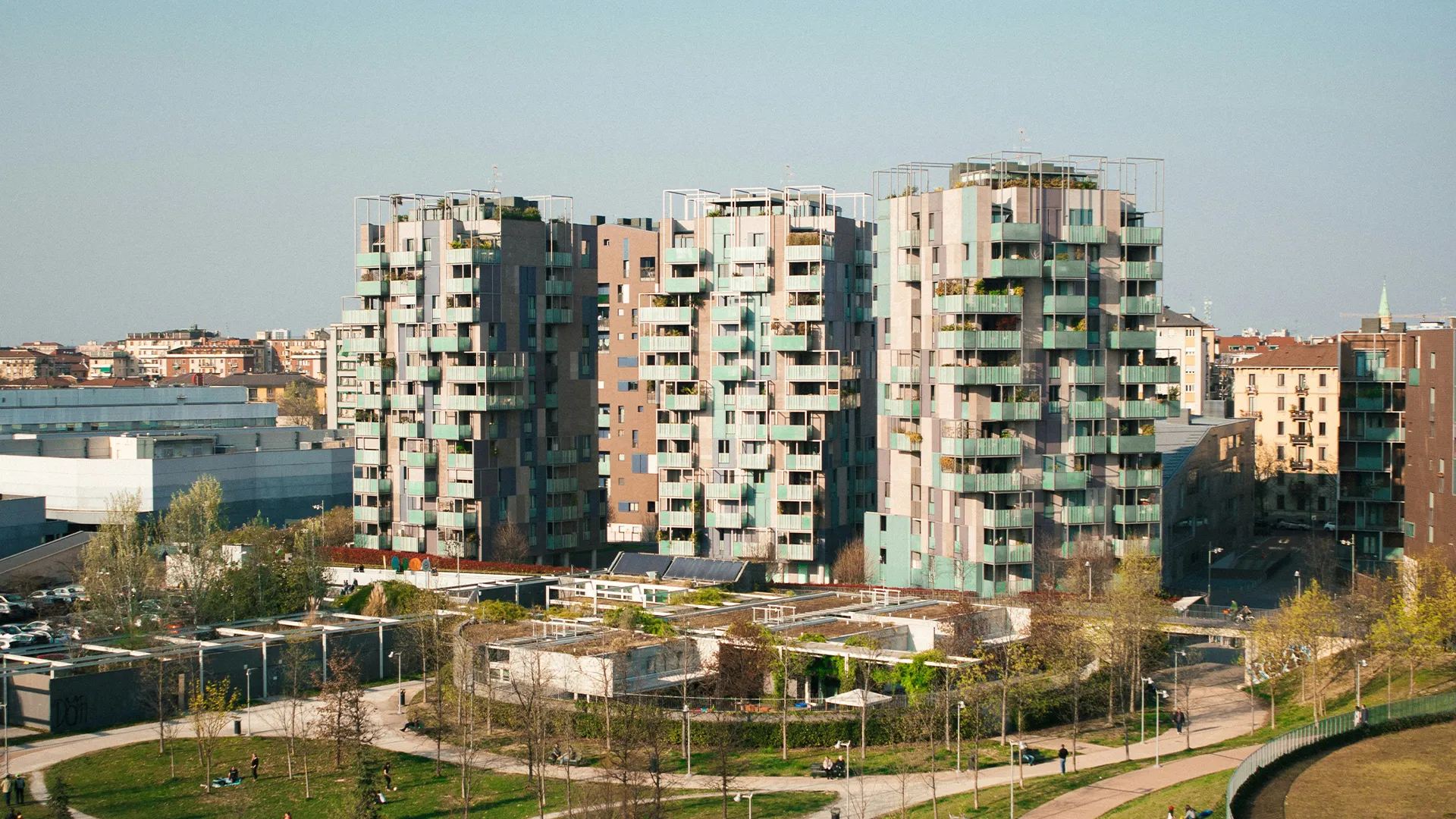
With a 200,000 bed shortage in Italian PBSA, this sector is set to be a key topic of discussion among industry leaders at Italia GRI 2026 in Milan on 14th May. (Unsplash)
Build-to-Rent and Refurb-to-Rent
Despite the glaring need for modern housing, the build-to-rent (BTR) product in Italy remains in its absolute infancy. From a developer's perspective, breaking into the Italian BTR space is notoriously difficult for outsiders, primarily because the financial numbers often stubbornly refuse to align.There is currently a prohibitive 30% to 35% spread between selling a BTR project and executing a traditional build-to-sell (BTS) project, making the latter far more immediately lucrative for local developers.
Furthermore, the broader multi-family markets are actively struggling against a perfect storm of headwinds. High construction costs, profound cultural fragmentation within a society that has historically venerated homeownership, and a critical lack of experienced local operators all contribute to severe operational inefficiencies.
Consequently, investors face a significant 150 to 200 basis point leakage between gross and net yields.
To successfully overcome these barriers and achieve genuinely viable returns, institutional investors are increasingly pivoting towards innovative refurb-to-rent strategies. By converting legacy, stranded office buildings in urban centres into prime residential assets, developers can bypass ground-up construction costs and planning delays.
Alongside the gradual emergence of affordable housing sub-sectors, these adaptive reuse strategies suggest that the Italian living market is finally beginning to mature, offering substantial, long-term opportunities for patient capital.
200,000 PBSA Beds Missing
Nowhere is the supply-demand imbalance more pronounced than in Italy's purpose-built student accommodation (PBSA) sector. Driven by swelling domestic student numbers and record-high international interest, a critical structural shortage has been entirely exposed.According to JLL, the Italian student population reached approximately 2 million for the 2024/2025 academic year, reflecting a 2.3% year-over-year increase. Crucially, international student enrolment, which acts as a major growth driver for premium beds, surged by 15% year-over-year.
The fundamental demand is further compounded by extreme domestic mobility. Around 25% of Italian university on-campus students are classified as "mobile", meaning they study entirely outside their home region. These mobility rates are notably high in key university hubs, reaching an impressive 55% in Bologna, 43% in Pavia, and 37% in both Milan and Turin.
Yet, the current national student bed supply is critically low, sitting at roughly 80,000 units. Italy suffers from a severe undersupply, exhibiting a national provision rate of just 4%, a figure that sits drastically lower than the 16% average seen in other key European countries - creating a staggering 200,000-bed supply gap.
Investors are moving rapidly to capitalise on this, with the PBSA sector achieving a new market record in 2025 by reaching EUR 500 million in total investment volumes. Forward purchase structures were heavily utilised, representing roughly 40% of all deployed capital.
Upgraded amenities and strong university connectivity are driving sustained rental growth, with Milan commanding the highest prime rents in the country at EUR 2,000 per month for a single room.
Florence and Rome follow at EUR 1,600, Bologna at EUR 1,300, and Turin at EUR 1,200. Consequently, PBSA prime yields compressed by 50 basis points throughout 2025, tightening to 5.0% in Milan, Rome, and Florence.
While a robust development pipeline is expected to deliver 28,000 new beds by 2029 - representing a 60% growth over the current stock - the national provision rate will remain well below the European average.
Milan holds the largest share of this pipeline with 11,800 projected beds, while massive individual projects, such as Zeltan's recent announcement to open an expansive 1,800-room PBSA facility in Messina, are making headlines.
However, to successfully close this gap, investors must carefully navigate complex regulatory hurdles and planning constraints, particularly in Rome where development is progressing much more cautiously.
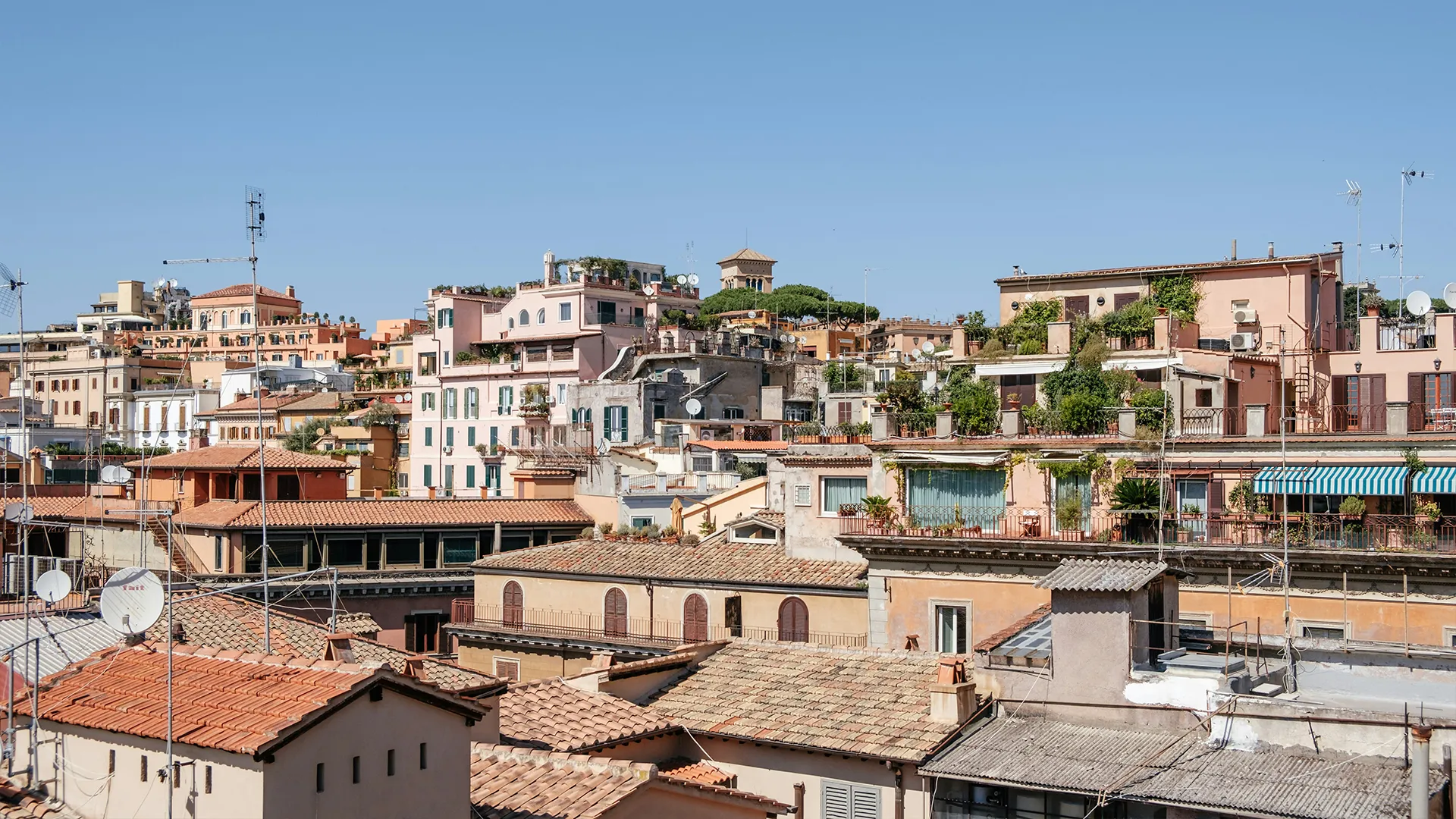
Top decision makers active in the country will gather to discuss the future of the luxury beds sector at our Italy Luxury Hotels & Branded Resi roundtable in Rome on 14th April. (Unsplash)
Senior Living: The Untapped Frontier
In stark contrast to the booming, highly competitive student housing sector, the Italian senior living market remains virtually non-existent.Despite Italy possessing one of the oldest populations in Europe, institutional-grade, purpose-built senior housing has yet to gain a meaningful foothold. This lack of existing product leaves substantial room for future development.
As the population continues to age, the inevitable demand for specialised, care-led residential facilities will create a vast, entirely untapped frontier for first-mover institutional capital willing to define the operational standards of a nascent asset class.
The Luxury Residential Boom and 'Luxury Nomadism'
At the opposite end of the spectrum, the Italian luxury real estate sector has emerged as a primary global hub for High-Net-Worth Individuals (HNWIs) seeking strategic portfolio diversification and an unparalleled quality of life.The financial performance of this tier is staggering, with 2025 seeing total investment volumes reach EUR 12.3 billion, marking a 20% increase from 2024, with the final quarter alone accounting for a massive EUR 4.5 billion.
According to Savills, the ultra-prime segment - comprising assets valued over EUR 5 million - remains entirely immune to broader economic fluctuations due to a severe scarcity of high-quality inventory, propelling Rome, Tuscany, and Milan into the top 30 most desirable global locations for Ultra-High-Net-Worth Individuals (UHNWIs).
International buyers currently drive 55% of the market demand. The US stands as the leading source of foreign investment, representing 15.8% of total interest, while there is also a notable 13% increase in acquisitions by Italian expatriates returning to invest in their home country.
Furthermore, buyers from rapidly expanding markets, including India, Brazil, and the UAE, are surging into the peninsula. These specific demographics show a heavy 78% priority for absolute privacy and a 53% preference for standalone villas.
This influx of global wealth has birthed the trend of "luxury nomadism". Modern HNWIs are no longer purchasing a single, static asset; instead, they are building fluid portfolios to live and work across multiple prime Italian locations.
A major catalyst for this strategic investment is the updated 2026 Flat Tax regime, set at EUR 300,000 per year for new residents, which provides a highly competitive fiscal framework for international wealth planning.
Geographically, Florence is a central market driver, capturing 42% of total inquiries in 2025, with 23% specifically targeting the historic centre. Urban luxury hubs such as Milan are seeing prime area prices reach an astounding EUR 18,500 per square metre.
Coastal ultra-prime markets are even more aggressive, with exclusive waterfront estates in Costa Smeralda commanding up to EUR 32,000 per square metre, and Versilia's Forte dei Marmi frequently exceeding EUR 20,000 per square metre.
Interestingly, "non-capital" locations, such as the deep Tuscan countryside and historic, secluded villages, experienced a 9% increase in transactions, highlighting a growing shift towards areas offering ultimate privacy.
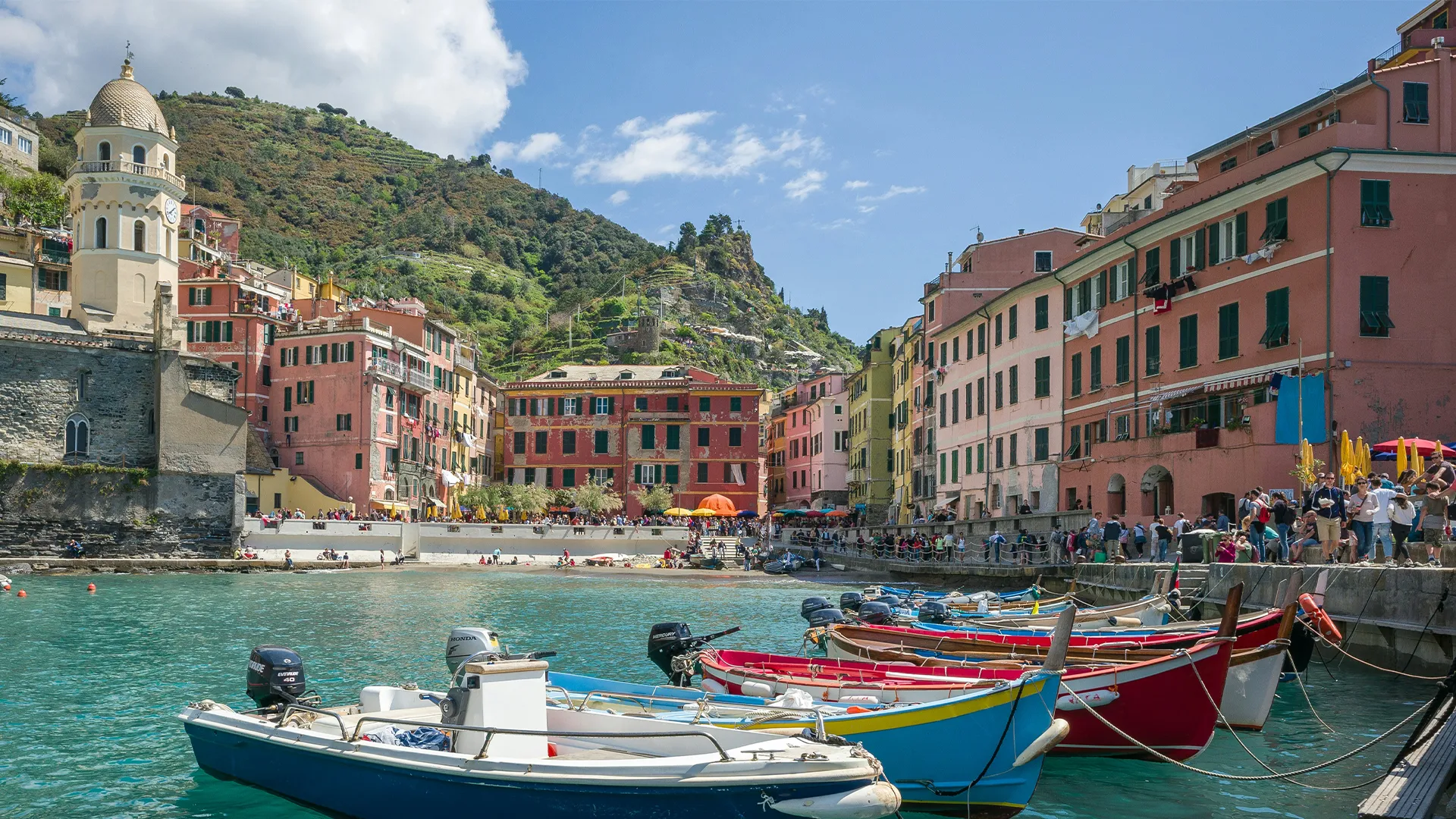
The Italian luxury real estate sector has emerged as a key global hub for HNWIs seeking strategic portfolio diversification and an unparalleled quality of life, particularly in ultra-prime coastal markets. (Unsplash)
The Convergence of Ultra-Luxury Housing and Hospitality
The boundaries between prime residential real estate and elite hospitality are rapidly dissolving. According to a recent Deloitte analysis, Italy has definitively solidified its position as the European Union's premier destination for luxury hospitality investments.Bolstered by the country's cultural heritage, globally recognised lifestyle, and legendary reputation for hospitality, 59% of operators now identify Italy as their primary development hub for the next three years, while 70% of investors plan to actively allocate capital to the market.
The sector's appeal is underpinned by robust financial forecasts, including an expected annual revenue growth of 6% to 10% and a projected 21% increase in room rates by 2027. This surge could push average prime prices from approximately EUR 780 to nearly EUR 1,000 per night.
Consequently, there is a strong pivot towards ultra-luxury hospitality, absorbing 24.3% of total luxury real estate investments. Investors are aggressively targeting major cities - Rome, Milan, Venice, and Florence - alongside regional leisure destinations, to purchase and convert historic estates, working farms, and grand palazzi into bespoke, high-end boutique hotels.
Simultaneously, wealthy individual buyers are increasingly demanding "turnkey" branded residences. These hybrid assets offer the privacy of a home combined with 24/7 five-star concierge services, effectively allowing buyers to avoid the notoriously lengthy and complex processes associated with Italian property renovations.
Looking ahead, as Millennials and Gen Z prepare to inherit over USD 18 trillion globally by 2029, the fundamental definition of luxury in Italy is visibly shifting.
Future developments will be forced to prioritise eco-conscious sustainability, holistic wellness integration, and seamless smart-tech ecosystems to capture this incoming wave of next-generation wealth.
Future Outlook: A Hedge Against Volatility
The Italian living sector undoubtedly poses distinct challenges regarding financial multiples, strict planning constraints, and elongated required timeframes to achieve internal rates of return.Yet, despite these operational hurdles, it remains an exceptionally attractive choice for core investors. The underlying fundamentals - ranging from a 200,000-bed deficit in student housing to the severe inventory scarcity in the ultra-prime luxury market - guarantee sustained, long-term structural demand.
Over half (52%) of global billionaires plan to increase their real estate holdings in 2026, with 44% viewing luxury real estate specifically as their primary hedge against inflation and market volatility.
Ultimately, those willing to navigate Italy's unique cultural and regulatory landscape to deliver high-quality, modern living products stand to generate substantial margins, securing their position in one of Europe's most dynamic and rapidly maturing real estate markets.
► Don’t miss more expert insights at the GRI Institute’s Italy Luxury Hotels & Branded Resi roundtable in Rome on 14th April, as well as the annual Italia GRI 2026 conference in Milan on 14th May, where senior decision-makers will continue the debate around capital, scalability, and the next phase of real estate growth in Italy.