 Credit: Adobe Stock
Emerging Real Estate Markets: When the Money Moves East and South
GRI Institute’s Global CEO Gustavo Favaron on why global capital is redirecting to emerging real estate markets
November 19, 2025Real Estate
Written by:Gustavo Favaron
Executive Summary
- Global real estate capital is gradually shifting towards emerging markets, with investors seeking growth, diversification, and better-than-average returns in resilient environments.
- Asia, particularly India and Vietnam, is diversifying its real estate appeal, moving away from a single-dominant market towards broader regional exposure.
- Latin America, the Middle East, Africa, and Central and Eastern Europe are gaining traction as emerging investment destinations, driven by stable macroeconomic conditions and growing institutional maturity.
Global real estate capital still finds its deepest roots in stability. The United States, Western Europe, and other mature markets will continue to attract the largest share of global allocations, and rightly so. Liquidity, governance, and scale remain powerful magnets for institutional money.
Yet, alongside this steady core, a new movement is taking shape: a gradual but undeniable reallocation of capital is underway - a shift I’ve been anticipating for some time. More than a year ago, I suggested that investors would sooner rather than later start looking beyond the obvious choices, seeking growth and diversification in a new geography of opportunity.
What we’re witnessing now is not a short-term rotation. It’s a structural realignment that reflects how investors are rethinking growth, risk, and resilience in a world where capital no longer behaves predictably.
A Global Shift in the Making
According to Savills Impacts 2025, institutional allocations to emerging-market real estate are rising again, reaching around USD 75 billion annually after the pandemic slowdown. MSCI data shows unlevered total returns averaging 6% per year since 2020 in these economies, compared with 3.5% for the MSCI Global Property Index.As Oliver Salmon of Savills notes, much of the capital that once flowed into China is now looking elsewhere. With the Chinese domestic market facing structural challenges, investors are returning to a more diversified approach across emerging economies, seeking “locations that can offer better-than-average returns in resilient environments.”
Colliers' Global Capital Flows H1 2025 confirms this momentum: while global investment volumes remain below pre-pandemic levels, capital is clearly rotating toward markets offering growth, demographics, and institutional maturity - the core trio defining the new wave of real estate destinations.
Asia: From Dominance to Diversification
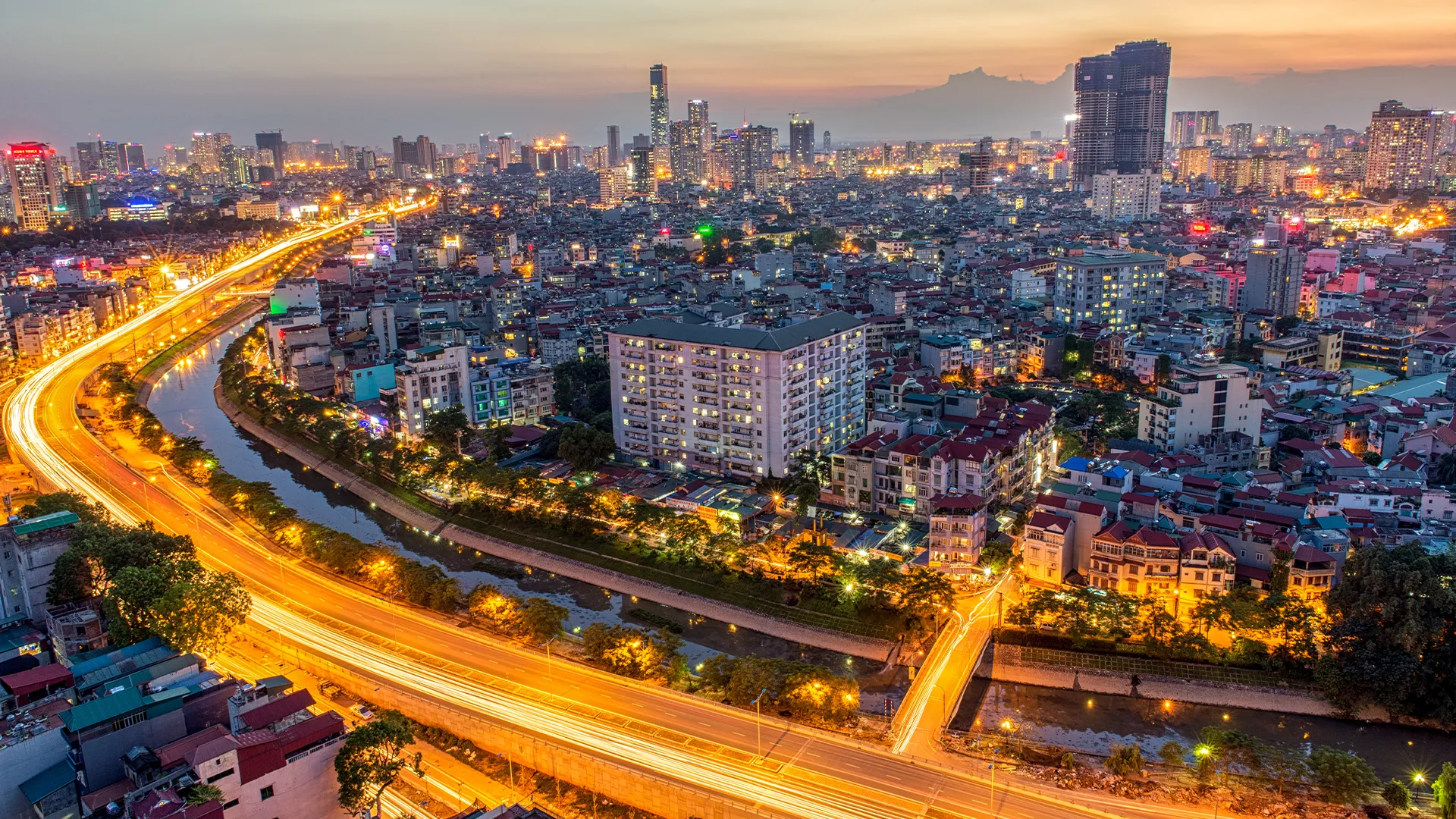
Vietnam is gaining ground as a manufacturing and logistics hub as investors increasingly spread exposure across multiple Asian markets. (Adobe Stock)
Asia remains the gravitational centre of emerging-market real estate. India has become the region’s strongest magnet for global investors. According to the Times of India, the country has attracted over USD 80 billion in institutional inflows since 2010, with foreign capital accounting for 57% of that total.
Behind this surge lies a combination of urbanisation, regulatory reform, and an expanding middle class. Vietnam, too, is gaining ground as a manufacturing and logistics hub, attracting investors seeking to diversify supply-chain exposure beyond China.
As MSCI highlights, the pattern is shifting “from concentration to correlation”; investors are spreading exposure across multiple Asian markets rather than relying on a single dominant player.
Latin America: Renewed Relevance
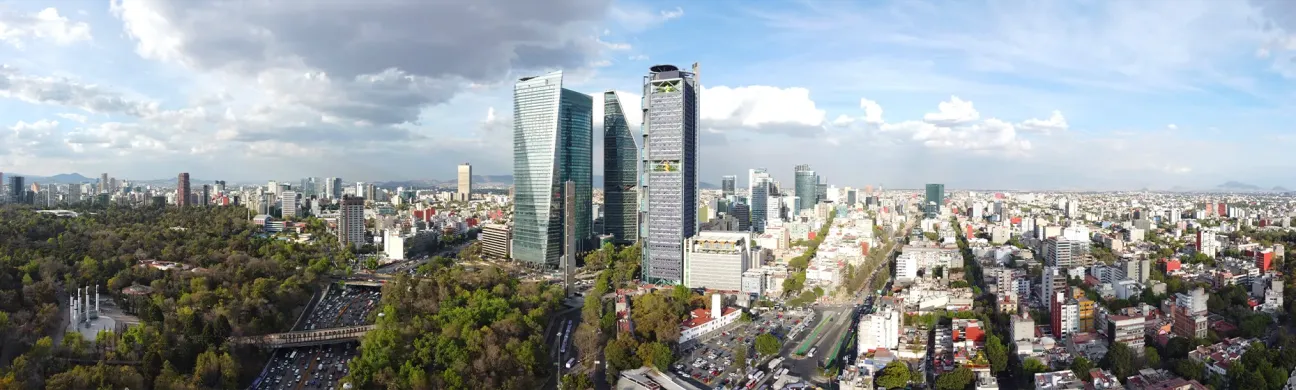
In Latin America, the return of capital is most visible in Mexico. Nearshoring dynamics, macro stability, and a growing logistics footprint have drawn sustained institutional interest.According to PwC and the Urban Land Institute (ULI), Mexico stands out as one of the few regional markets able to combine economic expansion with property-rights stability - essential ingredients for long-term institutional confidence.
Elsewhere in the region, Brazil and Chile are also re-emerging on investors’ radar, particularly in logistics and data centre infrastructure.
Africa and the Middle East: Underrated Frontiers
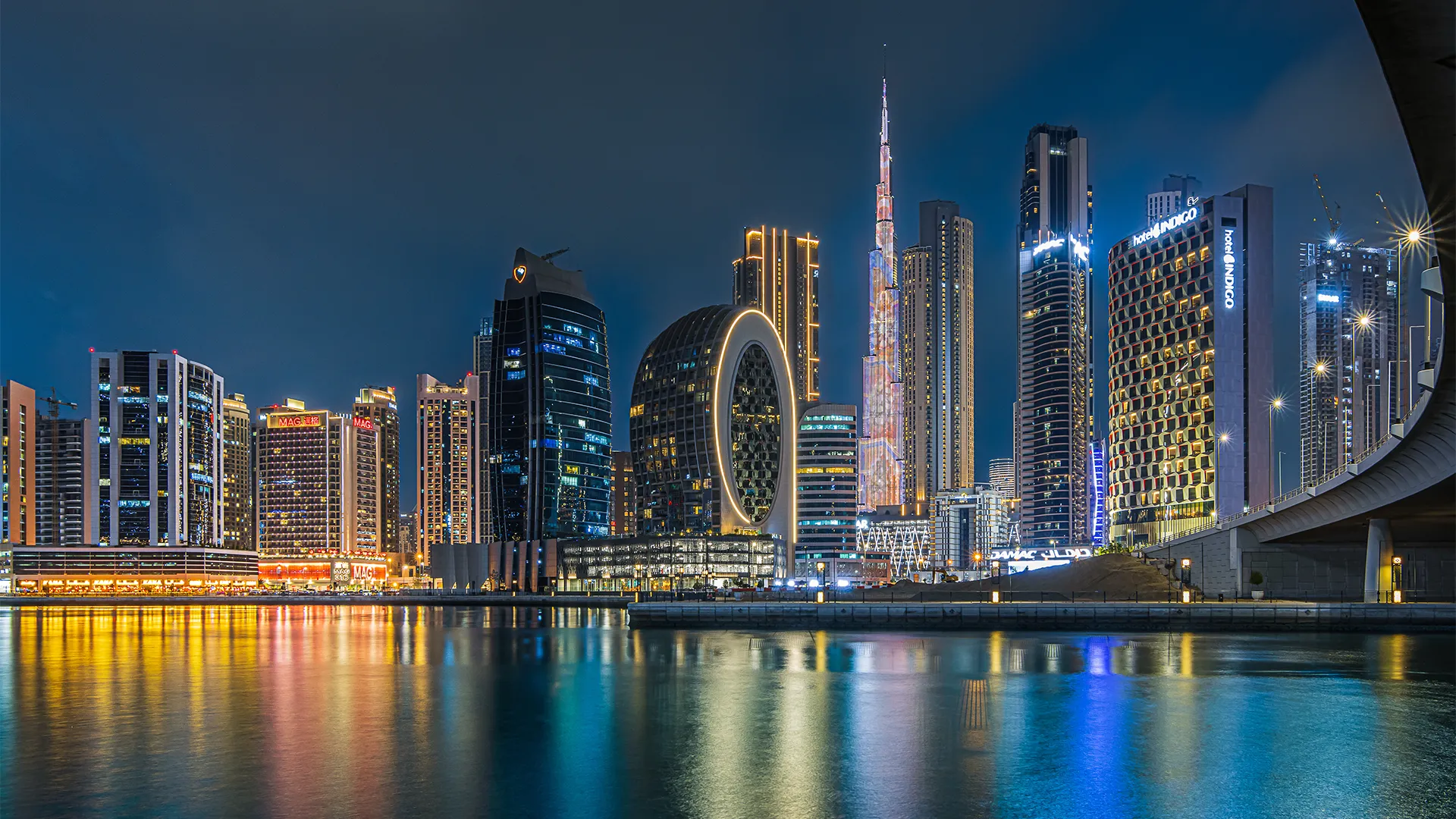
The Gulf region is increasingly becoming a hub for regional co-investment, and institutional funds from the region are actively exploring partnerships across Asia and Africa. (Adobe Stock)
Africa and the Middle East are quietly stepping out of the periphery. South Africa continues to attract interest for its relatively deep listed property market and yield premiums.
Meanwhile, the Gulf, especially Abu Dhabi and Riyadh, is not only exporting capital but increasingly becoming a hub for regional co-investment.
A recent Trust Intelligence report notes that sovereign and institutional funds from the region are actively exploring partnerships across Asia and Africa, reversing the traditional West-to-East flow.
Central and Eastern Europe: The Quiet Outperformer
Central and Eastern Europe (CEE) may well be the most overlooked winner of this cycle. Markets such as Poland, the Czech Republic, and Romania combine EU-level regulation with higher yields and growing institutional depth.Colliers data shows that logistics and residential assets in CEE have delivered unlevered returns above 7% in the past two years, outperforming much of Western Europe on a risk-adjusted basis.
For investors seeking stability with upside, CEE represents a pragmatic bridge between developed and emerging markets.
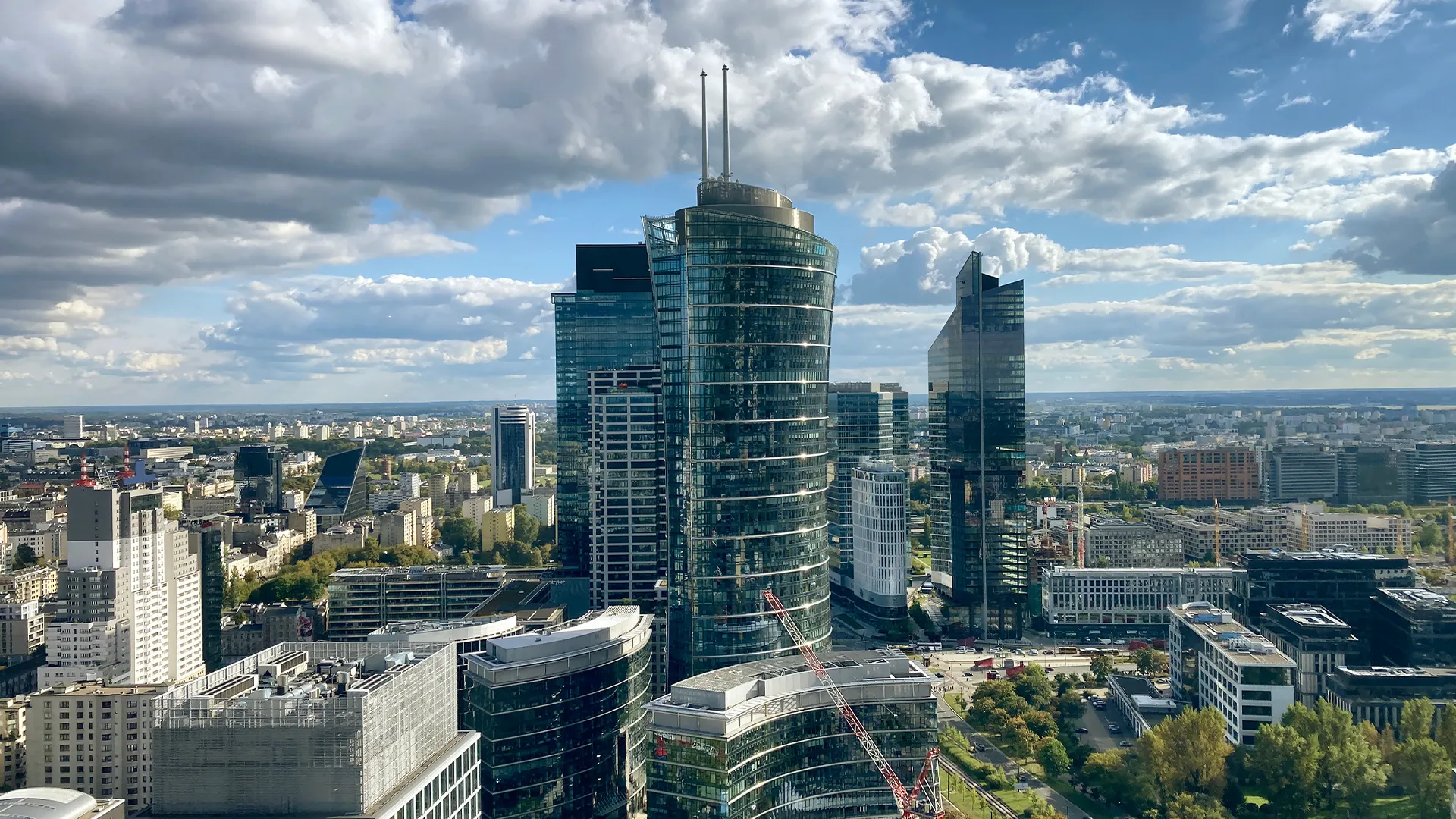
CEE represents a pragmatic bridge between developed and emerging markets, combining EU-level regulation with higher yields and growing institutional depth. (Adobe Stock)
Beyond Geography: What This Shift Means
The redirection of global capital is not just geographic, it’s philosophical. Investors are no longer chasing liquidity for its own sake. They are seeking markets that combine economic dynamism, demographic growth, and institutional transparency, the true drivers of resilient returns.Emerging markets that can deliver these fundamentals will no longer sit at the margins of global capital. They will define its next frontier. As I often say: Real estate isn’t only about where capital goes, it’s about why it moves.
And right now, capital is clearly moving East and South.
Sources:
Savills Impacts 2025 | Colliers Global Capital Flows H1 2025 | MSCI Real Estate in Focus 2025 | PwC & ULI Emerging Trends in Real Estate - Global Outlook 2025 | Trust Intelligence 2025 | Times of India 2025