 GRI Institute
Portugal’s Premium Pivot: Scaling luxury hospitality and branded residences in a mature market
Exclusive insights on how experiential luxury, global capital hedging, and brand partnerships are redefining the premium real estate landscape
May 28, 2026Real Estate
Written by:Rory Hickman
Executive Summary
Portugal’s luxury hospitality and branded residence sectors have reached a point of maturity, shifting from emerging interests to core investment themes.
Driven by a stable climate, urban appeal, and robust governmental fundamentals, the market is pioneering hybrid living models that merge traditional hotel excellence with residential comfort to create a new standard for serviced living.
This evolution was the focal point of discussions among top industry leaders at the GRI Institute’s Luxury Hotels & Branded Residences in Portugal roundtable, co-hosted by Ando Living & Optylon Krea, in Lisbon.
In the lead up to GRI Living Assets Europe 2026 on 24th-25th June in London and Europe GRI 2026 Summer Edition on 9th-10th September in Paris, we examine how the sector is navigating rising construction costs, labour shortages, and the complexities of operational management to deliver sustained value in one of the region’s most resilient markets.
Driven by a stable climate, urban appeal, and robust governmental fundamentals, the market is pioneering hybrid living models that merge traditional hotel excellence with residential comfort to create a new standard for serviced living.
This evolution was the focal point of discussions among top industry leaders at the GRI Institute’s Luxury Hotels & Branded Residences in Portugal roundtable, co-hosted by Ando Living & Optylon Krea, in Lisbon.
In the lead up to GRI Living Assets Europe 2026 on 24th-25th June in London and Europe GRI 2026 Summer Edition on 9th-10th September in Paris, we examine how the sector is navigating rising construction costs, labour shortages, and the complexities of operational management to deliver sustained value in one of the region’s most resilient markets.
Key Takeaways
- The Portuguese hospitality sector is transitioning from material excess towards hybrid models prioritising experiential luxury and a curated sense of belonging.
- Intense international demand from American and Brazilian buyers is sustaining significant price premiums and driving regional connectivity improvements.
- Sustained profitability relies on balancing operational efficiency and flexible design standards with the daily delivery of consistent, high-quality service.
Branded Residences in Portugal
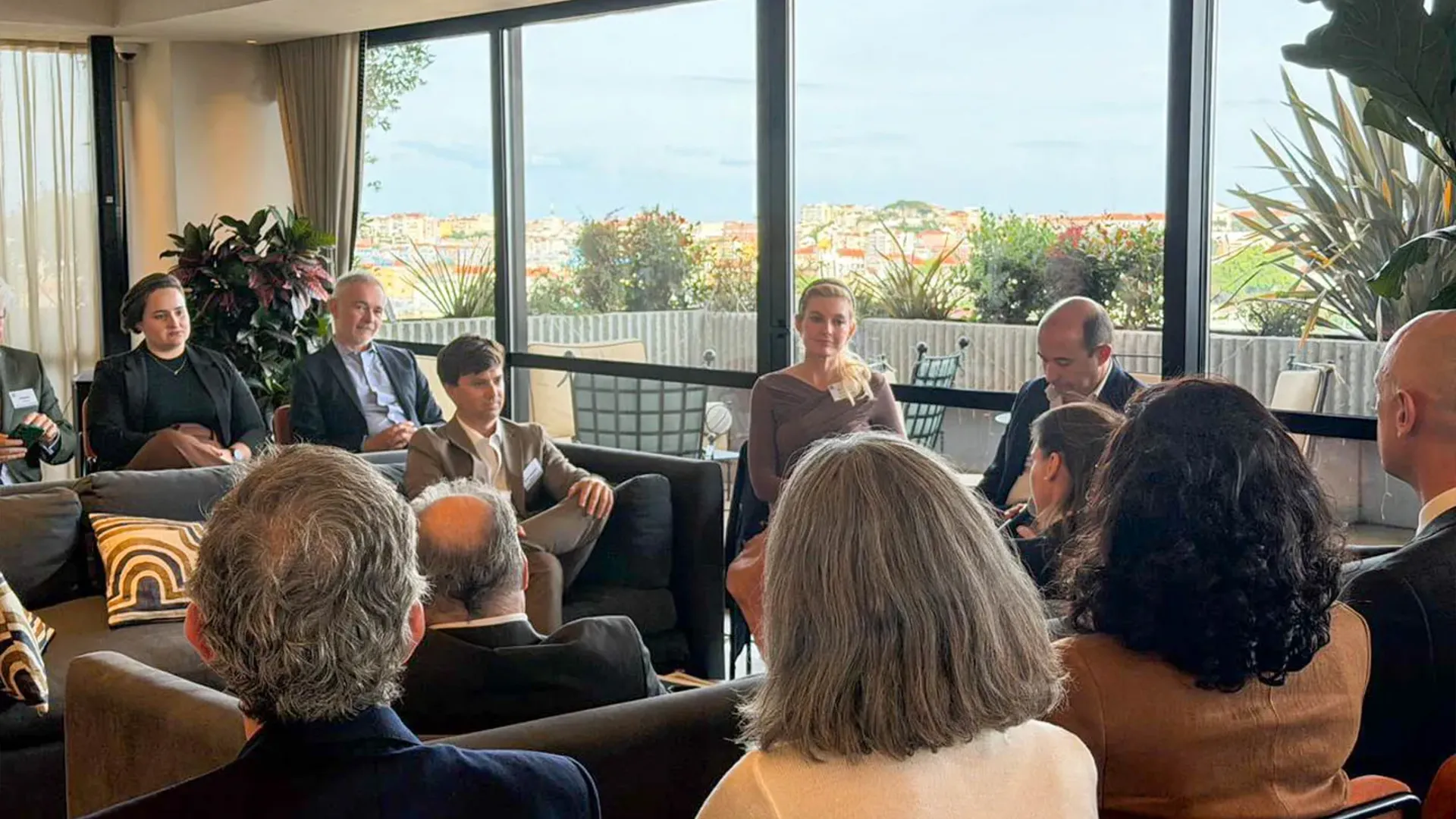
The European hospitality and living sectors are undergoing a fundamental shift as traditional hotel models merge with residential apartments to create a new standard for serviced living. This evolution is particularly evident in Portugal, which currently ranks as one of the fastest-growing markets for such hybrid projects due to its climate and urban appeal.These developments move beyond simple property sales to focus on curating vibrant neighbourhood experiences and fostering a sense of belonging for residents. By integrating hotel services into residential living, these assets provide a community-centric alternative to standard commercial real estate.
Financial performance in this branded sector is marked by significant premiums, typically averaging 25% across the country. In prime coastal regions such as the Algarve, these premiums can escalate to 45%, reflecting intense demand for the security and prestige associated with a global name.
Developers frequently see sales prices rise dramatically during the life of a project; for instance, early units may sell for EUR 8,000 per square metre, while final units can reach EUR 19,000 per square metre.
While branding can add approximately 3% to 6% to construction and finishing costs, the resulting increase in sales margins often justifies the investment. High demand has even led to flash sales where a significant portion of a project is sold via digital communication alone, without the need for physical site visits.
(GRI Institute)
The buyer profile for these assets is increasingly international, with Brazilians and Americans currently accounting for approximately 60% of the client base. These investors are motivated by a combination of lifestyle requirements, capital appreciation, and the use of real estate as a hedging tool to protect capital.
This influx of global capital has had practical implications for regional infrastructure, such as the establishment of new direct flight routes from the US to southern coastal airports to support the growing number of international property owners.
While some buyers are purely investment-focused, a significant segment prioritises the prestige of owning an exclusive piece of real estate, often viewing the purchase as a lifestyle asset rather than a simple financial yield play.
Operational management and yield expectations vary between urban and resort locations. In southern resort districts, typical yields range from 2% to 4%, whereas urban projects in Lisbon often achieve between 4% and 6%. Certain high-end luxury brands may project yields as high as 7% to 10% in urban settings, depending on the management scheme and unit count.
Successfully managing these properties requires specialised expertise in condominium law, profit-sharing schemes, and international owner relations, which differs significantly from standard hotel operations. Operators must also navigate diverse cultural expectations, such as the high priority some owners place on 24-hour security versus the specific service-level expectations of others.
The long-term sustainability of this model in the Portuguese market relies heavily on the strength of the secondary resale market and the ongoing quality of service. While early investors often see substantial capital appreciation as a project consolidates, the operator’s ability to maintain high standards is what supports the premium during resale.
Ultimately, the success of these assets is determined by the operator's ability to deliver a consistent experience every day, ensuring that the property remains a desirable lifestyle choice and a secure financial investment over time.
Portuguese Luxury Hospitality
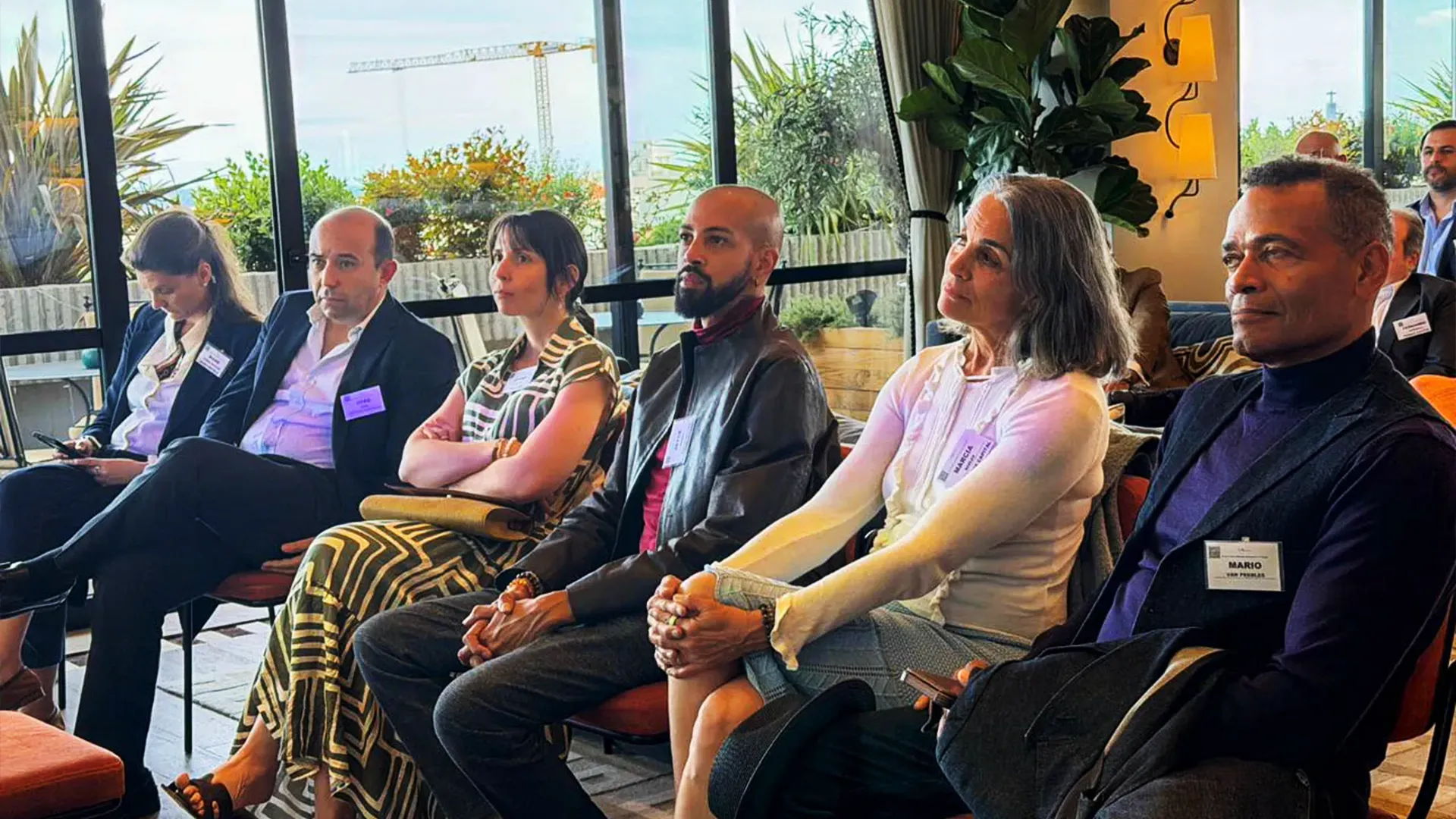
The Portuguese luxury hospitality sector has successfully transitioned from an emerging, secondary interest to a stable, mature market. This momentum is underpinned by a robust ecosystem of governmental stability, a high standard of living, and a rising profile that attracts high-net-worth individuals.While infrastructure challenges such as airport capacity remain a frequent topic of debate, the country is now viewed as a central hub for lifestyle-focused brands and standalone global concepts that have moved beyond the initial trial phase.
Luxury in this context is increasingly defined by experience and relevance rather than traditional material excess. The focus has shifted toward environmental, gastronomic, and cultural luxury, where the emotional sense of belonging carries more weight than old-school aesthetics such as marble finishes.
Culinary excellence often serves as the anchor for these developments, with high-functioning restaurants providing the vibe and repeated engagement necessary to sustain a hotel or residential ecosystem.
(GRI Institute)
Investor behaviour is also evolving, moving away from a simple hunt for high returns toward a strategy of international diversification and hedging. Global capital is being deployed as a technique to bring stability to portfolios by balancing riskier positions in other territories.
However, a potential risk exists in the lack of specific regulation for hybrid products, which could lead to inconsistent execution if the market becomes an unregulated "Wild West" of low-quality developments that damage the destination's reputation.
On the development side, construction costs and labour shortages remain significant hurdles that require a highly disciplined approach to square-metre costs. Success depends on a collaborative relationship between brands and developers, where flexibility in brand books allows for local sourcing and architectural solutions that do not exceed budgets.
Furthermore, design must be balanced with operational efficiency - a room that looks iconic but takes twice as long to clean can significantly erode margins through increased manpower costs and high employee turnover.
Looking ahead, the next phase of growth is expected to focus on wellness, longevity, and family-oriented retreats that offer personalised health programming. There is also considerable room for expansion into untapped, dense urban locations or specialised farm-style concepts outside the immediate primary cities.
While global brands offer a massive head start in terms of immediate positioning and credibility, independent concepts can still succeed if they are willing to endure a longer ramp-up period and establish their own unique authority in the market.
These insights were shared during the GRI Institute’s Luxury Hotels & Branded Residences in Portugal roundtable, co-hosted by Ando Living & Optylon Krea, with the Branded Residences panel featuring contributions from moderator Hakan Kodal (Ando Living & Optylon Krea), as well as Christelle Pitrel (Highgate), Nuno Coelho (LX5 Realty), and Pedro Garcia e Costa (KPI Hotel Management), and the Luxury Hospitality panel featuring contributions from moderator João Pita (Ando Living & Optylon Krea), along with Alejandro Scholtz (Wyndham Hotels & Resorts), Diane Daudin Clavaud (Nobu Hotels), and Katja Pazelskaya (Blue Tagus)