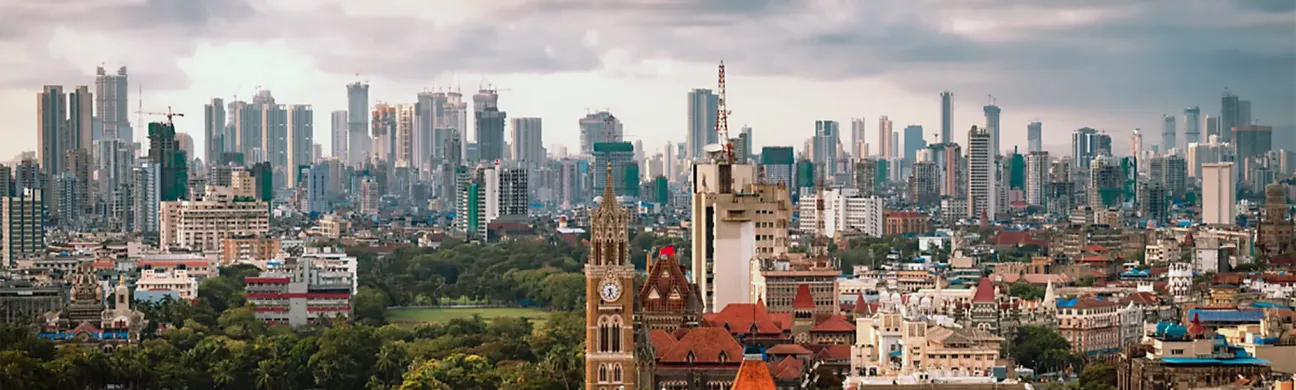
 Wikimedia Commons
Reconfiguration, Consolidation, and the Rise of Premium Living: Indian Residential Outlook H2 2026
Latest insights on how experience-led lifestyle ecosystems, segment polarisation, and domestic capital are reshaping the nation's major housing markets
July 16, 2026Real Estate
Written by:Rory Hickman
Executive Summary
Key takeaways from conversations between top industry leaders at GRI Institute India events throughout the first half of 2026, combined with the latest market research in our full H2 Outlook report, break down the pivotal phase of structural adaptation facing Indian real estate.
Although the Indian residential market is transitioning into a phase of cyclical moderation as cautious buyers navigate rising prices and wider economic anxieties, the sector remains highly resilient, heavily supported by a benchmark interest-rate cut, which continues to sustain borrowing predictability, overall market stability, and homebuyer confidence.
Ahead of India GRI 2026 on 8th October in Mumbai, where discussions on these vital shifts will continue, we take a detailed look at the country’s powerful living properties sector, breaking down regional performance, consumer behaviour, corporate consolidation, and more.
► Access the full Indian Real Estate Outlook H2 2026 report here
Although the Indian residential market is transitioning into a phase of cyclical moderation as cautious buyers navigate rising prices and wider economic anxieties, the sector remains highly resilient, heavily supported by a benchmark interest-rate cut, which continues to sustain borrowing predictability, overall market stability, and homebuyer confidence.
Ahead of India GRI 2026 on 8th October in Mumbai, where discussions on these vital shifts will continue, we take a detailed look at the country’s powerful living properties sector, breaking down regional performance, consumer behaviour, corporate consolidation, and more.
► Access the full Indian Real Estate Outlook H2 2026 report here
Key Takeaways
- The Indian residential market is experiencing a sharp structural polarisation, with robust demand in high-end segments significantly outperforming the struggling affordable housing sector.
- Rising construction costs and selective capital are driving rapid industry consolidation, allowing organised developers to capture a greater share of the market.
- Modern homebuyers are prioritising experience-led lifestyle ecosystems over simple square footage, forcing developers to focus on expansive green spaces and premium community amenities.
► Residential Reconfiguration
The Indian residential real estate market is transitioning through a broader phase of structural reconfiguration in the first half of 2026. Amidst ongoing global geopolitical uncertainties, sales and launch activities are experiencing a planned calibration, moving towards highly sustainable, disciplined growth levels.In the second quarter of 2026, quarterly sales volumes rationalised to surpass 61,150 units, bringing cumulative sales for the first half of the year to approximately 127,300 units.
Simultaneously, developers adopted a disciplined approach to supply, launching approximately 63,780 units in the second quarter of 2026, which pushed first-half cumulative launches to roughly 138,800 units.
Market activity remained heavily concentrated in major urban hubs, with Mumbai, Pune, and Bangalore driving 63% of second-quarter sales and accounting for 67% of all launches during the same period.
► Segment Polarisation
A deep polarisation characterises current buyer behaviour and supply strategies, with premium and high-end properties significantly outperforming affordable housing.The affordable and budget segment, representing homes under INR 10 million, captured a 25% share of second-quarter sales, which is a decline from 26% in the first quarter. The segment continues to battle persistent demand headwinds, with sales down 21% year-on-year.
Developers face severe structural viability challenges, including rising land prices, commodity inflation, and an outdated INR 4.5 million statutory affordability threshold, all of which have compressed margins.
Conversely, the high-end segment, spanning homes priced between INR 10 million and INR 30 million, led national demand in the second quarter of 2026 with a 32% share of total sales, rising from 28% in the first quarter and reflecting a solid 4% quarter-on-quarter growth rate.
This segment also dominated developer launches in the second quarter with a 35% share, demonstrating a strong structural alignment with premium buyer demand. Similarly, the mid-segment accounted for a steady 29% share of sales and 28% of launches during the same quarter.
Meanwhile, premium and luxury properties priced above INR 30 million held a 10% share of sales and a 13% share of launches in the second quarter.
Ultra-luxury properties, priced at INR 100 million or above, remained resilient, particularly in southern markets. During the 2025-2026 fiscal year, southern India recorded 811 ultra-luxury transactions totalling INR 112.46 billion, spearheaded by tech-wealth accumulation.
► Corporate Consolidation and Financial Discipline
To manage rising input costs, which threaten to push property prices up by 10% to 12%, and project timeline delays of four to six months, the industry is witnessing intense consolidation.Organised and listed developers are expanding their market share, collectively gaining up to 200 basis points in absorption volume and value. Backed by solid project execution and healthy cash flows, pre-sales for listed firms surged by 21% year-on-year, while collections grew by 18%.
Listed entities also maintain a highly optimised inventory overhang of 13 months, compared to 19 months for unlisted counterparts, while unlisted and mid-market developers are navigating severe liquidity constraints.
Institutional capital remains highly selective, forcing smaller builders to absorb a steep 16% to 17% cost of structured debt. Consequently, local operators are increasingly relying on customer-funded pre-sales or forming strategic joint ventures with pan-India developers to mitigate execution risk.
► Institutional Capital Allocation
The residential sector remains an attractive target for institutional investors, accounting for 10% of institutional real estate portfolios in the first half of 2026. Private equity inflows into the sector were robust, with the first quarter of 2026 registering transactions worth approximately USD 178 million.The geographic distribution of this institutional funding reflects clear investor preferences across major cities, with Bangalore capturing the largest portion at 18% of investment volumes, followed closely by Chennai with 16%.
Delhi-NCR accounted for 12%, Pune represented 9%, and the Mumbai Metropolitan Region received 6%, while Hyderabad and Kolkata each recorded a modest 1% share of institutional capital, highlighting where major financiers are concentrating their urban development strategies.
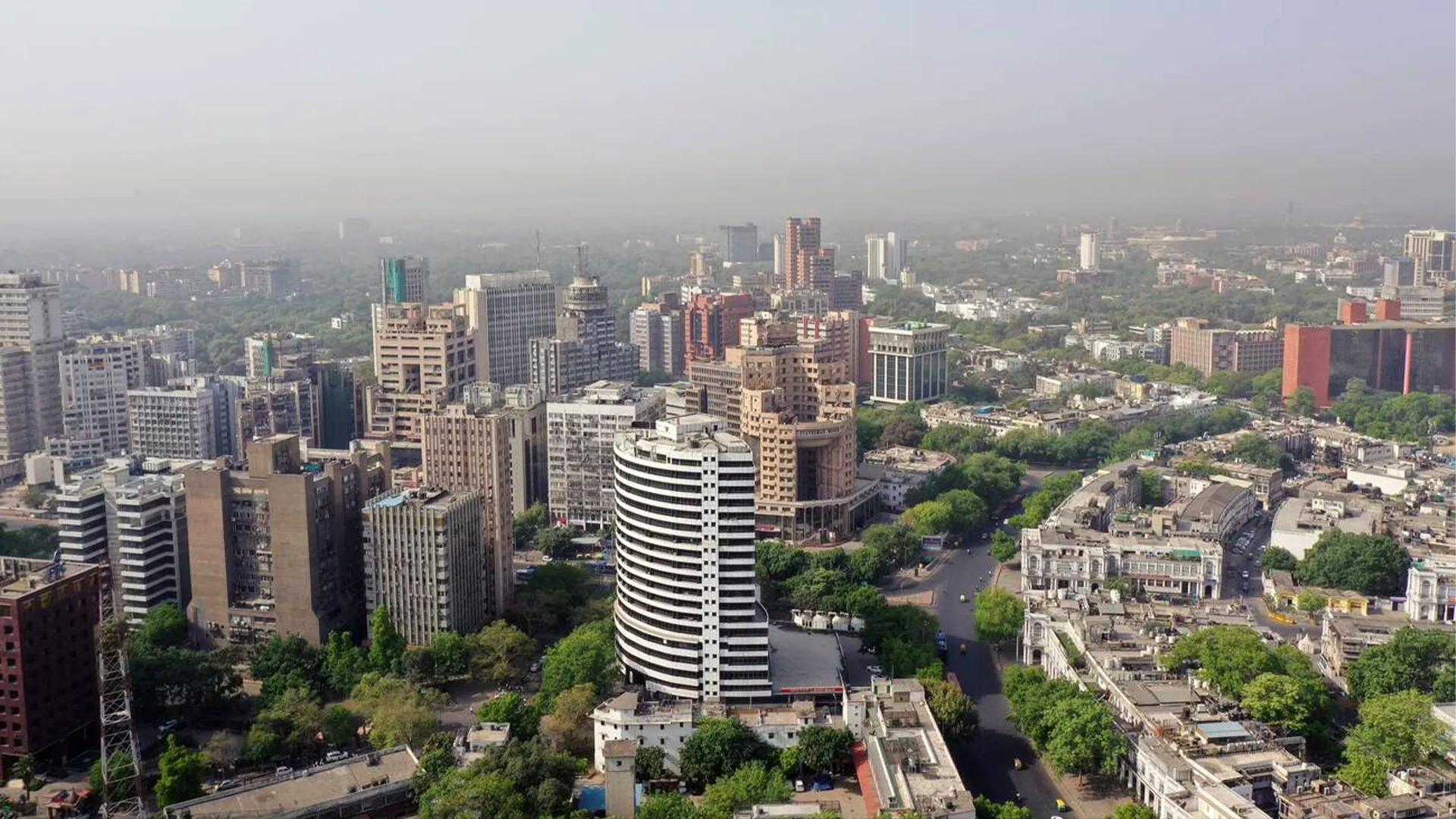
(Wikimedia Commons)
► City-by-City Performance
The primary metropolitan cities displayed varying transaction and supply volumes, alongside diverse capital value movements, throughout the first half of 2026.Mumbai MMR
Mumbai led national sales, recording 16,610 sales in the second quarter and 34,100 sales across the first half of the year.Developers in Mumbai launched 16,510 units in the second quarter and 32,550 units in the first half, with capital values continuing an upward trend. In premium micro-markets such as Worli and South Mumbai, developers are projected to raise prices by at least 5% due to import-reliant supply chain pressures.
To address spatial challenges, municipal housing authorities are pursuing a large-scale cluster intervention strategy, planning 19 major redevelopment projects targeting slum clusters of at least 50 acres, such as the 100-acre project in Andheri West.
Pune
Pune maintained a steady second-place share of national sales, registering 11,050 transactions in the second quarter and 22,400 sales in the first half of 2026.Launches in Pune reached 12,830 units in the second quarter and 26,300 units in the first half, supported by an upward trend in capital values. Developers are heavily prioritising the mid-segment, specifically the INR 10 million to INR 15 million bracket, which made up 46% of launches.
Strategic private equity partnerships, structured to bypass direct construction risk, are supporting local capacity.
► Join our upcoming Pune 2026 Roundtable on 9th September for more insights
Bangalore
Bangalore also shared the second-place sales spot, logging 11,020 sales in the second quarter and 20,900 sales in the first half of 2026, driven by tech-corridor demand and global capability centres.Launches in Bangalore came in at 13,560 units in the second quarter and 30,250 units in the first half of the year, with capital values continuing to increase.
The city led national residential appreciation with a 24% annual price increase, bringing average capital values to INR 9,785 per square foot, alongside a 55% surge in luxury sales volume.
► Don’t miss our Bangalore GRI 2026 Conference on August 6th for a multi-sectoral analysis
► Continue the discussion at the Bangalore Residential Roundtable 2026 on October 30th
Hyderabad
Hyderabad captured 8,438 sales in the second quarter and 18,500 sales in the first half, while launches reached 9,834 units and 22,400 units in the respective periods. Capital values remained stable throughout this timeframe.The West zone, including the Financial District and Nanakramguda corridor, remains dominant, commanding 65% of launches, while western growth corridors such as Narsingi and Kokapet are driving annual price appreciation.
Delhi-NCR
Delhi-NCR registered 6,350 sales in the second quarter and 15,120 sales in the first half of the year. Launches were recorded at 3,710 units in the second quarter and 12,700 units in the first half, with capital values showing an upward trend.The region is showing a major transition towards luxury, pushing values in Gurugram and Noida to between INR 26,000 and INR 28,000 per square foot. While speculative activity has softened, causing Gurugram's aggregate luxury take rate to drop, the region has seen a structural recalibration towards mid-segment supply.
Significant infrastructure, such as the Delhi-Dehradun Expressway, is expected to catalyse a 15% to 25% land value increase in peripheral micro-markets.
► For a closer look, join us at the Delhi Real Estate Roundtable 2026 on October 22nd
Chennai
Chennai achieved 5,340 sales in the second quarter and 9,900 sales in the first half of 2026, remaining highly stable, resilient, and end-user-driven. Launches stood at 5,420 units in the second quarter and 9,500 units in the first half, with capital values remaining stable.Local buyers exhibit a strong cultural preference for plotted developments to build bespoke homes.
Infrastructure projects including Metro Phase II and the Parandur airport are driving nearby land value increases of 20% to 60%, pushing the market from historical sub-INR 10 million demand to premium gated communities in the INR 10 million to INR 30 million category.
Kolkata
Kolkata recorded 2,350 sales in the second quarter and 6,400 sales in the first half of 2026, with launches reaching 1,915 units in the second quarter and 5,100 units in the first half of the year.Capital values in Kolkata remained stable, and the city maintained consistent performance with localised demand.
► Lifestyle Ecosystems and Branded Residences
Modern homebuyer preferences have fundamentally shifted from mere square footage toward comprehensive, experience-led lifestyle ecosystems.New-age residential layouts limit building footprint coverage to under 30% of the land parcel, reserving the remaining 70% for green spaces, heated pools, athletic facilities, and wellness sanctuaries. This trend is further supported by municipal urban regeneration tools including Land Pooling Initiatives and Green Development Areas.
This desire for high-end lifestyle curation has catalysed the branded residences sector, though it remains in its formative stages in India.
Ultra-wealthy domestic buyers often reject standardised, turnkey luxury interiors, preferring raw shell properties to build bespoke living spaces, so global brands are adapting by focusing on macro-level lifestyle branding, which involves managing shared common areas, high-end clubhouses, and community programming.
However, the segment faces distinct operational hurdles that developers must navigate. Statutory handover laws, which mandate the transfer of building control to resident welfare associations, threaten the long-term, perpetual oversight required by international hospitality brands.
Additionally, there is notable cultural resistance to premium recurring maintenance fees, which can reach up to INR 20 per square foot, often leading to post-possession service cuts. To mitigate these risks, developers are increasingly utilising multi-year upfront maintenance lock-ins, separate long-term facility management contracts, and binding brand-retention clauses.
Besides mainstream developments, the market is diversifying into niche residential models to cater to specific demographic cohorts. The specialised senior living segment is maturing, evidenced by dedicated capital commitments in micro-markets such as Thane.
Similarly, low-density villa projects in regions including Tamil Nadu reflect a broader appetite for exclusivity, privacy, and curated density away from high-rise urban cores.
► Market Outlook
Looking ahead through the second half of 2026, the Indian residential market is projected to sustain overall stability by maintaining a balanced equilibrium between supply and demand.Strategic, phased launches, such as tower-wise releases, will allow developers to discipline supply and align new inventory with local absorption rates.
With the stable monetary environment provided by the 125 basis point repo rate reduction, the sector remains well-positioned for balanced, non-volatile growth, underpinned by a sharp focus on developer execution, construction quality, and project fundamentals.
► This article was adapted from our full Anchoring the Future: Indian Real Estate Outlook H2 2026 report - available here