 Magnific
Anchoring the Future: Indian Real Estate Outlook H2 2026
Navigating the macroeconomic headwinds, evolving living sector shifts, and tech-driven commercial asset trends shaping India’s real estate investment horizon
July 2, 2026Real Estate
Written by:Rory Hickman
Executive Summary
Insights shared during discussions among top industry leaders at GRI Institute India events throughout the first half of 2026, synthesised with the latest market research, reveal that the Indian real estate sector is moving through a pivotal phase of structural adaptation.
On one side, the first half of 2026 brought severe external pressures - including US-Iran geopolitical friction, domestic energy rationing, and a 25% surge in construction costs - which triggered a cyclical moderation in foreign institutional inflows.
On the other side sits an underlying market framework defined by phenomenal domestic resilience, robust occupier demand, and a massive long-term expansion trajectory.
What emerges is a highly polarised landscape where passive strategies are obsolete and capital is increasingly selective. Surging domestic investments, family offices, and alternative credit are forcefully anchoring deal flows, whilst a distinct flight to quality is accelerating corporate consolidation.
Simultaneously, a technology and infrastructure supercycle is underway, with GCCs and hyperscale data centres actively decentralising growth into Tier-2 and Tier-3 micro-markets via expanding transit networks.
Ahead of India GRI 2026 on 8th October in Mumbai - a vital forum to continue the conversation - this report outlines how developers, investors, and operators can leverage India's massive manufacturing and digital tailwinds by prioritising active asset management, collaborative hybrid leases, and ESG compliance.
On one side, the first half of 2026 brought severe external pressures - including US-Iran geopolitical friction, domestic energy rationing, and a 25% surge in construction costs - which triggered a cyclical moderation in foreign institutional inflows.
On the other side sits an underlying market framework defined by phenomenal domestic resilience, robust occupier demand, and a massive long-term expansion trajectory.
What emerges is a highly polarised landscape where passive strategies are obsolete and capital is increasingly selective. Surging domestic investments, family offices, and alternative credit are forcefully anchoring deal flows, whilst a distinct flight to quality is accelerating corporate consolidation.
Simultaneously, a technology and infrastructure supercycle is underway, with GCCs and hyperscale data centres actively decentralising growth into Tier-2 and Tier-3 micro-markets via expanding transit networks.
Ahead of India GRI 2026 on 8th October in Mumbai - a vital forum to continue the conversation - this report outlines how developers, investors, and operators can leverage India's massive manufacturing and digital tailwinds by prioritising active asset management, collaborative hybrid leases, and ESG compliance.
Key Takeaways
- Geopolitical energy shocks and a 25% spike in construction costs have forced a cyclical moderation, but resilient domestic capital and proactive government interventions are successfully anchoring the macroeconomic recovery.
- The living and hospitality sectors are undergoing rapid corporate consolidation, driven by a stark polarisation between squeezed affordable markets and booming demand for premium, experience-led lifestyle ecosystems.
- Commercial real estate is driving a massive technology and infrastructure supercycle, with occupier demand forcing a strict flight to quality across green-certified offices, experiential retail, automated logistics, and hyperscale data centres.
► Geopolitical and Macroeconomic Outlook
Energy Shocks
The Indian real estate sector collided with severe operational uncertainty and soaring costs during the first half of 2026, a direct casualty of the US-Israel war on Iran.As conflict engulfed the Middle East, a near-total halt in traffic through the Strait of Hormuz - the vital corridor for a third of global oil - sent Brent crude prices surging past USD 100 per barrel.
With India relying on imports for 90% of its crude, this external price spike instantly triggered crippling domestic energy rationing.
Compounded by drone attacks that disrupted LNG shipments and cut industrial gas supplies by up to 30%, the resulting macroeconomic shock hammered the rupee, leaving developers facing a brutal operational crisis.
Construction Crunch
The economic shock quickly hit local construction. By April, vessels rerouted via the Cape of Good Hope faced transit delays of up to 20 days and freight hikes of up to INR 350,000 per container.These bottlenecks inflated domestic logistics costs by 15% to 18% and drove up raw material prices. Steel prices jumped 20% to INR 72,000 per tonne, adding roughly INR 50 per square foot to high-rise developments.
Ultimately, overall construction expenses surged by more than 25%, forcing builders to alter procurement plans. This squeeze dented industry morale, dragging the real estate sentiment score from 60 in late 2025 down to 49 in the first quarter of 2026.
Government Response
To safeguard the economy, New Delhi stepped up oil purchases from Russia and Venezuela, whilst drafting plans for strategic reserves of crude, cooking gas, and LNG. The government absorbed an extra 0.5% of GDP in fiscal deficit to shield consumers by capping fuel and fertiliser prices.To counteract capital outflows that depreciated the rupee to INR 93 against the dollar and triggered a 15% drop in the Nifty index, authorities considered tax cuts for foreign investors and relaxed investment restrictions on Chinese firms.
Concurrently, newly concluded trade deals with the UK and EU are expected to draw in foreign funds.
Despite lingering tensions over Iran's control of the strait, a tentative US-Iran ceasefire agreement offers a fragile window of stability and reduced oil prices significantly, resulting in Indian stocks and the rupee initiating a recovery toward the end of June, signalling that recent policy measures are yielding results.

(GRI Institute)
► Investments and Financing
Navigating Global Headwinds
Following a period of aggressive expansion, India's real estate investment landscape is entering the second half of 2026 displaying characteristic cyclical moderation.While the sector's long-term trajectory remains formidable, projecting an expansion from USD 650 billion in 2025 to USD 5.8 trillion by 2047, immediate macroeconomic and geopolitical pressures are fundamentally reshaping capital flows.
Shifting Capital and Liquidity Hurdles
The geopolitical fallout from the US-Iran conflict severely impacted foreign institutional investments in the first half of the year. In the first quarter of 2026, foreign capital inflows dropped by 75% quarter-on-quarter to USD 400 million, as international investors adopted a cautious, wait-and-see approach.By early June, private equity inflows had collapsed by 29% year-on-year to USD 3.5 billion. This contraction was driven by risk repricing, currency depreciation, high debt costs, and rigid regulations, which collectively engineered an acute structural liquidity crunch.
Alternative Investment Funds (AIFs) are currently wrestling with maturity mismatches, illiquid assets, and deployment gaps, leaving a constrained liquidity pool of just USD 2.3 billion.
Furthermore, the domestic stock market experienced a recent capital flight, as investors redirected funds to chase AI-driven gains in markets such as Taiwan and South Korea.
Consequently, institutional capital flows are actively shifting away from North American sources, pivoting instead toward Japanese and Middle Eastern investors who prioritise sovereign and sector risk comfort over immediate commercial returns.
Domestic Resilience and Alternative Credit
Despite these global headwinds, domestic activity has forcefully anchored the market. Domestic investors drove capital inflows in Q1 2026, contributing USD 1.2 billion, a 57% year-on-year increase that accounted for three-quarters of the quarterly total.With a lack of large-ticket transactions pushing overall Q1 deal values down 63% to USD 763 million, domestic players are increasingly targeting smaller, mid-sized, and income-generating opportunities.
This environment has catalysed the evolution of the real estate debt market. Following tax changes that compressed traditional fixed-income returns, real estate credit fund managers are stepping in to offer compelling yields, ranging from 10% for construction finance up to 24% for higher-risk, pre-approval opportunities.
Simultaneously, family offices are maturing, migrating their focus from complex raw land investments to clean-cut, institutional assets developed by top-tier firms.
Macro Foundations and Tier-2 Expansion
The underlying macroeconomic environment continues to support a positive H2 outlook. The Reserve Bank of India's decision to maintain the repo rate at 5.25% is preserving borrowing predictability, homebuyer confidence, and developer project planning. At the same time, net foreign direct investment reached a five-year high of USD 6.6 billion in April.Looking ahead to the remainder of 2026, growth is increasingly decentralising. Backed by state initiatives and the newly approved INR 1 trillion Urban Challenge Fund, land prices in Tier-2 and Tier-3 cities, such as Bhubaneswar and Varanasi, are forecast to surge by 25% to 100% over the next two to four years.
With estimates that recent government investor incentives could attract between USD 40 billion and USD 60 billion in incremental capital inflows, the Indian real estate market is well-positioned to leverage its maturing institutional framework, stringent RERA regulations, and expanding digital infrastructure to secure vital H2 growth.
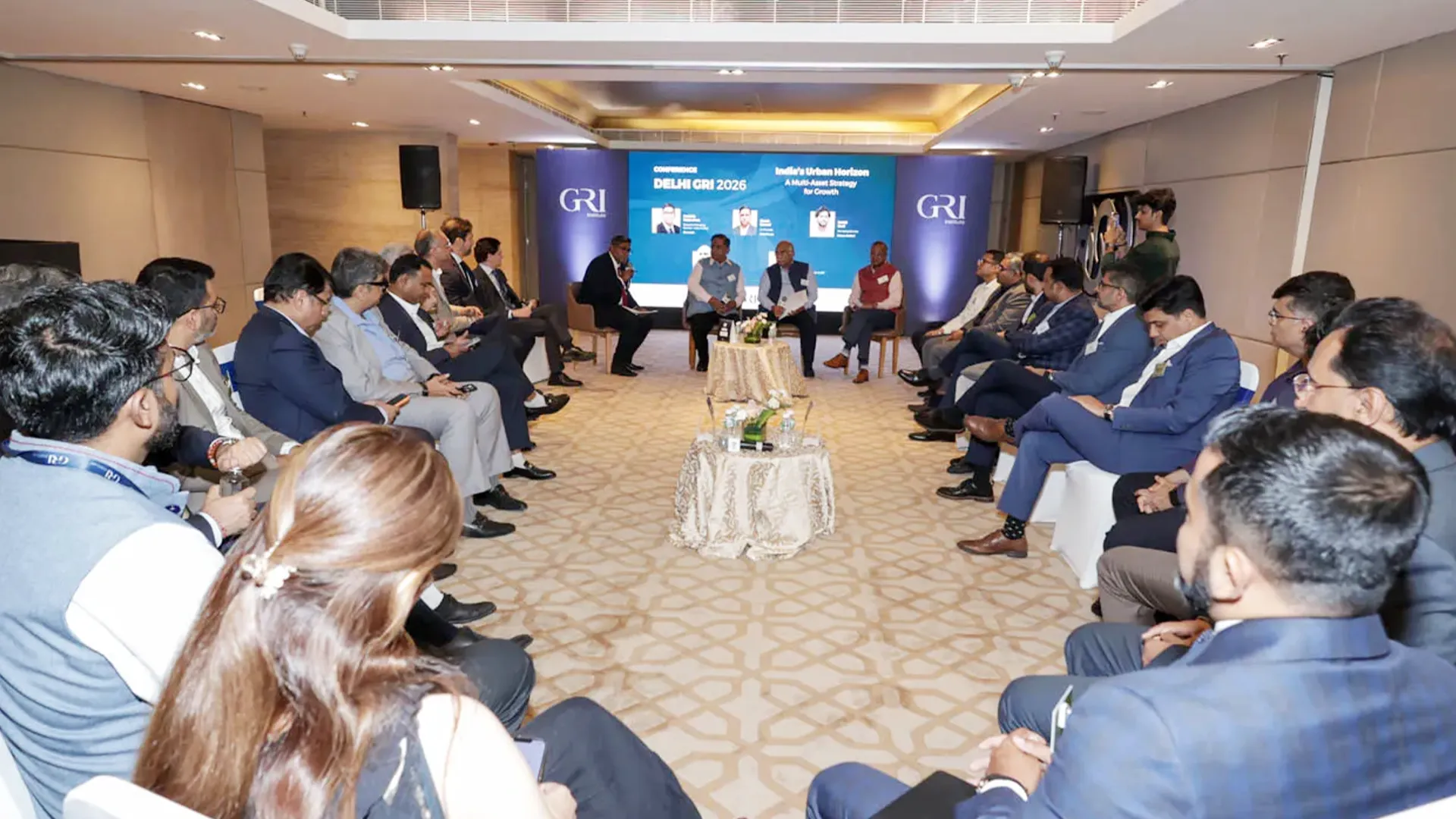
(GRI Institute)
► The Indian Living Sector
Structural Shifts and Resilience
The Indian residential real estate market is entering a phase of cyclical moderation and balanced growth, marked by stark performance divergences across different asset classes and geographies.While the industry recorded an overall value growth of 8% during the fiscal year 2026, national home sales declined by 6% in the April-June quarter of 2026. Residential buyers are becoming increasingly cautious, driven by elevated property prices, a reduction in Middle East investors, an underperforming stock market, and AI-related job uncertainty.
Despite these immediate headwinds, the sector remains highly resilient, supported by a 125 basis point repo rate reduction to 5.25% by the Reserve Bank of India, which continues to sustain borrowing predictability and homebuyer confidence.
The Great Segment Divide
A sharp polarisation has emerged between the premium and affordable housing segments. The mid-income segment, covering homes priced between INR 10 million and INR 30 million, posted a robust 16% jump in sales volumes year-on-year.Similarly, the luxury segment, comprising homes priced above INR 30 million, registered a 9% annual growth in volume terms, heavily fueled by a wealth surge that is forecast to increase the number of domestic billionaires by 51% by 2031.
In complete contrast, the affordable housing sector, where average ticket sizes sit below INR 10 million, saw sales collapse by 21% year-on-year. The segment faces severe structural viability challenges, including rising land prices, commodity inflation, reverse labour migration, and an outdated INR 4.5 million statutory affordability threshold.
This squeeze has pushed the nationwide weighted average residential price past the INR 10,000 per square foot threshold for the first time.
Corporate Consolidation and Capital Realities
The challenging economic environment has accelerated market consolidation. Organised and listed developers successfully consolidated their market positions, collectively gaining up to 200 basis points in market share by absorption volume and value during the fiscal year.Pre-sales for listed firms surged 21% year-on-year, and collections grew by 18%, signalling superior project execution and healthy cash flows. Listed players also maintained a healthier inventory overhang of 13 months, compared to 19 months for their unlisted counterparts.
Conversely, unlisted and mid-market developers are navigating an acute liquidity crunch. Institutional capital has become highly selective, forcing smaller builders to absorb a punishing 16% to 17% cost of structured debt.
To avoid expensive borrowing, many local developers are increasingly relying on customer-funded pre-sales or forming strategic joint ventures with pan-India operators to acquire fragmented land parcels.
Regional Breakdown
Geographically, residential activity and pricing trends vary widely across India's major metropolitan areas:Bangalore and Hyderabad
Driven by the expansion of tech hubs and global capability centres (GCCs), these two cities collectively accounted for nearly a third of all national home sales.
Bangalore led residential appreciation with a 24% annual price surge, alongside a 55% jump in luxury sales volume.
Hyderabad dominated the ultra-luxury segment, recording 625 transactions worth INR 85.62 billion, concentrated primarily in the western Financial District and Nanakramguda corridor.
► Don’t miss our Bangalore GRI 2026 conference on August 7th
Bangalore led residential appreciation with a 24% annual price surge, alongside a 55% jump in luxury sales volume.
Hyderabad dominated the ultra-luxury segment, recording 625 transactions worth INR 85.62 billion, concentrated primarily in the western Financial District and Nanakramguda corridor.
► Don’t miss our Bangalore GRI 2026 conference on August 7th
Delhi-NCR
The Delhi-NCR region is shifting from affordability to luxury, pushing premium values in Gurgaon and Noida to between INR 26,000 and INR 28,000 per square foot.
However, speculative activity has cooled, causing Gurugram's individual luxury take rate to drop by roughly 20 percentage points.
On the infrastructure front, the new Delhi-Dehradun Expressway is projected to drive peripheral land value increases of 15% to 25%
► Join us at the Delhi Real Estate Roundtable 2026 on October 22nd
However, speculative activity has cooled, causing Gurugram's individual luxury take rate to drop by roughly 20 percentage points.
On the infrastructure front, the new Delhi-Dehradun Expressway is projected to drive peripheral land value increases of 15% to 25%
► Join us at the Delhi Real Estate Roundtable 2026 on October 22nd
Mumbai MMR
In Mumbai, where affordability constraints have limited buyers to smaller units, government housing authorities are pivoting toward a large-scale cluster intervention strategy, launching 19 major redevelopment projects targeting slum clusters of at least 50 acres.
Pune
In Pune, while capital values average INR 12,228 per square foot, developers face stagnating sales and rising inventory, prompting major global private equity firms to acquire stakes structured to avoid full construction risk.
► See details of our upcoming Pune Commercial 2026 roundtable on 9th September
► See details of our upcoming Pune Commercial 2026 roundtable on 9th September
Chennai
Characterised as a stable, end-user-driven market, Chennai bucked national trends with a 31% year-on-year sales growth in 2025.
Driven by Metro Phase II and the Parandur airport project, peripheral land values have increased by 20% to 60%, shifting local demand from the sub-INR 10 million bracket to the INR 10-30 million category.
Driven by Metro Phase II and the Parandur airport project, peripheral land values have increased by 20% to 60%, shifting local demand from the sub-INR 10 million bracket to the INR 10-30 million category.
Evolving Lifestyle Ecosystems and Branded Luxury
Modern homebuyer preferences are fundamentally changing. Buyers are actively prioritising experience-led lifestyle ecosystems over pure square footage, prompting developers to limit building coverage to under 30% of land parcels and dedicate the remaining 70% to green spaces, wellness sanctuaries, and sports facilities.This trend has fostered the development of branded residences, though the segment remains niche and faces notable operational friction. Ultra-wealthy Indian buyers frequently reject standard turnkey luxury, preferring raw shell properties to build bespoke interiors.
Furthermore, statutory handover laws mandate transferring building control to resident associations, creating a distinct risk for global hospitality brands.
Residents often display cultural resistance to recurring maintenance fees, which can reach INR 20 per square foot, forcing developers to implement multi-year upfront maintenance lock-ins and separate facility contracts to ensure long-term brand retention.
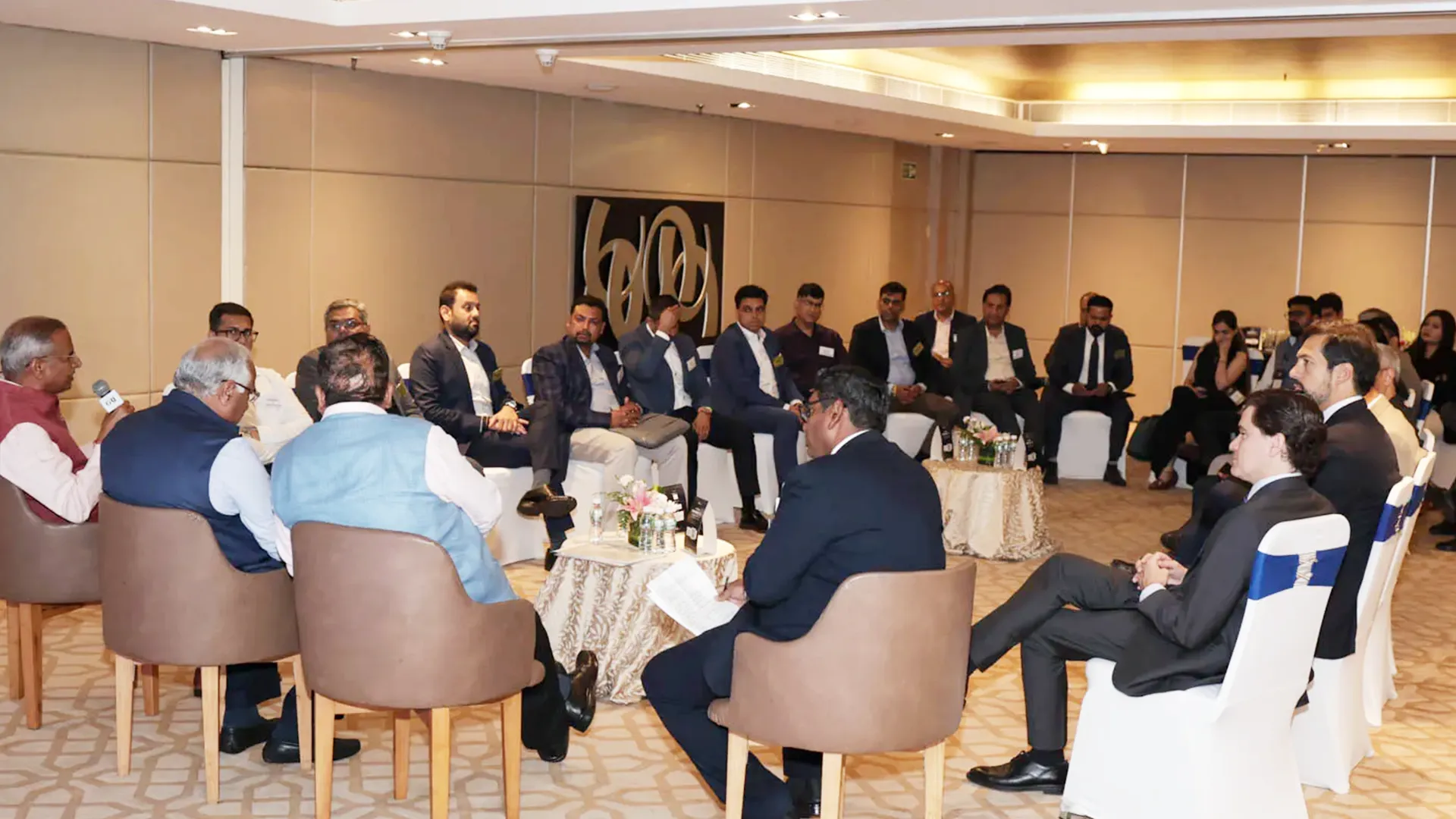
(GRI Institute)
► Hospitality in India
Domestic Boom, Regional Expansion, and Looming Shifts
The Indian hospitality sector is experiencing robust structural momentum, fueled by an estimated 4.5 billion domestic tourist visits in 2025.Driven by religious tourism, destination weddings, and unsecured credit-funded travel, operational growth remains exceptionally strong. Nationwide hotel occupancy reached between 63% and 65% in 2025.
Average room rates increased by 10% year-on-year to between INR 8,500 and INR 8,700, pushing revenue per available room up by 10% to 12% to range from INR 5,400 to INR 5,600.
To meet demand, operators are expanding aggressively. Brand signings hit a record 64,118 keys in 2025, a 36% annual increase, and are projected to reach 76,000 keys in 2026. By 2030, listed operators alone are expected to add over 70,000 new keys.
Geographic Shifts and Mixed-Use Integration
Expansion is pivoting heavily toward Tier-2, Tier-3, and even Tier-4 markets. Major firms have secured over 400 asset-light contracts in regional destinations including Goa, Kota, Guwahati, and Dibrugarh, with the midscale category capturing 55% of total signings.Concurrently, new highways and aviation infrastructure are unlocking remote micro-markets for super-luxury developments capable of commanding premium rates up to INR 90,000.
In urban centres, developers are integrating hotels into high-density mixed-use projects. Blending hospitality with retail and office spaces pushes infrastructure utilisation toward 100% across the full week, capturing overnight demand when office usage subsides, and generating up to 30% of hotel revenues.
Development Bottlenecks and Capital Realities
Despite surging demand, developers face severe friction from cost inflation and bureaucracy. Supply chain constraints and labour shortages drove per-key construction costs up by 8% to 12% in 2025, ranging from INR 4.77 million for economy assets to INR 28.73 million for luxury properties.Builders are mitigating these pressures by adopting modular construction to cut project timelines by up to 50% and replacing over-specified "ego assets" with strict pre-construction planning.
Bureaucratic hurdles remain a major deterrent. Securing up to 160 licences can extend building timelines to five years, forcing institutional investors, who allocate 5% of their real estate portfolios to hotels, to avoid greenfield projects.
Capital instead favours operational or distressed assets trading near parity at USD 0.90 to USD 0.95. Commercial banks are supporting this shift by structuring 18-year loans with put-and-call options to balance risk, tenure stability, and bank exposure.
Operator Friction and Future Outlook
Rapid brand expansion has triggered an attention dilution crisis, significantly degrading corporate oversight and expense control.While international brands offer a 25% to 50% revenue premium, friction is escalating between developers bearing long-term capital risks and operators securing guaranteed base fees.
Owners are increasingly demanding mutual accountability, executing strict internal audits to stop revenue leakage, and migrating toward franchise models to protect margins.
Currently, operating margins of 40% to 50% have pushed EBITDA multiples up to 25 and compressed cap rates to between 4% and 6%. However, analysts warn that a looming five-year supply shock will eventually compress margins, likely triggering a new private equity acquisition cycle.

(GRI Institute)
► Offices and Global Capability Centres
Structural Resilience and GCC Expansion
India's commercial real estate market is defying global headwinds, demonstrating remarkable structural resilience and record-breaking demand.In the first half of 2026, gross office leasing across the top seven cities reached 35.7 million square feet, marking a 6% year-on-year increase. The office sector continues to anchor institutional real estate growth, capturing 54% of total institutional capital and attracting USD 2.3 billion across 17 transactions in H1 2026.
With annual gross leasing projected to exceed 70 million square feet, the sector is transitioning from a cost-led outsourcing destination to a global hub for advanced technology, innovation, and top talent.
The Global Capability Centre Engine
The primary engine behind this unprecedented expansion is the evolution of Global Capability Centres (GCCs). No longer mere back-office operations, GCCs are transitioning into high-value, globally integrated research hubs.Projected to reach a market value of USD 100-110 billion by 2030, GCCs will account for half of the global market. They have already leased nearly 100 million square feet of office space since 2021, with an additional 60-65 million square feet of absorption expected through 2027.
Southern markets, particularly Bangalore, Hyderabad, and Chennai, completely dominate this space, capturing 74% of GCC leasing.
While US technology firms have historically accounted for over 70% of this activity, demand is actively diversifying. European Union companies are increasingly securing space for engineering and manufacturing, while UK demand is being driven by banking, financial services, and consulting firms.
Capital Constraints and the Domestic Surge
Despite record occupier demand, the sector faces an acute institutional capital constraint driven by a sharp drop in foreign private equity investments. This has pushed the office supply-to-demand ratio to a historic low of 0.63x, leaving India with just USD 23.2 of available capital per square foot of office demand.This severe capital constraint elevates insolvency risks for mid-sized builders and threatens steep rental escalations across top-tier metros, potentially creating a sector oligopoly of highly capitalised developers.
However, domestic capital is surging to fill the void, accounting for a massive 89% of the total office investment volume in H1 2026.
Family offices and domestic funds are shifting toward yield-generating commercial equity, demonstrating a clear preference for full-building ownership over fragmented, capital-deadlocked strata-titled properties to retain operational control and secure predictable cash flows.
The Flight to Quality and a Retrofitting Boom
Occupiers are increasingly demonstrating a flight to quality, demanding AI-ready hubs with enhanced power, advanced cooling, and integrated transit networks.This has resulted in 79% of total leasing being concentrated in green-certified, amenity-rich, and ESG-compliant assets. Large corporate tenants are now mandating LEED Platinum certification and high-efficiency infrastructure as a strict prerequisite for tenancy.
Consequently, older stock is facing severe obsolescence. Nearly 450 million square feet of Indian office stock is over a decade old, unlocking a massive INR 500 billion retrofitting market.
Strategic upgrading of systems, digital layers, and façades allows these repositioned assets to command 85% to 90% of new-build rents, though operational execution remains highly complex due to fragmented strata-ownership structures.
Flex Spaces and Integrated Urban Ecosystems
To manage risk, access secondary talent pools, and maintain enterprise agility, occupiers are heavily leveraging flexible workspaces. Flex spaces currently command 22-24 million square feet of absorption and are expected to top 100 million square feet by 2026, providing hospitality-style environments that make up 25-30% of corporate portfolios.Furthermore, urban planners and developers are rethinking commercial architecture. Through Transit-Oriented Development frameworks, developers are securing enhanced Floor Area Ratios of up to 500 FAR to build high-density, vertical commercial hubs within 500 metres of transit tracks.
By integrating commercial offices directly into destination retail complexes and hotels, developers are creating self-sustaining mega-campuses. This mixed-use approach lowers operational expenditures by spreading the costs of parking, climate control, and waste management across the entire week, while providing co-located retail operators with a stable, captive weekday consumer base.
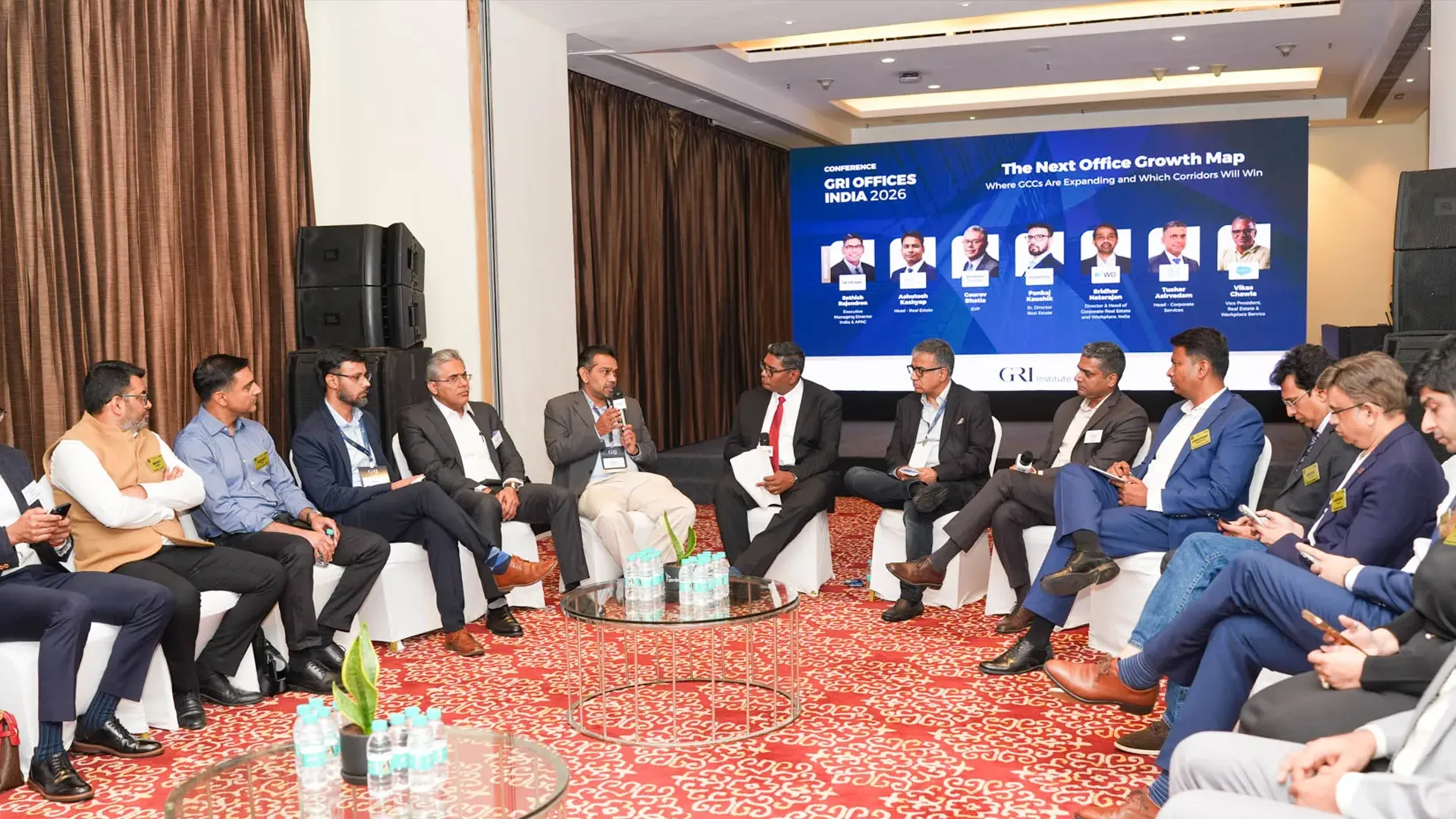
(GRI Institute)
► The Retail Sector
Experiential Shifts and Active Management Drive Yields
The Indian retail property sector is undergoing a profound structural transformation. Representing 4% of institutional real estate portfolios in the first half of 2026, the market is decisively shifting away from passive, transactional spaces into highly sophisticated, multi-functional experiential ecosystems.Supply Constraints and Leasing Dynamics
In Q1 2026, retail leasing across the top eight cities fell by 10% year-on-year to 1.95 million square feet, driven largely by an acute absence of new mall completions. Despite this supply constraint, occupier demand for prime destinations remains exceptionally robust.Grade A mall vacancy tightened to 5.7%, while highly coveted Grade A+ asset vacancy plummeted to just 2.6%. Consequently, prime high-street rentals recorded a 4.5% annual increase.
Leasing activity was heavily concentrated in key metros, with Delhi-NCR capturing 30% of the market, followed by Hyderabad at 22%, and Mumbai at 13%.
Malls accounted for 47% of all leasing activity, up from 33% the previous year, highlighting a clear pivot toward organised, experience-driven formats, even as main streets retained a 53% share. Fashion and food and beverage retailers drove the bulk of this activity, making up 46% of total volumes.
This supply bottleneck is expected to ease shortly, with 5.88 million square feet of new space projected for delivery in 2026, and an extensive pipeline of 14.94 million square feet extending through 2028.
The Rise of Hybrid Leases
Post-pandemic shifts in consumer habits and digital platform competition have rendered rigid, fixed-rate lease models largely obsolete. Developers and occupiers are now embracing collaborative hybrid frameworks.By combining sustainable base rents with revenue-share turnover mechanisms, these models protect both parties from downside risks while allowing them to capture market upsides, effectively turning asset owners into active business partners.
Reimagining Anchors and Ancillary Revenue
To hedge against the over-the-top streaming landscape, traditional shopping mall anchors are transforming. Developers are securing broader usage rights to host exclusive theatrical premieres of premium series and interactive, AI-driven communal viewings.In secondary catchments, democratised pricing structures, such as INR 200 concessions, are ensuring high volume and long-term asset relevance.
Furthermore, landlords are aggressively optimising ancillary income streams, which have surged from a historical 5% to command up to 30% of total asset yields.
Common areas are being converted into active experiential launchpads featuring 5,000-square-foot multi-purpose studios for live concerts, high-net-worth individual gatherings, and product launches.
High-value micro-retail kiosks are also maximising non-traditional floor space, commanding premium rental yields of up to INR 5,000,000 for just a 100-square-foot footprint. These curated activations drive massive footfall spikes that simultaneously boost parking, food and beverage, and inline retail turnover.
Institutional Underwriting and Mixed-Use Integration
For institutional investors, project success now relies on a trinity of core pillars: active management by developers with strong corporate governance, forward-looking architectural planning designed for 10-year horizons, and strategic placement in affluent connectivity corridors.To optimise land-use values, developers are increasingly integrating destination retail complexes with commercial office towers. This mixed-use synergy allows weekend retail traffic to absorb peak infrastructure capacity when offices are empty.
Aided by maturing regulatory frameworks under RERA, which have restored transparency by completely abolishing speculative practices such as the sale of virtual retail spaces, the modern retail sector is successfully leveraging active management and experiential design to secure sustained financial returns.

(GRI Institute)
► Industrial Logistics and Warehousing
Macro Resilience and Manufacturing Triggers
The Indian industrial logistics and warehousing sector has emerged as a top target for institutional real estate investors, representing 9% of institutional portfolios during the first half of 2026.Valued for their resilience against macroeconomic shocks, these de-risked assets are benefiting heavily from e-commerce growth and national manufacturing initiatives.
Manufacturing Policy and Regional Demand
Driven by a push to elevate the manufacturing sector's GDP contribution from 17% to 25% by 2035, logistics absorption hit a record 72.5 million square feet in 2025, representing a 29% annual rise. Manufacturing led this demand, accounting for 47% of leasing.This expansion is heavily fueled by "China Plus One" strategies and aggressive government incentives, including a USD 11 billion fund to support domestic chipmaking and an overhauled smartphone Production-Linked Incentive programme.
This momentum continued into the first quarter of 2026, with Grade-A leasing across the top eight cities reaching 11 million square feet, a 22% year-on-year increase. Third-party logistics providers accounted for roughly one-third of this uptake, while e-commerce and automobile companies collectively captured 32%.
Delhi-NCR led the market with a 28% share of Q1 leasing, building on a historic 2025 where it recorded 9.8 million square feet of net absorption. Meanwhile, Chennai captured 21% of Q1 demand, and volumes in Hyderabad and Bangalore expanded two to three times year-on-year.
Supply Dynamics and Technological Integration
While demand remains robust, supply outpaced absorption in early 2026. New completions accelerated by 33% year-on-year, adding 12.5 million square feet to the market and pushing overall vacancy levels to 16.7%. Despite this, rental levels have remained stable across most major markets.A significant flight to quality is reshaping the sector, driven by policies that include the Goods and Services Tax (GST) and PM Gati Shakti. Occupiers overwhelmingly prefer Grade-A facilities, which make up 63% of primary transactions.
Rising construction costs, complex land acquisitions, and regulatory bottlenecks are accelerating platform consolidation, with major logistics portfolios increasingly being prepared for REIT or InvIT listings.
Simultaneously, e-commerce distribution networks are driving a shift into Tier-2 and Tier-3 cities. Secondary markets captured a 13% share of absorption in 2025, highlighted by Nagpur growing by over 200%.
Global occupiers and institutional funds are also mandating strict ESG compliance, embedding green metrics into underwriting criteria.
Furthermore, warehouse automation is projected to leap from 4% in 2024 to 76% by 2030. Advanced robotics and data analytics are becoming operational baselines that command rental premiums, with monthly rents peaking in Pune at INR 28 per square foot.
To support a growing consumption economy, the market aims to push Grade-A stock past the 500 million square feet threshold by 2030.
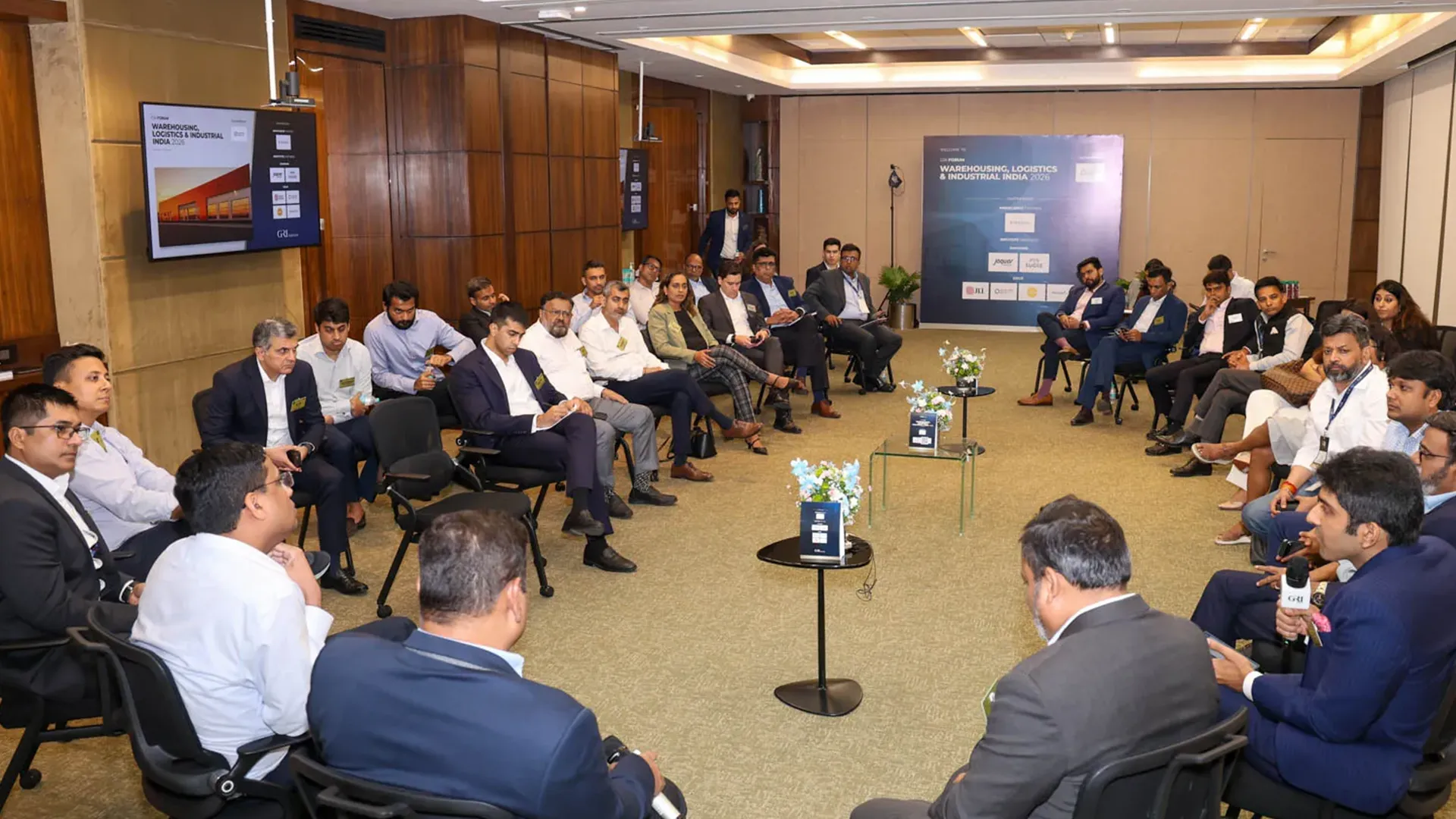
(GRI Institute)
► Data Centres, AI, and Infrastructure:
Hyperscale Expansions, Policy Enablers, and the AI Catalyst
India currently hosts 20% of the world's data but possesses less than 6% of global data centre capacity.However, a profound shift is underway, with the data centre segment capturing 17% of institutional real estate investment portfolios during the first half of 2026, after attracting 23.2% of total private equity inflows into Indian real estate in 2025.
The market value of the sector is projected to more than double from USD 10 billion in 2025 to approximately USD 22 billion by 2030.
Backed by nearly USD 30 billion in investment, operational capacity is scaling rapidly, ranking India second in the Asia-Pacific market with 1.6 GW of operational capacity, a 3.1 GW pipeline, and an additional 10.5 GW at the land stage.
This exponential trajectory is driven by rapid AI adoption, hyperscale cloud expansions, and GCCs focusing on specialised tech domains such as FinTech and rapid AI prototyping.
Global AI investment has reached USD 800 billion, with India emerging as a major hub for the AI application layer, where 75% of domestic AI startups are focused and funding has risen by 277%. Consequently, average contract values for digital infrastructure have increased from USD 39,000 to USD 530,000 within two years.
Institutional commitments are immense: major domestic conglomerate Adani Group plans to invest USD 100 billion by 2035 to establish renewable energy-powered, AI-ready facilities, RMZ Corporation has earmarked USD 35 billion for data centres, and Amazon Web Services is developing a USD 430 million facility in Navi Mumbai.
Regulatory Incentives and Geographic Decoupling
Growth is heavily incentivised by targeted government policy. The Draft National Data Centre Policy 2025 offers up to 20-year tax exemptions and GST input tax credits.Furthermore, a tax holiday until 2047 for foreign data centre owners, combined with local electricity costs that are roughly a fifth lower than in the US, has transformed India into an export hub for high-density compute power.
Safe harbour rules guarantee a flat 15% margin on operational costs, securing US tech capital, while mandates to retain client financial data locally enforce compliance.
Policymakers are also exploring "Data Embassies" to legally insulate foreign data, protecting GPU investments of USD 40 million per megawatt to achieve target yields of 14% to 18%.
Spatial patterns are also shifting. Development is expanding beyond primary hubs such as Mumbai-which is expected to exceed 1 GW of capacity by the end of 2026-into secondary markets including Chennai, Delhi-NCR, Pune, and Hyderabad.
Crucially, a clear decoupling is emerging between workloads: power-heavy AI training is migrating to resource-rich, grid-proximate regions like Rajasthan, while latency-sensitive inference remains anchored in metropolitan centres where edge networks are growing.
This decentralisation is supported by macro-level regional zoning and eight critical expressway corridors-including the Delhi-Mumbai, Dwarka, and Mumbai-Nagpur Samruddhi Mahamarg expressways-which are creating new investment micro-markets and enabling greenfield satellite cities built around high-speed connectivity.
Grid Constraints and Advanced Cooling Milestones
Despite high electricity production growth, severe grid bottlenecks, 14.2% transmission losses, and 24-month transformer lead times present primary execution roadblocks.True round-the-clock resilience requires massive utility upgrades, Battery Energy Storage Systems (BESS), and hybrid packages to bridge the solar gap, especially as peak summer power demand faces a record 13% jump to 283 GW.
To ensure long-term energy infrastructure security in response to the situation in the Strait of Hormuz, the government is planning strategic reserves of crude oil, cooking gas, and LNG to cover a full month of domestic demand in June-July.
To combat technical obsolescence driven by rapidly changing GPU densities, developers are shifting to flexible designs. Extreme AI workloads are pushing 75% of pipelines to direct-to-chip liquid cooling, 800VDC power delivery, and total immersion formats capable of managing high rack densities.
High-performance milestones are already being achieved, such as a global-domestic partnership deploying 640 advanced servers and 5,000 GPUs in Navi Mumbai, projected to generate over USD 500 million in revenue.
Another provider is investing over USD 2 billion for a 20,736-GPU cloud cluster at its 60MW Noida facility. Beyond computing, a domestic electronics group partnered with a global lithography provider for an USD 11 billion commercial semiconductor fabrication plant producing 300-millimetre chips.
Real Estate Integration and Technological Disruption
Within the broader property market, AI adoption skyrocketed from under 5% in 2023 to 91% by 2025. Advanced tools including Building Information Modelling (BIM), digital twins, IoT-enabled monitoring, drone tracking, and AI-driven valuations are now central to asset management and project planning.On a macro level, robust infrastructure planning allows private builders to achieve prestigious LEED and IGBC Platinum ratings for integrated communities.
However, full automated scalability faces barriers. Real estate sector adoption lags behind financial services (68%) and tech (50%) due to legacy systems, fragmented data, and manual land record verification, with rural digitisation lagging at 24%.
While AI serves as a practical enabler, human judgement remains vital for leadership experience.
At the same time, while technology enhances sectors such as tourism - where 83% of travellers state AI improves personalisation - AI-related job uncertainty has introduced a note of caution into the residential market, causing buyers to adopt a more guarded approach to property acquisitions.

(GRI Institute)
► The Strategic Horizon for Indian Real Estate
As the Indian real estate sector enters the second half of 2026, the narrative shifts from crisis containment to structural adaptation. The geopolitical energy shocks of H1 stress-tested the market, yet the overarching takeaway is profound domestic resilience.Moving forward, stakeholders must navigate a polarised landscape where quality and technological integration dictate survival.
Three macro-themes will define the sector's trajectory:
1) The Domestic Capital Pivot
With Western private equity retreating amid global volatility, domestic institutional funds, family offices, and alternative credit are forcefully stepping in to dominate deal flows.
2) Flight to Quality and Consolidation
A distinct premiumisation is occurring across all asset classes. From luxury residential ecosystems and Grade-A logistics to ESG-compliant offices and experiential retail, users demand superior infrastructure. This accelerates corporate consolidation, heavily favouring well-capitalised, listed developers over fragmented local players.
3) The Tech and Infrastructure Supercycle
The hyperscale expansion of data centres and the evolution of GCCs are actively reshaping urban planning. Simultaneously, extensive new expressway networks are decentralising growth into Tier-2 and Tier-3 micro-markets.
Ultimately, passive strategies are now obsolete. The years to come will reward active asset management, with success dependent on collaborative hybrid leasing, aggressive ESG retrofitting, and leveraging India's massive manufacturing and digital tailwinds against a backdrop of lingering global fragility.
► Don’t miss India GRI 2026 on 8th October in Mumbai - full details here