 GRI Institute
The Midlife Crisis of Indian Commercial Real Estate
Discover how developers are navigating operational complexity, financial viability, and tech integration to revitalise India's ageing office stock
June 2, 2026Real Estate
Written by:Isabella Toledo
Executive Summary
To meet evolving occupier demands, India's commercial real estate sector is navigating a major lifecycle transition by transforming ageing office stock into smart, service-driven environments through strategic retrofitting, technology upgrades, and adaptive reuse, as industry leaders addressed at the GRI Offices India 2026 conference in Bengaluru.
Ahead of the GRI Funding Opportunities India 2026 summit on 9th July in Mumbai, we take a high-level look at the strategic choices, financial frameworks, and operational complexities shaping the future of Indian office portfolios, offering a gateway to continue the conversation.
Ahead of the GRI Funding Opportunities India 2026 summit on 9th July in Mumbai, we take a high-level look at the strategic choices, financial frameworks, and operational complexities shaping the future of Indian office portfolios, offering a gateway to continue the conversation.
Key Takeaways
- Around half of India's graded office stock is over a decade old and faces obsolescence, forcing developers to modernise their portfolios.
- Strategic retrofitting, intelligent tech integration, and hospitality-led design allow upgraded assets to command up to 90% of new-build rents.
- Revitalising these occupied buildings presents severe operational challenges, especially when navigating fragmented strata-ownership structures.
A 450 Million Square Foot Challenge
India’s commercial real estate sector is approaching a pivotal moment defined by both asset lifecycle management and rapid technological evolution. The country currently holds an estimated 800 to 900 million square feet of graded office stock.However, market data indicates that around half of this inventory, approximately 450 million square feet, is now more than a decade old. Many of these assets were designed for a different business environment, shaped by outdated workplace models and earlier environmental, social, and governance (ESG) standards.
As a result, a substantial portion of India’s office stock is facing a growing risk of obsolescence, raising critical questions about its long-term relevance for modern occupiers and workforce expectations.
The large volume of office assets entering the 10 to 15-year lifecycle phase is forcing owners and investors to reassess portfolio strategies more carefully. The central challenge lies in determining whether these properties have reached the end of their competitive lifecycle or whether they can still be repositioned successfully to meet evolving market demands.
Although nearly 300 million square feet of this stock has been developed within the past decade, the rapid transformation of workplace ecosystems and occupier expectations has fundamentally altered the definition of office space.
Increasingly, the sector is shifting away from viewing offices purely as physical assets towards recognising them as integrated service-driven environments. Consequently, investors are now weighing the merits of strategic capital expenditure for repositioning against the potential advantages of timely portfolio exits from ageing assets.
The Strategic Case for Repositioning
Writing off ageing office assets is not considered a viable strategy for India’s commercial real estate market, largely because doing so would create a significant supply gap that new developments cannot immediately replace.With annual office absorption consistently averaging around 80 million square feet, the market requires a continuous pipeline of high-quality space to sustain current growth momentum.
Given that a typical Grade A office development involves a three-year delivery cycle from planning to completion, the immediate space requirements of Global Capability Centres (GCCs) and other major occupiers must, to a considerable extent, be met through existing inventory in order to avoid a critical shortage of stock.
Industry consensus increasingly points towards retrofitting and repositioning rather than demolition, effectively revitalising older assets to preserve their functional and commercial relevance. Many of these buildings retain substantial long-term value, provided they are upgraded through targeted capital investment and strategic asset management.
Importantly, repositioning extends far beyond structural refurbishment or cosmetic improvements. It requires the creation of an integrated workplace ecosystem specifically designed to meet the evolving expectations of modern occupiers and employees.
In today’s market, office space is no longer perceived merely as a static physical asset, but as a service-oriented environment that must align with broader workforce needs and operational strategies. As a result, the obsolescence of ageing buildings is often driven less by structural limitations and more by insufficient capital allocation and a lack of specialised repositioning expertise.
By securing bridge financing and applying contemporary asset management and workplace strategies, developers and investors can significantly enhance the value of existing properties and successfully reposition them within the Grade A office segment.

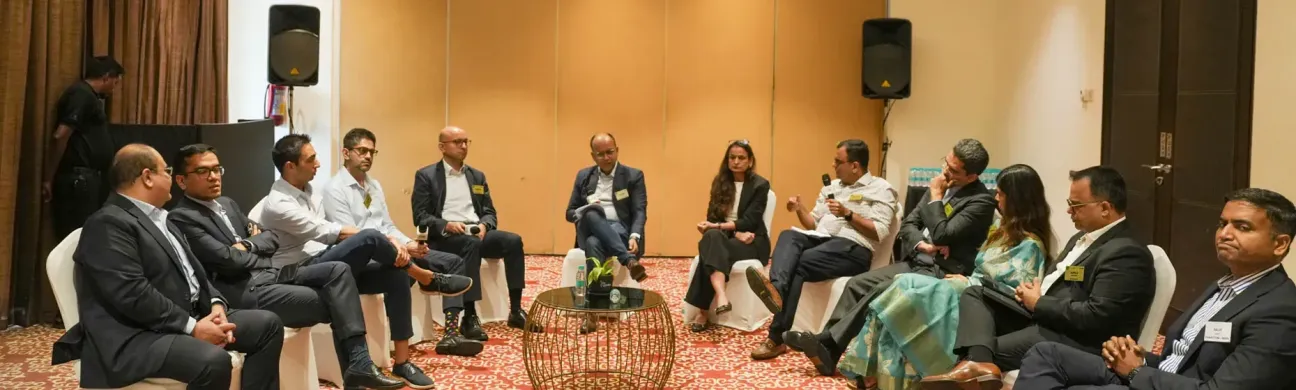
(GRI Institute)
The Three Pillars of Modernisation
The successful execution of an office asset upgrade typically depends on three core components: mechanical, electrical, and plumbing (MEP) systems, the building façade, and the integration of an advanced technology layer.Critical infrastructure such as cooling systems and electrical networks often becomes outdated within a five-to-ten-year period, requiring substantial upgrades to back-of-house operations in order to maintain efficiency, reliability, and compliance with modern occupier expectations.
Beyond operational functionality, the visual identity of a building, particularly its façade and lobby areas, plays a crucial role in repositioning market perception and elevating an asset from a dated “Grade A minus” classification to a contemporary Grade A standard.
Successful repositioning strategies are also increasingly adopting a hospitality-led approach to workplace design and occupier experience. Developers are creating office environments that reflect the aesthetics, service standards, and user experience associated with luxury hotels, using these elements as a competitive differentiator to attract and retain premium tenants.
This evolution extends beyond design to include broader social and operational considerations, such as diversity-focused site management and enhanced employee wellbeing initiatives, which are becoming increasingly important for global corporate occupiers.
However, these experiential improvements must be underpinned by a robust digital infrastructure to ensure long-term competitiveness and operational resilience.
One of the most significant opportunities for extending the lifecycle of ageing office assets lies in the retroactive integration of intelligent technology systems. In many legacy buildings, systems such as Building Management Systems (BMS), electricity meters, and operational sensors function independently, limiting operational visibility and efficiency.
By implementing an integrated technology layer that connects these previously isolated systems, asset owners can automate operations, optimise energy consumption, improve maintenance efficiency, and significantly enhance the occupier experience.
This form of technological retrofitting enables older properties to compete more effectively with newly developed assets by delivering the smart building capabilities that modern tenants increasingly consider standard expectations.
Financial Prudence
The decision to refurbish a legacy office asset is ultimately determined by financial viability and the ability to generate sustainable returns on investment. Investors and developers must carefully assess the potential rental uplift achievable through repositioning against the capital expenditure required to execute the upgrade.In many cases, the economic rationale for refurbishment is reinforced by the substantial rental gap between newly delivered Grade A+ developments and ageing Grade A- or B+ assets within the same micro-market.
Where a well-located building can be successfully upgraded to meet the standards expected by Grade A occupiers, landlords are often able to achieve rental levels equivalent to approximately 85 to 90 per cent of those commanded by newly developed stock.
In certain markets, including Mumbai and Hyderabad, the financial appeal of refurbishment projects is further strengthened by Floor Space Index (FSI) incentives, which enable partial redevelopment or expansion and can significantly enhance an asset’s overall value proposition.
Even in the absence of such regulatory advantages, many mature assets continue to present compelling opportunities because their relatively low acquisition costs or book values allow for substantial reinvestment while preserving competitive yield profiles.
This disciplined financial approach remains critical, as investors must ensure that cumulative capital deployment does not exceed the threshold at which complete redevelopment would represent the more rational investment strategy.
Market dynamics frequently provide early warning signs when an asset requires intervention. Declining tenant quality, a shift towards lower-profile occupiers, or difficulties in securing leases at target rental levels often indicate that the market no longer perceives the property as competitive or relevant.
In these situations, asset owners are effectively faced with a strategic choice: either accept diminishing returns from a declining asset or commit the capital, operational expertise, and long-term vision necessary to execute a comprehensive refurbishment strategy that restores the property’s market positioning.
Successful examples such as the Express Towers demonstrate that iconic office assets, when consistently maintained and strategically upgraded, can continue to command premium rents and attract world-class occupiers well beyond their original lifecycle.
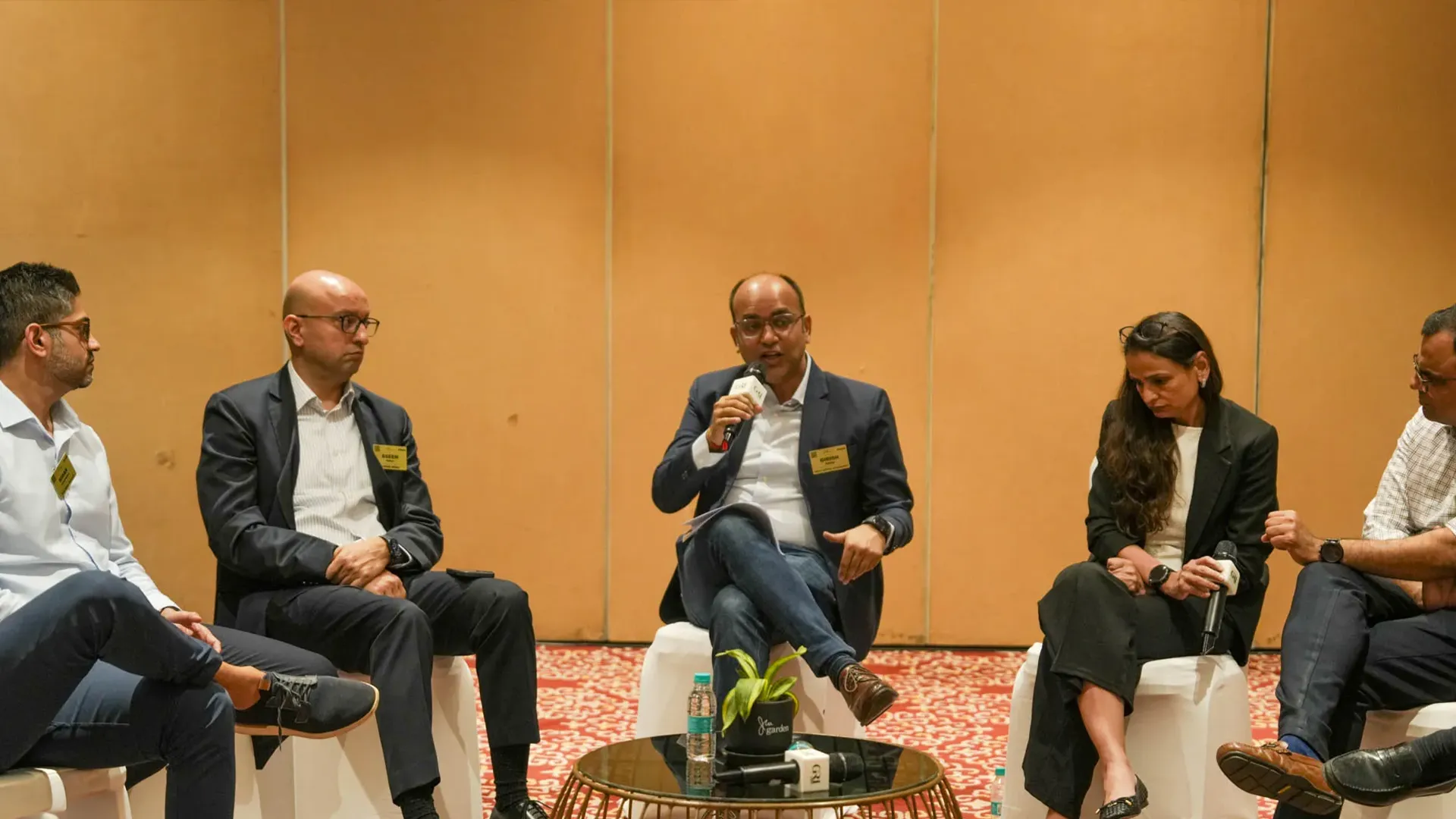
(GRI Institute)
Operational Complexity
The execution of an office asset upgrade is often compared to performing surgery on a living organism, as renovating an operational building is considerably more complex than delivering a conventional new development.Unlike a standard shell-and-core handover, where fit-out teams work within a vacant structure, repositioning an occupied asset requires a highly specialised operational capability that remains relatively scarce within the Indian market.
Developers are generally reluctant to ask tenants to vacate or relocate temporarily, as preserving occupier relationships and maintaining rental income streams are critical to both asset stability and future capital deployment.
Consequently, refurbishment works must be executed in carefully phased stages, often involving the temporary closure of individual wings or the progressive upgrading of lobbies and façades while the building remains operational.
This process inevitably creates a degree of disruption for occupiers, making careful planning and stakeholder management essential throughout the upgrade cycle.
Additional complexity stems from the prevalence of strata-sold assets, where fragmented ownership structures frequently result in development stagnation.
In many legacy commercial properties, individual office floors or units were sold to multiple investors without the implementation of comprehensive maintenance agreements, sinking funds, or enforceable frameworks for future capital expenditure. This absence of long-term governance mechanisms significantly complicates refurbishment efforts, as a single dissenting owner can obstruct or delay broader modernisation initiatives.
Successfully repositioning these assets often requires a lead investor or developer to dedicate substantial time and resources to consolidating ownership interests and aligning stakeholders behind a unified redevelopment strategy.
The resulting process can extend over several months and demands significant negotiation, coordination, and managerial expertise, resources that are often more limited than capital itself.
Although the financial rationale for upgrading well-located legacy assets remains compelling, the operational and administrative burden associated with managing diverse stakeholder groups continues to be one of the primary reasons many developers favour new construction over the revitalisation of existing commercial stock.
The Future of Adaptive Reuse
The future of India’s office market over the coming seven years is expected to be increasingly shaped by sophisticated repositioning strategies and a broader range of adaptive reuse projects.While new office development continues at scale, the substantial volume of ageing assets in prime urban locations is creating significant opportunities for joint ventures, specialised investment platforms, and repositioning-focused capital.
In particular, Bengaluru is likely to emerge as a leading market for this trend, given that it accounts for approximately 40 per cent of India’s Grade A office inventory, including some of the country’s oldest institutional-grade assets.
The city’s established central business districts continue to retain strategic relevance due to limited land availability and the fact that core infrastructure networks are typically more mature and accessible than those serving emerging peripheral corridors.
At the same time, the definition of a prime commercial location is undergoing a meaningful transformation.
Traditional business districts such as Connaught Place illustrate how changing workforce expectations and limited access to affordable nearby housing are challenging the long-term competitiveness of even the most established office hubs.
In contrast, markets such as Bandra Kurla Complex continue to demonstrate remarkable resilience, sustaining strong occupier demand despite significant new supply additions.
Beyond conventional office repositioning, the market is also witnessing a growing wave of adaptive reuse initiatives that extend well beyond commercial-to-commercial conversions. Examples include the transformation of obsolete shopping centres into premium healthcare facilities or modern urban logistics hubs.
These projects highlight an increasingly important market reality: when a building’s original use case becomes commercially unviable, the underlying real estate can still be repositioned successfully to address emerging urban needs and evolving patterns of demand within the surrounding ecosystem.
► Join us at the GRI Funding Opportunities India 2026 summit on 9th July in Mumbai
These insights were shared at the Reposition or Exit - Decisions for 10-15 Year Office Assets panel during GRI Institute’s GRI Offices India 2026 conference, moderated by Girish Singhi (Crest Capital Management), with panellists Aseem Kohli (Varde), Hetal Kotak (Mango Advisors), Nihar Thanawala (TCG Real Estate), Rahul Parikh (Embassy REIT), Rushabh Vora (SILA), and Shaifali Singh (DivyaSree).