 Freepik
RWA Operational Risks in Indian Branded Residences
Uncovering the hidden operational crisis where global hospitality standards collide with local handover mandates and buyer resistance
February 26, 2026Real Estate
Written by:Jorge Aguinaga
Key Takeaways
- Statutory handover mandates force developers to transfer building control to resident associations, directly threatening the perpetual operational control required by global hospitality brands.
- A fundamental cultural resistance to paying premium recurring maintenance fees often drives residents to aggressively cut essential luxury services post-possession to lower their monthly expenses.
- Forward-thinking developers are successfully mitigating these operational risks by enforcing mandatory multi-year upfront maintenance lock-ins and structuring entirely separate facility management contracts.
The RERA Statutory Handover Trap
The intersection of global hospitality standards and local real estate regulations has created a significant operational crisis for branded residences in India, primarily because the legal framework established by the Real Estate Regulatory Authority (RERA) mandates that completed residential buildings must eventually be handed over to a Resident Welfare Association (RWA).This statutory requirement fundamentally conflicts with the operational model of global hospitality brands, which demand strict, perpetual control over the property to uphold their prestigious, centuries-old service standards and protect their international reputation.
Because RERA was originally drafted without contemplating the complex nuances of maintaining luxury properties sold with hotel-grade facilities and perpetual services, the industry currently operates on precarious legal workarounds while waiting for definitive jurisprudence to bridge this substantial regulatory gap.
Until a more nuanced legalisation emerges, developers and hospitality partners are forced to navigate a delicate balance between fulfilling statutory handover requirements and maintaining the very service standardisation that justifies the real estate premium.
Post Handover Operational Fallout
The inherent misalignment between developers aiming for swift sales, hospitality brands protecting their intellectual property, and residents seeking control has already triggered severe operational failures within the market, exposing the risks of a nascent asset class.In several early pioneering projects, the wishful thinking that simply attaching a luxury brand name would guarantee operational success led to disastrous outcomes when the actual management and maintenance experiences failed to meet the lofty expectations of buyers.
Consequently, RWAs aggressively seized control of these properties, an abrupt transition of power that not only ousted the managing brands but also resulted in highly hostile environments characterised by prolonged and ugly court battles.
Much of this failure stems from an initial sales process where the primary objective was merely to liquidate the real estate asset, leaving the long-term operational integrity of the property entirely unprotected because the sales teams failed to educate buyers on the realities of branded maintenance.
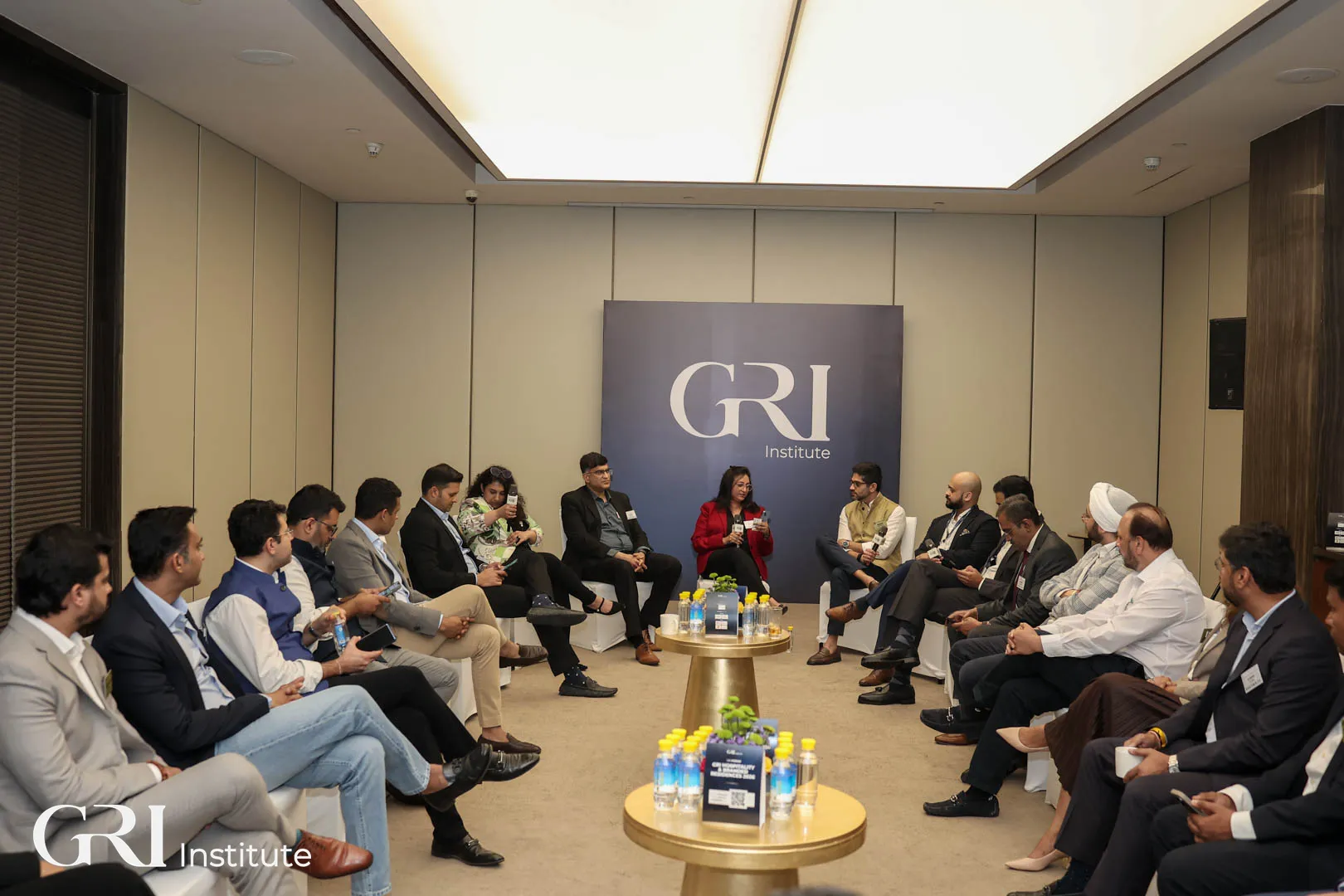
The GRI Hospitality & Branded Residences 2026 forum convened senior investors, developers, and hotel groups to strategise on scalable operating models and long-term liquidity.
The Premium Maintenance Culture Clash
A significant driver of this post-handover hostility is the deep-seated cultural resistance towards paying the high recurring operational dues required to fund sustained maintenance, rigorous operational systems, and premium lifestyle services.Although Indian buyers eagerly invest in the prestige of a branded residence, they often act hesitantly when confronted with funding these essential services month after month, particularly when urban hotel-branded developments explicitly require maintenance fees of up to INR 20 per square foot to sustain the brand's global reputation.
Despite these clear upfront costs, residents frequently attempt to scale back services post-possession, such as requesting a reduction in the number of concierge staff or questioning air conditioning usage in common lobbies, simply to lower their monthly financial outgoings.
This fundamental clash between the expectation of receiving a gold-standard luxury service while demonstrating a willingness to pay only for basic silver-tier maintenance creates a severe nuisance value that often spills over into hundreds of daily complaint messages on community digital forums.
Strategic Solutions
To safeguard the premium nature of these high-value assets and protect the hospitality brand from RWA hostility, developers are increasingly implementing robust defensive strategies that secure financial predictability and ensure the longevity of the project.A critical and highly effective measure is the strict enforcement of upfront maintenance lock-ins, typically spanning initial periods of five to ten years, which entirely prevents newly formed RWAs from immediately interfering with the property's financial management or degrading service quality.
Furthermore, transparent operating agreements combined with mandatory annual audits are being proactively introduced to ensure buyers remain confident that their funds are being utilised for the correct reasons, thereby significantly reducing misunderstandings regarding ongoing services and operational costs.
Strategic Buffers and Separate Contracts
Beyond simple financial lock-ins, structural contract separations are proving highly effective in mitigating potential future conflicts, particularly in leisure segment developments where creating separate facility management contracts allows the residential villas to function independently while still sitting adjacent to the main resort brand.Crucially, the foundational operating agreement must now be read, understood, and signed alongside the primary sales purchase agreement to ensure total transparency from the very beginning of the buyer journey, leaving no room for future disputes over service expectations.
Forward-thinking developers are even uploading specific legal addendums to governmental RERA portals, compelling customers to sign binding clauses that legally require them to vote for the brand's continued management even after the RWA is formally established.
Ultimately, building a comprehensive manual of operations upfront and ensuring it is fully integrated into the initial sale remains the only viable path to prevent catastrophic operational losses and maintain the property's elite status over the decades to come.
Thank you to everyone who participated in the GRI Hospitality & Branded Residences 2026 forum.