 Gemini
Is the Gulf property boom running out of runway? GCC Real Estate Outlook Q4 2026
How institutional capital is navigating regional friction, supply constraints, and yield dynamics across the UAE, Saudi Arabia, Qatar, Bahrain, Kuwait, and Oman
September 29, 2026Real Estate
Written by:Rory Hickman
Executive Summary
As monumental non-oil diversification mandates collide with regional supply-chain friction, GCC property markets are undergoing a high-stakes transition from rapid expansion to structural maturity.
Adapted from our full Global Real Estate Outlook Q4 2026 report, which explores the trends, opportunities, and challenges shaping real estate across APAC, Europe, GCC, Latin America, and the US, this analysis examines the Gulf region in more detail.
Ahead of the GRI Global Summit 2026, this strategic report delivers essential market intelligence to help industry executives navigate structural shifts, optimise capital allocation, and mitigate emerging operational risks.
By providing a clear global perspective on regional market realities and growth vectors, these insights offer allocators and investors the foresight needed to execute high-conviction strategies, drive long-term value, and build the future of real estate.
► Join the industry’s top leaders at the GRI Global Summit in Abu Dhabi on 9th December
Adapted from our full Global Real Estate Outlook Q4 2026 report, which explores the trends, opportunities, and challenges shaping real estate across APAC, Europe, GCC, Latin America, and the US, this analysis examines the Gulf region in more detail.
Ahead of the GRI Global Summit 2026, this strategic report delivers essential market intelligence to help industry executives navigate structural shifts, optimise capital allocation, and mitigate emerging operational risks.
By providing a clear global perspective on regional market realities and growth vectors, these insights offer allocators and investors the foresight needed to execute high-conviction strategies, drive long-term value, and build the future of real estate.
► Join the industry’s top leaders at the GRI Global Summit in Abu Dhabi on 9th December
Key Takeaways
- State-led economic diversification programmes and population inflows continue to drive robust non-oil growth and resilient property demand.
- Acute supply deficits in prime commercial accommodation are reinforcing a flight to quality and widening overall market bifurcation.
- Persistent maritime shipping disruptions are redirecting institutional capital deployment towards alternative trade corridors and essential digital infrastructure.
GCC Trends, Opportunities, and Challenges
The Gulf Cooperation Council (GCC) region represents a dynamic real estate hub, driven by state-led national transformation strategies, demographic expansion, and significant public sector investment.While regional economies remain tied to global energy dynamics, broad macro-economic policy is successfully fostering non-oil growth and attracting international capital.
Real estate fundamentals across the bloc reflect a structural transition toward modern infrastructure and high-quality commercial assets, balancing broader economic resilience against external trade and monetary head-winds.
Current Trends
The GCC real estate market remains a high-growth hub driven by state-led economic diversification mandates, massive infrastructure deployment, and sustained structural population inflows.
Despite mid-2026 regional geopolitical friction, market activity recovered rapidly, maintaining strong transaction momentum. Headline CPI inflation across the Gulf is expected to remain contained at a manageable 2.5% in 2026 before easing to 1.8% in 2027.
Opportunities
Primary opportunities are mostly being seen in public-private joint ventures across the tourism, healthcare, and education sectors, alongside hyperscale data centres and essential infrastructure.
Capital is also actively targeting strategic logistics corridors designed to bypass maritime transit bottlenecks.
Challenges
The region faces monetary drag from dollar-pegged interest rates that delay widespread monetary easing until 2027. Furthermore, supply-chain disruptions through the Strait of Hormuz continue to elevate import transport costs and freight risk profiles.
United Arab Emirates (UAE)
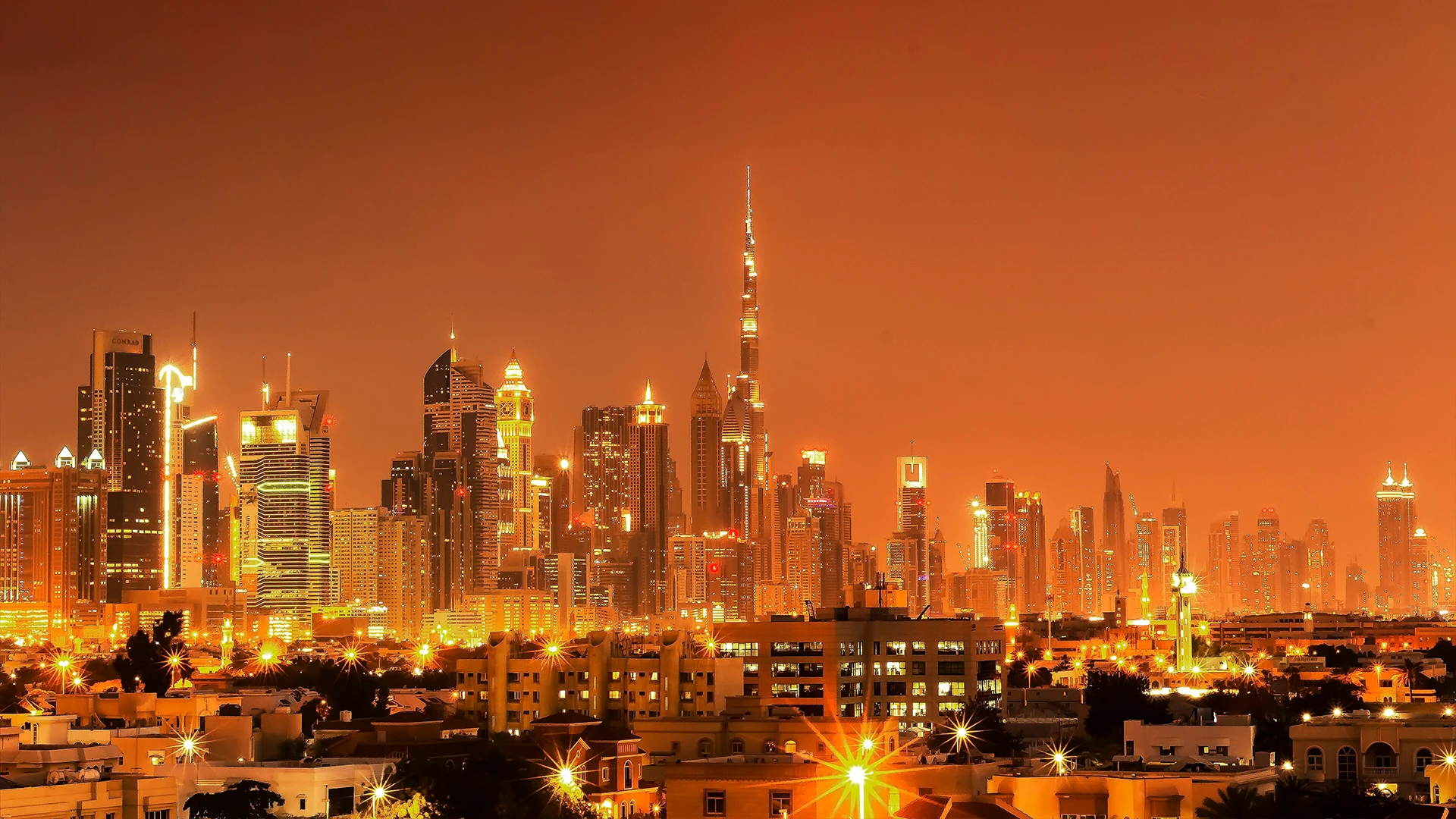
(Wikimedia Commons)
The UAE continues to serve as a primary commercial, financial, and lifestyle nexus for the region, benefiting from long-term economic stability and progressive regulatory frameworks.
Its real estate market is characterised by sustained capital inflows, expanding resident demographics, and robust occupier demand across primary property sectors.
As the market matures, broad economic policy remains focussed on strengthening industrial capabilities, fostering technological innovation, and enhancing market transparency to maintain global competitiveness.
Current Trends
Total Dubai real estate transactions reached AED 419.9 billion in H1 2026, supported by AED 102 billion in active mortgage volume.
Prime office vacancy has dropped to near-zero levels, standing at 0.7% in Dubai and 0.1% in Abu Dhabi.
Residential prices and rents are experiencing moderation from peak growth, prompting proactive tenant-focused policy interventions including Abu Dhabi's rent freeze and Dubai's Flexi Rent initiative.
Opportunities
Growth avenues centre on Grade A office redevelopments, off-plan residential brand partnerships, and industrial localisation initiatives backed by the AED 1 billion National Industrial Resilience Fund.
Investors are also targeting port-adjacent logistics assets, such as DP World's East Coast terminal, alongside flexible workspace formats.
Challenges
The market faces subdued near-term international hotel RevPAR performance due to summer seasonality and regional friction.
Additionally, developers are navigating construction material import delays alongside rising domestic fuel and diesel expenses.
► Join us in Abu Dhabi on 9th December for the GRI Global Summit 2026
Saudi Arabia
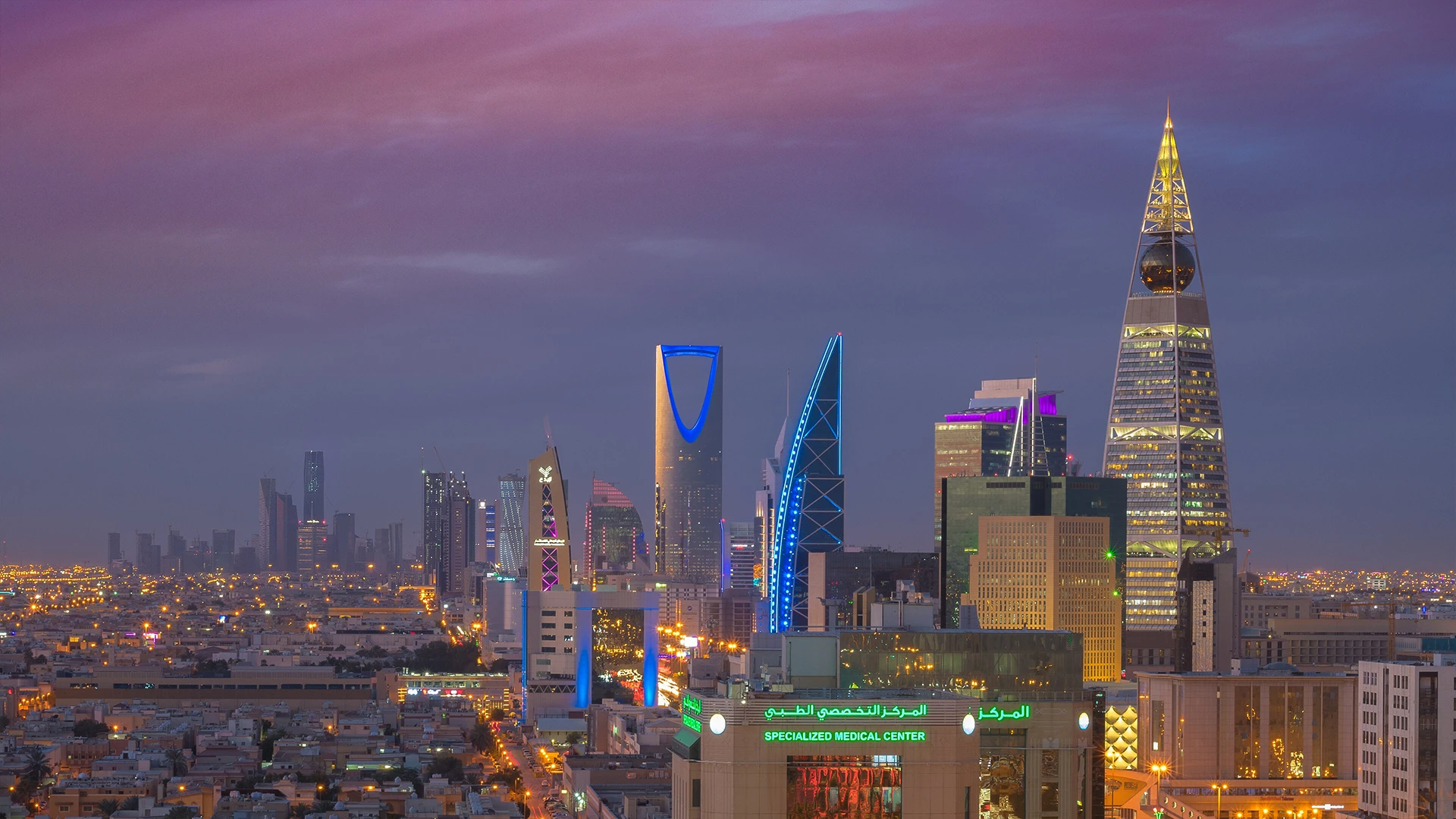
(Wikimedia Commons)
Saudi Arabia is undergoing a major economic structural shift, transforming into a regional industrial, financial, and commercial powerhouse.
Broad economic reforms and large-scale public investment are creating substantial market opportunities, stimulating domestic consumption, and expanding the urban footprint of major metropolitan areas.
Driven by rapid corporate expansion and unprecedented urban growth, the Kingdom's real estate market is adjusting to a long-term shift in tenant requirements, institutional capital deployment, and overall market maturity.
Current Trends
Vision 2030 initiatives and the RHQ mandate continue to drive immense commercial space demand, with over 780 multinational corporate headquarters established in Riyadh pushing Grade A office occupancy to 98%.
In the residential segment, average villa prices in Riyadh rose over 5% year-on-year to approach SAR 6,000 per square metre.
Opportunities
Institutional capital is pursuing private-sector JVs through the Tourism Development Fund and acquiring trophy office assets within the King Abdullah Financial District (KAFD).
Strategic opportunities also exist in MODON industrial city developments across Makkah and Al Kharj, alongside prime luxury residential projects.
Challenges
The Kingdom faces an acute structural deficit of Grade A office accommodation, with a near-term delivery pipeline of only 570,000 square metres.
Operational execution is further hampered by hospitality knowledge-transfer gaps and extended regional supply-chain disruption risks.
Qatar
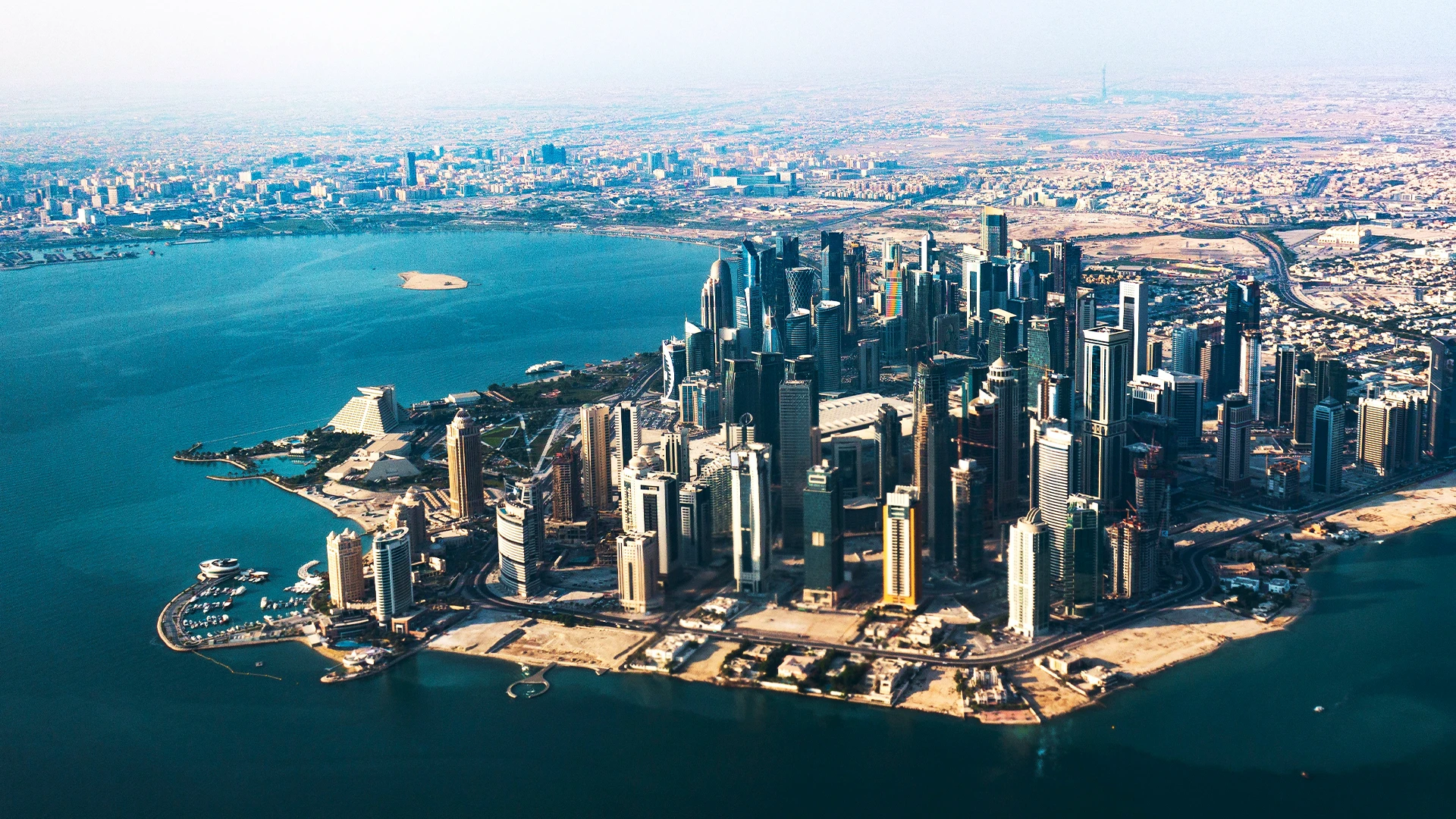
(Unsplash)
Qatar's economic baseline remains underpinned by its major energy sector, which continues to fund structural infrastructure development, economic diversification, and institutional maturity.
The nation's real estate sector has entered a post-development stabilisation phase following extensive public expenditure on nationwide transportation, commercial space, and civic projects.
With an increasing focus on regulatory enhancements and asset management, market dynamics are progressively driven by sustainable occupier demand and domestic industrial initiatives.
Current Trends
Market institutionalisation and regulatory transparency have improved significantly across Qatar, positioning the country among the top global improvers in real estate transparency index rankings.
Downstream economic demand generated by the massive North Field LNG expansion project is progressively absorbing post-World Cup residential and hospitality inventory.
Opportunities
Key targets for institutional deployment include prime Grade A office accommodation in Lusail and West Bay.
Strong opportunities are also emerging in modern distribution parks supporting light manufacturing and logistics assets directly linked to Hamad Port.
Challenges
The domestic economy is dealing with accelerated food import inflation caused by maritime shipping disruptions through the Strait of Hormuz. In addition, secondary residential submarkets continue to contend with lingering structural oversupply.
Bahrain
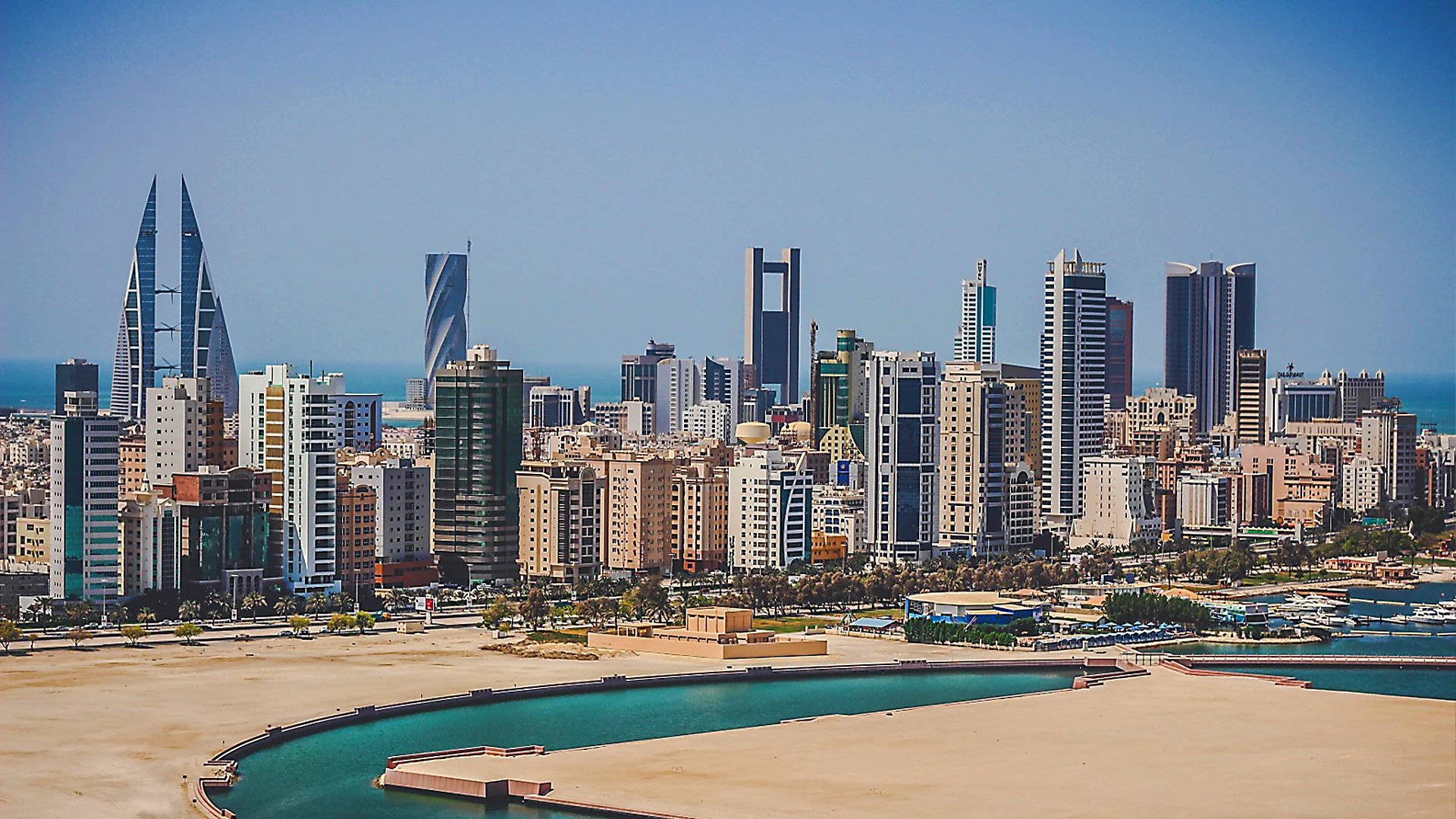
(Wikimedia Commons)
Bahrain provides a mature and cost-competitive business environment within the Gulf, leveraging its strategic position as a regional financial hub and trade gateway.
The Kingdom's economy is supported by well-established financial services, light manufacturing, and seamless cross-border trade links with neighbouring markets.
Its real estate sector prioritises steady commercial leasing, specialised industrial facilities, and pragmatic urban developments that capitalise on competitive operational costs and established logistics connectivity.
Current Trends
Commercial property leasing fundamentals in Bahrain remain steady, underpinned by a highly cost-competitive operational environment.
Market activity is heavily reinforced by direct causeway logistics integration with Saudi Arabia's Eastern Province.
Opportunities
High-priority growth areas include modern warehousing facilities surrounding Bahrain International Airport and Khalifa bin Salman Port.
Additional capital is deploying into corporate office space for regional wealth management and fintech firms, alongside specialised industrial parks.
Challenges
The market is impacted by subdued residential capital growth and transport-driven inflation following retail fuel price liberalisation.
Logistics operators must also navigate an increased reliance on costlier land and air freight during maritime shipping disruptions.
Kuwait
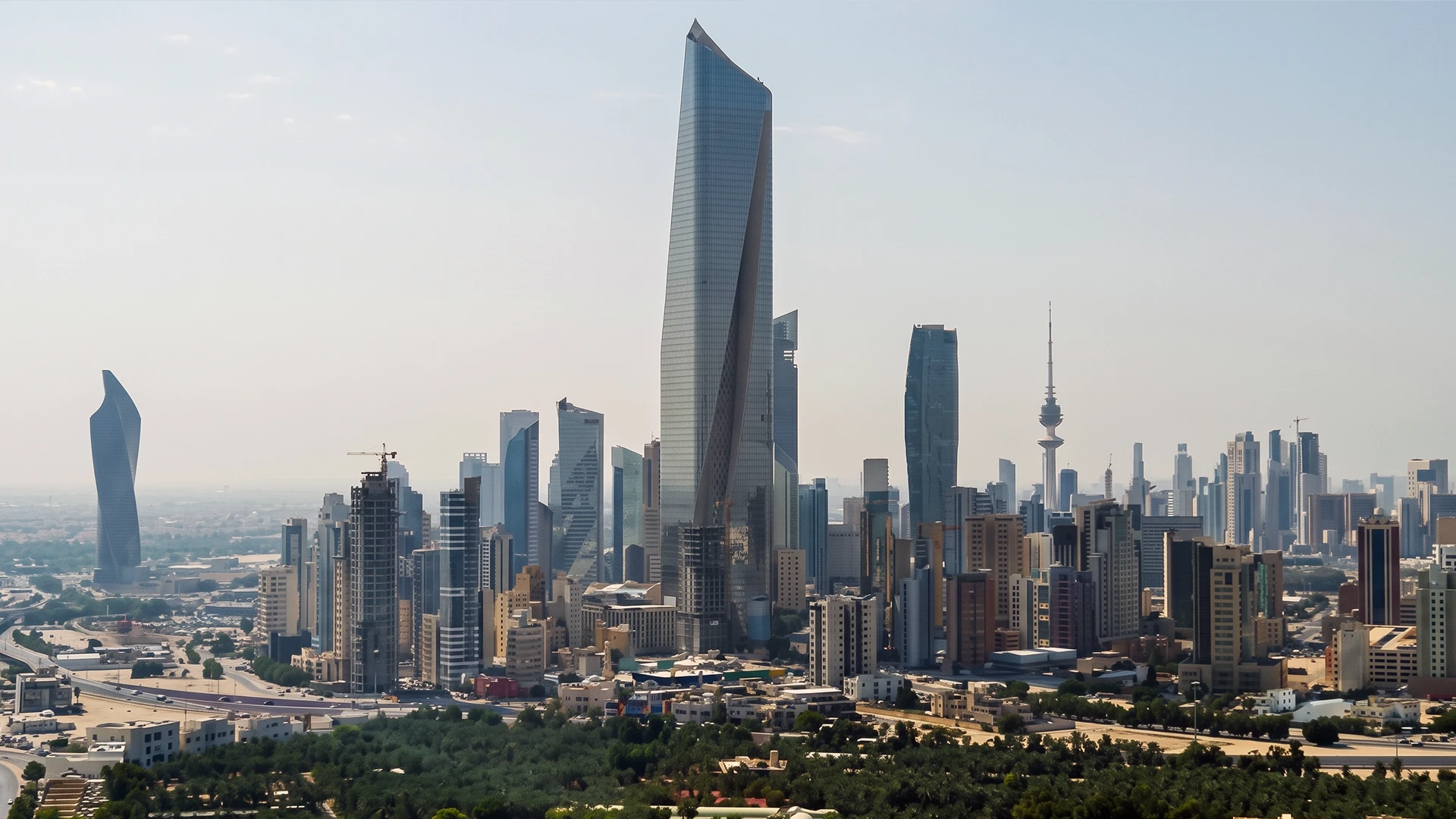
(Wikimedia Commons)
Kuwait maintains a stable macroeconomic environment, supported by robust fiscal reserves, strong sovereign balance sheets, and a well-capitalised domestic financial sector.
The national economy is underpinned by stable consumer fundamentals, active regulatory price oversight, and targeted public development programmes.
Within the real estate market, capital allocation remains focussed on income-producing commercial assets and modernising logistics infrastructure to support domestic retail consumption and trade.
Current Trends
Kuwait's macroeconomic conditions are rebounding effectively, with headline CPI inflation remaining well contained at 2.4% in 2026.
Price stability is being actively maintained through government food-import insurance programmes and strict regulatory price controls.
Opportunities
Investors are targeting high-quality, income-producing commercial real estate assets, alongside modern logistics facilities structured to support domestic retail consumption.
Selective opportunities also exist in targeted, high-end residential developments in prime locations.
Challenges
Private sector operators face input-cost inflation reaching multi-month highs, combined with restrictive commercial debt underwriting conditions. Ongoing regional supply-chain uncertainty continues to weigh on broader corporate sentiment.
Oman
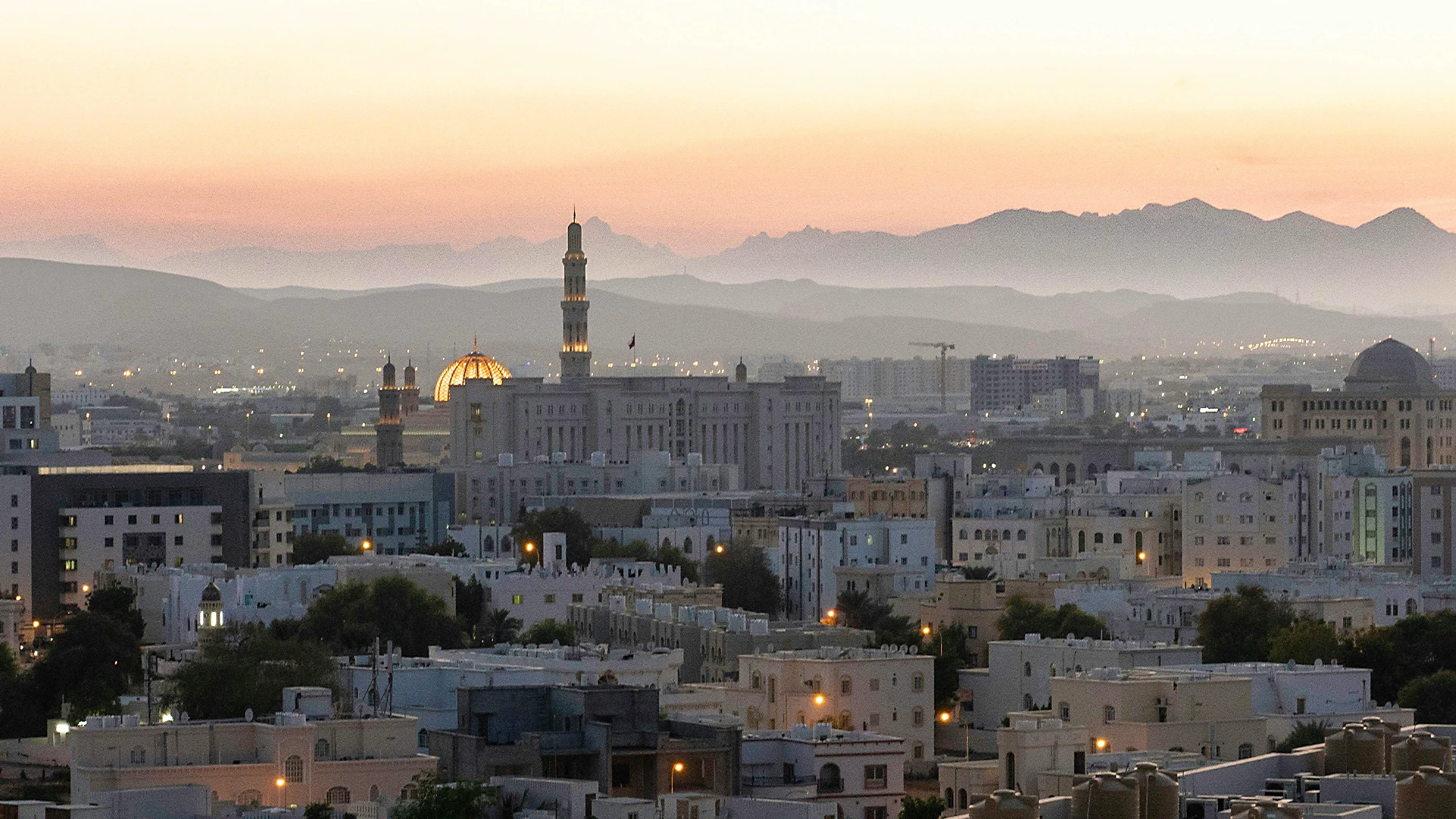
(Unsplash)
Oman is capitalising on its strategic geographical location along major Indian Ocean trade routes to establish itself as a key international logistics and industrial centre.
Supported by ongoing fiscal consolidation and targeted strategic investments, the Sultanate is expanding its non-hydrocarbon economy while enhancing global trade access.
The real estate market is driven by expanding industrial zones, port-centric developments, and infrastructure investments designed to build long-term economic resilience.
Current Trends
Hydrocarbon revenue gains and strategic Vision 2040 investments continue to support broader economic expansion across Oman.
Logistics networks are benefiting as international traders increasingly re-route cargo overland through Omani territory to bypass regional maritime chokepoints.
Opportunities
Investment is expanding rapidly in port-led industrialisation and strategic logistics nodes that leverage direct maritime access outside the Strait of Hormuz.
Infrastructure development projects backed by international funding initiatives offer further long-term capital deployment avenues.
Challenges
The Sultanate faces a sharp spike in annual food inflation - reaching 7.3% in mid-2026 - driven by elevated regional maritime risk surcharges and global shipping route realignments.
While overland transit corridors and Indian Ocean ports effectively absorb freight bypass traffic around the Strait of Hormuz, domestic food supply chains remain vulnerable to carrier schedule disruptions and shallow fiscal reserve buffers.
Q4 GCC Real Estate Outlook
Looking ahead, the GCC real estate sector is transitioning from an era of initial development toward structural maturity, institutionalisation, and sustainable asset management against a backdrop of severe geopolitical uncertainty in the Middle East.However, although regional markets will continue navigating near-term headwinds - including monetary drag from US dollar-pegged interest rates and regional supply-chain realignments - the broader economic transformation across the Gulf remains firmly intact.
As governments continue to execute long-term diversification strategies, public sector capital deployment and ongoing regulatory enhancements will provide a durable floor for overall property demand.
In the coming quarters, institutional capital allocation across the region will increasingly prioritise flight-to-quality dynamics, favouring prime commercial accommodation, strategic logistics nodes, digital infrastructure, and essential public-private development initiatives.
Market bifurcation will likely widen between top-tier assets and secondary stock, driving landlords toward proactive repositioning and ESG-compliant standards.
With inflation remaining contained relative to global benchmarks and monetary easing anticipated in the medium term, the GCC is well-positioned to strengthen its role as a resilient, globally competitive hub for international capital.
► Join us for the GRI Global Summit in Abu Dhabi on 9th December to shape the future of real estate
► View all of our upcoming GRI Institute events in the GCC region here
This material was adapted from our full Global Real Estate Outlook Q4 2026 report.