 Unsplash
Report: GCC Real Estate Outlook
Market intelligence on the ins and outs of Gulf real estate markets, covering the UAE, Saudi Arabia, Qatar, and the wider Gulf Cooperation Council region
June 11, 2026Real Estate
Written by:Leo Machado
Executive Summary
This report distills key insights and expectations for the GCC's real estate markets in the second half of 2026, drawn from GRI Institute market intelligence and conversations with senior executives, investors, and lenders active across the region.
Covering Saudi Arabia, United Arab Emirates (Abu Dhabi and Dubai), Qatar, and the wider Gulf, the report addresses the trends, opportunities, and challenges specific to each market, and the regional currents that connect them.
The overall sentiment is one of structural confidence with sharper questions underneath. The Gulf has entered 2026 as a two-way capital market: sovereign and private capital continues to deploy abroad at scale, while record foreign investment arrives into the region's own assets for the first time at institutional volume.
Saudi Arabia's new foreign ownership framework, Abu Dhabi's record inbound quarter, and the consolidation of Dubai's developer champions all point in the same direction. The questions that remain are about pace and absorption.
Covering Saudi Arabia, United Arab Emirates (Abu Dhabi and Dubai), Qatar, and the wider Gulf, the report addresses the trends, opportunities, and challenges specific to each market, and the regional currents that connect them.
The overall sentiment is one of structural confidence with sharper questions underneath. The Gulf has entered 2026 as a two-way capital market: sovereign and private capital continues to deploy abroad at scale, while record foreign investment arrives into the region's own assets for the first time at institutional volume.
Saudi Arabia's new foreign ownership framework, Abu Dhabi's record inbound quarter, and the consolidation of Dubai's developer champions all point in the same direction. The questions that remain are about pace and absorption.
Key Takeaways
- Driven by foreign inflows in Saudi Arabia and record transaction values in the UAE, the Gulf has firmly established itself as a global real estate destination in 2026.
- The significant rollout of massive data centres in Abu Dhabi and Riyadh is facing strict limits due to grid capacity and power availability.
- Progressive policy moves, such as Saudi Arabia's landmark non-Saudi property ownership law and Kuwait's evolving mortgage drafts, are unlocking vast new end-user buyer classes and driving long-term market institutionalisation.
Pan-GCC Overview
Heading into the second half of 2026, the GCC's real estate markets are running at a pace few global regions can match, supported by population growth, state-led development programmes, and a deepening pool of both regional and international capital.For thirty years the Gulf was read as a source of capital. In the last six months, Saudi Arabia opened property ownership to foreigners, Abu Dhabi recorded a 423% jump in individual foreign direct investment in a single quarter, and the UAE posted AED 252 billion of first-quarter transaction value.
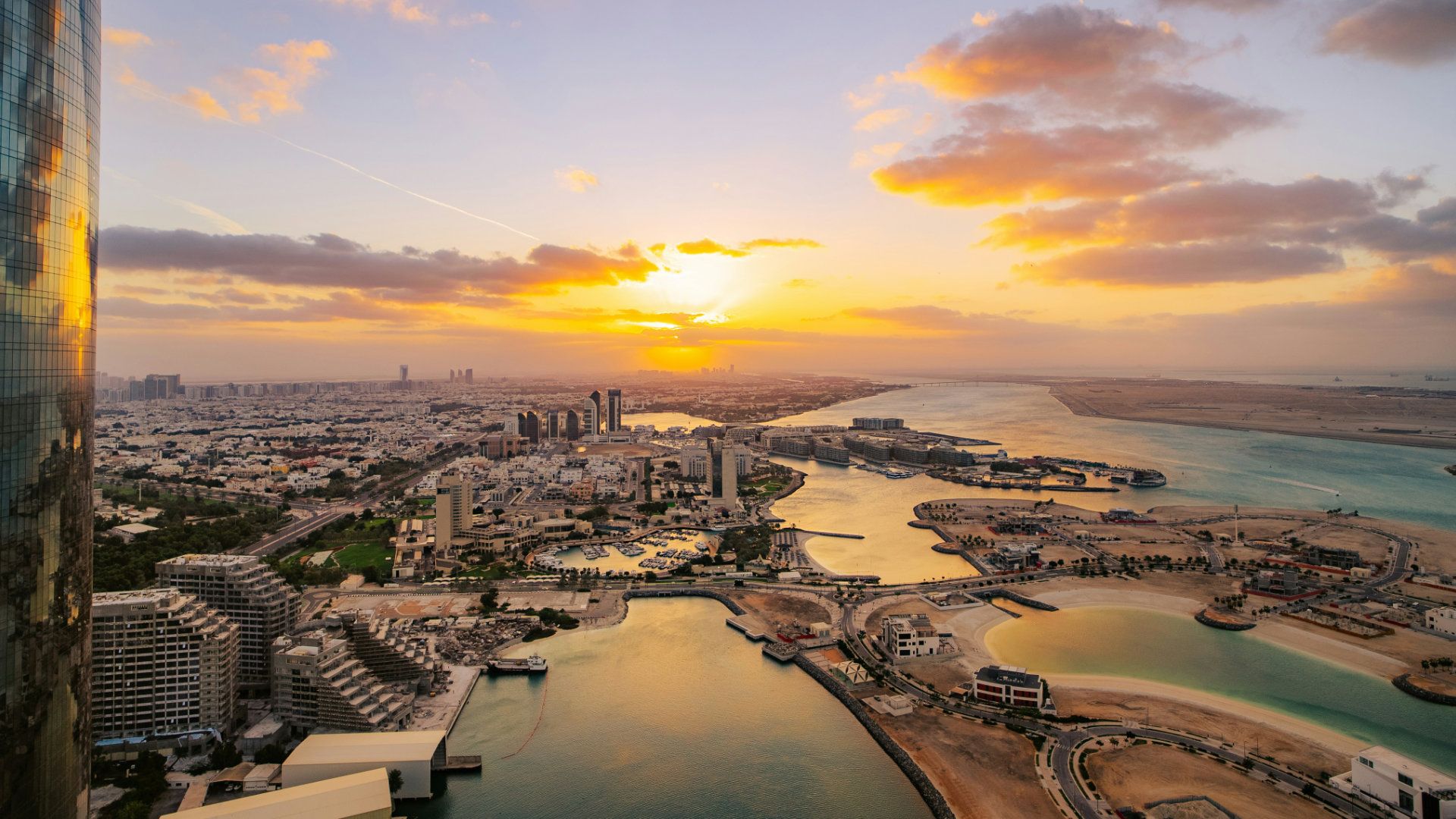
The region is becoming a destination allocation while remaining one of the world's largest outbound investors.
Sectors
The top-performing sectors are residential, data centres, and hospitality, driven by population inflows, the AI infrastructure programmes anchored in Abu Dhabi and Riyadh, and the giga-project pipeline.Residential leads everywhere: Dubai and Abu Dhabi on migration-driven demand, Saudi Arabia on the Vision 2030 homeownership push through ROSHN and the giga-projects, Qatar on residency-linked freehold demand.
Data centres are the structural story. Stargate UAE brings its first 200 megawatts live in Abu Dhabi this year inside a one gigawatt programme, Humain is developing Riyadh and Dammam sites at 100 megawatts each, and Gulf developers are now exporting the capability, with EDGNEX building in both the United States and Jakarta.
Capital
The sovereign funds are favouring platform formations over trophy assets: ADIA's secondaries venture with Ardian, QIA's founding position in Hongkong Land's Singapore fund, and the credit commitments into European lending strategies all replace the single-asset purchases of the last cycle.Inbound capital is institutionalising. BlackRock, Brookfield, and Goldman Sachs are building Riyadh-anchored vehicles, and Abu Dhabi's first quarter drew buyers from 99 nationalities. The plumbing for foreign institutional ownership of Gulf assets is being built now, and entry pricing still reflects the old one-way model.
Challenges
The region's common challenges are absorption and capacity. Dubai faces its largest delivery wave in years through 2026 and 2027, testing whether record demand can match record handovers.Saudi Arabia's programme is constrained by construction capacity, labour, and cost inflation more than by capital. Power availability gates the data centre pipeline in every Gulf market.
Regulatory clarity is the other shared theme. Saudi Arabia's executive regulations will decide how quickly the new ownership law converts intent into transactions, Kuwait's draft mortgage law is still taking shape, and the pace of institutional reform in the smaller markets determines whether capital spreads beyond the big three.
Saudi Arabia
Current trends
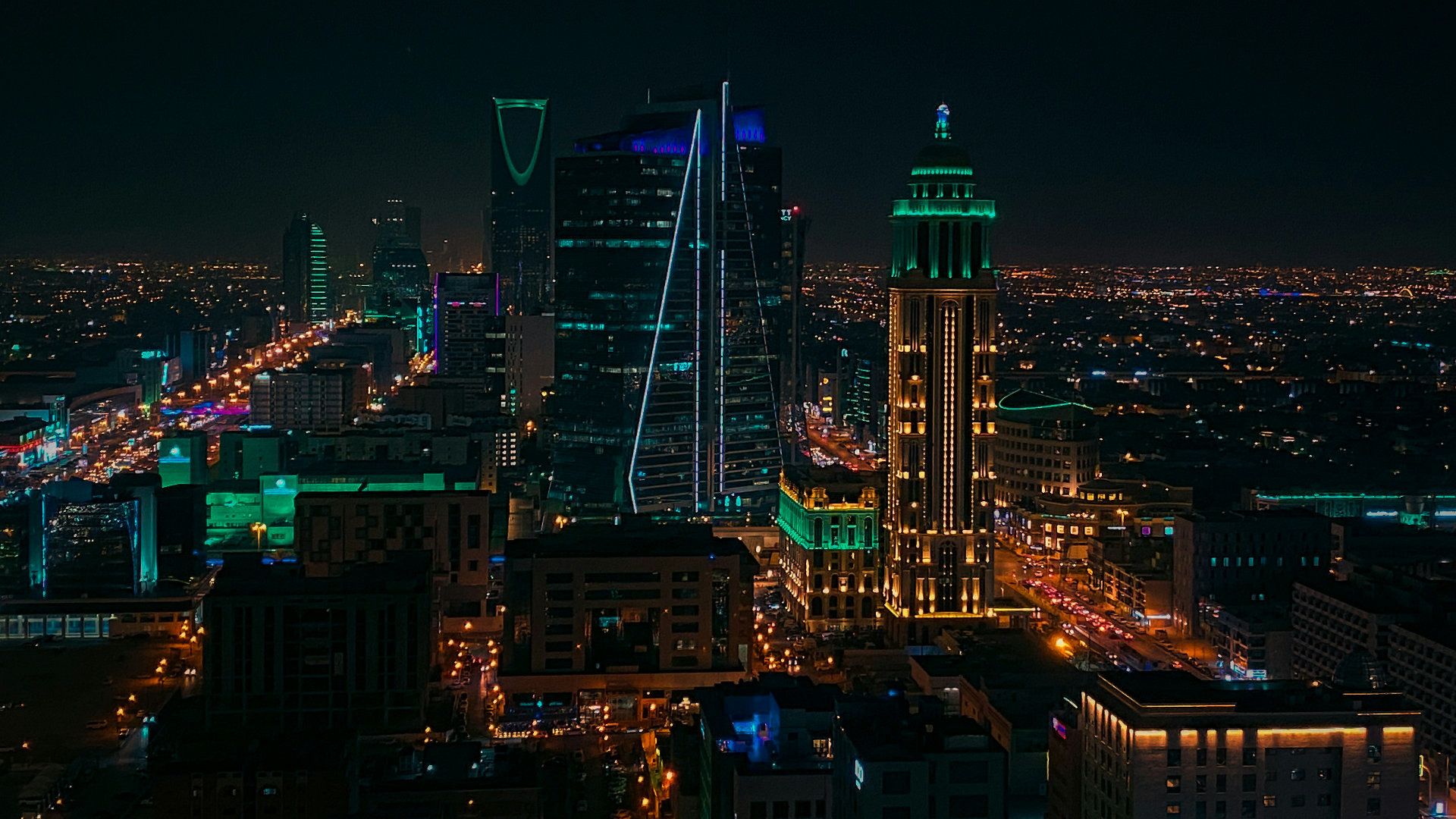
Saudi Arabia enters H2 2026 with the two most consequential policy moves in the region behind it.First, in January, the new law on real estate ownership by non-Saudis took effect, replacing the framework of 2000: foreign residents can own a residential unit in most cities, non-residents can buy in designated zones, and licensed foreign companies, funds, and special purpose vehicles can acquire property for their operations. Makkah and Madinah remain restricted, and a transaction fee of up to 5% applies.
Then, in April, the PIF board approved the fund's 2026 to 2030 strategy, organising the domestic programme into six ecosystems with urban development and livability named explicitly among them.
This giga-project portfolio, anchored by the USD 63 billion Diriyah development and ROSHN's national housing pipeline, remains the centre of gravity, and the June memorandum with Talaat Moustafa Group Saudi formalises the import of Egyptian development capability at scale.
Opportunities
The inbound platform play is the clearest opening. BlackRock's USD 5 billion PIF-anchored Riyadh platform and Brookfield's USD 2 billion Middle East fund are building the institutional rails, and managers who establish Saudi vehicles before the executive regulations land will be positioned for the first wave of licensed foreign acquisitions.Residential remains structurally short. The Vision 2030 target of 70% homeownership keeps ROSHN and the private developer cohort supplied with demand, and the ownership law adds a new buyer class in the designated zones.
Meanwhile, Riyadh’s commercial real estate market benefits from the regional headquarters programme and the relocation economics that follow it.
Challenges
Execution capacity is the binding constraint. Construction cost inflation, labour availability, and contractor depth limit the pace of the programme more than capital does, which is precisely why the Talaat Moustafa partnership matters.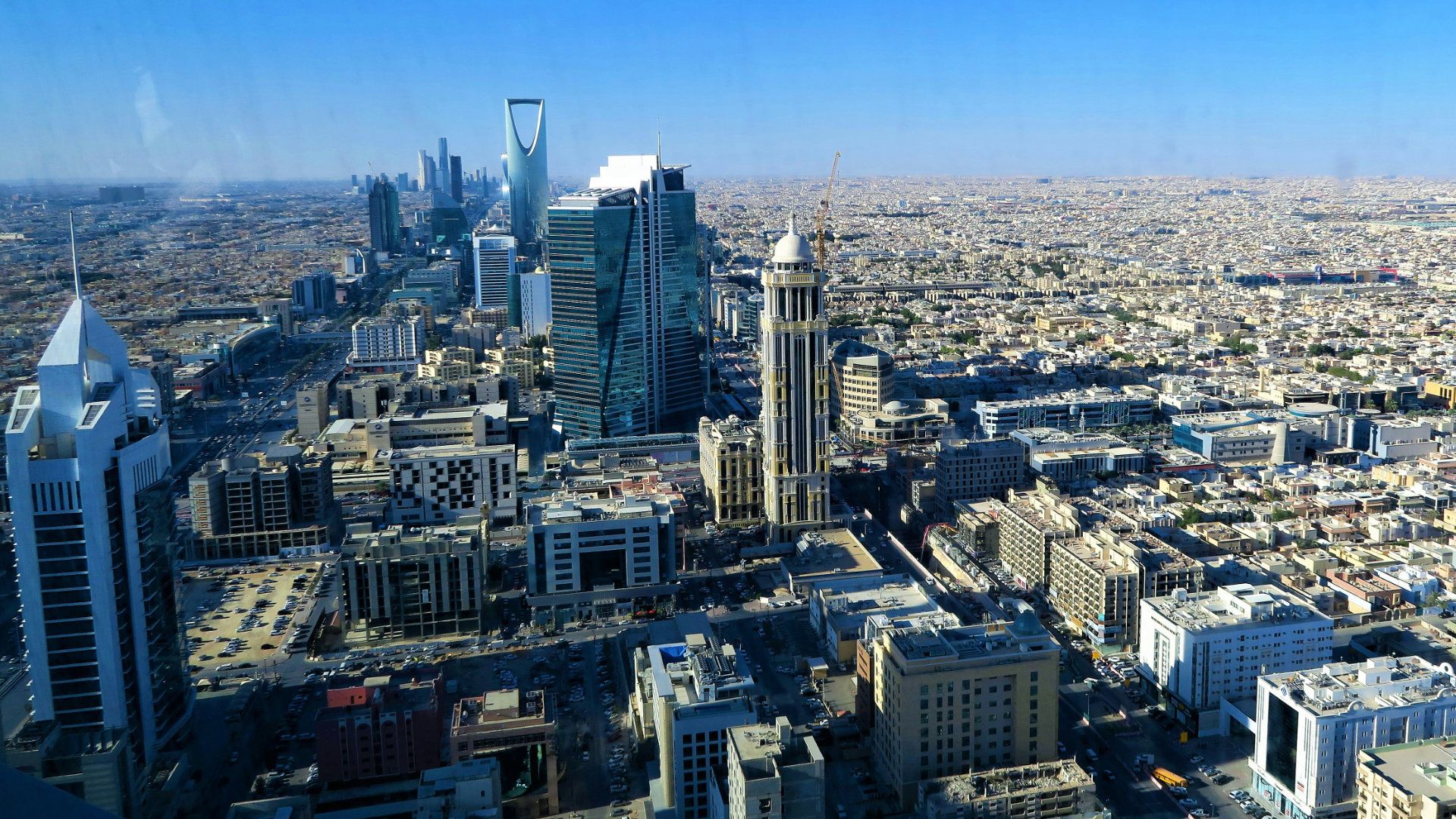
The executive regulations are the open question hanging over every institutional entry strategy: which zones open, how approvals run, and how the 5% fee applies will decide whether year-one of the ownership law is a trickle or a wave.
Affordability mathematics also remain difficult, with land and construction costs pressing against local salary levels in the major cities.
United Arab Emirates
Abu Dhabi
Current trends
Abu Dhabi is the structural story of the period. In January, the emirate created L'IMAD Holding, its fourth sovereign investment pillar, chaired by Crown Prince Sheikh Khaled bin Mohamed with Jassem Al Zaabi as managing director and chief executive, and confirmed the consolidation of ADQ's assets under it, an estimated USD 300 billion starting position with infrastructure and real estate named first in the mandate.The market itself is breaking records: 2025 closed at AED 142 billion in transactions across 42,814 deals, and the first quarter of 2026 delivered AED 66 billion, a 160.7% jump year-on-year. Individual foreign direct investment reached AED 8.27 billion in ninety days, up 423% and equal to the entire 2025 figure, from buyers of 99 nationalities.
AED 66 billion
Q1 2026 TRANSACTIONS · UP 160.7% YEAR-ON-YEAR
Opportunities
The investment zones are re-rating as the buyer base broadens, and the emirate is increasingly a wealth-migration destination in its own right rather than Dubai's quieter sibling. Aldar's pipeline, including the AED 38 billion joint venture with Dubai Holding, gives institutional buyers scaled exposure to the delivery side.Digital infrastructure is the emerging allocation: Stargate UAE's one gigawatt programme brings its first 200 megawatts live this year, and the supply chain around it, from power to land assembly, is investable now.
Challenges
Pricing is moving faster than underwriting models built on 2024 assumptions, and the gap between investment-zone momentum and the broader market requires segment discipline.L'IMAD itself is a watch item rather than a risk: a USD 300 billion institution defining its mandate will reshape the counterparty map, and partners who wait for the first deal to define the pattern will be late. Power and grid capacity, not capital, gate the data centre pipeline.
Dubai
Current trends
Dubai's defining move of the period was consolidation. In May, Dubai Holding acquired a 22.27% stake in Emaar Properties from the Investment Corporation of Dubai, lifting its holding to 29.73% and becoming the largest shareholder in the emirate's flagship developer.The emirate's two largest development engines now sit under aligned state ownership, pointing toward coordinated land strategy and a cohort managed for durability through the delivery wave.
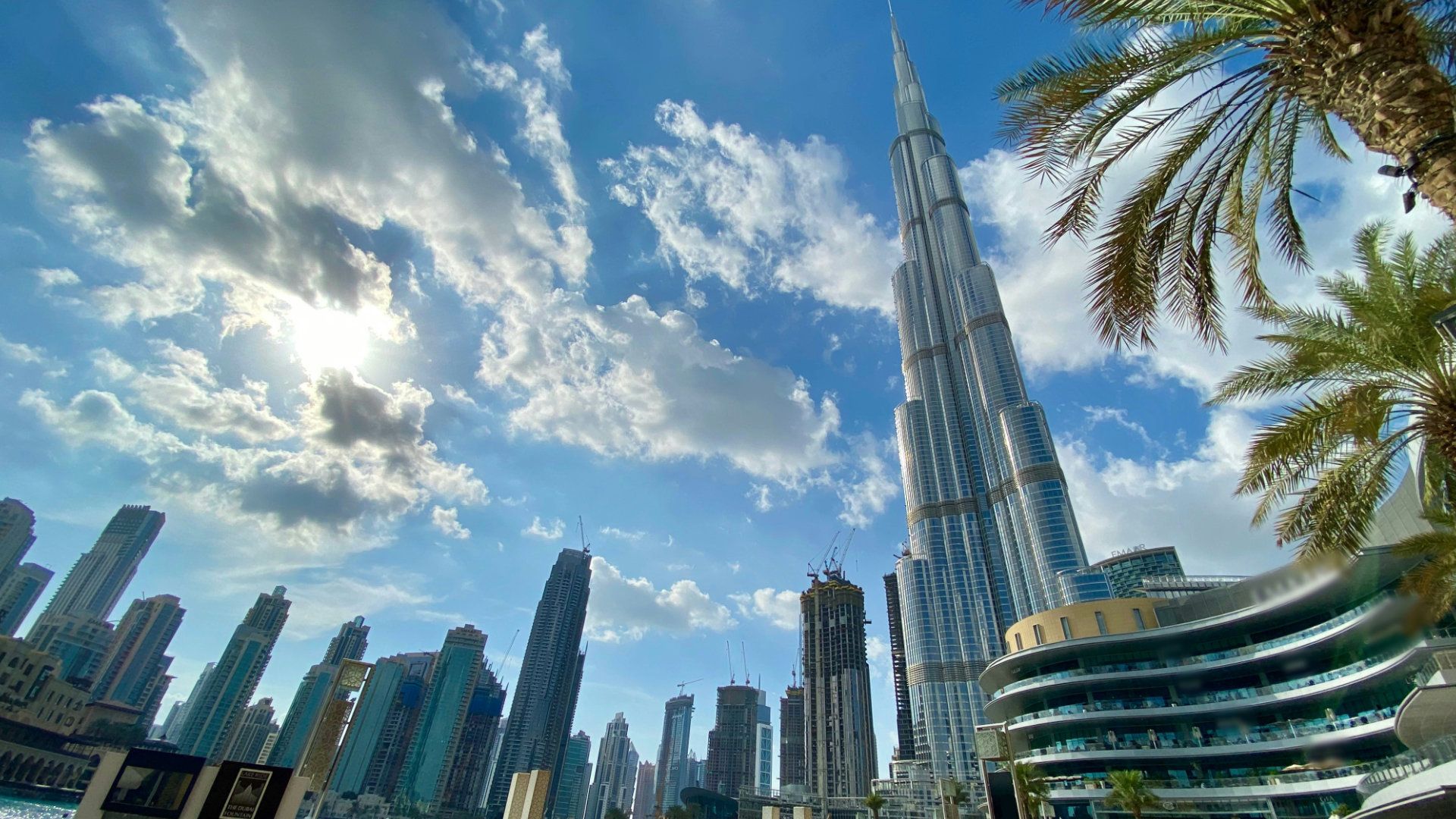
Demand remains exceptional. Emaar's first quarter delivered AED 22.4 billion of property sales with profit near AED 5 billion, and the land registry recorded 29,312 first-time investors entering the market in a single quarter, up 14%. The buyer base is broader, carrying less debt, and more end-user weighted than in any previous cycle.
Opportunities
Delivered and income-producing assets are the preferred exposure as the handover wave lands: prime residential, stabilised communities, and the recurring-income platforms the major developers are building.The operator economy is widening, from branded residences to flexible living formats serving the new-resident influx, and the consolidation of the developer cohort creates space for specialist partners with genuine capability gaps in hospitality, logistics, and digital infrastructure, where EDGNEX's USD 20 billion US programme shows the direction of ambition.
Challenges
The delivery pipeline launched through 2023 and 2024 lands hardest in late 2026 and 2027, and absorption is the test: the honest risk is moderation in price growth, concentrated in commodity off-plan product, rather than the 2008-style unwind the bears describe.Mortgage costs remain high, the off-plan share of transactions transmits sentiment quickly, and underwriting 2024 momentum at 2026 prices in the wrong segment could be the most expensive mistake available this year.
Qatar
Current trends
Qatar's market has entered a mature, stable phase. Residential prices were broadly flat through the recent period, with the ValuStrat index registering only a marginal quarterly decline, while rents softened by roughly 1.5% half on half as new supply in Lusail and The Pearl was absorbed.Meanwhile, prime waterfront districts continue to command premiums, and demand has concentrated in affordable villa communities alongside renewed developer interest in Lusail's villa land.
Externally, QIA had one of its most structurally interesting periods in years, joining Hongkong Land's Singapore Central Private Real Estate Fund as a founding investor in February, converting its long-held Asia Square position into platform economics in a USD 6.3 billion vehicle.
Opportunities
Residency-linked freehold demand provides a consistent floor: the expansion of residency rights for property owners is converting tenants into buyers in the designated zones, and long-term residents increasingly anchor demand rather than transient expatriate churn.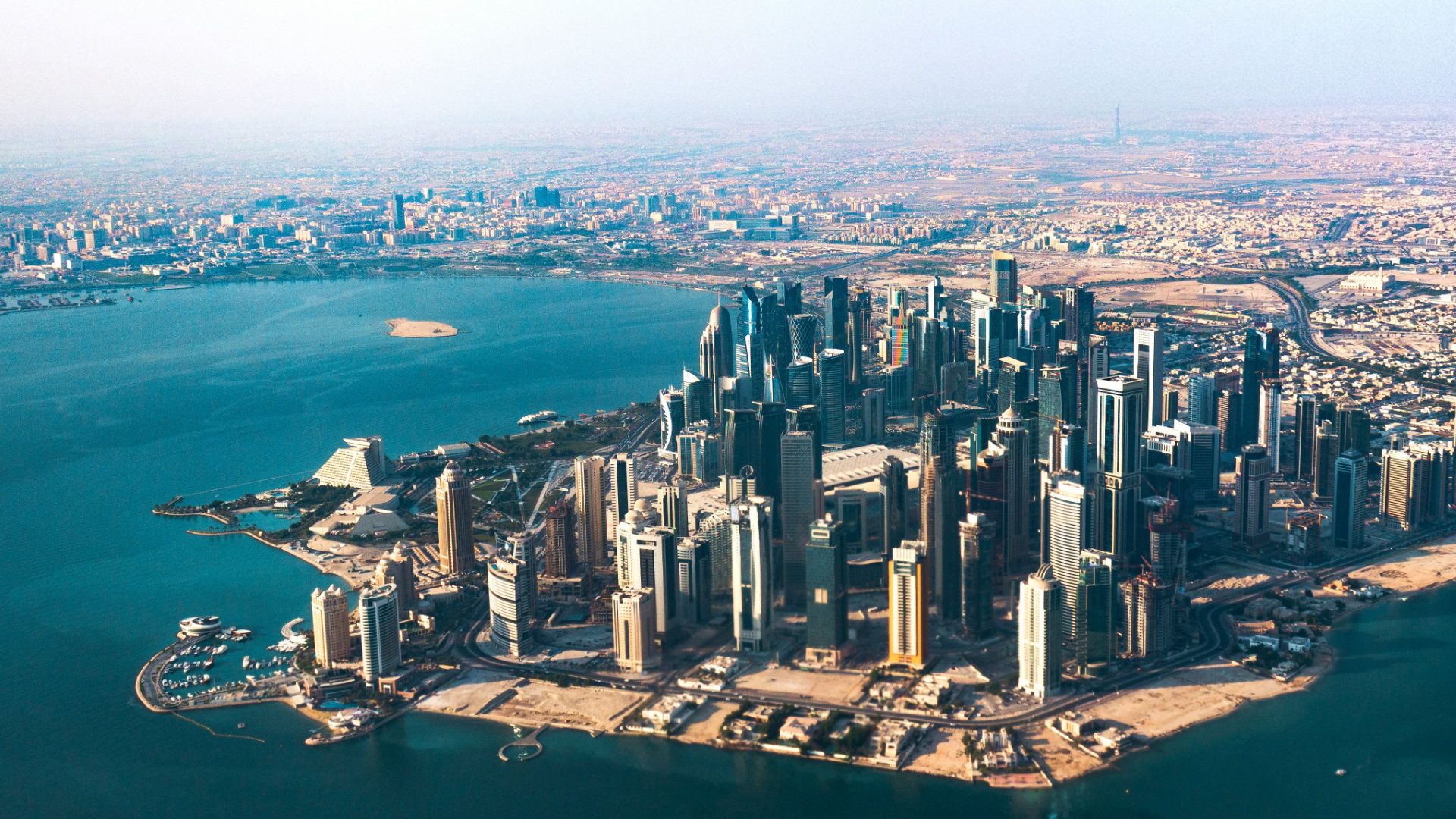
Hospitality and mixed-use assets connected to Qatar's events and education economy offer income at pricing that never inflated the way neighbouring markets did, and the stability itself is the pitch for core capital priced out of Dubai and Abu Dhabi.
Challenges
Supply still leads demand in the new districts, keeping rental growth negative and limiting near-term capital appreciation. The domestic market remains small relative to its neighbours, and the deepest institutional activity continues to run through QIA's outbound book rather than the home market.Liquidity in exit remains the structural question for institutional entrants: the buyer pool for stabilised assets is thinner than in the UAE, which prices patience into every underwriting.
Kuwait, Oman, Bahrain
Current trends
The smaller Gulf markets are moving at different speeds, but each has a live reform story.Kuwait's long-awaited mortgage law, still in draft between the government, the banks, and the Central Bank, would for the first time allow commercial lenders to issue housing loans, with terms of up to 25 years against the current 15-year cap and a foreclosure framework that does not exist today.
With over 100,000 pending housing applications, the reform is the single largest unlock available in the Kuwaiti market.
Oman is the quiet outperformer. The sector recorded RO 3.3 billion in traded value amid a visible investment surge, Gulf investment into Omani real estate nearly doubled year-on-year, and Sultan Haitham City has drawn scaled foreign development capital, including Saudi Arabia's Retal committing to neighbourhoods covering more than 1.39 million square metres.
Bahrain remains the region's affordability play, anchored by its financial services base and freehold zones, with activity led by domestic and Saudi cross-border demand.
Opportunities
Kuwait's mortgage law, when it lands, creates a financing market where none existed: the banks anticipate meaningful loan growth, and the developer cohort that positions for financed end-user demand ahead of the law will own the first cycle.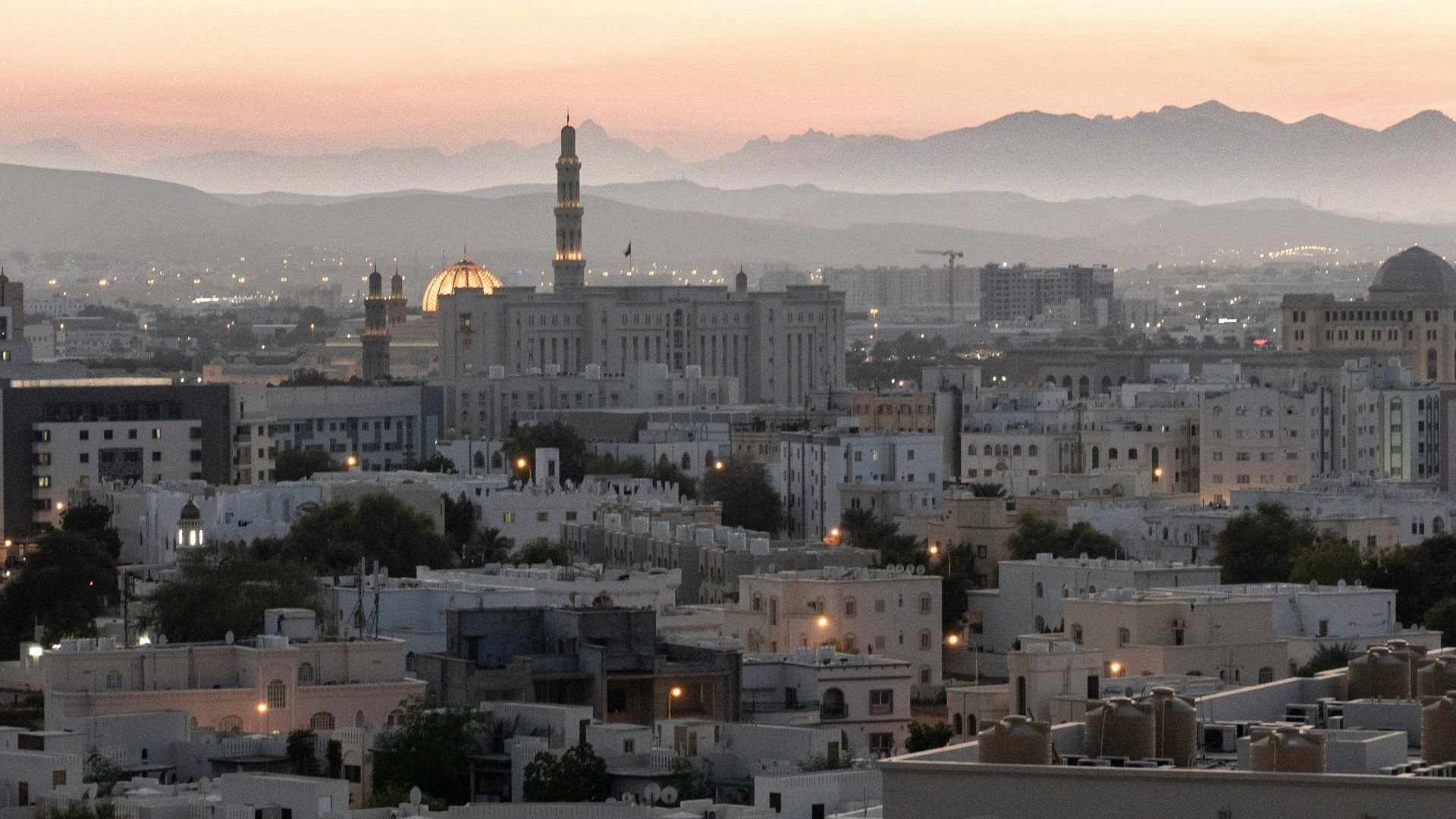
Oman's master-planned cities, led by Sultan Haitham City and A'Thuraya City under the Greater Muscat Structure Plan, offer development entry at land values the UAE has not seen in a decade, with legislative stability improving and tourism-linked assets compounding.
Bahrain offers yield, with income-producing residential and commercial assets pricing well above regional cap-rate floors.
Challenges
Kuwait's reform timing is genuinely uncertain: the circulated draft is preliminary, the Central Bank's implementing regulations will define the real mechanics, and the market has waited years already.Oman and Bahrain both face depth constraints: smaller buyer pools, thinner exit liquidity, and economies more exposed to the oil cycle than their diversified neighbours. Institutional capital entering these markets is underwriting the reform trajectory as much as the asset.