 Unsplash
Pune Commercial Real Estate H1 2026: The Rise of India's Top Metro Engine
Key market intelligence on how GCC demand, transit-led infrastructure, and REIT pipelines are driving multi-sector institutional growth across Pune
July 27, 2026Real Estate
Written by:Rory Hickman
Executive Summary
Ahead of the Pune Commercial Real Estate 2026 roundtable, co-hosted by Kohinoor Group, on 9th September in Pune, this report draws on the latest market intelligence from industry leading firms - including CBRE, Colliers, Cushman & Wakefield, JLL, and Knight Frank - to examine the city's remarkable real estate momentum.
As Pune establishes itself as India's premier metropolitan economic growth engine, record office space absorption driven by GCCs and enterprise flex-space operators is being matched by surging demand across high-street retail, industrial logistics, and high-density AI data centres.
Backed by transformative regional infrastructure upgrades and expanding institutional REIT pipelines, Pune is uniquely positioned to unlock its next phase of multi-sector liquidity, sustainable infrastructure growth, and global corporate investment.
As Pune establishes itself as India's premier metropolitan economic growth engine, record office space absorption driven by GCCs and enterprise flex-space operators is being matched by surging demand across high-street retail, industrial logistics, and high-density AI data centres.
Backed by transformative regional infrastructure upgrades and expanding institutional REIT pipelines, Pune is uniquely positioned to unlock its next phase of multi-sector liquidity, sustainable infrastructure growth, and global corporate investment.
Key Takeaways
- Driven by record office space leasing from GCCs and flexible workspace operators, Pune has established itself as India's top metropolitan economic growth engine in a recent analysis.
- Strategic infrastructure investments, including major metro extensions and highway links, are eliminating connectivity bottlenecks across peripheral industrial and commercial corridors.
- Rising institutional capital and contracting market vacancies are accelerating growth across REIT-eligible office portfolios, high-street retail, warehousing, and green AI data centre hubs.
► Pune’s CRE Momentum
Pune has established itself as India's leading metropolitan economic growth engine in 2026, advancing four positions to top Dun & Bradstreet's City Vitality Index ahead of established technology centres such as Bengaluru, Hyderabad, and Delhi NCR.This economic surge is clearly reflected in its commercial real estate sector, which recorded a gross office leasing volume of 5.31 million square feet in the first half of 2026, driven by a strong second quarter that accounted for 3.22 million sq ft.
Global Capability Centres (GCCs) remain the primary catalyst for office space absorption, contributing over 50% of quarterly leasing alongside sustained demand from technology occupiers, financial services, and manufacturing firms.
High-value enterprise transactions, including Smartworks securing a 930-seat managed workspace deal with a UK firm worth INR 58 crore and NCW Asset Management acquiring a majority stake in local assets, underscore rising institutional confidence, tightening Grade A office vacancy, and upward pressure on rental yields across core business districts.
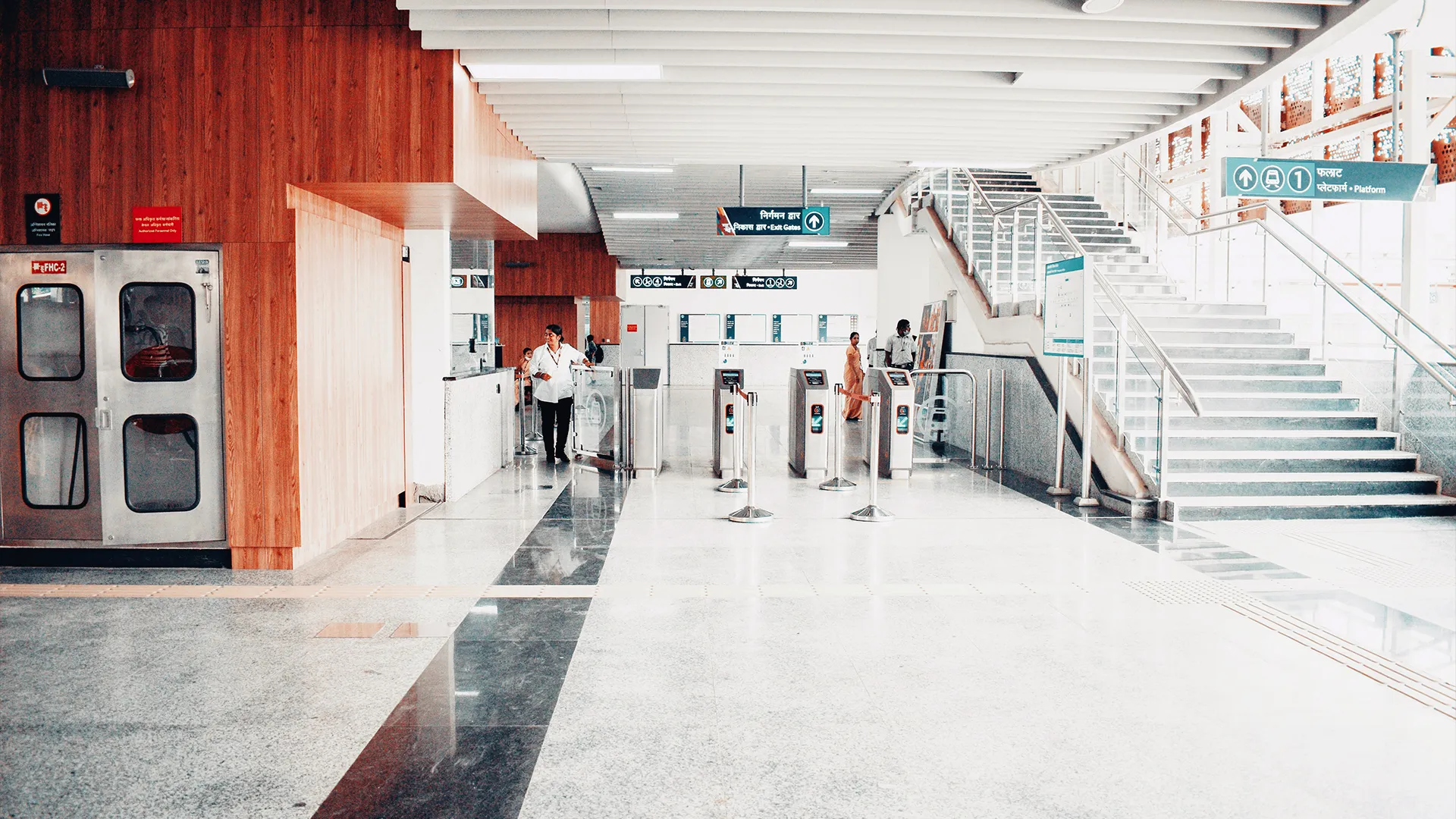
This commercial momentum is further reinforced by high-capacity infrastructure developments designed to improve regional connectivity and resolve urban mobility bottlenecks.
The opening of the INR 70 billion Missing Link project on the Mumbai-Pune Expressway marks a major structural milestone, cutting transit times by 20 to 30 minutes, bypassing the steep Khandala ghat section, and expected to catalyse up to INR 700 billion in broader economic activity within the Mumbai-Pune knowledge corridor.
On a local level, the municipal push to complete 12 missing link road projects is actively improving first- and last-mile connectivity to commercial hubs such as Baner, Balewadi, Kharadi, Wakad, and Kalyani Nagar.
Concurrently, the submitted project report for the INR 12,937.23 crore, 45.3 km Nigdi-Wakad-Chakan Metro line promises to connect residential pockets directly to key manufacturing and commercial belts in Pimpri-Chinchwad, Bhosari, and Chakan, establishing a seamless transit framework for sustained enterprise growth.
Looking ahead, Pune is ideally positioned to capitalise on the rapid institutionalisation of India's commercial property market, currently exhibiting an office Real Estate Investment Trust (REIT) penetration rate between 15% and 20%.
The city accounts for 8% of the country's total operational office REIT portfolio, representing 12.6 million sq ft, with 86% of this stock strategically concentrated in Peripheral Business Districts and 14% in Central Business Districts (CBDs).
As national office REIT penetration is projected to expand from 19% to between 25% and 30% by 2030, Pune offers a substantial long-term runway for asset monetisation, representing 15% of India's future REITable office pipeline with 55.3 million sq ft of eligible space.
Supported by strong occupier demand from GCCs, attractive asset yields, and robust investor appetite, Pune's commercial real estate market remains well equipped to capture significant institutional capital over the coming decade.
(Unsplash)
► Offices and GCCs
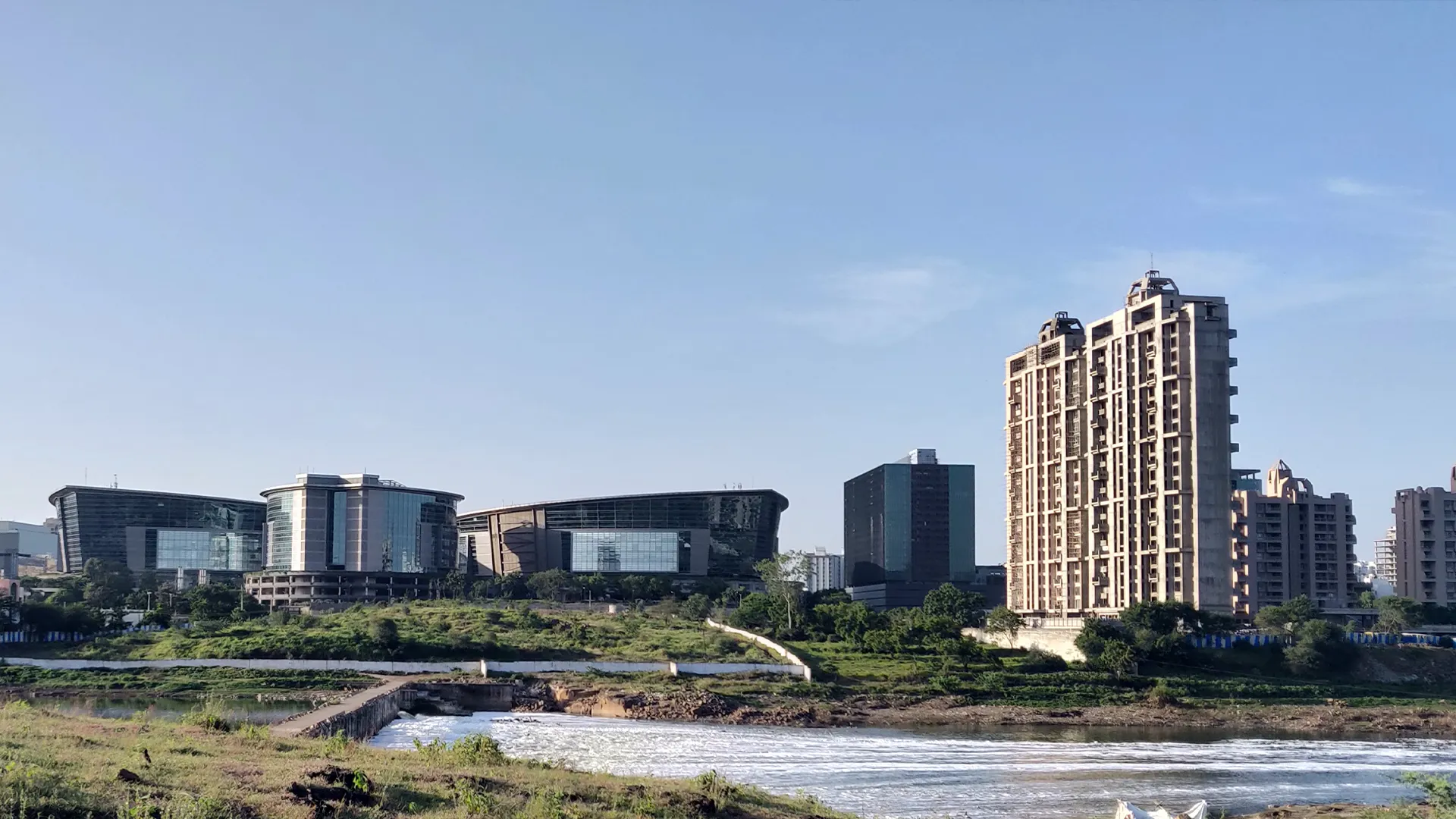
Pune's commercial office real estate market demonstrated significant momentum during the first half of 2026, accumulating a Gross Leasing Volume of approximately 5.31 million sq ft.Market activity accelerated sharply in the second quarter, with gross leasing reaching 3.22 million sq ft, representing a 54% quarter-on-quarter and 12.5% year-on-year increase, while quarterly net absorption surged 141% quarter-on-quarter to 2.51 million sq ft.
Flexible workspace operators and GCCs served as the dominant demand engines, with flexible workspace providers capturing 45% of total second-quarter leasing and GCCs contributing 52% of quarterly space uptake.
Pune's ability to attract international corporate occupiers and anchor specialised financial services operations has cemented its standing within the national commercial landscape, with the city accounting for a 15% share of India's total GCC space absorption.
This robust demand was evidenced by large-scale transactions during the second quarter, including Smartworks securing 850,000 sq ft at Panchshil Eastside, Accenture leasing 600,000 sq ft at Phoenix Millenium, WeWork taking 204,286 sq ft, and Maersk Global acquiring 193,458 sq ft at Eon Free Zone-B.
Geographically, leasing activity remained heavily concentrated in core growth belts, with SBD East and PBD West together accounting for nearly 90% of second-quarter space uptake.
SBD East holds the city's largest Grade A stock at 49.72 million sq ft with a 14.7% vacancy rate, anchored by key micro-markets such as Kharadi, which ranks among India's top ten destinations for GCC absorption.
Simultaneously, western submarkets such as Balewadi have emerged as critical commercial hubs within the Baner-Balewadi-Hinjewadi corridor, acting as West Pune's Northern Central Business District to absorb corporate demand as adjacent areas approach saturation.
Rental values across Pune recorded steady growth, elevating stock-weighted average rentals to INR 93.4 per sq ft per month.
Submarket pricing reflected this geographic division, with prime locations commanding premium rates, led by the CBD at INR 111.8 per sq ft per month and SBD East at INR 100.8 per sq ft per month, while SBD West featured the tightest supply conditions with a vacancy rate of just 2.5%, and peripheral zones such as Hinjewadi offered highly competitive near-dollar rentals at INR 68.6 per sq ft per month.
On the supply side, the market rebounded from a temporary lull of zero completions in the first quarter caused by construction delays to deliver 3.04 million sq ft of fresh Grade A office completions in the second quarter, concentrated primarily in SBD East.
Strong absorption, particularly from enterprise managed space platforms, offset these completions and maintained citywide vacancy at a stable 13.19%. The medium-term supply pipeline remains robust, with approximately 10 million sq ft of new completions expected by the end of 2026 and an additional 31.89 million sq ft of planned or under-construction inventory scheduled for completion by 2028.
This commercial footprint expansion is further reinforced by major public infrastructure initiatives, most notably the INR 8,313 crore (approx. USD 867 million) Pune Metro Line 3 project, which connects Hinjewadi to Shivajinagar via Balewadi and is expected to achieve full operation by October 2026.
Backed by broader macroeconomic stability, including national GDP growth of 7.80%, alongside ongoing projects including the Pune Ring Road, Pune's commercial office sector remains well positioned for sustained long-term capital deployment and occupier expansion.
(Wikimedia Commons)
► Shopping and Retail
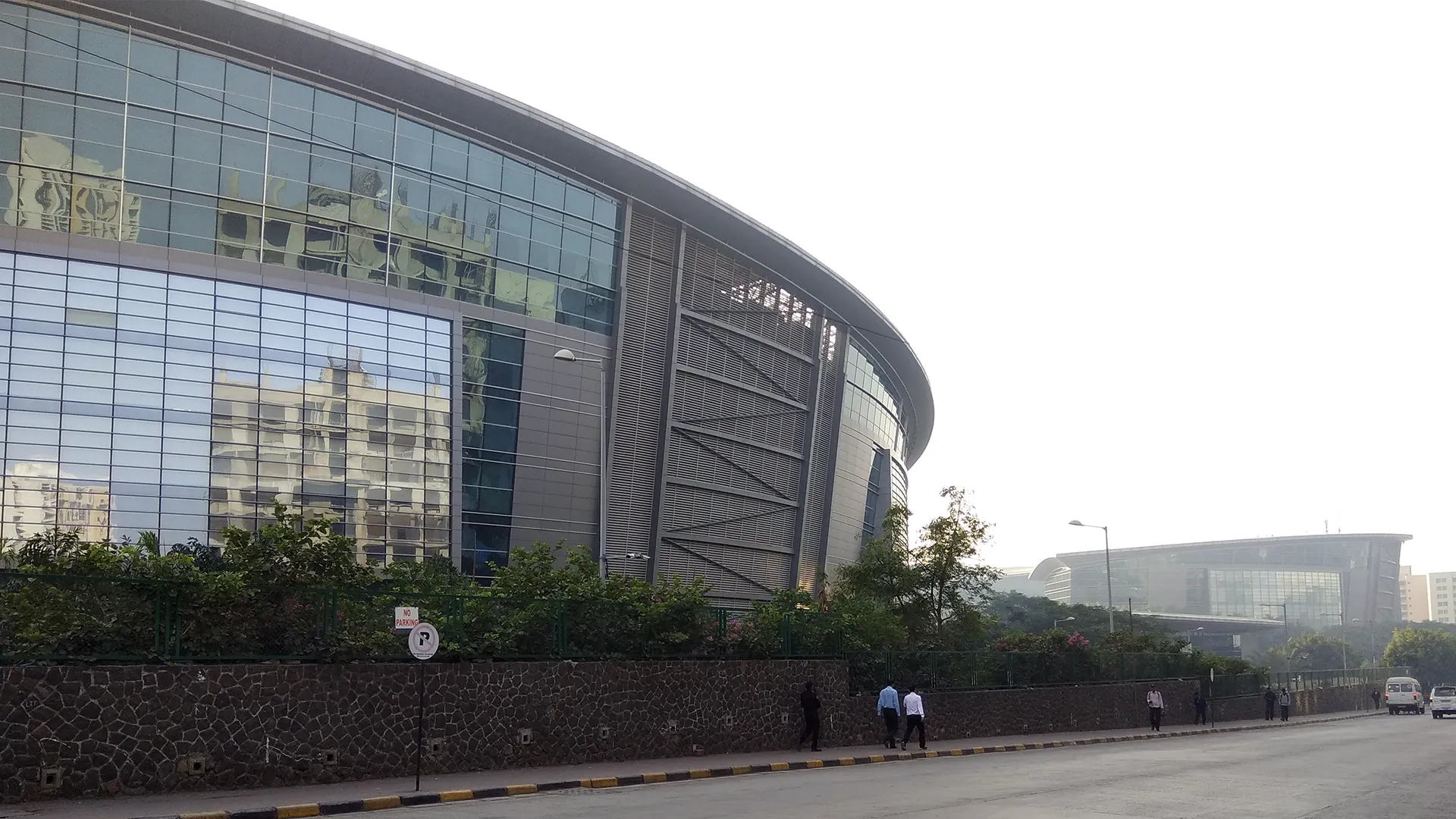
Sustained occupier demand across Pune's retail property sector generated robust leasing velocity throughout the first half of 2026, accumulating 0.43 million sq ft of total space absorption. Quarterly momentum accelerated in the second quarter to reach 0.25 million sq ft, marking a 38.4% quarter-on-quarter increase.Shopping malls captured 0.16 million sq ft of second-quarter demand, led by apparel brands at 42% and lifestyle retailers at 26%. However, acute availability constraints within premier shopping centres during the first quarter forced 63% of leasing activity onto high streets, where transaction volume surged 286% year-on-year in the second quarter.
Sectoral absorption was heavily anchored by entertainment operators contributing 51% of first-quarter activity, alongside supermarkets, daily needs, and furniture retailers expanding across key high-footfall corridors such as Wakad, Bavdhan, and Chinchwad.
Key leases highlighted this market split, with Star Bazaar securing 25,797 sq ft on a main street in Wakad and Indriya acquiring 5,638 sq ft at Amanora Town Centre in Hadapsar.
On the supply side, Pune recorded zero new completions across both the first and second quarters of 2026, as commercial developers increasingly pivoted away from standalone shopping centres towards integrated mixed-use developments with supporting retail components.
Total operational mall inventory remained flat at 6.45 million sq ft, representing a per capita retail footprint of 0.84 sq ft. This prolonged supply lull, combined with steady leasing activity, caused market vacancies to contract significantly.
Grade A mall vacancy dropped to a tight 3.12% in the second quarter, representing a 372 basis point year-on-year decline, while overall retail vacancy stood at 11.8% in the first quarter.
Although an additional 0.7 million sq ft across two mixed-use projects is scheduled to enter the market during 2026, persistent space scarcity within premier shopping malls is expected to keep redirecting retailer expansion towards high street corridors.
Pricing across Pune's retail landscape remained firm, characterised by steady rental values and significant capital appreciation. Prime City gross rents averaged INR 218 per sq ft per month, while capital values in core urban locations posted a 14.9% year-on-year gain.
Top-tier main streets commanded substantial rental premiums, led by J.M. Road at INR 420 per sq ft per month following a 5.0% annual increase, F.C. Road at INR 350 per sq ft per month, and Kothrud-Karve Road at INR 230 per sq ft per month.
Selected premier shopping malls also registered annual rental increases ranging between 2% and 8%. Backed by solid national macroeconomic indicators, including a 7.80% GDP expansion and a 7.10% increase in consumer spending, the long-term outlook for Pune's retail market remains highly positive across the F&B, entertainment, and fashion sectors.
(Wikimedia Commons)
► Logistics and Warehousing
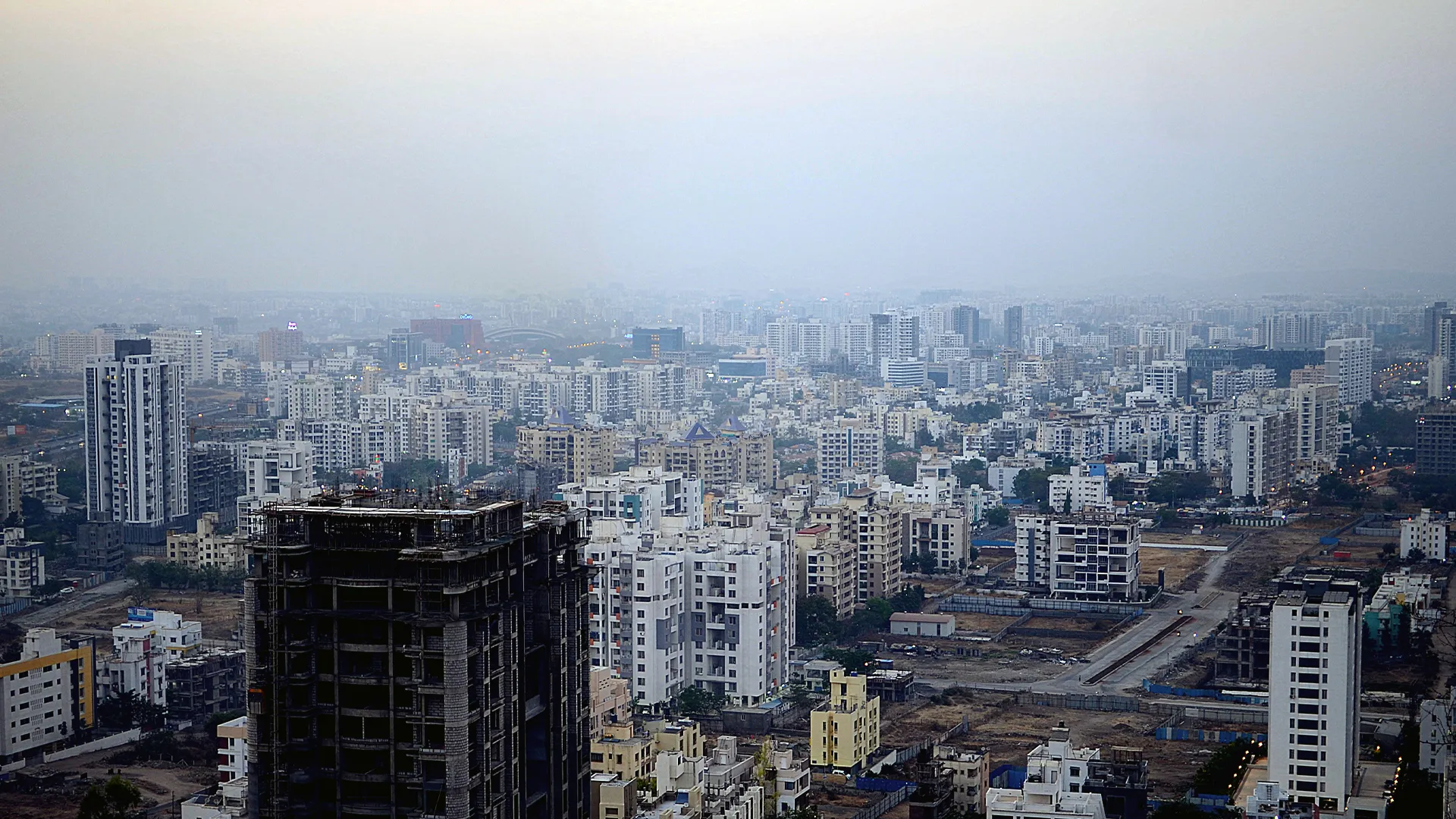
Expansion across Pune's industrial and logistics landscape accelerated through early 2026, with first-half leasing volume surpassing 2 million sq ft and generating a year-on-year growth rate above 30%. This momentum built directly upon a strong second half in 2025, during which total leasing reached 4.3 million sq ft to elevate total market inventory to 26.5 million sq ft.Demand across the warehousing segment remained heavily concentrated among 3PL providers, who captured 65% of warehousing absorption, alongside e-commerce and quick-commerce operators expanding their distribution networks.
Concurrently, industrial space take-up was dominated by engineering and manufacturing enterprises accounting for 83% of activity, followed by automotive occupiers at 16%.
From a submarket perspective, Chakan preserved its status as the premier industrial and logistics corridor, capturing 48% of industrial absorption and 43% of warehousing demand, while secondary nodes including Talegaon, Ranjangaon, Pirangut, and PCMC posted steady transactional activity.
Driven by vigorous space absorption, citywide vacancy rates experienced a sharp contraction from 35% in mid-2025 down to 20% by the end of the year, even with a 1.5 million sq ft supply pipeline anticipated over the subsequent 12 months.
Rental values across most primary submarkets displayed notable stability. Monthly warehousing rents ranged from INR 25 per sq ft in Talegaon and INR 27 per sq ft in Chakan to INR 40 per sq ft in Hinjewadi and PCMC, while industrial monthly rents held at INR 24 per sq ft in Ranjangaon, INR 28 per sq ft in Talegaon, INR 30 per sq ft in Chakan, and INR 48 per sq ft in PCMC.
Land acquisition dynamics tightened significantly, marked by 108 acres transacted in late 2025 as average land values surged 32% to 35% year-on-year to sit between INR 60 million and INR 80 million per acre.
Talegaon recorded the steepest capital appreciation with a 55.2% jump to INR 40-50 million per acre (approx. USD 0.51 million per acre), followed by Ranjangaon at 47.1% and PCMC at 24.4%.
This upward pricing trajectory was propelled by severe land scarcity for outright purchase, heightened corporate preference for direct asset ownership, and targeted connectivity projects such as the 70-foot Talegaon-Chakan road expansion.
On a broader scale, Pune's cost competitiveness, access to labour, and integration into national infrastructure initiatives such as the PM Gati Shakti programme and the National Logistics Policy reinforce its position as a top-tier industrial destination across India.
(Wikimedia Commons)
► Data Centres
Currently hosting 21 operational facilities distributed among 14 provider platforms, Pune has established a solid presence within India's digital infrastructure sector, ranking as the country's sixth largest data centre market and 23rd overall across the APAC region.Driven by a nationwide colocation expansion projected to scale from USD 6.12 billion in 2023 to USD 10.89 billion by 2028 at a 12.22% CAGR, Pune continues to expand its physical footprint, with five additional facilities currently under construction to accommodate growing enterprise adoption of cloud computing and data analytics.
Hyperscale land acquisition has accelerated rapidly, underscored by Tata Consultancy Services securing an 88-acre plot in Bopkhel for INR 6.405 billion to establish high-density artificial intelligence infrastructure and potentially host OpenAI's initial Indian data facilities.
Established technology corridors such as Hinjawadi, Kharadi, and Talawade are leading this transformation, balancing heavy hyperscale deployment with edge architecture to deliver low-latency connectivity for enterprise and industrial applications.
This evolution toward high-density compute has raised operational standards across local commercial campuses, forcing developers to implement multi-layered physical security and international compliance protocols, including ISO 27001 and SOC 2, to satisfy enterprise SLAs.
As national data centre capacity targets 6.5 GW by the end of the decade, Pune offers crucial inland redundancy to coastal hubs while attracting substantial private equity and corporate investment.
With GPU-heavy computing placing heightened strain on power grids and municipal water supplies, Pune has emerged alongside Mumbai, Chennai, and Hyderabad as a primary testbed for sustainable digital infrastructure.
Local operators are increasingly deploying zero-water cooling designs, closed-loop systems, and direct renewable energy agreements to absorb seasonal power fluctuations and meet stringent environmental targets.
Supportive policy initiatives, including Digital India, tax incentives through 2047, and grid upgrade programmes, continue to reinforce the market's long-term viability.
By delivering scalable colocation solutions, robust security, and cost-effective service delivery relative to US and European markets, Pune remains exceptionally well positioned to capture the next wave of global digital capital without requiring heavy tenant capital expenditure.
► Pune’s CRE Market Outlook
Looking ahead, Pune is poised to consolidate its position as India's pre-eminent multi-sector commercial engine, transitioning from a regional technology hub into a fully institutionalised, multi-nodal megaregion.The strategic convergence of high-capacity transit infrastructure, robust occupier demand, and deep institutional capital deployment will continue to redefine the city's real estate dynamics over the coming decade.
While GCCs and enterprise-grade managed spaces remain the bedrock of office absorption, the rapid emergence of high-density AI data centres, specialised industrial belts, and resilient high-street retail ecosystems signals a broader structural maturity across the asset spectrum.
As prime commercial portfolios increasingly feed into national REIT pipelines and peripheral corridors achieve seamless connectivity with core business districts, Pune's long-term trajectory will ultimately depend on balancing aggressive spatial expansion with sustainable grid and resource management, positioning the city to capture an unprecedented share of global corporate and institutional investment.
► Continue the conversation at the GRI Pune Commercial Real Estate 2026 roundtable, co-hosted by Kohinoor Group, in Pune on 9th September
Sources:
India Office Figures Q2 2026 - CBRE
GCCs in India: Global leadership through scale, competitiveness, talent & innovation - Colliers
India REITs: Gaining Scale & Unlocking Value - Colliers
Pune Industrial & Logistics MarketBeat Report - Cushman & Wakefield
Pune Real Estate MarketBeat Report - Cushman & Wakefield
Pune Data Centre Market Overview - DataCenters.com / Baxtel
City Vitality Index (CVI) - Dun & Bradstreet
Pune Office Market Dynamics - JLL
Pune Retail Market Dynamics - JLL
Pune Real Estate Market Trends - Knight Frank & 12x Realty