 Gemini
Global Capital's Leading Growth Engine: GRI APAC Real Estate Outlook Q4 2026
Exclusive GRI Asia-Pacific market intelligence on prime commercial trends across India, Australia, China, Japan, Singapore, South Korea, and Hong Kong
October 2, 2026Real Estate
Written by:Rory Hickman
Executive Summary
Powered by rapid technological expansion, strong demographic fundamentals, and a decisive shift towards income-driven returns, the Asia-Pacific region’s commercial real estate market is solidifying its position as the global economy's most resilient growth engine.
Adapted from our full Global Real Estate Outlook Q4 2026 report, which covers the trends, opportunities, and challenges shaping real estate across APAC, Europe, GCC, Latin America, and the US, in this analysis we examine India, Australia, China, Japan, Singapore, South Korea, and Hong Kong in more detail.
Published in anticipation of the Asia Pacific: Depth and Momentum panel at the GRI Global Summit 2026, this briefing equips real estate leaders with actionable market analysis to adapt to changing dynamics, optimise capital strategy, and head off operational threats.
Blending macro-level trends with local market realities, these insights deliver the strategic vision investors need to make high-confidence decisions, maximise long-term returns, and lead real estate transformation.
► Join senior leaders at the GRI Global Summit to forge cross-border dealflow with APAC
Adapted from our full Global Real Estate Outlook Q4 2026 report, which covers the trends, opportunities, and challenges shaping real estate across APAC, Europe, GCC, Latin America, and the US, in this analysis we examine India, Australia, China, Japan, Singapore, South Korea, and Hong Kong in more detail.
Published in anticipation of the Asia Pacific: Depth and Momentum panel at the GRI Global Summit 2026, this briefing equips real estate leaders with actionable market analysis to adapt to changing dynamics, optimise capital strategy, and head off operational threats.
Blending macro-level trends with local market realities, these insights deliver the strategic vision investors need to make high-confidence decisions, maximise long-term returns, and lead real estate transformation.
► Join senior leaders at the GRI Global Summit to forge cross-border dealflow with APAC
Key Takeaways
- Institutional capital deployment across gateway markets is rebounding strongly, with total returns increasingly supported by organic rental growth rather than yield compression.
- APAC investment activity is concentrating heavily in high-specification digital infrastructure, modern logistics hubs, and supply-constrained prime Grade A office space.
- Headwinds from divergent central bank policies, elevated construction costs, and localised supply imbalances continue to widen the performance gap against secondary stock.
Trends, Opportunities, and Challenges in APAC
The Asia Pacific region remains a dynamic cornerstone of the global economy, anchored by robust demographic fundamentals, rapid urbanisation, and persistent expansion in technological capabilities.As structural macroeconomic shifts recalibrate capital deployment globally, APAC demonstrates exceptional long-term resilience, supported by diverse economic profiles ranging from high-growth emerging markets to highly sophisticated mature financial hubs.
This structural breadth fosters an evolving real estate landscape where operational efficiency, institutionalisation, and long-term economic expansion drive market momentum.
Current Trends
Regional investment volumes have rebounded strongly across APAC, driven by returning cross-border capital concentrating in deep, liquid gateway nodes.
Total returns are increasingly anchored by rental growth rather than capitalisation rate compression, as central banks across the region pause rate cuts or shift towards a hawkish monetary stance.
Simultaneously, robust demand for AI infrastructure and semiconductors continues to bolster broader economic expansion, driving strong occupier space requirements across tech-oriented hubs.
Opportunities
Investment opportunities are increasingly focused on hyperscale data centres and digital infrastructure, alongside prime office assets located in supply-constrained gateway cities.
Modern, automation-ready logistics facilities continue to attract institutional equity, while event-driven hospitality assets present attractive upside potential across major metropolitan centres.
Challenges
The region faces headwinds from hawkish policy shifts and central bank interest rate hikes in select markets, coupled with persistent geopolitical and trade friction.
Furthermore, elevated construction costs continue to deter ground-up developments, while a widening performance split emerges between prime Grade A assets and secondary commodity stock.
India
(Magnific)
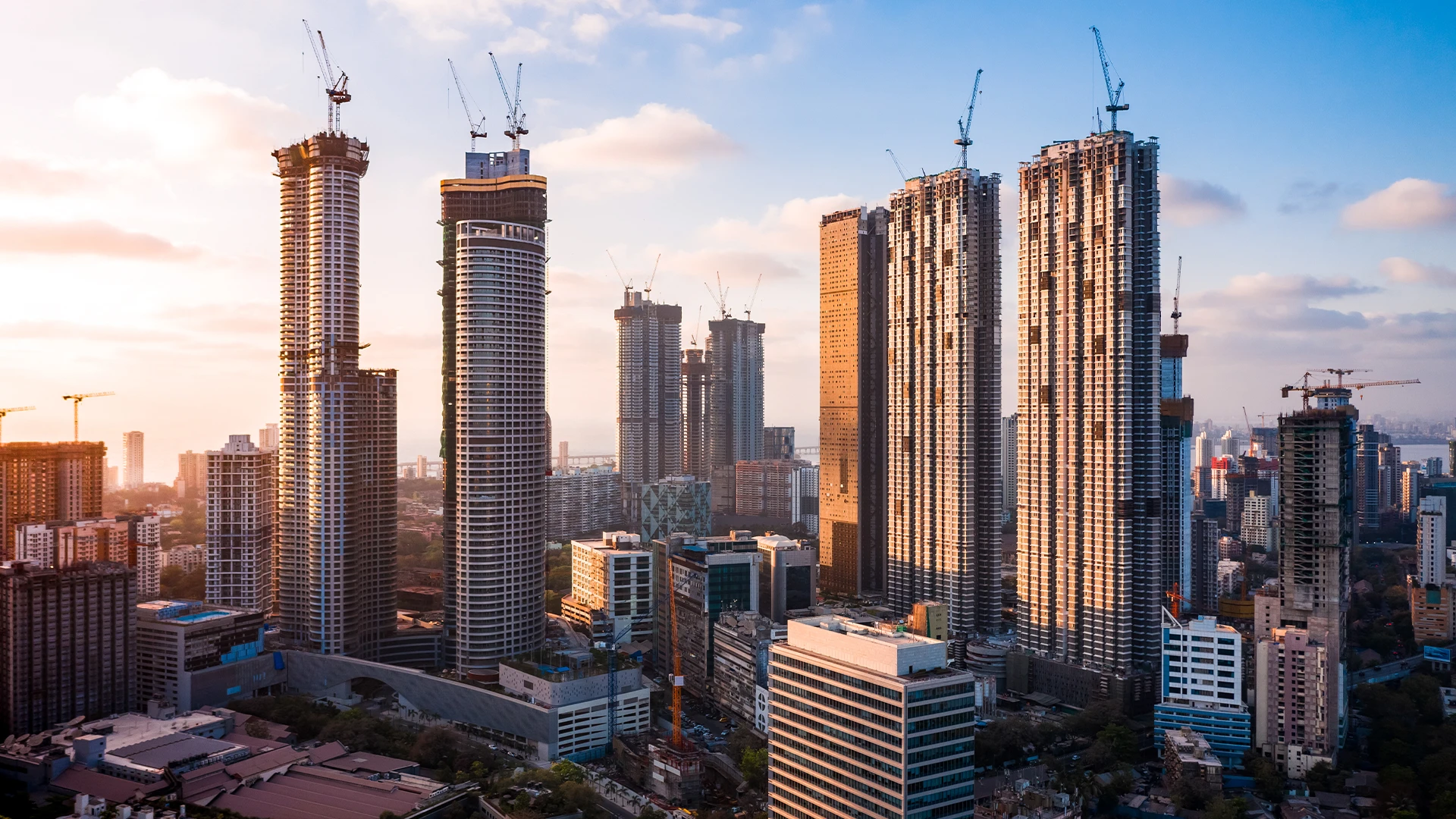
As the world's fastest-growing major economy, India continues to undergo a profound structural transformation propelled by sustained macroeconomic expansion, urbanisation, and digital infrastructure integration.
Strong domestic consumption and industrial momentum have elevated the country's strategic standing on the global stage, accelerating the institutionalisation of its commercial property landscape.
Backed by expanding capital markets and robust underlying growth drivers, the nation offers an increasingly mature, resilient, and dynamic real estate environment.
Current Trends
Indian real estate is experiencing record-breaking office leasing activity, propelled by multinational Global Capability Centres, domestic technology enterprises, and expanding financial groups.
Deep domestic capital reserves remain highly active alongside returning foreign institutional conviction, underpinned by rapid improvements in regulatory transparency and market maturity.
Opportunities
Key investment themes include modern Grade A logistics and industrial corridors across emerging regional clusters, hyperscale data centre campuses, and prime office parks.
Additionally, newly enabled Small and Medium REIT (SM REIT) structures are creating fresh avenues for capital deployment and liquidity.
Challenges
Development and expansion activity remain constrained by high land acquisition costs in primary metropolitan locations, severe land parcel fragmentation, and multi-layered regulatory approval processes.
Localised infrastructure gaps also continue to present operational friction in secondary submarkets.
► Upcoming GRI Institute India events include:
▷ The GRI Capital Playbook 2026, co-hosted by Disha Insurance, Bangalore, 30th October
▷ Delhi Real Estate Roundtable 2026, co-hosted by Jaquar Group, Delhi, 13th November
▷ GRI Warehousing & Logistics India 2026, Mumbai, 25th November
▷ GRI Residential India 2026, Mumbai, 25th November
▷ Delhi Real Estate Roundtable 2026, co-hosted by Jaquar Group, Delhi, 13th November
▷ GRI Warehousing & Logistics India 2026, Mumbai, 25th November
▷ GRI Residential India 2026, Mumbai, 25th November
Australia
(Wikimedia Commons)
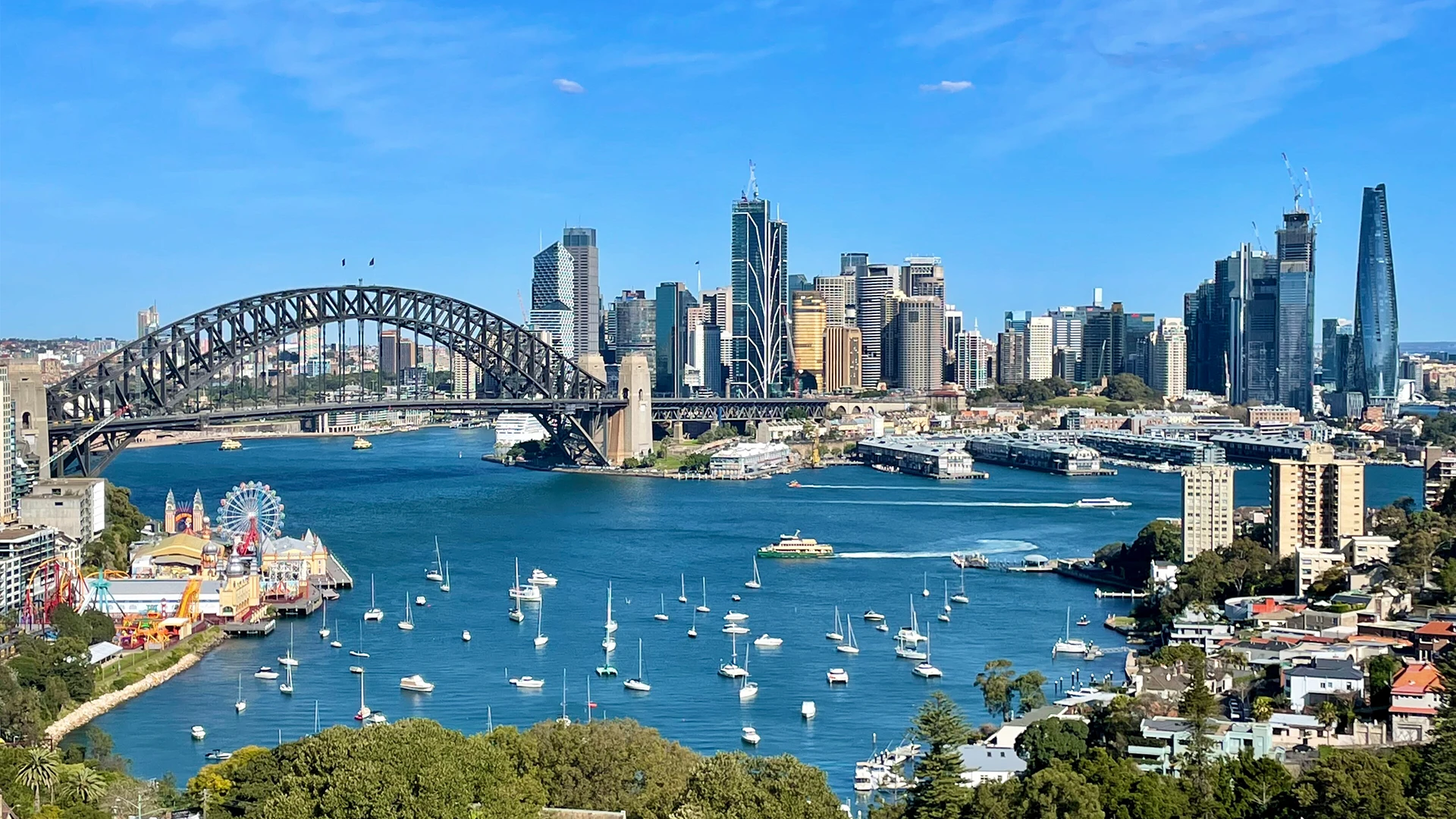
Australia maintains its position as one of the world's most transparent, resilient, and highly institutionalised real estate markets, supported by strong legal governance, stable sovereign credit ratings, and sustained population growth through net overseas migration.
The broader economy displays notable structural endurance, benefiting from robust export channels, strong domestic wealth, and an established superannuation system that provides deep capital reserves.
These macroeconomic foundations underpin a mature property sector defined by sophisticated asset management standards, deep market liquidity, and long-term income security.
Current Trends
Commercial transaction activity in Australia is predominantly anchored by private capital deployment and resilient retail asset investment, while commercial completions face a severe slowdown due to high financing and construction outlays.
Sydney central business district (CBD) office net effective rents are demonstrating strong upward growth, supported by structurally tight logistics vacancy rates across major capital cities.
Opportunities
Institutional investors are targeting prime CBD office towers that stand to benefit from an acute multi-year supply freeze, alongside non-discretionary neighbourhood retail centres. Strategic allocations continue to flow into PBSA and build-to-rent (BTR) living formats designed to address structural housing shortfalls.
Challenges
Interest rate hikes by the Reserve Bank of Australia have driven yield decompression across secondary asset classes. Institutional sentiment is further impacted by new policy and tax restrictions targeting property investors, elevated construction tender costs, and localised supply-side logistics pressures.
China

(Magnific)
China remains a central pillar of global commerce, currently undergoing a strategic economic pivot away from debt-heavy expansion towards advanced manufacturing, technology sectors, and domestic consumption.
While macroeconomic recalibration and sector-specific realignment present complex cyclical conditions, the country's Tier 1 metropolitan areas and key economic corridors preserve deep long-term fundamentals.
This economic evolution is reshaping the broader commercial property universe, shifting focus towards high-specification industrial stock, urban consumption nodes, and strategic capital reallocation.
Current Trends
Commercial real estate transaction activity in China has accelerated sharply, driven primarily by domestic institutional funds and state-backed entities acquiring discounted assets.
Office leasing markets remain firmly tenant-favourable across Tier 1 metros, forcing landlords to offer generous concession packages and flexible terms to safeguard portfolio occupancy.
Opportunities
Capital deployment is finding traction in stabilised, income-producing logistics parks and prime shopping centres within Tier 1 cities.
Value-add strategies are targeting office-to-hotel conversions, as well as advanced industrial and high-tech manufacturing facilities aligned with national policy priorities.
Challenges
The investment landscape is weighed down by macroeconomic headwinds stemming from residential developer debt restructuring.
Laggard office rental growth under heavy supply pressure continues to undermine capital value growth, while logistics rental projections have been downgraded in supply-laden submarkets.
Japan

(Magnific)
As one of the world's largest single-country economies, Japan provides a highly stable, sophisticated, and liquid environment for international and domestic real estate allocation.
The nation is benefiting from a healthy macroeconomic shift away from long-standing deflation towards moderate inflation, wage expansion, and corporate governance reform.
Supported by world-class infrastructure, deep financial capital, and enduring institutional stability, the Japanese market continues to stand out as an essential destination for defensive, income-oriented real estate strategies.
Current Trends
Tokyo firmly maintains its status as a premier global safe haven, characterised by ultra-low Grade A office vacancy and sustained double-digit rental growth.
Exceptional domestic capital liquidity and highly competitive lending spreads continue to preserve positive yield spreads for institutional investors.
Opportunities
Prime target sectors include Central Tokyo Grade A office towers, high-street retail flagships in premier shopping districts such as Ginza and Omotesando, and Tokyo Bay logistics hubs.
Regional urban multifamily assets and hospitality properties are also considered to offer attractive yield profiles.
Challenges
Calibrated interest rate increases by the Bank of Japan are inducing mild yield softening across select office segments.
High construction outlays pose challenges for refurbishment and new developments, while minor fluctuations in Chinese inbound tourism introduce temporary volatility in retail and hotel performance.
Singapore
(Unsplash)
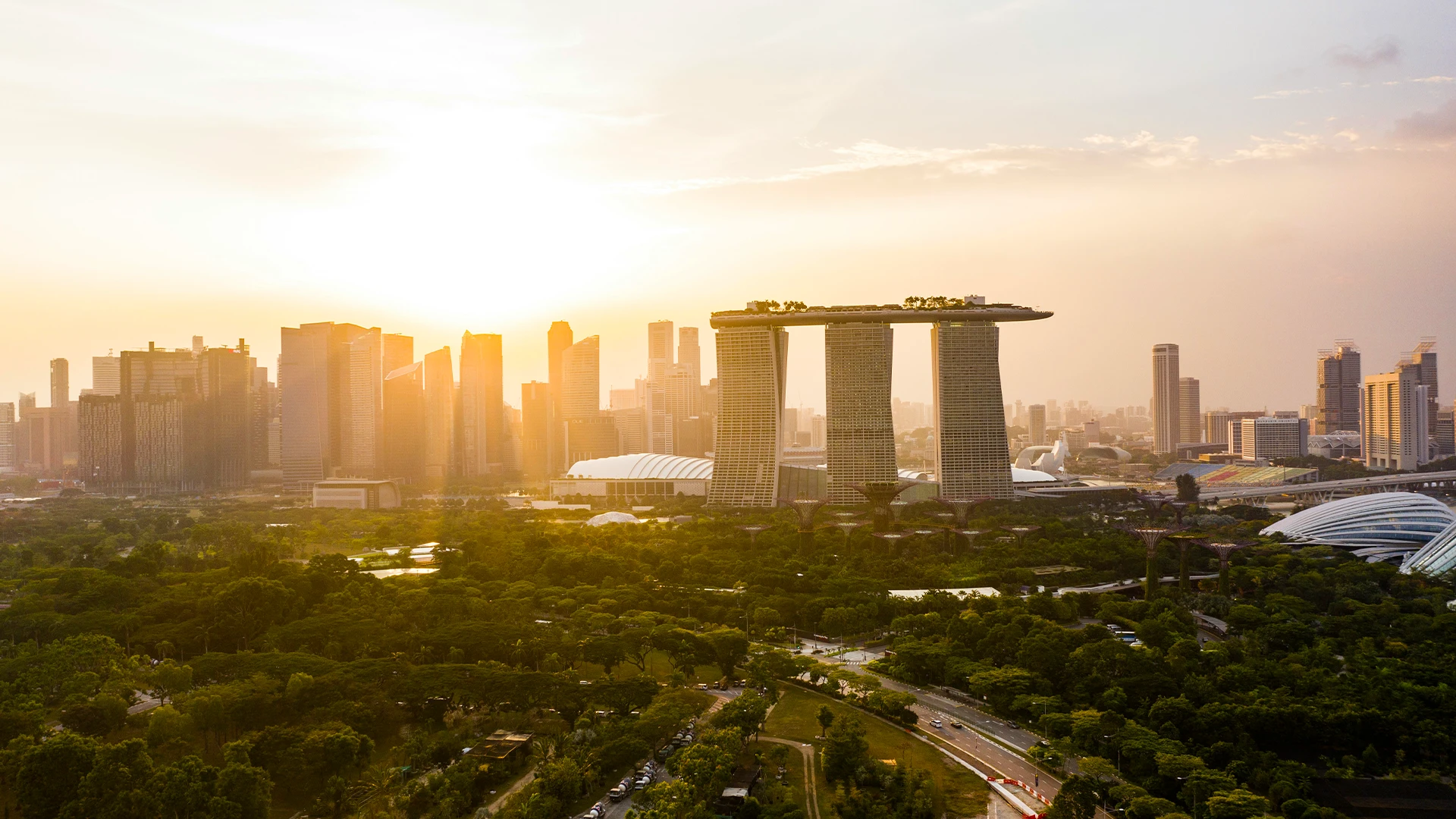
Singapore serves as a premier global financial, corporate, and wealth-management gateway, renowned for its AAA-rated economic stability, transparent regulatory frameworks, and exceptional international connectivity.
Positioned at the crossroads of major Asian trade corridors, the city-state consistently attracts global corporate headquarters, high-net-worth capital, and multinational talent.
Its strictly managed urban landscape and forward-looking planning initiatives ensure a highly disciplined, resilient real estate market characterised by structural scarcity and enduring asset capital protection.
Current Trends
Singapore has rebounded strongly as a preferred regional private wealth and corporate haven, driving robust direct investment volumes and yield compression across prime assets.
Extremely tight Grade A office supply, coupled with long-term Master Plan urban regeneration initiatives, underpins sustained capital value resilience.
Opportunities
Core investment avenues are concentrated in prime CBD office redevelopments, advanced manufacturing logistics, life sciences research facilities, and MICE-focused (meetings, incentives, conferences, and exhibitions) hospitality assets.
Challenges
Elevated operating and occupancy expenses are placing operational stress on non-core retail and food-and-beverage (F&B) tenants.
Furthermore, constrained near-term prime asset availability limits the active transaction pipeline for deploying institutional capital.
South Korea
(Magnific)
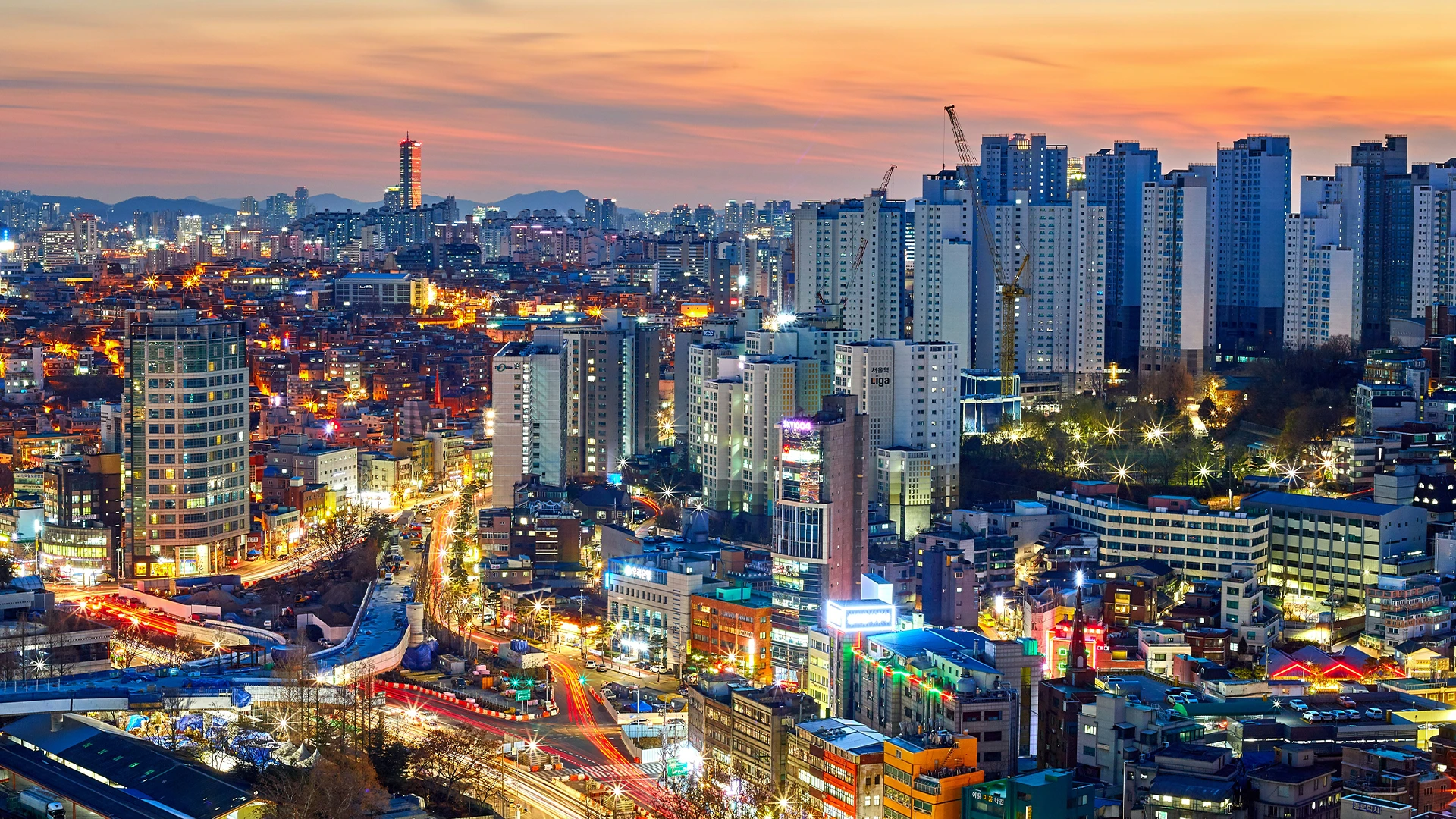
South Korea represents an advanced industrial, technological, and export powerhouse, driven by global leadership in semiconductors, digital innovation, and high-value manufacturing.
The country's economic activity is heavily concentrated within the Greater Seoul metropolitan area, creating an exceptionally dense, vibrant corporate ecosystem supported by strong domestic conglomerates and a highly skilled workforce.
These robust macroeconomic fundamentals underpin a highly liquid, mature commercial real estate market with deep domestic capital networks and strong occupier demand.
Current Trends
South Korea is witnessing sustained capital deployment and tight office vacancy across key Seoul business hubs, notably the Gangnam Business District (GBD) and Pangyo, driven by tech conglomerates, AI ventures, and professional services firms.
Concurrently, the global popularity of the Korean Wave is driving a strong recovery in hotel revenue per available room (RevPAR) and international visitor arrivals.
Opportunities
Investor interest centres on core Seoul CBD and GBD office towers, lifestyle hotel repositioning schemes, and dry logistics conversion projects capable of delivering secure cash flows.
Challenges
The market faces monetary friction from central bank hawkishness and Bank of Korea rate adjustments, alongside softening logistics yields, particularly within the oversupplied cold storage sector. Commercial tenant fit-out costs have also experienced a 10% year-on-year inflation spike.
Hong Kong

(Unsplash)
Hong Kong maintains an indispensable position as a leading international financial centre and the primary capital conduit connecting mainland China with global markets.
Benefiting from a free-market economy, a robust common law legal structure, a favourable tax framework, and a strategic location within the Greater Bay Area, the territory displays structural commercial endurance.
Its ultra-dense urban landscape and established capital infrastructure provide an enduring foundation for real estate liquidity and high-density commercial operations.
Current Trends
Direct commercial property investment in Hong Kong has surged year-on-year, propelled by returning mainland institutional capital, private family wealth, and insurance funds targeting core re-priced assets.
Central office vacancy is beginning to compress as corporate occupiers capitalise on lower rental baselines to secure prime space.
Opportunities
Attractive entry points are emerging in re-priced prime Central office space, high-street retail flagships, and luxury residential leasing.
Value-add strategies are actively pursuing hotel-to-student accommodation conversions to meet strong student housing demand.
Challenges
Capital value appreciation remains sluggish, contributing to yield expansion across non-prime assets.
Non-core retail rental softness and elevated operational overheads continue to weigh on broader market sentiment.
Q4 APAC Real Estate Outlook
Going forward, APAC’s commercial real estate landscape is poised for a transformative phase defined by structural adaptation, targeted capital deployment, and enhanced operational discipline.As global financial conditions stabilise and regional trade corridors adjust, institutional investors are increasingly shifting away from broad market beta in favour of income-driven strategies anchored by flight-to-quality dynamics and supply-constrained submarkets.
Strategic allocations will progressively centre on future-ready digital infrastructure, prime urban core assets, and specialised living formats that address long-term demographic and technological shifts.
While navigating localised policy divergence, elevated development outlays, and widening performance splits between prime and secondary stock, the region's unmatched macroeconomic momentum, deep liquidity pools, and accelerating institutional maturity reinforce its status as a vital engine of long-term global real estate growth.
► Join our APAC panel at the GRI Global Summit to shape the future of real estate
► View all of our upcoming GRI Institute events in the APAC region here
This material was adapted from our full Global Real Estate Outlook Q4 2026