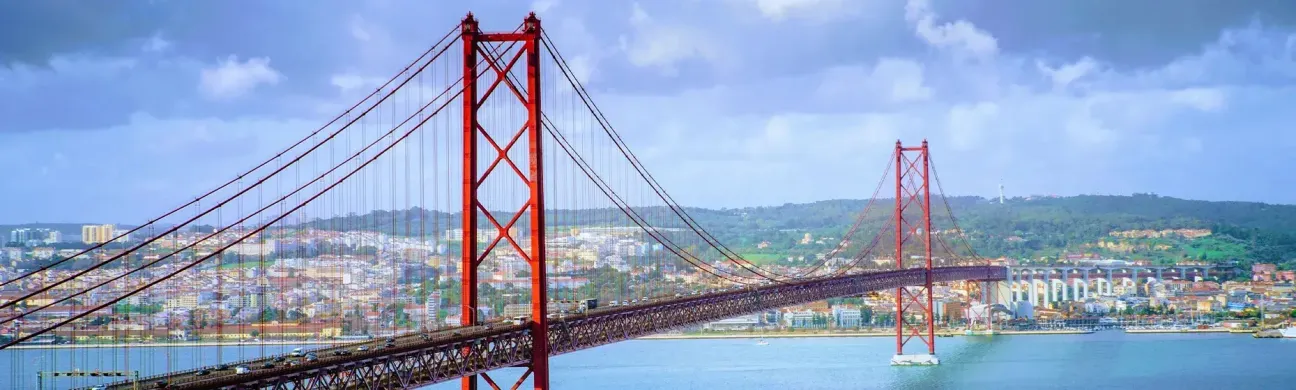
 Credit: Freepik
Why Portugal’s office market is defying the European slump
While vacancy rises in London and Paris, Lisbon’s office sector is seeing record rental growth and a surge in flexible workspace demand
January 14, 2026Real Estate
Written by:Helen Richards
Key Takeaways
- Unlike many other European capitals, Lisbon’s shortage of high-quality office space is driving prime rents, boosted by a strong, office-centric work culture.
- International investment remains cautious due to global perceptions of the sector, even though local absorption rates suggest the market is limited by supply rather than a lack of demand.
- The market is shifting toward "plug and play" flexible workspaces and new geographic hubs like Porto and the Lisbon waterfront.
Remarkably, against a backdrop of international uncertainty, the Portuguese office market is displaying impressive resilience, setting it apart from its continental neighbours.
At the recent GRI Institute Office Investments & Portfolios in Portugal roundtable, the consensus among senior real estate professionals was clear: while "trophy" districts in London or Paris may be struggling with high vacancy rates, Lisbon is facing a chronic shortage of high-quality supply.
The Portuguese market is currently defined by a sharp flight to quality, a radical shift in how multinational tenants view space, and a growing appetite for flexible solutions that challenge traditional leasing models.
Finding sufficiently large office space in Lisbon to serve as a headquarters for major companies or high-profile corporations is currently extremely challenging - nearing impossible - due to the sheer lack of properties available on the market.
This scarcity has pushed prime rents in the capital from EUR 20 per square metre to EUR 32 over the last decade. Even amid international volatility and rising interest rates, this pressure on rents remains undeniable evidence of the market's strength.
However, it is argued that this "fear" is largely imported. In markets like Canary Wharf or La Défense, desks are indeed empty. In Portugal, however, the culture remains office-centric.
The Portuguese workforce shows a notable preference for the office environment over working from home, suggesting that the country’s office absorption rates are, in fact, limited by the lack of available supply.
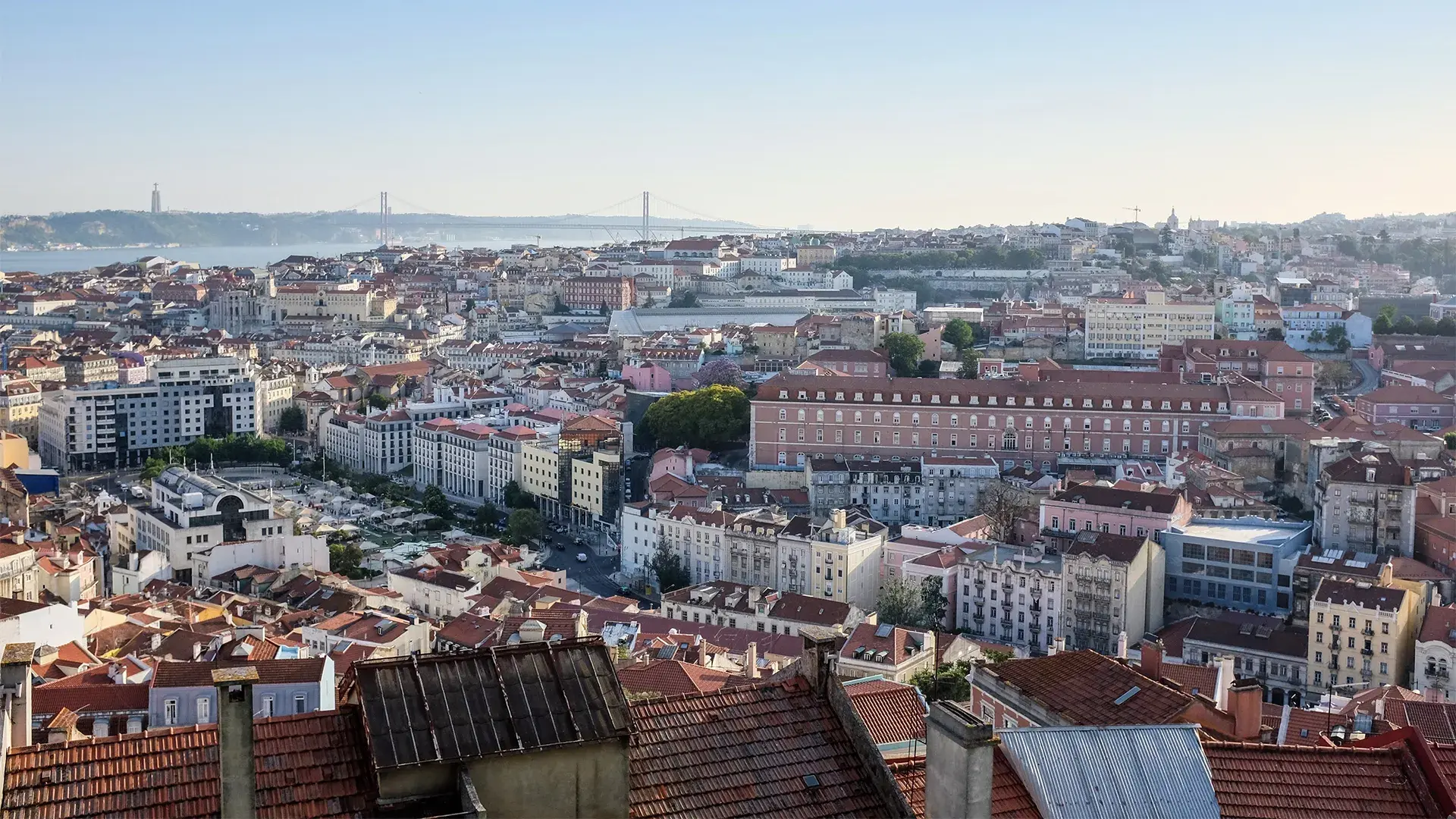 The geography of the Portuguese office market is expanding beyond the traditional "Golden Triangle" of Lisbon, Cascais, and Oeiras. (Credit: Freepik)
Instead, they are opting for "plug and play" solutions. This trend is not just for startups; even large multinationals are discovering the value of flexibility. This has led to high occupancy rates even in non-traditional locations, demonstrated by a flexible unit in Loulé, in the Algarve, reportedly achieving rents of EUR 70 per square metre, with 80% occupancy just months after opening.
The expectations of contemporary institutional investors have shifted significantly, with a now-mandatory focus on ESG certifications and premium building amenities. Industry experts suggest that high-quality office spaces will maintain their market appeal, provided they transcend the traditional concept of a workplace.
To remain competitive, a modern office must serve as a destination that fosters a sense of prestige and provides a comprehensive suite of high-end services, rather than simply offering a desk and chair.
At the recent GRI Institute Office Investments & Portfolios in Portugal roundtable, the consensus among senior real estate professionals was clear: while "trophy" districts in London or Paris may be struggling with high vacancy rates, Lisbon is facing a chronic shortage of high-quality supply.
The Portuguese market is currently defined by a sharp flight to quality, a radical shift in how multinational tenants view space, and a growing appetite for flexible solutions that challenge traditional leasing models.
A Market of Scarcity
The primary driver of Lisbon’s current climate is an enduring pressure on supply. Unlike other European capitals where hybrid work has left many buildings half-empty, Lisbon continues to see strong absorption.Finding sufficiently large office space in Lisbon to serve as a headquarters for major companies or high-profile corporations is currently extremely challenging - nearing impossible - due to the sheer lack of properties available on the market.
This scarcity has pushed prime rents in the capital from EUR 20 per square metre to EUR 32 over the last decade. Even amid international volatility and rising interest rates, this pressure on rents remains undeniable evidence of the market's strength.
The Institutional Paradox
While the occupational market is thriving, the investment side tells a more cautious story. International institutional investors, wary of the global narrative that "offices are dead," have seen yields shift significantly. Once below 4%, office yields in Portugal are now being pushed above 6% to reflect perceived risks.However, it is argued that this "fear" is largely imported. In markets like Canary Wharf or La Défense, desks are indeed empty. In Portugal, however, the culture remains office-centric.
The Portuguese workforce shows a notable preference for the office environment over working from home, suggesting that the country’s office absorption rates are, in fact, limited by the lack of available supply.
The geography of the Portuguese office market is expanding beyond the traditional "Golden Triangle" of Lisbon, Cascais, and Oeiras. (Credit: Freepik)The "Flex" Revolution
A significant shift unfolding in Portugal’s office market is the rise of flexible and managed workspaces. With construction costs reaching unprecedented levels and capital being increasingly expensive, companies are moving away from the heavy initial investment of traditional fit-outs.Instead, they are opting for "plug and play" solutions. This trend is not just for startups; even large multinationals are discovering the value of flexibility. This has led to high occupancy rates even in non-traditional locations, demonstrated by a flexible unit in Loulé, in the Algarve, reportedly achieving rents of EUR 70 per square metre, with 80% occupancy just months after opening.
New Centralities
The geography of the Portuguese office market is also expanding beyond the traditional "Golden Triangle" of Lisbon, Cascais, and Oeiras.Porto
Historically a market with limited office stock, Porto has transformed into a tech and call centre hub. The market there grows in parallel with the metro line, with modern offices often emerging from the rehabilitation of old factories.Margem Sul
There is massive untapped potential along the Tagus, in Lisbon's South Bank. The primary obstacle to establishing a presence in the area is a total lack of dedicated office infrastructure. Despite this shortage, it is believed that introducing high-quality commercial projects in regions such as Almada could prove exceptionally lucrative.Lisbon Waterfront
The axis between Cais do Sodré and Alcântara is now rivalling the traditional Central Business District (CBD), driven by its lifestyle appeal and the arrival of giants like EDP and EY.Value-Add Opportunities
For investors with the necessary resilience, the restoration of aging building stock continues to be a compelling strategy for value creation. Although navigating the Portuguese licensing landscape remains a significant hurdle - often characterised as an uphill battle against bureaucratic friction - rehabilitation is widely considered a more efficient and environmentally responsible alternative to new, ground-up developments.The expectations of contemporary institutional investors have shifted significantly, with a now-mandatory focus on ESG certifications and premium building amenities. Industry experts suggest that high-quality office spaces will maintain their market appeal, provided they transcend the traditional concept of a workplace.
To remain competitive, a modern office must serve as a destination that fosters a sense of prestige and provides a comprehensive suite of high-end services, rather than simply offering a desk and chair.
These insights were shared during GRI Institute’s Offices Investments & Portfolios in Portugal roundtable, with participation from Sofia Ferreira de Almeida (Nhood), Jorge Valdeira (IWG), and Pedro Seabra (Refundos Explorer).