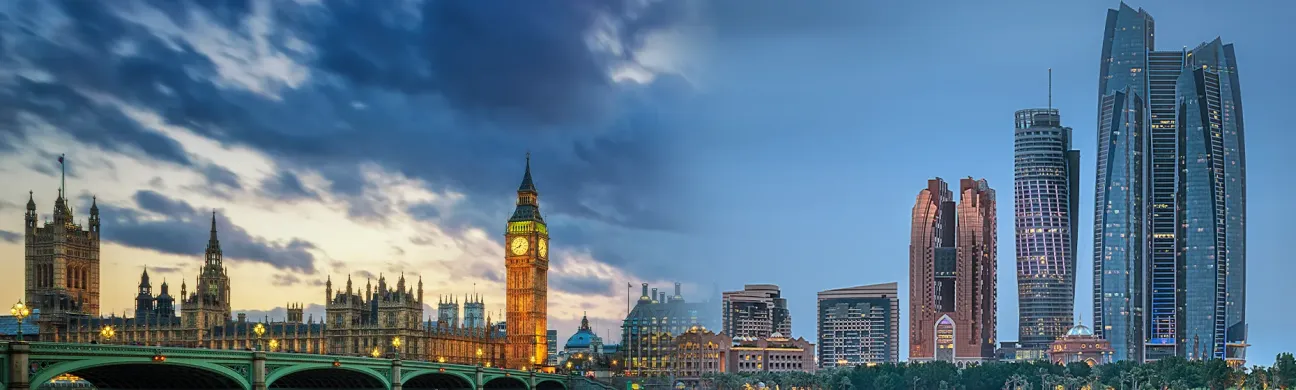
 Credit: Adobe Stock & Freepik
The Great Wealth Exodus: Why the UK's elite are fleeing to the UAE and beyond
UK tax reform impact drives the appeal of Abu Dhabi and Dubai as the top new financial powerhouses for the ultra-wealthy
January 12, 2026Real Estate
Written by:Rory Hickman
Key Takeaways
- The UK's recent tax reforms are driving wealthy individuals and family offices to relocate to tax-friendly regions like the UAE.
- The UAE, particularly Dubai and Abu Dhabi, is becoming an increasingly dominant global financial hub due to its tax regimes and business opportunities.
- The shift in wealth migration is reshaping global investment strategies, with the ultra-wealthy increasingly focusing on long-term tax optimisation.
The changing landscape of global wealth
The global wealth landscape is undergoing a significant transformation as an increasing number of high-net-worth individuals (HNWIs) and family offices are choosing to relocate away from the UK.This mass exodus is primarily driven by recent tax reforms in the country, particularly the end of the non-domiciled (non-dom) tax regime and the imposition of higher taxes on inheritance, capital gains, and wealth.
The UK, once a haven for the ultra-wealthy, is seeing its position as a global financial hub increasingly challenged by more tax-friendly jurisdictions.
Among the key beneficiaries of this migration are cities in the UAE, especially Dubai and Abu Dhabi, which have rapidly emerged as attractive alternatives for those seeking favourable tax regimes and a high-quality lifestyle.

Once a haven for the ultra-wealthy, the UK is seeing its position as a global financial hub increasingly challenged by more tax-friendly jurisdictions. (Credit: Adobe Stock)
Tax reforms and the exodus of wealth
The UK’s recent tax reforms, including the abolition of the non-dom status and the introduction of a “settling-up charge” for individuals leaving the country, have had a profound impact on the ultra-wealthy.The non-dom status, which allowed foreign residents to avoid UK taxes on foreign income, was a significant draw for international business leaders and investors. With its abolition in April 2025, many wealthy individuals and family offices have been forced to reassess their residency and investment decisions.
The introduction of a 20% exit tax on unrealised gains when individuals become non-resident is another key driver of wealth migration. This “settling-up charge” has become a burden for many business owners and investors, particularly entrepreneurs who have built their wealth on long-term capital appreciation.
In response to these tax changes, a growing number of billionaires and family offices are seeking to relocate to jurisdictions where tax regimes are more favourable.
High-profile figures such as shipping magnate John Fredriksen have voiced their dissatisfaction with the UK, even labelling it as having “gone to hell.” Fredriksen, who moved his business operations and family base to the UAE, reflects the broader discontent among the ultra-wealthy over the UK's changing tax landscape.
The UAE: A beacon for global wealth
As the UK becomes less attractive for the ultra-wealthy, the UAE, with its tax-free environment, is emerging as a key destination for wealth migration.Cities like Dubai and Abu Dhabi offer a tax regime that includes zero income tax, inheritance tax, and capital gains tax - factors that are particularly attractive to high-net-worth individuals and family offices looking to preserve their wealth.
Dubai’s allure is particularly strong, with its combination of financial advantages, world-class infrastructure, and a lifestyle that caters to the rich and powerful. The UAE’s corporate tax regime, starting at just 9%, is another reason why businesses are flocking to the region.
Furthermore, the ability to own businesses 100% as a foreigner in the UAE’s free zones makes it an ideal place for investors to restructure their operations and optimise their wealth management strategies.
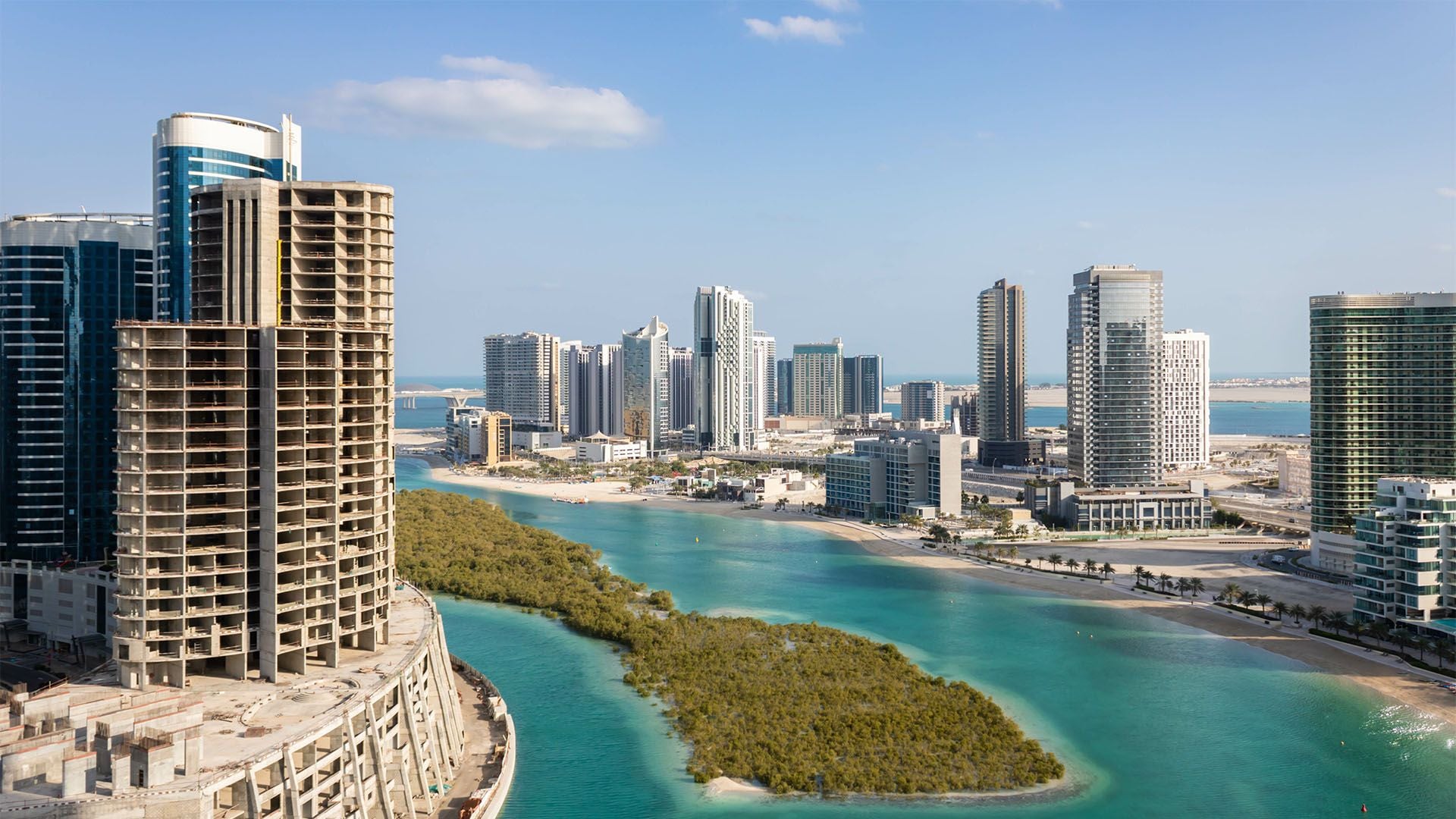
With its strategic time zone, pro-business regulation, and adherence to the UK rule of law, Abu Dhabi is an appealing base for asset managers, hedge funds, and banks. (Credit: Adobe Stock)
Abu Dhabi: A growing financial centre
Abu Dhabi has also positioned itself as a financial hub in the Middle East. The city’s growing prominence as a financial centre is reflected in the expansion of firms like Brevan Howard, which opened an office in Abu Dhabi in 2023.The firm now manages a substantial portion of its assets in the emirate, employing hundreds of people. Abu Dhabi’s strategic time zone, pro-business regulation, and adherence to the UK rule of law make it an appealing base for asset managers, hedge funds, and banks.
A key player in this growth is the Abu Dhabi Global Market (ADGM), the city’s international financial centre. ADGM has rapidly expanded, attracting a wide range of financial institutions, including asset managers, banks, and law firms.
Its regulatory framework, based on international best practices, has provided businesses with a stable and attractive environment. The financial centre's growth is further bolstered by its status as a hub for both private wealth and institutional investors.
The city’s rapid growth in the financial sector is supported by its sovereign wealth fund, which, with assets worth over USD 1 trillion, is a powerful force in global finance.
As more financial services firms establish a presence in Abu Dhabi, the city is benefiting from a “flywheel effect,” with increasing numbers of service providers supporting the growing financial ecosystem.
The appeal of emerging markets in Europe
While the UAE is a primary destination for many wealthy individuals, it is not the only one. Other regions are also benefiting from this shift, particularly in Southern Europe and Switzerland.These countries offer favourable tax regimes, appealing residency programs, and stable political climates, making them attractive to the ultra-wealthy looking to diversify their wealth portfolios and relocate their operations.
Switzerland, with its robust financial services sector and stable economy, continues to attract HNWIs seeking to preserve their wealth. Monaco, with its no-tax policy on personal income and capital gains, remains a popular destination for those seeking privacy and financial flexibility.
Italy and Portugal have also gained popularity as destinations for wealthy individuals looking for favourable tax incentives. Both countries offer attractive residency programs that allow wealthy individuals to benefit from lower taxes on foreign income and capital gains.
The combination of a Mediterranean lifestyle and favourable tax conditions makes these countries increasingly appealing to global investors.

Switzerland's robust financial services sector and stable economy continues to attract HNWIs seeking to preserve their wealth. (Credit: Envato)
Strategic relocations and future prospects
The decisions made by the ultra-wealthy to relocate are not just about avoiding high taxes; they are also about long-term strategic planning.Family offices, once primarily focused on asset preservation, are increasingly looking at tax structures, succession planning, and international diversification as part of their relocation strategies.
As part of this shift, many wealthy individuals are re-domiciling their businesses and re-engineering trust structures to mitigate tax exposure. They are also expanding their citizenship portfolios through investment migration, seeking opportunities that offer both financial benefits and access to growing markets.
In addition to seeking favourable tax jurisdictions, wealthy individuals and family offices are also increasingly looking to invest in emerging markets.
As geopolitical risks rise, many are focusing on sectors like defense, technology, and infrastructure as part of their investment strategies. This is further driving wealth migration to tax-friendly regions that also offer access to high-growth opportunities.
Impact on the UK and the global economy
The exodus of wealth from the UK is not without consequences. As high-net-worth individuals and family offices relocate, the UK risks losing significant tax revenue and economic activity.Family offices have long played an important role in the UK’s investment landscape, particularly in funding startups and high-growth sectors. The relocation of these entities could have a ripple effect on the country’s economy, particularly its financial and tech sectors.
In response, the UK government is exploring measures to reverse this trend, including potential tax incentives and reforms aimed at attracting global wealth back. However, it remains to be seen whether these efforts will be enough to stem the tide of migration.
The future of global wealth
The shift in global wealth is reshaping the landscape of financial power and economic influence. As the UK’s tax reforms drive wealth to jurisdictions like the UAE and other emerging markets are increasingly becoming the epicentres of global finance.The ultra-wealthy are no longer simply responding to tax policies - they are making strategic, long-term decisions that will define the next era of global investment.
As the global wealth migration continues to unfold, it is clear that the future of wealth management, investment, and business operations will be centred in jurisdictions that offer stability, tax efficiency, and access to growing markets.
The UAE, with its favourable tax policies, strategic location, and business-friendly environment, is emerging as a key player in this global shift, and there’s nowhere better to find out more than at the upcoming GRI GCC-India Week 2026 (3-5 February) and GRI Global Capital Connectors 2026 (14-15 April), where senior leaders and investors will gather in Abu Dhabi to explore the future of real estate and capital flows.