 Adobe Stock
The Infrastructure Boom Redefining Indian Residential Real Estate
Tata Projects' Vinayak Pai on how infrastructure is redefining location and why the gig economy poses a critical challenge to construction
Executive Summary
Key Takeaways
- Infrastructure development has overtaken proximity to city centres as the critical factor for residential investment decisions.
- The construction sector is grappling with a severe resource shortage as the gig economy offers alternative livelihoods to the manual workforce.
- Pollution and saturation in Tier 1 cities are driving high-value developments toward Tier 2 ecosystems including Pune and Nagpur.
The Infrastructure Catalyst
For decades, the value of residential real estate in India was dictated by simple proximity to a railway station or an established city centre, but that dynamic has fundamentally shifted.In an exclusive interview with Rodrigo Branchini, Partner & Managing Director at the GRI Institute, Vinayak Pai outlined how infrastructure development has become the primary driver for locating residential bases, a sentiment supported by the fact that India is currently investing approximately 8-9% of its GDP into the sector - one of the highest rates globally.
This investment is transforming the landscape at a staggering pace, evidenced by the number of operational airports doubling from 75 to 150 in just seven years and cities adding roughly 100km of metro lines annually.
This rapid connectivity is doing more than just improving travel times; it is unlocking entirely new residential markets by creating smart corridors that seamlessly link previously disparate regions.

Beyond the Metros
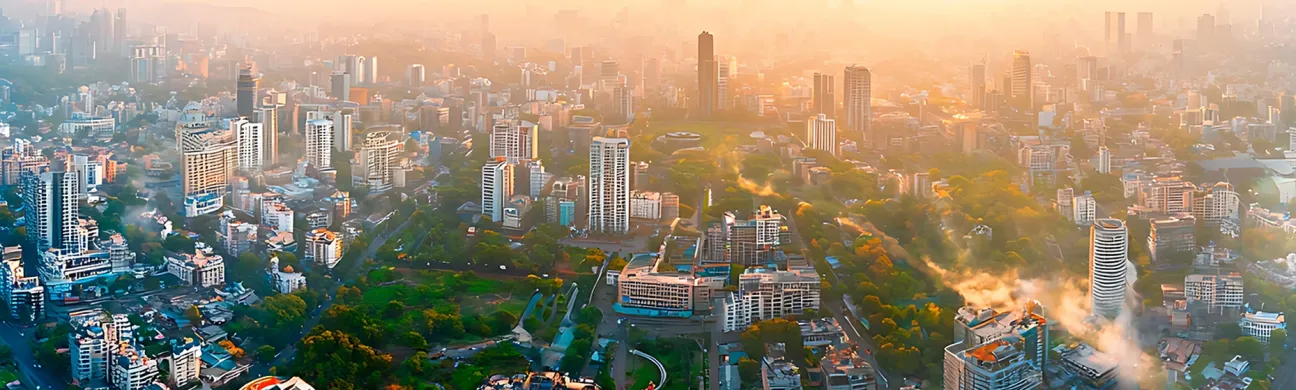
The pressure on India's Tier 1 cities has become a decisive factor in market movement, as high pollution levels and severe space constraints in major hubs like Delhi and Mumbai alter buyer preferences.
The aspiration of the average homebuyer has evolved from seeking a mere place to rest into demanding a complete ecosystem that supports the social and professional complexities of a hybrid lifestyle.
Consequently, the focus is shifting toward Tier 2 cities such as Pune and Nagpur, which are emerging as robust alternatives by offering deep talent pools and educational institutions without the saturation found in capital cities.
Connectivity is effectively blurring the lines between these tiers; once upcoming infrastructure links are completed, travel time between Mumbai and Pune could equal the time taken to traverse Mumbai itself, effectively merging them into a single, expansive economic ecosystem.
The Gig Economy Challenge
While the opportunity is vast, the execution faces a unique hurdle because the resources required to execute these projects have depleted even as the scale of construction has exploded.
The primary challenge lies in the labour market, where the rise of the gig economy and e-commerce sectors has siphoned off workers who previously manned construction sites.
As potential workers increasingly opt for roles in warehousing and transportation, the industry is left with a shrinking workforce just as demand peaks.
To bridge this gap, the industry must pivot toward smarter construction methods, relying more heavily on pre-fabricated materials, off-site construction, and advanced technology to sustain the pace of development despite the persistent labour shortfall.
Sustainability as a Business Imperative
Although sustainability is often viewed as a future cost, it is fast becoming an immediate business necessity because the environmental degradation in top-tier cities is actively driving talent and investment away.
Corporations are responding with firm targets, such as Tata Projects' commitment to net zero by 2045, which requires granular changes at the site level including the use of alternative fuels and sustainable construction materials to mitigate the carbon footprint of India's massive build-out.