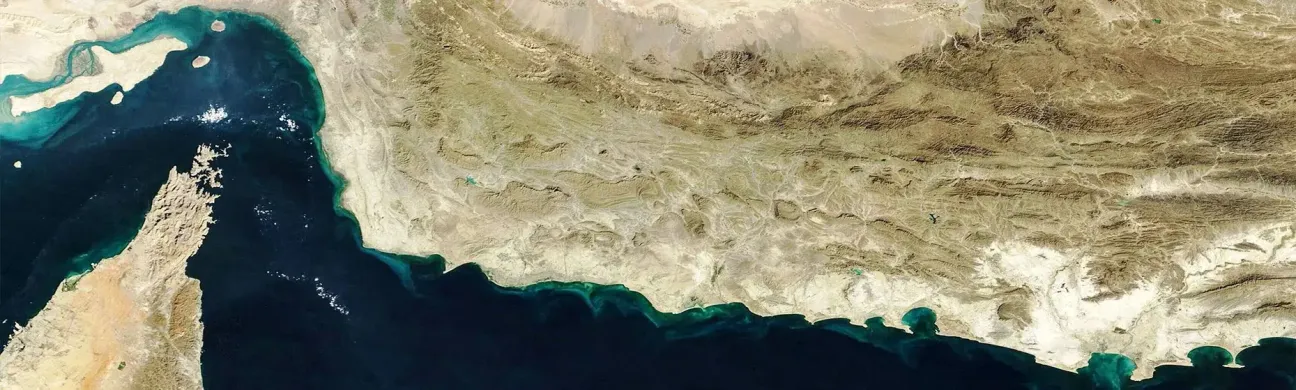
 NASA
NASAThe Hormuz crisis won't kill Indian real estate; it might accelerate it
The current market disruption is setting the stage for a stronger, more resilient sector in the region
March 31, 2026Real Estate
Written by:Rodrigo Branchini
Key Takeaways
- While construction costs and shipping disruptions are rising, the crisis is creating opportunities for institutional investors and developers who can look beyond the short-term.
- Developers with near-completion projects benefit from rising replacement costs, and NRIs, with increased purchasing power, are entering the market at favourable terms.
- Despite challenges, investment from the GCC (Gulf Cooperation Council) is deepening, and long-term investors stand to benefit from market disruptions that create favourable entry points.
Everyone is talking about how the Strait of Hormuz blockade will make your Mumbai flat more expensive.
Steel up 20%. Shipping costs up INR 3.5 lakh per container. Construction timelines blown. Developers already signaling 5%+ price hikes.
All true. But that is only half the story. The other half is this: geopolitical shocks do not destroy real estate markets. They reorganize them.
And what is happening right now in India is a reorganization that benefits institutional players willing to look past the next 90 days.
Brent crude hit $126 per barrel earlier this month. Ships carrying construction materials to India are now rerouting around the Cape of Good Hope, adding 6,000 to 10,000 nautical miles and 10 to 20 days per voyage.
Steel prices jumped to INR 72,000 per tonne, adding roughly INR 50 per square foot to high rise construction in Mumbai.
Indian cement producers face the sharpest supply risk globally because of their dependence on Gulf petcoke imports. South Mumbai, BKC, Worli, Lower Parel. These luxury corridors will feel the blow first.
However, zoom out from the construction cost shock and look at what else is happening simultaneously.
Institutional capital flows into Indian real estate hit a historic peak in 2025 at USD 14.3 billion, up 25% year on year. GCC investors now represent approximately USD 11 billion of the institutional pool in India, with growing appetite for private capital structures and joint ventures.
India's REIT market is expanding, with at least four new listings expected. The RBI cut the repo rate to 5.25% in February, making over INR 50 lakh crore of floating rate loans eligible for repricing.
The demand side is not weakening. It is restructuring.
First, the supply squeeze benefits existing holders. If construction timelines get pushed by 3 to 6 months and new project launches slow down, existing inventory becomes more valuable.
Developers with projects already in advanced stages or near completion are sitting on assets whose replacement cost just increased by 5% to 8%. That is not a crisis for them. That is a pricing tailwind.
Look at what is actually happening on the ground. Lodha Developers committed INR 1.3 lakh crore to develop a 2.5 GW data centre park near Mumbai. Trident Realty launched a INR 1,200 crore integrated township in Panipat.
Omaxe Group is selling out new inventory shortly after launch. Blackstone acquired an industrial portfolio from Logos Property. Cushman & Wakefield and Nuvama Group are actively acquiring office assets.
These are not players running from the market. They are buying into it.
Second, the NRI capital window is widening. With the Indian Rupee above INR 90 against the dollar, NRIs earning in USD, GBP, EUR, or AED have significantly higher purchasing power when investing in Indian real estate.
That currency dynamic, combined with the crisis narrative driving price expectations lower among domestic buyers, creates an asymmetry. International capital can enter at better terms precisely because local sentiment is cautious.
Third, the GCC to India corridor is not breaking. It is deepening. This is the most counterintuitive point.
The Hormuz blockade is certainly disrupting physical shipping routes. But the capital route between the GCC and India is moving in the opposite direction.
GCC sovereign funds, family offices, and investment managers have been increasing their India real estate allocations consistently. ADIA continues deploying into Indian infrastructure. GIC recently exited a major retail position in Mumbai. Mubadala Petroleum just acquired a stake in the East Mediterranean gas field.
These institutions are rebalancing portfolios, and India remains a core allocation, not a trade.
What the Hormuz crisis actually does is accelerate a trend that was already in motion: the shift from physical trade dependency to financial capital integration between the GCC and India.
Three segments stand to gain the most.
Developers with near completion inventory or land banks in prime corridors. Their cost basis is locked in at pre-crisis input prices, while their selling prices will reflect the new replacement cost reality.
Private credit providers and alternative capital platforms. Traditional bank financing is pulling back from real estate lending across Asia. That gap is being filled by private credit, JV equity, and sovereign-linked platforms.
The Hormuz crisis amplifies the urgency. Developers need capital now to complete projects before costs escalate further. That gives capital providers leverage.
And institutional investors with a 3 to 5 year horizon. India's real estate market is projected to attract over USD 7.5 billion in institutional investment in 2026 alone. The crisis might slow deal velocity in the short term, but it compresses entry valuations for patient capital.
Disruption plus strong fundamentals is exactly the setup that generates outperformance for institutional portfolios.
But the narrative that Indian real estate is suddenly at risk misses the bigger picture. Institutional capital is not retreating.
The GCC to India corridor is deepening, not weakening. Supply constraints benefit existing holders. And the currency dynamic is creating an entry window for international capital.
Every crisis reorganizes markets. The players who understand this are not waiting for the storm to pass. They are positioning now.
The question is not whether Hormuz will make your flat more expensive. It will. The question is whether you are on the right side of that price increase.
Steel up 20%. Shipping costs up INR 3.5 lakh per container. Construction timelines blown. Developers already signaling 5%+ price hikes.
All true. But that is only half the story. The other half is this: geopolitical shocks do not destroy real estate markets. They reorganize them.
And what is happening right now in India is a reorganization that benefits institutional players willing to look past the next 90 days.
The panic is real, but the fundamentals are stronger
Let me start with what everyone already knows.Brent crude hit $126 per barrel earlier this month. Ships carrying construction materials to India are now rerouting around the Cape of Good Hope, adding 6,000 to 10,000 nautical miles and 10 to 20 days per voyage.
Steel prices jumped to INR 72,000 per tonne, adding roughly INR 50 per square foot to high rise construction in Mumbai.
Indian cement producers face the sharpest supply risk globally because of their dependence on Gulf petcoke imports. South Mumbai, BKC, Worli, Lower Parel. These luxury corridors will feel the blow first.
However, zoom out from the construction cost shock and look at what else is happening simultaneously.
Institutional capital flows into Indian real estate hit a historic peak in 2025 at USD 14.3 billion, up 25% year on year. GCC investors now represent approximately USD 11 billion of the institutional pool in India, with growing appetite for private capital structures and joint ventures.
India's REIT market is expanding, with at least four new listings expected. The RBI cut the repo rate to 5.25% in February, making over INR 50 lakh crore of floating rate loans eligible for repricing.
The demand side is not weakening. It is restructuring.
What the market is missing
Three things are happening beneath the headline that most commentators are not connecting.First, the supply squeeze benefits existing holders. If construction timelines get pushed by 3 to 6 months and new project launches slow down, existing inventory becomes more valuable.
Developers with projects already in advanced stages or near completion are sitting on assets whose replacement cost just increased by 5% to 8%. That is not a crisis for them. That is a pricing tailwind.
Look at what is actually happening on the ground. Lodha Developers committed INR 1.3 lakh crore to develop a 2.5 GW data centre park near Mumbai. Trident Realty launched a INR 1,200 crore integrated township in Panipat.
Omaxe Group is selling out new inventory shortly after launch. Blackstone acquired an industrial portfolio from Logos Property. Cushman & Wakefield and Nuvama Group are actively acquiring office assets.
These are not players running from the market. They are buying into it.
Second, the NRI capital window is widening. With the Indian Rupee above INR 90 against the dollar, NRIs earning in USD, GBP, EUR, or AED have significantly higher purchasing power when investing in Indian real estate.
That currency dynamic, combined with the crisis narrative driving price expectations lower among domestic buyers, creates an asymmetry. International capital can enter at better terms precisely because local sentiment is cautious.
Third, the GCC to India corridor is not breaking. It is deepening. This is the most counterintuitive point.
The Hormuz blockade is certainly disrupting physical shipping routes. But the capital route between the GCC and India is moving in the opposite direction.
GCC sovereign funds, family offices, and investment managers have been increasing their India real estate allocations consistently. ADIA continues deploying into Indian infrastructure. GIC recently exited a major retail position in Mumbai. Mubadala Petroleum just acquired a stake in the East Mediterranean gas field.
These institutions are rebalancing portfolios, and India remains a core allocation, not a trade.
What the Hormuz crisis actually does is accelerate a trend that was already in motion: the shift from physical trade dependency to financial capital integration between the GCC and India.
Where the real opportunity is
The real opportunity is not about whether construction costs will rise. They will. The question is who absorbs those costs and who benefits from them.Three segments stand to gain the most.
Developers with near completion inventory or land banks in prime corridors. Their cost basis is locked in at pre-crisis input prices, while their selling prices will reflect the new replacement cost reality.
Private credit providers and alternative capital platforms. Traditional bank financing is pulling back from real estate lending across Asia. That gap is being filled by private credit, JV equity, and sovereign-linked platforms.
The Hormuz crisis amplifies the urgency. Developers need capital now to complete projects before costs escalate further. That gives capital providers leverage.
And institutional investors with a 3 to 5 year horizon. India's real estate market is projected to attract over USD 7.5 billion in institutional investment in 2026 alone. The crisis might slow deal velocity in the short term, but it compresses entry valuations for patient capital.
Disruption plus strong fundamentals is exactly the setup that generates outperformance for institutional portfolios.
The bottom line
The Hormuz crisis is real. The construction cost impact is real. The shipping disruptions will take 1 to 3 months to normalize even after the strait reopens.But the narrative that Indian real estate is suddenly at risk misses the bigger picture. Institutional capital is not retreating.
The GCC to India corridor is deepening, not weakening. Supply constraints benefit existing holders. And the currency dynamic is creating an entry window for international capital.
Every crisis reorganizes markets. The players who understand this are not waiting for the storm to pass. They are positioning now.
The question is not whether Hormuz will make your flat more expensive. It will. The question is whether you are on the right side of that price increase.