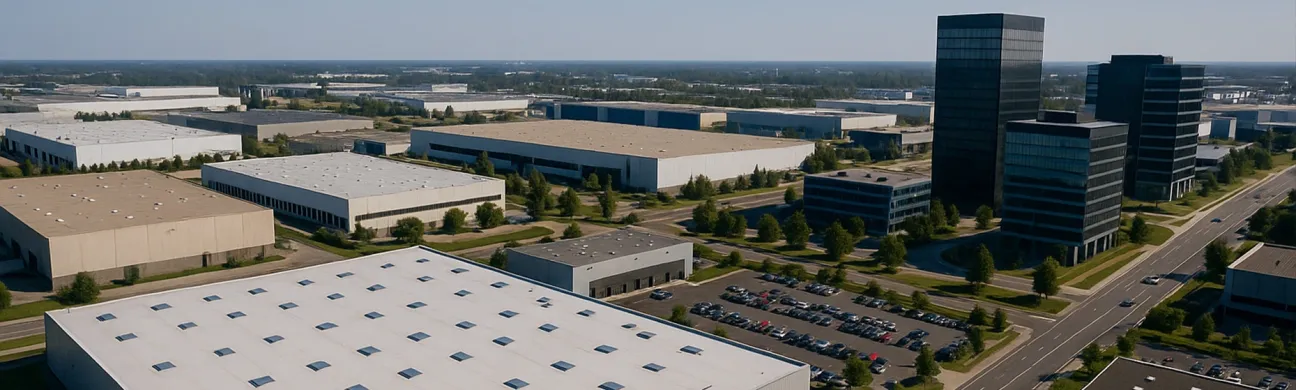
 Credit: OpenAI DALL·E
Powerhouse Proptech Partnership: CEO insights on the SINGU & Micad merger
Pawel Malon, SINGU & Micad Group CEO on brand alignment, digital adoption, and the future of tech in exclusive new GRI interview
August 19, 2025Real Estate
Written by:Rory Hickman
Europe’s commercial real estate sector is undergoing a structural shift, with a wave of consolidation that includes complementary technologies joining forces to meet the rising demand for efficiency in operational assets and accurate ESG data, driven by continuous developments in regulations and sustainability reporting requirements.
The recent merger of SINGU and Micad, backed by K1 Investment Management, reflects this evolution, combining the two companies’ respective strengths - covering facility management, maintenance, ESG reporting, and space and asset management - into one integrated platform.
At the GRI Institute, we see first-hand how such partnerships emerge from meaningful connections between industry leaders - the same kind of dialogue that underpins our conversation with Pawel Malon, Group CEO of SINGU & Micad, about the future of proptechs and the digital transformation in European real estate.
Hi Pawel, thanks for your time - could you please start by giving us an overview of SINGU and your professional background?
I am Pawel Malon, Group CEO of SINGU & Micad, a market-leading SaaS platform for building operations management. Our technology enables efficient operations for over 250 million square metres of property across 35 countries.
My career began as an engineer, followed by a few roles in finance. These experiences gave me deep exposure to digital transformation and business growth across industries.
Today, I leverage that background to lead strategic growth across our group companies, working closely with our clients, employees, and partners to ensure we remain ahead of market trends and deliver measurable value.
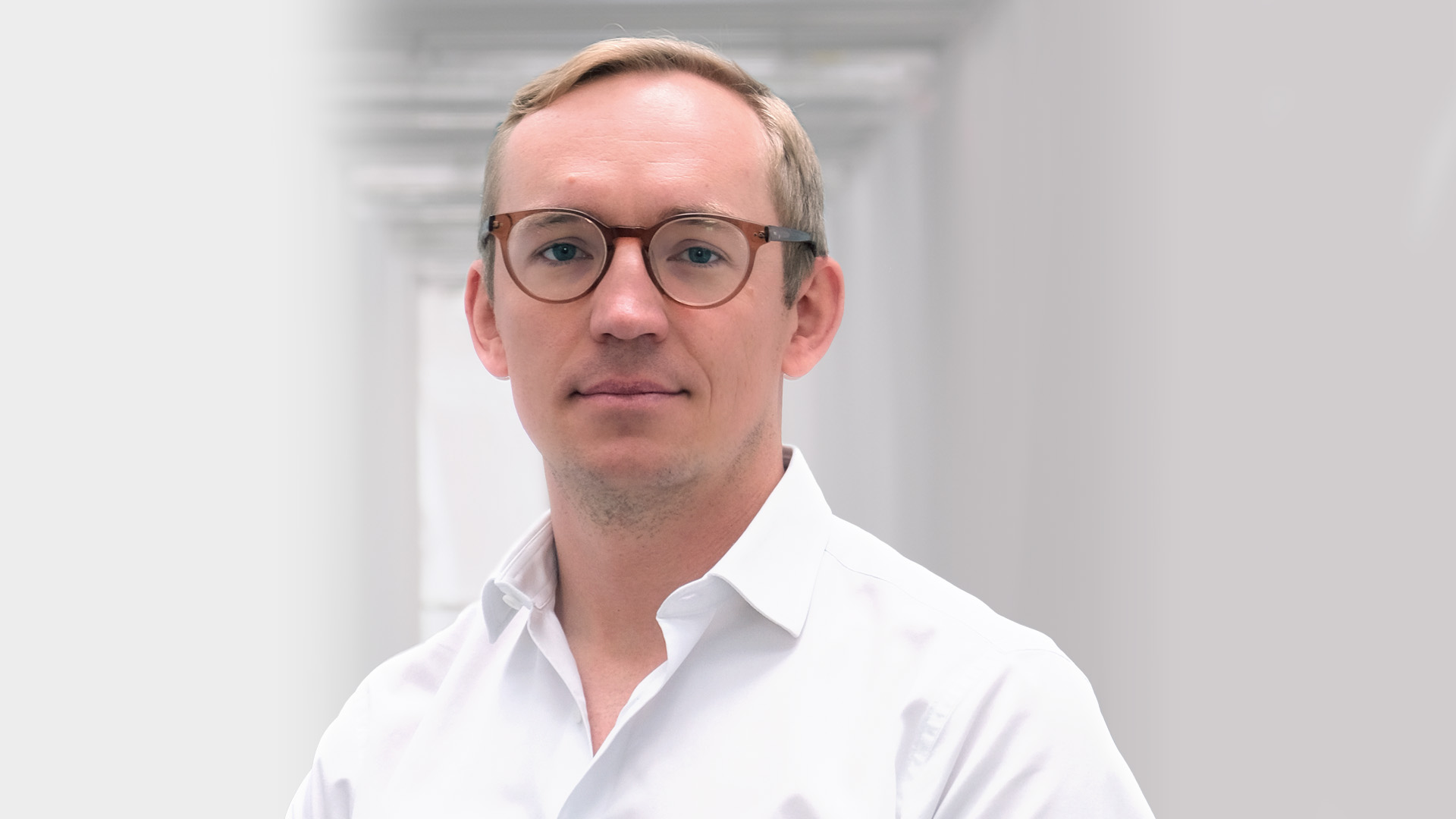
SINGU recently underwent a significant merger with Micad, backed by K1 Investment Management - what can you tell us about the lead-up to this development and what does it mean for the future of the newly merged company?
The merger with Micad was a strategic move to create a European category leader in building operations and facility management technology. Both companies had complementary strengths, SINGU in operational management, maintenance, and ESG, and Micad in space and asset management.
K1 Investment Management’s backing provided the scale, resources, and expertise to unite these strengths and accelerate innovation.
This combination expands our capability to deliver a complete, integrated platform to customers across sectors, helping them streamline operations, reduce risk, and meet ESG goals on a global scale.
With this merger, how do you approach the challenge of aligning the two brands while still ensuring that SINGU’s core values and mission resonate with existing clients, particularly in the competitive European proptech landscape?
We are approaching brand alignment with a clear principle, leverage the best of both while staying true to what made each successful.
For SINGU, this means continuing to focus on client-centricity, operational efficiency, and delivering measurable ROI for property owners and operators.
As a leading platform in our market, we can now extend our offering through Micad and vice versa. This enables us to deliver greater value and offer a more complete management of building operations.
In the announcement of the merger, you said that there is an “increasing need to digitise property management” - what do you see driving this demand, and how is SINGU positioning itself to meet the scale of change required?
Real estate has historically lagged behind other sectors in digital adoption. Many processes remain manual or dependent on spreadsheets. The push to digitise comes from six main factors:
Your combined platform now operates across 35 countries - which of these markets are experiencing the biggest challenges, and where do you see the most attractive opportunities on the horizon?
The most acute challenges are in markets where regulation and compliance are advancing rapidly, Western Europe in particular. These regions require fast adaptation to stringent reporting standards and sustainability mandates.
Opportunities are especially strong in logistics, retail, education, healthcare and mixed-use developments across CEE and DACH regions, where adoption rates are rising quickly and owners are looking for scalable, multi-site solutions to protect their revenue, drive operational efficiency, and ultimately drive NOI.
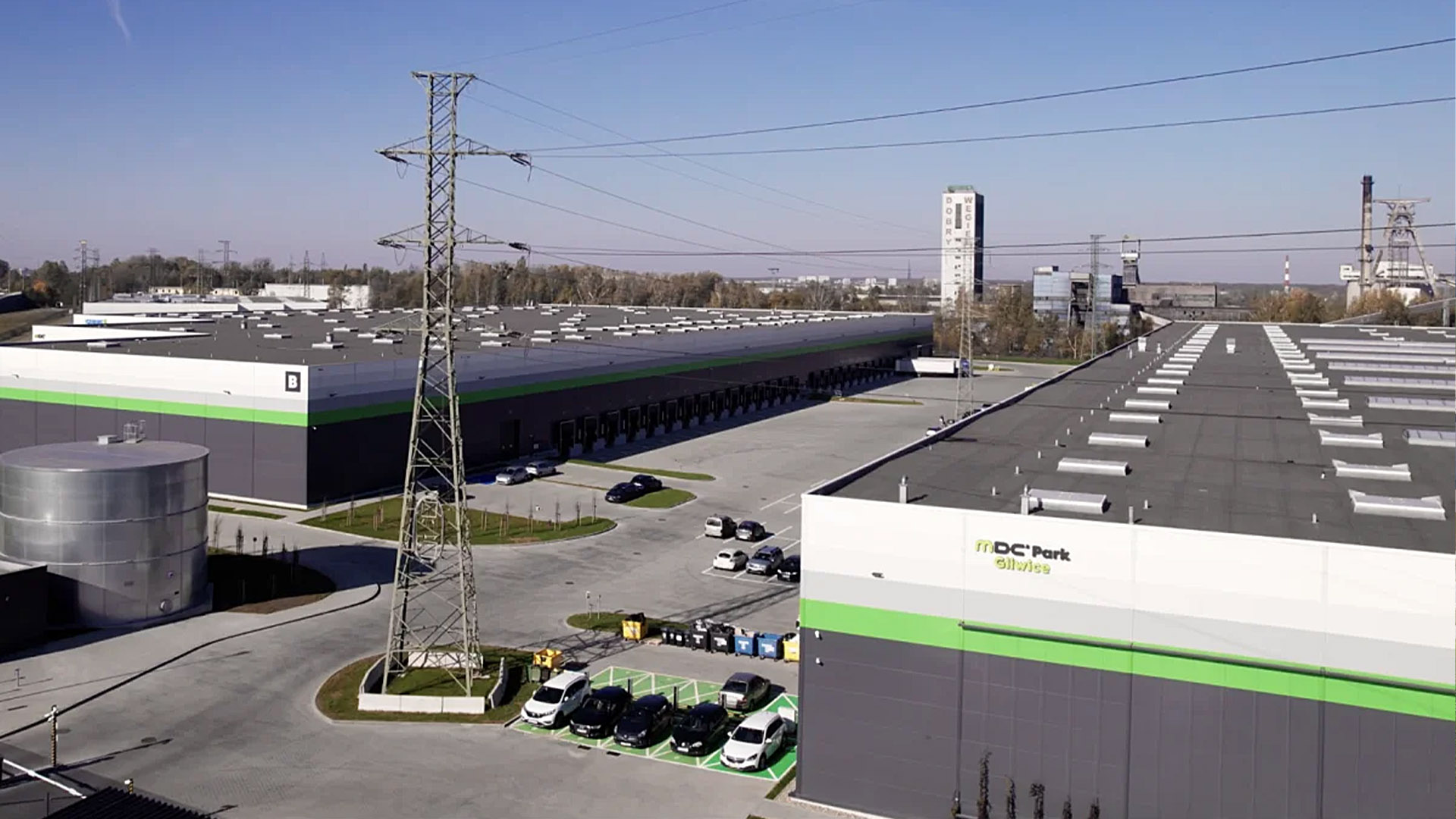
With SINGU covering the full spectrum of commercial real estate assets, which sectors are currently lagging behind in proptech adoption, and what do you consider to be the most important actions that need to be taken to overcome this situation?
Retail and certain logistics segments are still behind in fully embracing technology and digitising their operations. Barriers include legacy systems, fragmented portfolios, and limited internal resources for change management.
Overcoming this requires a consultative onboarding approach, something SINGU has refined over 15 years, ensuring all stakeholders are trained, engaged, and see clear operational benefits from day one.
Looking ahead, how do you envision the future of proptechs in Europe? What do you believe will be the key factors driving innovation, and how is SINGU positioning itself to lead that transformation?
I see a bright future for technology in the built environment, the need for operational improvement and ability to have a holistic overview of your portfolio across asset, space, maintenance, compliance, and sustainability management will drive the sector. Data allows you to make better, more informed decisions, and that can be a big driver of value.
SINGU is positioning to lead this transformation by expanding our technology stack, scaling our geographic presence, and continuing to double in size every two years, putting boots on the ground in local markets to combine technology with deep market understanding.
We don’t only provide best-in-class software, we also draw on more than 15 years of experience to provide a full solution for the built environment - from change management to data-driven decision making based on the SINGU/Micad platform.
AI has a wide array of applications, ranging from predictive maintenance to automated sustainability reporting - how do you see AI playing a role in making property management more efficient and accessible?
AI will be a critical enabler for efficiency, accessibility, and decision-making. We see immediate impact in:
Very interesting, thanks for sharing your insights Pawel!
At the GRI Institute, we are committed to providing a trusted forum where senior decision-makers can exchange perspectives on the forces reshaping real estate across Europe. Conversations with industry leaders like Paweł Malon, exploring the evolving role of technology, AI, and integrated platforms in building operations, are central to understanding the sector’s next chapter.
Keep the conversation going with more top investors, developers, operators, and other key players at our upcoming European gatherings in the full GRI Institute Europe calendar.
The recent merger of SINGU and Micad, backed by K1 Investment Management, reflects this evolution, combining the two companies’ respective strengths - covering facility management, maintenance, ESG reporting, and space and asset management - into one integrated platform.
At the GRI Institute, we see first-hand how such partnerships emerge from meaningful connections between industry leaders - the same kind of dialogue that underpins our conversation with Pawel Malon, Group CEO of SINGU & Micad, about the future of proptechs and the digital transformation in European real estate.
Hi Pawel, thanks for your time - could you please start by giving us an overview of SINGU and your professional background?
I am Pawel Malon, Group CEO of SINGU & Micad, a market-leading SaaS platform for building operations management. Our technology enables efficient operations for over 250 million square metres of property across 35 countries.
My career began as an engineer, followed by a few roles in finance. These experiences gave me deep exposure to digital transformation and business growth across industries.
Today, I leverage that background to lead strategic growth across our group companies, working closely with our clients, employees, and partners to ensure we remain ahead of market trends and deliver measurable value.
“We address [the push to digitise] by replacing fragmented, manual processes with a single source of truth for building operations,” shares Pawel (SINGU & Micad)
SINGU recently underwent a significant merger with Micad, backed by K1 Investment Management - what can you tell us about the lead-up to this development and what does it mean for the future of the newly merged company?
The merger with Micad was a strategic move to create a European category leader in building operations and facility management technology. Both companies had complementary strengths, SINGU in operational management, maintenance, and ESG, and Micad in space and asset management.
K1 Investment Management’s backing provided the scale, resources, and expertise to unite these strengths and accelerate innovation.
This combination expands our capability to deliver a complete, integrated platform to customers across sectors, helping them streamline operations, reduce risk, and meet ESG goals on a global scale.
With this merger, how do you approach the challenge of aligning the two brands while still ensuring that SINGU’s core values and mission resonate with existing clients, particularly in the competitive European proptech landscape?
We are approaching brand alignment with a clear principle, leverage the best of both while staying true to what made each successful.
For SINGU, this means continuing to focus on client-centricity, operational efficiency, and delivering measurable ROI for property owners and operators.
As a leading platform in our market, we can now extend our offering through Micad and vice versa. This enables us to deliver greater value and offer a more complete management of building operations.
In the announcement of the merger, you said that there is an “increasing need to digitise property management” - what do you see driving this demand, and how is SINGU positioning itself to meet the scale of change required?
Real estate has historically lagged behind other sectors in digital adoption. Many processes remain manual or dependent on spreadsheets. The push to digitise comes from six main factors:
- Efficiency gains from streamlining operations;
- Protecting net operating income;
- Reducing risk and improving overall compliance;
- Improving tenant satisfaction;
- Regulatory and ESG requirements demanding accurate, real-time data;
- Competitive pressure to deliver better tenant experiences.
Your combined platform now operates across 35 countries - which of these markets are experiencing the biggest challenges, and where do you see the most attractive opportunities on the horizon?
The most acute challenges are in markets where regulation and compliance are advancing rapidly, Western Europe in particular. These regions require fast adaptation to stringent reporting standards and sustainability mandates.
Opportunities are especially strong in logistics, retail, education, healthcare and mixed-use developments across CEE and DACH regions, where adoption rates are rising quickly and owners are looking for scalable, multi-site solutions to protect their revenue, drive operational efficiency, and ultimately drive NOI.
“Opportunities are especially strong in logistics, retail, education, healthcare and mixed-use developments across CEE and DACH regions,” explains Pawel (SINGU & Micad)
With SINGU covering the full spectrum of commercial real estate assets, which sectors are currently lagging behind in proptech adoption, and what do you consider to be the most important actions that need to be taken to overcome this situation?
Retail and certain logistics segments are still behind in fully embracing technology and digitising their operations. Barriers include legacy systems, fragmented portfolios, and limited internal resources for change management.
Overcoming this requires a consultative onboarding approach, something SINGU has refined over 15 years, ensuring all stakeholders are trained, engaged, and see clear operational benefits from day one.
Looking ahead, how do you envision the future of proptechs in Europe? What do you believe will be the key factors driving innovation, and how is SINGU positioning itself to lead that transformation?
I see a bright future for technology in the built environment, the need for operational improvement and ability to have a holistic overview of your portfolio across asset, space, maintenance, compliance, and sustainability management will drive the sector. Data allows you to make better, more informed decisions, and that can be a big driver of value.
SINGU is positioning to lead this transformation by expanding our technology stack, scaling our geographic presence, and continuing to double in size every two years, putting boots on the ground in local markets to combine technology with deep market understanding.
We don’t only provide best-in-class software, we also draw on more than 15 years of experience to provide a full solution for the built environment - from change management to data-driven decision making based on the SINGU/Micad platform.
AI has a wide array of applications, ranging from predictive maintenance to automated sustainability reporting - how do you see AI playing a role in making property management more efficient and accessible?
AI will be a critical enabler for efficiency, accessibility, and decision-making. We see immediate impact in:
- Predictive maintenance, reducing downtime and extending asset lifecycles;
- Asset monitoring and tracking, acting as a second set of eyes, identifying failures early and reducing costs;
- Automated ESG reporting, using real-time data to meet compliance needs;
- Operational insights, turning raw data into actionable recommendations for portfolio optimisation.
Very interesting, thanks for sharing your insights Pawel!
At the GRI Institute, we are committed to providing a trusted forum where senior decision-makers can exchange perspectives on the forces reshaping real estate across Europe. Conversations with industry leaders like Paweł Malon, exploring the evolving role of technology, AI, and integrated platforms in building operations, are central to understanding the sector’s next chapter.
Keep the conversation going with more top investors, developers, operators, and other key players at our upcoming European gatherings in the full GRI Institute Europe calendar.