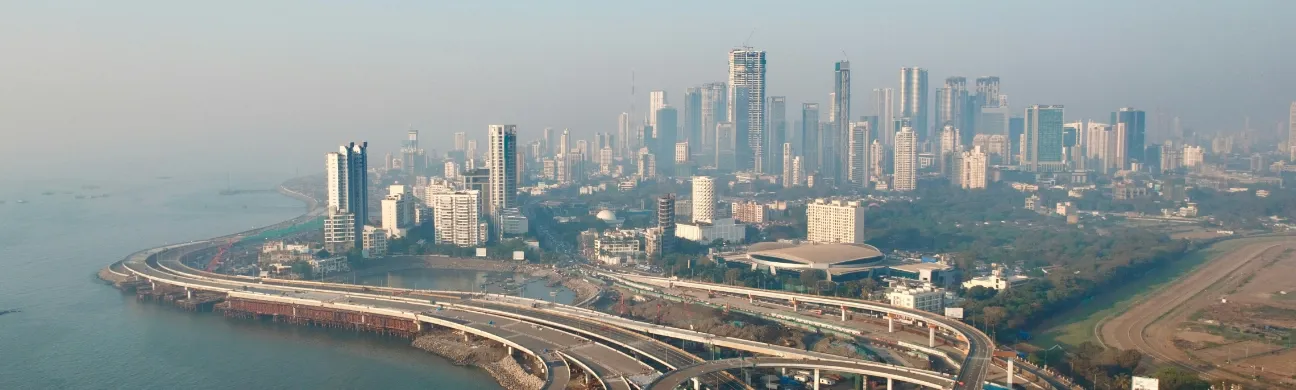
 Unsplash
India’s urban horizon: Multi-asset integration and the transition to smart cities
Discover how macro-level planning, greenfield satellite towns, and regulatory maturity under RERA are reshaping the sub-continent's real estate ecosystem
June 16, 2026Real Estate
Written by:Henrique Cisman
Key Takeaways
- India's real estate sector is projected to contribute up to 12% to the national gross domestic product by 2047 as the broader economy targets a USD 30 trillion valuation.
- The expansion of legacy urban areas faces intense friction, driving a strategic pivot towards self-sustainable greenfield satellite cities built around high-speed connectivity, clear macro zoning, and robust external infrastructure.
- Institutional regulatory maturity under RERA has completely restored market confidence, aligning with highly evolved global consumers who explicitly prioritise comprehensive lifestyle amenities and mixed-use operational efficiency.
The landscape of Indian urban development is shifting from a linear model of expansion to a highly integrated, nuanced, and experience-led ecosystem.
As metropolitan economies transition toward maturity, the real estate sector faces a dual imperative: addressing structural deficits in legacy urban centres while simultaneously building scalable, sustainable greenfield alternatives.
Balancing these dual priorities requires a multi-asset approach that fuses regulatory transparency, advanced infrastructure planning, and a deep understanding of the evolved consumer.
Driven by decades of robust economic momentum, real estate is projected to command up to 12% of the gross domestic product within the next two decades. This massive expansion cannot be contained within traditional boundaries, forcing a comprehensive re-evaluation of how cities are developed, redeveloped, and integrated with peripheral economic corridors.
A distinct structural challenge within established metropolitan regions is the historic separation of residential and commercial zones, which frequently forces citizens to commute long distances from city centres to suburban employment hubs. To remedy this imbalance, a strong emphasis is being placed on transforming primary capitals into thriving commercial epicentres.
By establishing dense clusters of tech hubs and modern office parks within city limits, planners aim to optimise urban land use and reverse inefficient commuting patterns, ensuring that major administrative hubs also function as vibrant commercial capitals.
Organising society-level redevelopment frequently takes a decade or more from conception to execution, complicating the delivery of immediate infrastructure relief.
Pouring massive infrastructure budgets into greenfield developments yields superior risk-adjusted results compared to the high cost of upgrading aging urban centres. This strategy mirrors the successful deployment of greenfield expressways, which open up fresh economic corridors at a fraction of the cost of expanding congested highways.
The success of these modern satellite cities hinges on three core pillars:
Modern residential developments are increasingly judged by the scale and quality of their communal infrastructure. To capture value, developers are delivering projects where building coverage is limited to under 30%, dedicating the remaining 70% of land to green spaces and premium amenities.
These lifestyle hubs integrate Olympic-size heated pools, elevated athletic facilities, amphitheatres, and wellness sanctuaries directly into the residential compound, offering contained, experiential living that eliminates the need for external travel.
Developing standalone commercial or retail spaces often creates severe operational inefficiencies, leaving expensive infrastructure underutilised during specific windows of the week.
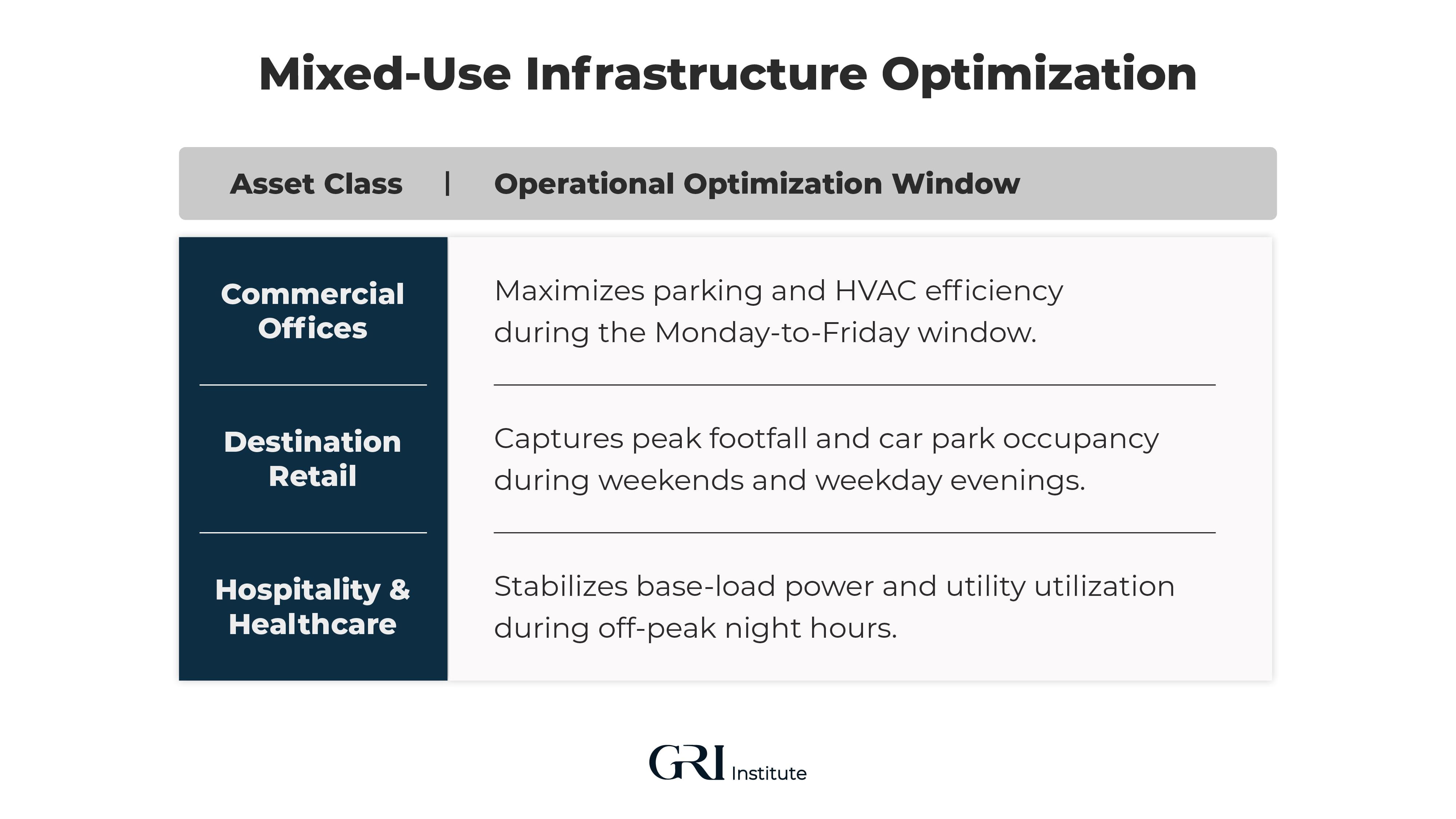
Integrating commercial offices directly into destination retail complexes successfully flattens these volatile operational curves. Office occupiers fully utilise parking, climate control, and waste management infrastructure from Monday to Friday, while weekend retail traffic absorbs the peak capacity.
This structural synergy dramatically lowers operational expenditures, reduces common area maintenance charges, and provides on-site retail and food-and-beverage operators with a captive consumer base during slower weekdays.
Adding a hotel component, which peaks in the evening and overnight when retail and office demand subsides, can push infrastructure utilisation toward 100% across the full week.
Ultimately, maximising the viability of these high-density urban ecosystems requires public planners to synchronise infrastructure delivery with regulatory flexibility. When granting higher floor areas in transit corridors, authorities must also mandate higher density allowances and robust safety specifications.
Ensuring that infrastructure development precedes demand - while seamlessly blending design elegance with operational functionality - will define the success of the modern real estate landscape.
These insights were shared at the India’s Urban Horizon panel during GRI Institute’s Delhi GRI 2026 conference, moderated by Sathish Rajendren (Newmark), with panellists Harsh Bansal (Unity Group), Rajesh Mehra (Jaquar Group), and S.V. Goyal (METL - Reliance).
As metropolitan economies transition toward maturity, the real estate sector faces a dual imperative: addressing structural deficits in legacy urban centres while simultaneously building scalable, sustainable greenfield alternatives.
Balancing these dual priorities requires a multi-asset approach that fuses regulatory transparency, advanced infrastructure planning, and a deep understanding of the evolved consumer.
The Macroeconomic Imperative and the Urban Paradigm Shift
India's real estate market stands as a primary engine of national economic growth, strongly positioned to expand its contribution as the broader economy targets a USD 30 trillion valuation by 2047.Driven by decades of robust economic momentum, real estate is projected to command up to 12% of the gross domestic product within the next two decades. This massive expansion cannot be contained within traditional boundaries, forcing a comprehensive re-evaluation of how cities are developed, redeveloped, and integrated with peripheral economic corridors.
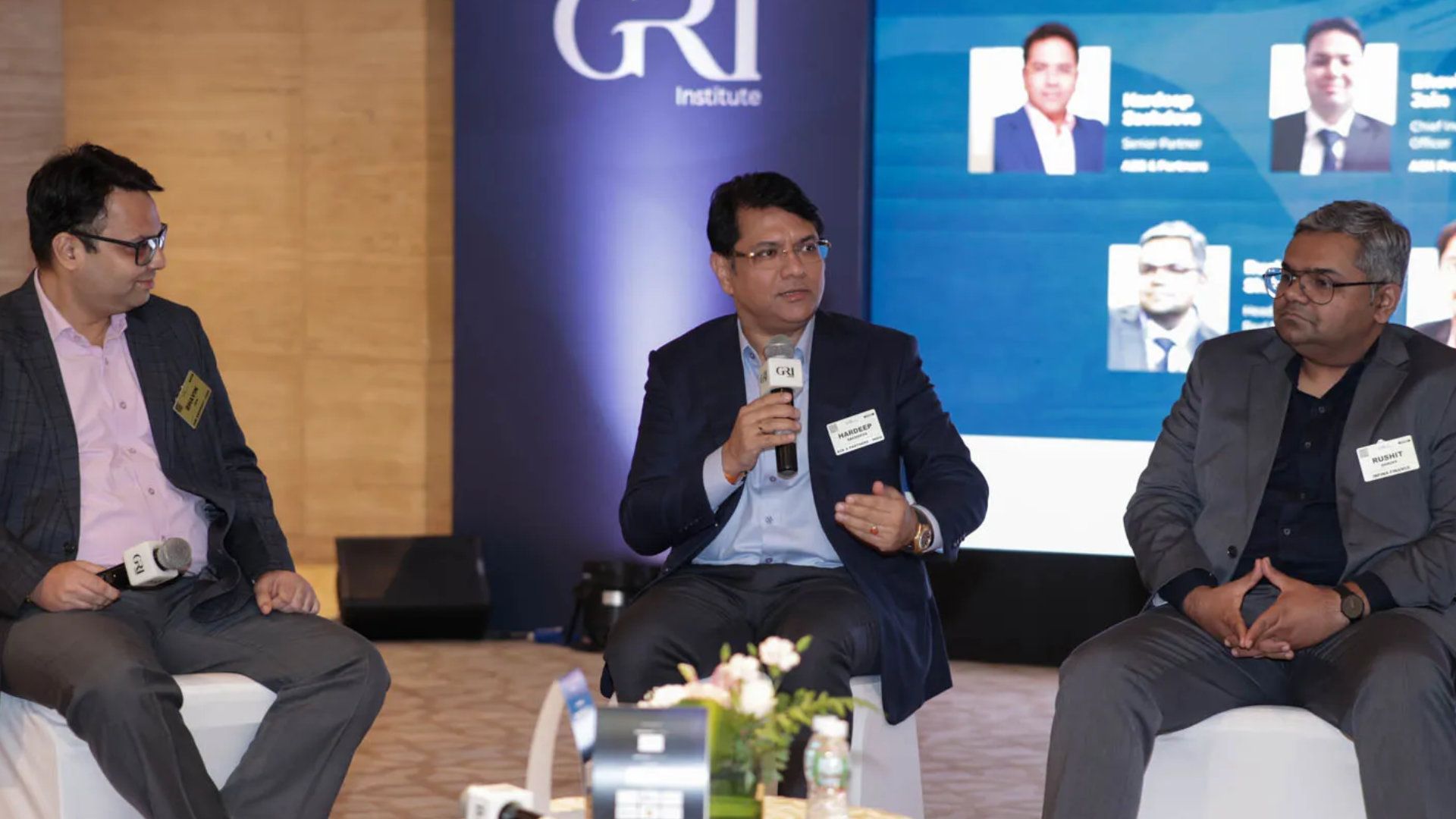
Investors, developers, and operators debate the next cycle of India's real estate market (Image: GRI Institute)
A distinct structural challenge within established metropolitan regions is the historic separation of residential and commercial zones, which frequently forces citizens to commute long distances from city centres to suburban employment hubs. To remedy this imbalance, a strong emphasis is being placed on transforming primary capitals into thriving commercial epicentres.
By establishing dense clusters of tech hubs and modern office parks within city limits, planners aim to optimise urban land use and reverse inefficient commuting patterns, ensuring that major administrative hubs also function as vibrant commercial capitals.
Redevelopment Dynamics vs. Greenfield Satellite Towns
The debate over the future of urban infrastructure centres on two distinct methodologies: the retrofitting of existing urban conglomerates versus the ground-up development of greenfield satellite cities.The Realities of Urban Regeneration
Proponents of inner-city development look to upcoming master plans and progressive planning frameworks to unlock land potential. Key strategic tools include:- Land Pooling Initiatives: Structural frameworks that allow developers to consolidate fragmented land parcels, opening up significant acreage for organised urban expansion.
- Green Development Areas: Policies designed to low-density zones into high-conviction, optimised residential and commercial platforms.
- Transit-Oriented Development (TOD): Frameworks allowing high-density, vertical redevelopment within designated influence zones - typically within 500 metres of transit tracks - by granting enhanced Floor Area Ratios (FAR) up to 500 FAR.
Organising society-level redevelopment frequently takes a decade or more from conception to execution, complicating the delivery of immediate infrastructure relief.
The Greenfield Satellite Blueprint
To bypass the administrative and physical bottlenecks of old cities, an alternative approach advocates for the creation of self-sustainable satellite towns located 15 to 30 kilometres away.Pouring massive infrastructure budgets into greenfield developments yields superior risk-adjusted results compared to the high cost of upgrading aging urban centres. This strategy mirrors the successful deployment of greenfield expressways, which open up fresh economic corridors at a fraction of the cost of expanding congested highways.
The success of these modern satellite cities hinges on three core pillars:
- External Infrastructure: Delivers foundational power, water systems, and stable utility grids.
- Macro-Level Planning: Establishes clear regional zoning frameworks to eliminate spatial friction.
- High-Speed Connectivity: Deploys 6-to-8 lane access corridors to seamlessly link satellite nodes.
Regulatory Maturity and Consumer Evolution
The modern Indian real estate landscape is defined by a comprehensive regulatory framework that has fundamentally restored market confidence. The institutional maturation of the Real Estate (Regulation and Development) Act (RERA) has created a transparent, standardised operating environment. Key regulatory interventions driving this transparency include:- Strict Carpet Area Mandates: Eliminating ambiguous metrics like super built-up or chargeable area, ensuring all transactions are measured exclusively by verifiable carpet area.
- Abolition of Speculative Practices: Banning the sale of virtual retail spaces and prohibiting misleading assured-return schemes on commercial or residential assets.
Modern residential developments are increasingly judged by the scale and quality of their communal infrastructure. To capture value, developers are delivering projects where building coverage is limited to under 30%, dedicating the remaining 70% of land to green spaces and premium amenities.
These lifestyle hubs integrate Olympic-size heated pools, elevated athletic facilities, amphitheatres, and wellness sanctuaries directly into the residential compound, offering contained, experiential living that eliminates the need for external travel.
Multi-Asset Integration and Infrastructure Optimisation
As land prices rise and consumer habits shift, the real estate industry is moving away from single-use assets toward highly sophisticated, mixed-use ecosystems.Developing standalone commercial or retail spaces often creates severe operational inefficiencies, leaving expensive infrastructure underutilised during specific windows of the week.
Integrating commercial offices directly into destination retail complexes successfully flattens these volatile operational curves. Office occupiers fully utilise parking, climate control, and waste management infrastructure from Monday to Friday, while weekend retail traffic absorbs the peak capacity.
This structural synergy dramatically lowers operational expenditures, reduces common area maintenance charges, and provides on-site retail and food-and-beverage operators with a captive consumer base during slower weekdays.
Adding a hotel component, which peaks in the evening and overnight when retail and office demand subsides, can push infrastructure utilisation toward 100% across the full week.
Ultimately, maximising the viability of these high-density urban ecosystems requires public planners to synchronise infrastructure delivery with regulatory flexibility. When granting higher floor areas in transit corridors, authorities must also mandate higher density allowances and robust safety specifications.
Ensuring that infrastructure development precedes demand - while seamlessly blending design elegance with operational functionality - will define the success of the modern real estate landscape.
These insights were shared at the India’s Urban Horizon panel during GRI Institute’s Delhi GRI 2026 conference, moderated by Sathish Rajendren (Newmark), with panellists Harsh Bansal (Unity Group), Rajesh Mehra (Jaquar Group), and S.V. Goyal (METL - Reliance).