 GRI
GRIDigital era: technology shaping the future of real estate
GRI Club España members debate ways in which digital trends are reshaping the rules of the game for property investors.
November 5, 2018Real Estate
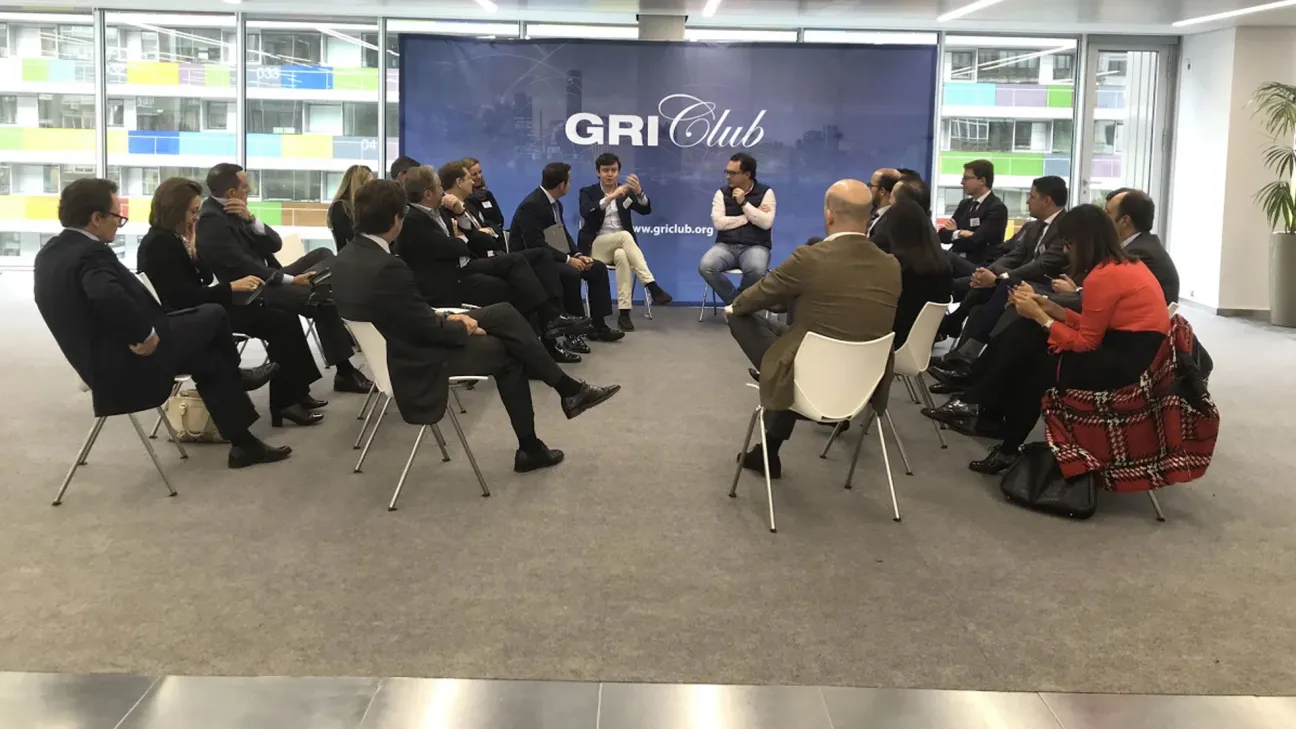
How is digitisation reshaping the demands of consumers, tenants, owners and operators alike? To answer this, GRI Club members gathered in Madrid along with invited special guests Aleix Valls (CEO & Co-Founder of Liquid / Senior Digital Advisor Colonial) and Carlos Álvares Ramallo for an animated discussion on where such trends are going and, critically, how the rules have changed for the investment industry. The special occasion was hosted by Colonial at Discovery Building.
Kickstarting the discussion, members tested opinions of whether we really are going through the '4th industrial revolution'. It was agreed that there is clear evidence that the fusion of new technologies, combined with a complete reshuffle of how we live, work and play, is creating an urgent lead to understand the demands of our consumers. Real estate is dead, some might say, long live service, tech and the community era!
To drill further into such sentiment, it was noted that technology initiatives are changing traditional asset management methods across the various real estate sectors, such as residential, offices, hospitality, retail and logistics. When we consider coworking and subsequent spin offs (coliving, mixed use serviced resi, leisure etc) real assets might now just have their very own 'uber', forcing a push up the risk curve for niche assets. However, it was also the case that such trends were proving hard to stomach for traditional investors and some asset owners. This is because whilst it is clear to see the serviced lifestyle, leisure and co-assets being integrated into traditional assets, the present fact is that this new world of flexi, short term leasing are too immature and too illiquid for the mainstream stage.
In conclusion, amenities, services and technologies contributing to data driven insights into tenants were the main sweetspots of the discussion. However, the room remained uncertain as to when we will really see this change into assets. One thing is for sure, whilst many are slower to adapt to the disruptive force of technology driven real assets, it was agreed that the adoption of such tech might better help the real estate sector to reach and understand the end user. The customer is king, has never been a truer sentiment as in the current age of real estate, but changes are slow. If so,when will we really see the champions of the digi cycle emerge, and who will they be? Mutants of the real estate generation as we presently know them, or someone entirely different?
Kickstarting the discussion, members tested opinions of whether we really are going through the '4th industrial revolution'. It was agreed that there is clear evidence that the fusion of new technologies, combined with a complete reshuffle of how we live, work and play, is creating an urgent lead to understand the demands of our consumers. Real estate is dead, some might say, long live service, tech and the community era!
To drill further into such sentiment, it was noted that technology initiatives are changing traditional asset management methods across the various real estate sectors, such as residential, offices, hospitality, retail and logistics. When we consider coworking and subsequent spin offs (coliving, mixed use serviced resi, leisure etc) real assets might now just have their very own 'uber', forcing a push up the risk curve for niche assets. However, it was also the case that such trends were proving hard to stomach for traditional investors and some asset owners. This is because whilst it is clear to see the serviced lifestyle, leisure and co-assets being integrated into traditional assets, the present fact is that this new world of flexi, short term leasing are too immature and too illiquid for the mainstream stage.
In conclusion, amenities, services and technologies contributing to data driven insights into tenants were the main sweetspots of the discussion. However, the room remained uncertain as to when we will really see this change into assets. One thing is for sure, whilst many are slower to adapt to the disruptive force of technology driven real assets, it was agreed that the adoption of such tech might better help the real estate sector to reach and understand the end user. The customer is king, has never been a truer sentiment as in the current age of real estate, but changes are slow. If so,when will we really see the champions of the digi cycle emerge, and who will they be? Mutants of the real estate generation as we presently know them, or someone entirely different?